
1 / 11
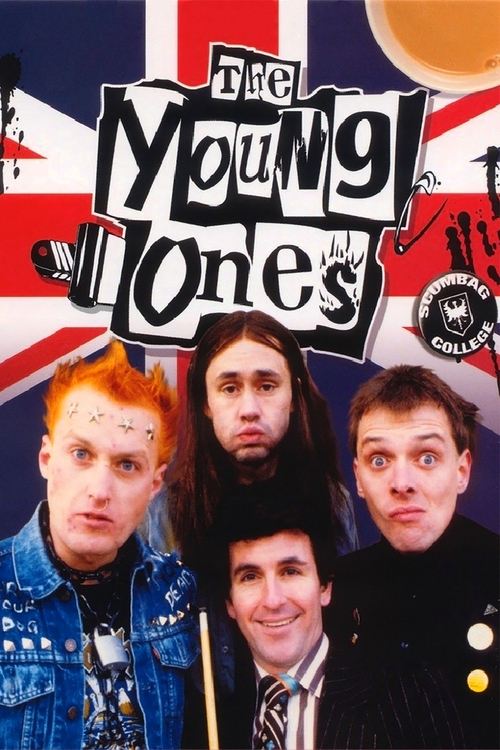
1. The Young Ones
Forget your pristine sitcom sets; *The Young Ones* was a glorious mess, a punk rock explosion televised. It felt like someone just turned on a camera in a squalid flat shared by four deranged art-school dropouts and let them scream. The jokes hit like bricks, the animation was jarring, and the musical acts were always perfectly bizarre. It was anarchic, brilliant, and pure 80s fringe. Still makes me wanna smash a telly.
2 / 11
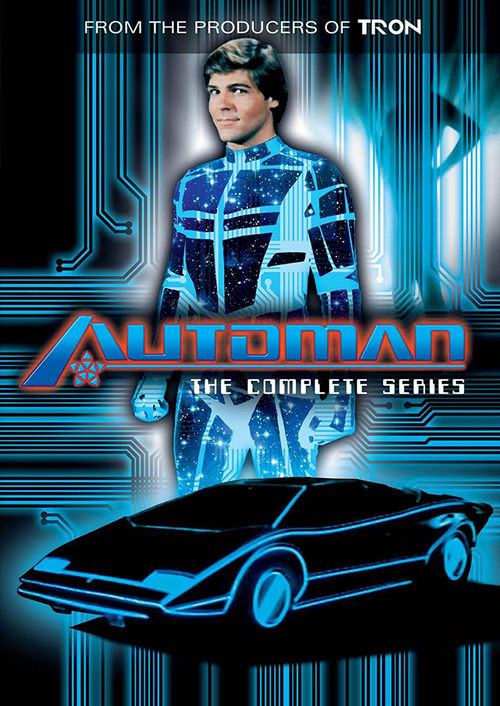
2. Automan
*Automan* tried to bring *Tron* to the small screen, and bless its glowing, polygonal heart, it almost got there. The computer-generated car chases and that bright blue protagonist popping out of a screen were groundbreaking for '83, even if they looked clunky. It was pure wish-fulfillment for any kid who dreamed of hacking reality, a slick, neon-soaked fantasy that promised a future where digital heroes solved crimes. It was wonderfully ambitious, if ultimately short-lived.
3 / 11
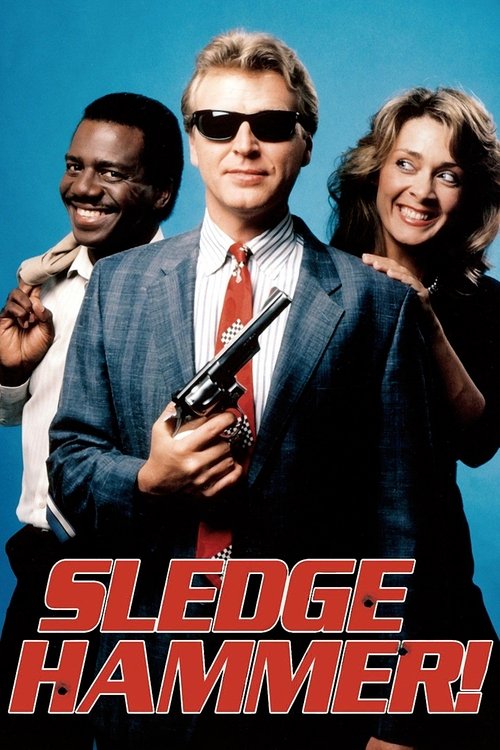
3. Sledge Hammer!
"Trust me, I know what I'm doing." That was Sledge Hammer's mantra, usually right before he blew something up or caused utter chaos. This show was a brilliant, bone-dry parody of every hardboiled cop flick and procedural. It was dark, relentlessly absurd, and didn't pull any punches with its satire of gun-toting machismo. The dialogue was razor-sharp, and the sheer commitment to its ridiculous premise made it a cult classic. A true gem of cynical humor.
4 / 11
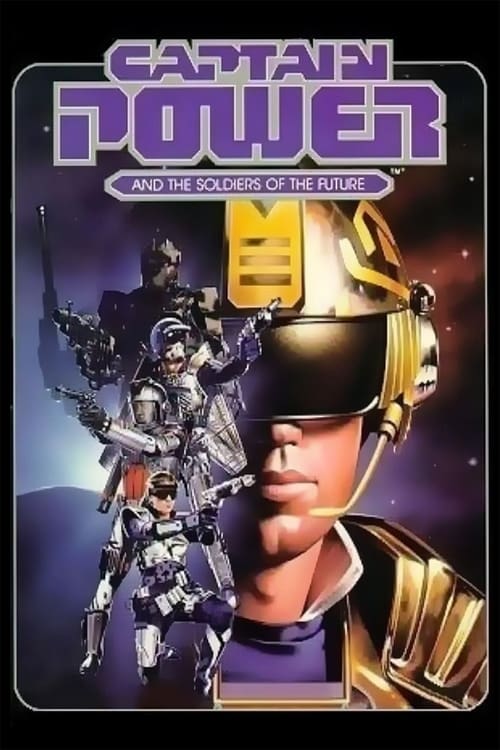
4. Captain Power and the Soldiers of the Future
This wasn't your Saturday morning fluff. *Captain Power* was dark, man. A post-apocalyptic future where robots hunted humans, and the heroes were grim survivors. The live-action mixed with early CGI (and those interactive toys!) was a wild experiment. It tackled heavy themes for a kids' show, like genocide and resistance, and its serialized storyline hinted at a much grander, grittier universe. It felt dangerous, a true signal from the fringe.
5 / 11
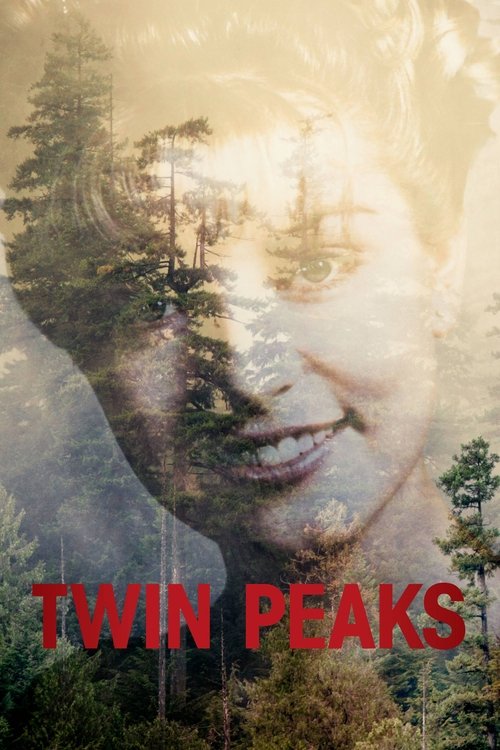
5. Twin Peaks
Nothing was ever the same after *Twin Peaks*. It blew the lid off network TV, proving you could be utterly bizarre, darkly comedic, and deeply unsettling all at once. The mystery of Laura Palmer was just the entry point to a town oozing with secrets, cherry pie, and dancing dwarfs. It felt like a dream, or maybe a nightmare, you couldn't quite shake. Its atmosphere was so thick you could cut it with a damn fine cup of coffee.
6 / 11
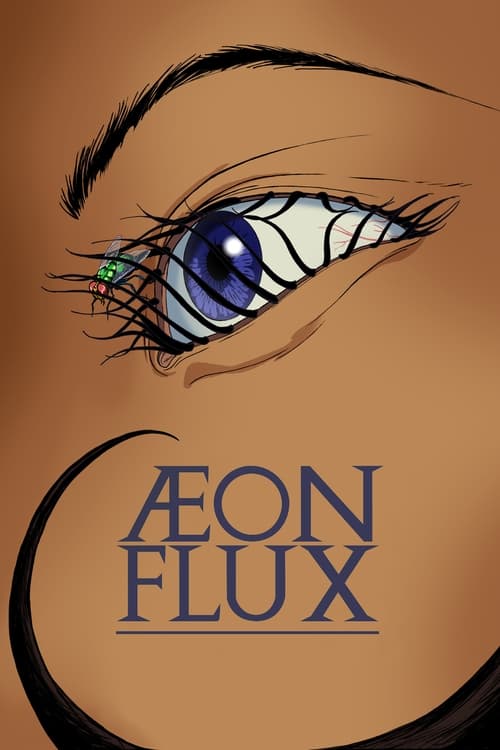
6. Æon Flux
*Æon Flux*, especially those early MTV *Liquid Television* shorts, was pure cyberpunk art. No dialogue, just breathtaking, fluid animation, hyper-stylized violence, and a protagonist who defied gravity and explanation. It was a fever dream of espionage, latex, and body horror, pushing animation boundaries with its experimental narratives and surreal world-building. This was adult animation before anyone really knew what that meant, a truly provocative and unforgettable visual trip.
7 / 11

7. Forever Knight
A vampire detective in modern-day Toronto, haunted by his past and yearning for mortality – *Forever Knight* was a brilliant twist on the genre. It wasn't about sparkling or brooding in velvet; it was a noir procedural steeped in melancholic immortality. Nick Knight tried to atone for centuries of sin, solving crimes while battling his inner demons and a truly menacing nemesis. It was smart, atmospheric, and surprisingly heartfelt for syndicated fare.
8 / 11
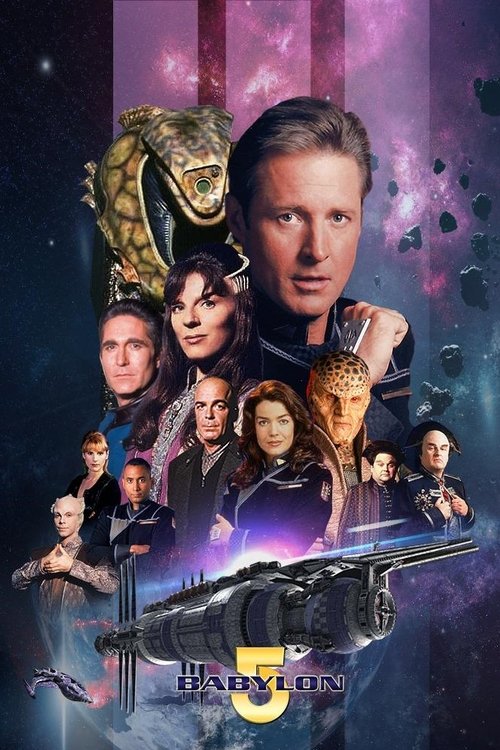
8. Babylon 5
Before *Game of Thrones*, there was *Babylon 5*. It planned its five-year arc from day one, delivering a sprawling, complex space opera that revolutionized serialized storytelling on TV. The political intrigue, moral ambiguities, and alien diplomacy were light-years ahead of its time. Its early CGI was rough, sure, but the ambition, the character development, and the sheer scope of its universe were utterly captivating. It was intelligent, epic sci-fi.
9 / 11

9. RoboCop: The Series
Taking the brutal satire of Verhoeven's *RoboCop* and turning it into a family-friendly syndicated series was a bizarre choice, but it worked in its own weird way. This *RoboCop* was less about ultra-violence and more about OCP corruption and futuristic tech. It kept the spirit of civic duty and Murphy's humanity alive, even if the budget was clearly tighter than OCP's ethics. It was Saturday afternoon action, a curious reinterpretation.
10 / 11
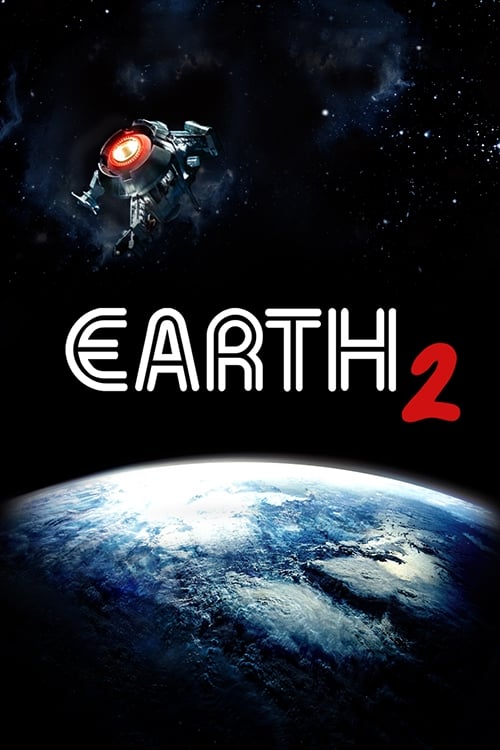
10. Earth 2
*Earth 2* tried to be the next big sci-fi epic, sending a colony ship to a distant planet to save humanity. It had a huge budget, ambitious world-building, and a serialized story about survival, alien contact, and ecological mystery. The "Grendlers" were genuinely creepy, and the struggle to build a new society felt real. It was ahead of its time with its long-form narrative, and it’s a shame it got canceled too soon. Still, it left a mark.
11 / 11
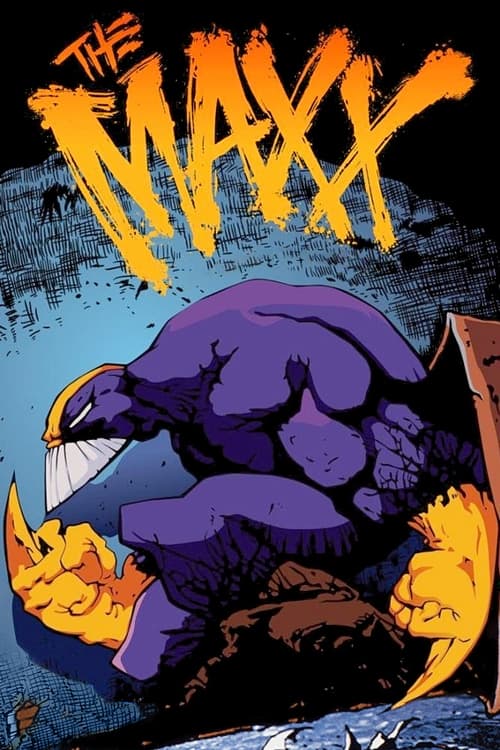
11. The Maxx
*The Maxx* was a mind-bending trip into the "Outback," a psychological landscape where reality blurred and metaphors ran wild. Based on Sam Kieth's comic, it brought a dark, gritty, and deeply surreal animation style to MTV. The blend of hand-drawn and CGI, the philosophical monologues, and the utterly unique character designs made it unforgettable. It wasn't just a cartoon; it was an experimental, unsettling, and incredibly artistic exploration of trauma and heroism.