

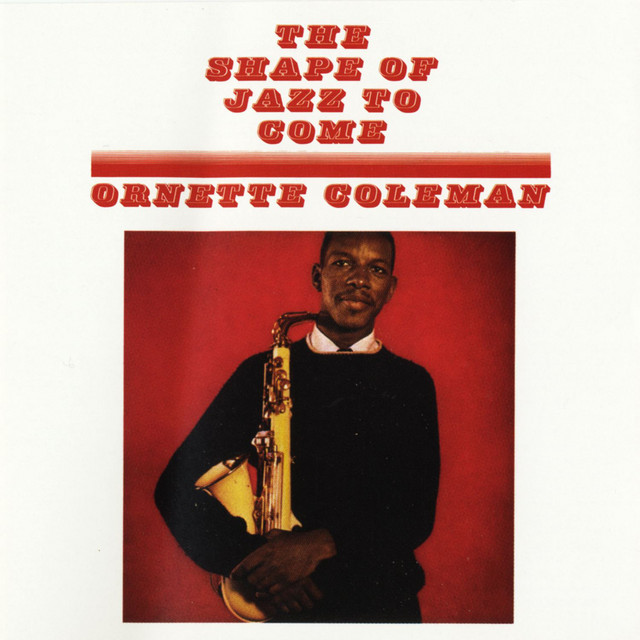
1. The Shape Of Jazz To Come
Ornette Coleman blew up the whole joint with this one in '59. Bebop had rules, man, and Ornette just tossed 'em out the window. His "harmolodics" felt like a direct transmission from some wild, untamed blues spirit, but filtered through an alien consciousness. It was raw, it was melodic in its own way, and it absolutely terrified the old guard. A true foundational tremor.
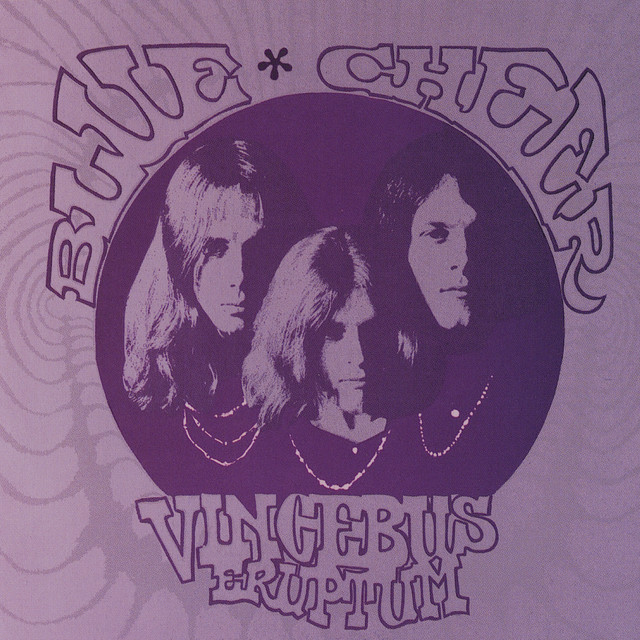
2. Vincebus Eruptum
Blue Cheer's '68 debut is a primal scream. This wasn't some flower-power trip; this was the sound of a garage band mainlining pure electricity. "Summertime Blues" got run over by a monster truck, drenched in fuzz and turned up to eleven. It wasn't just loud; it was heavy, laying down the concrete for what metal would eventually become, a true sonic assault.
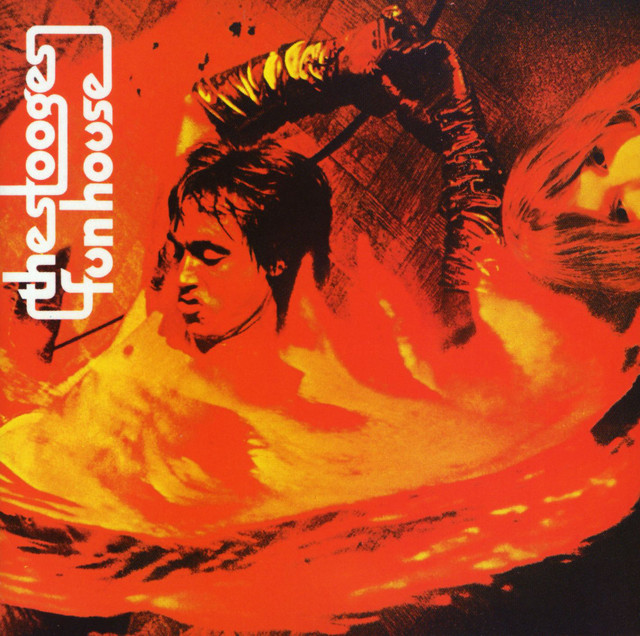
3. Funhouse
Forget the glitter and the poses; The Stooges' '70 masterpiece is just pure, unadulterated rock 'n' roll id. Iggy Pop's banshee wails and primal grunts, the raw, greasy guitar licks, that relentless, swaggering rhythm section – it’s a direct shot to the gut. This wasn't just proto-punk; it was the sound of everything about to shatter. Dangerous music for dangerous times.
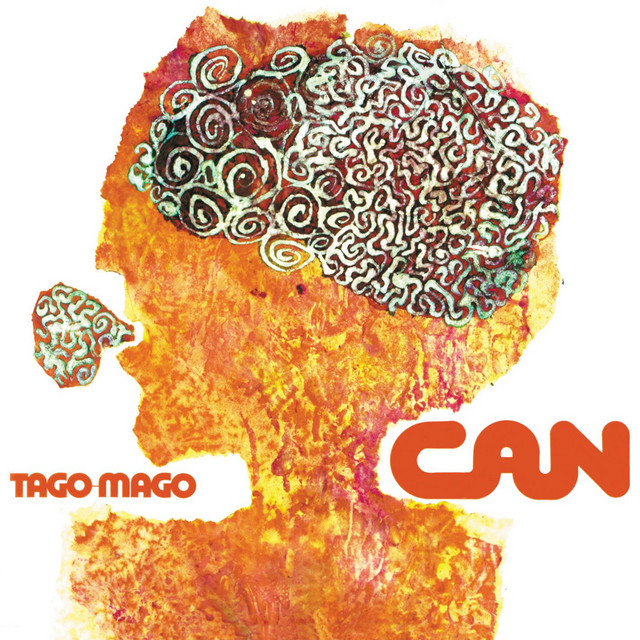
4. Tago Mago (2011 Remastered)
Can's '71 epic, especially in this crisp 2011 remaster, still feels like eavesdropping on a cosmic jam session. Those motorik grooves, Damo Suzuki's shamanistic vocals, the sprawling, psychedelic improvisations – it's Krautrock at its most potent and unhinged. The remaster really lets those intricate layers and percussive nuances breathe, revealing the sheer architectural genius beneath the chaos.

5. The Faust Tapes
Faust’s '73 statement wasn't an album; it was a conceptual art piece sold for the price of a single. A sonic collage, a cut-up of found sounds, distorted loops, industrial clatter, and fractured melodies. This was anti-music designed to provoke, to scramble your expectations of what an LP could be. It’s still a jarring, exhilarating trip into the heart of sonic rebellion.
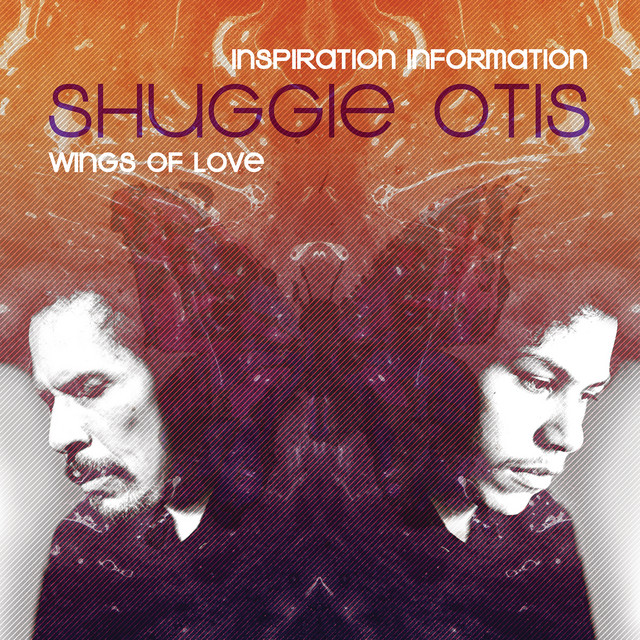
6. Inspiration Information/ Wings Of Love
Shuggie Otis, man, was a quiet storm in '74. This compilation captures his singular vision: hazy, psychedelic soul-funk that was light years ahead of its time. He played nearly everything himself, crafting these shimmering, soulful grooves that felt both deeply personal and effortlessly cool. A true unsung hero, whose influence only bloomed decades later.
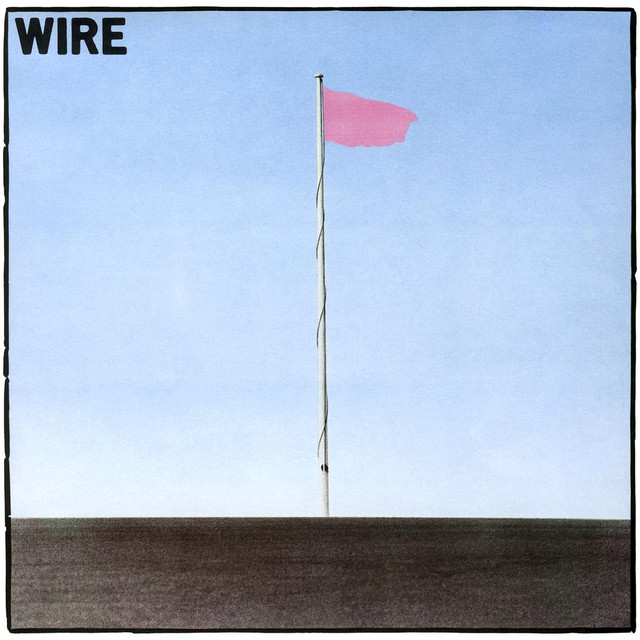
7. Pink Flag (2006 Remastered Version)
Wire's '77 debut, particularly this 2006 remaster, is a masterclass in brutalist punk minimalism. Short, sharp shocks of angular guitar and cryptic lyrics. There’s no fat here, just pure, distilled aggression and an intellectual edge that pointed straight to post-punk's future. It proves you don't need a lot of notes to make a monumental statement.
8. Suicide Squad: The Album
Alan Vega and Martin Rev's '77 debut, typically just titled 'Suicide', was a terrifying, minimalist blueprint. Just a droning, skeletal drum machine and a cheap synth, with Vega’s tormented, Elvis-meets-serial-killer croon over the top. It was confrontational, bleak, and absolutely revolutionary. This was the sound of urban decay made beautiful and utterly menacing.
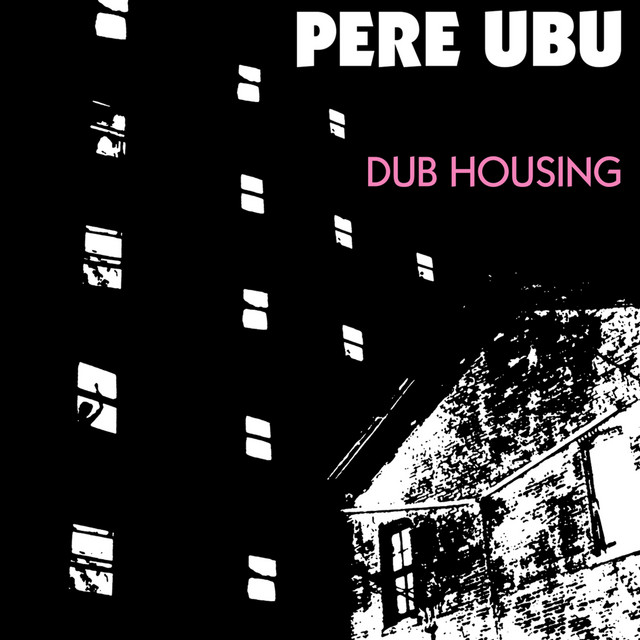
9. Dub Housing
Pere Ubu's '78 Cleveland masterpiece is a twisted take on post-punk. David Thomas's vocals are a force of nature, a yelp and a roar over angular guitars and a rhythm section that sounds like a collapsing factory. It’s art-punk that's genuinely unsettling, full of industrial grit and a strange, almost jazz-like improvisation within its jagged structures.
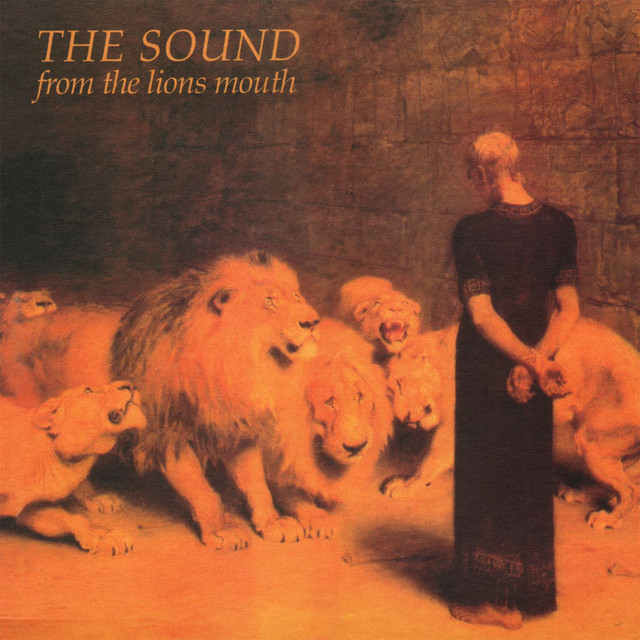
10. From The Lion's Mouth
The Sound's '81 opus is criminally overlooked. Adrian Borland's voice, full of yearning and defiance, soared over a backdrop of urgent, propulsive post-punk. It's melancholic, yes, but also incredibly powerful and anthemic, without ever resorting to cheap theatrics. This album was pure, unvarnished emotional intensity, a true gem of the era.

11. Can You Feel It?
Larry Heard's '86 classic as Mr. Fingers wasn't just a house track; it was a spiritual awakening. That iconic bassline, the ethereal synths, the soulful vocal sample – it was deep house before anyone even had the phrase. It showed that electronic music could be profoundly emotional, not just functional, defining the very essence of Chicago's deep sound.