
1. Pulp Fiction
Quentin Tarantino absolutely blew the doors off with this one, proving that a film didn't need a linear plot to be compelling. Its iconic dialogue, eclectic soundtrack, and unforgettable characters reshaped independent filmmaking, influencing an entire generation. It was a cultural earthquake, demonstrating that cinema could be both stylishly violent and incredibly witty, truly a game-changer for the crime genre and storytelling itself.
2. Blade Runner
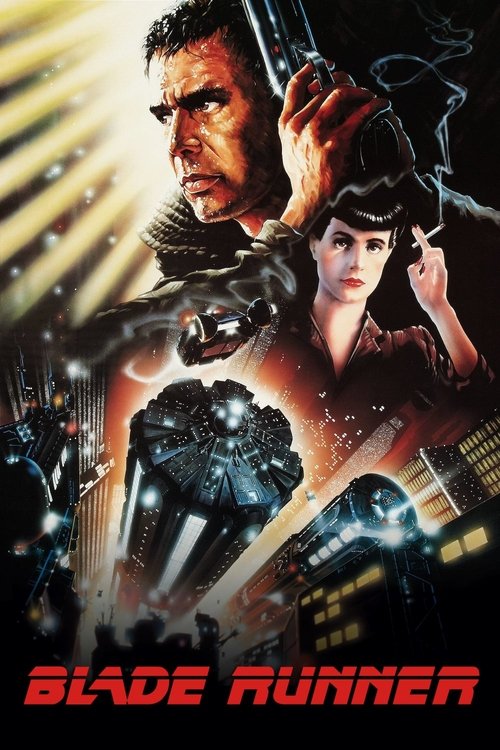
Ridley Scott's dystopian masterpiece wasn't a box office hit initially, but its influence is undeniable. It defined the cyberpunk aesthetic, blending gritty noir with futuristic technology. The film posed profound questions about humanity, memory, and what it means to be alive, shaping countless sci-fi narratives and visual styles for decades to come. Its moody atmosphere is legendary.
3. Spirited Away
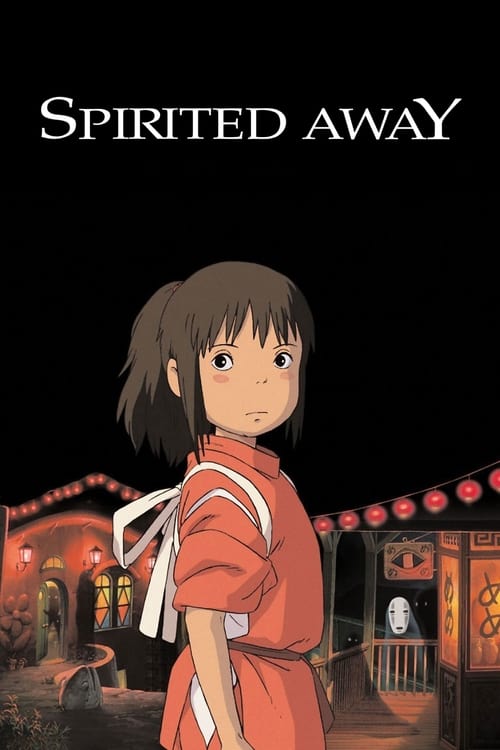
Hayao Miyazaki's enchanting masterpiece wasn't just another animated film; it was a global phenomenon that broke down cultural barriers. Its breathtaking visuals, imaginative world-building, and profound emotional depth captivated audiences worldwide, proving anime's universal appeal. It pushed animation beyond mere children's entertainment, establishing Studio Ghibli as a titan of storytelling and visual artistry.
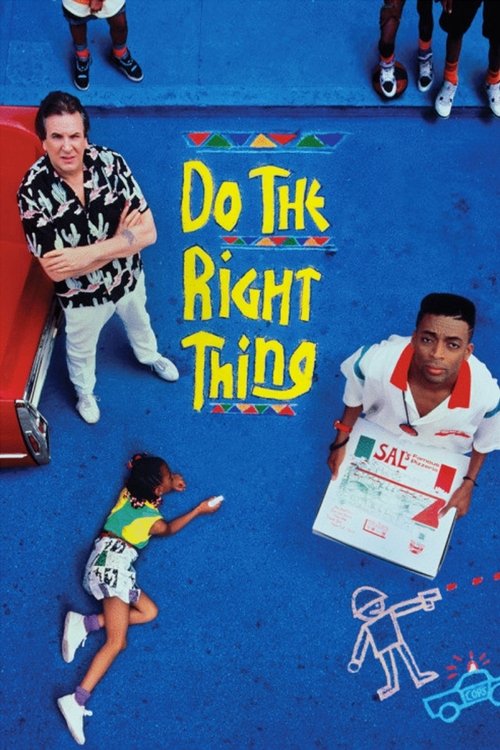
4. Do the Right Thing
Spike Lee's searing examination of racial tension in Brooklyn on a sweltering summer day remains as relevant today as it was in 1989. It sparked crucial conversations, challenging audiences to confront uncomfortable truths about prejudice and community dynamics. The film's vibrant visual style and groundbreaking narrative approach solidified Lee's voice as an essential and provocative filmmaker, truly a masterclass in social commentary.
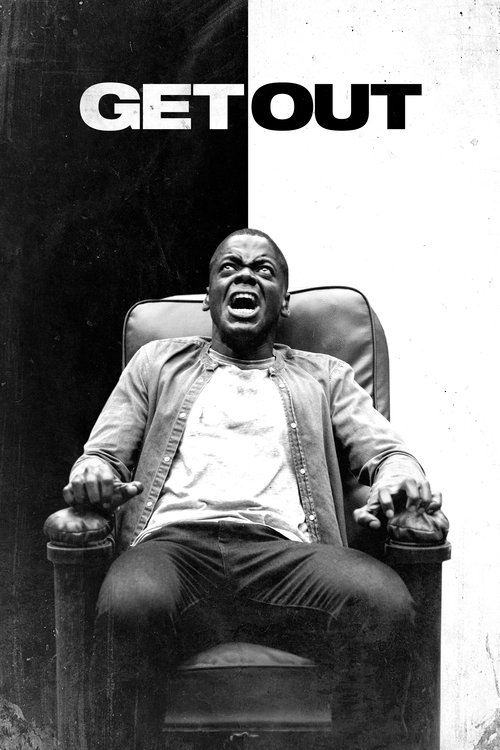
5. Get Out
Jordan Peele's directorial debut wasn't just a horror film; it was a sharp, incisive piece of social commentary that redefined the genre. It used scares to dissect racial anxieties and systemic issues in a way that was both terrifying and thought-provoking. This movie proved that smart, original horror could also be critically acclaimed and a massive box office success, changing perceptions.
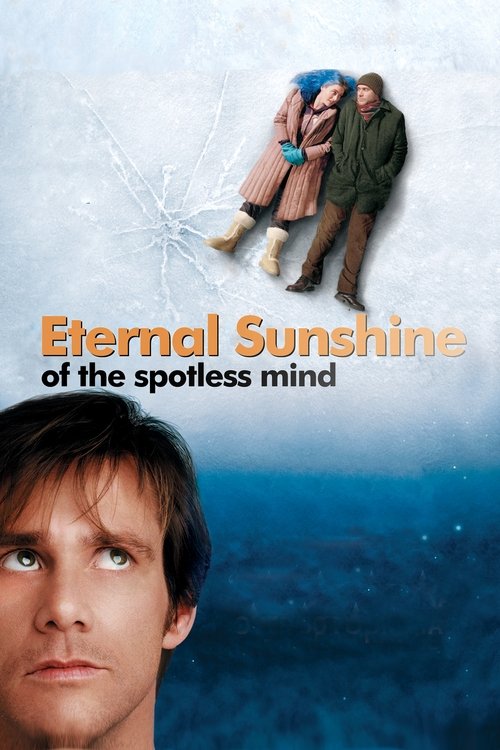
6. Eternal Sunshine of the Spotless Mind
Michel Gondry's surreal romance completely rewired expectations for what a love story could be. It explored memory, heartbreak, and identity through a wildly inventive, non-linear structure and stunning visual metaphors, pushing cinematic boundaries. This film showed that even in a digital age, a genuine emotional core combined with groundbreaking storytelling could produce something truly unique and deeply resonant for audiences.
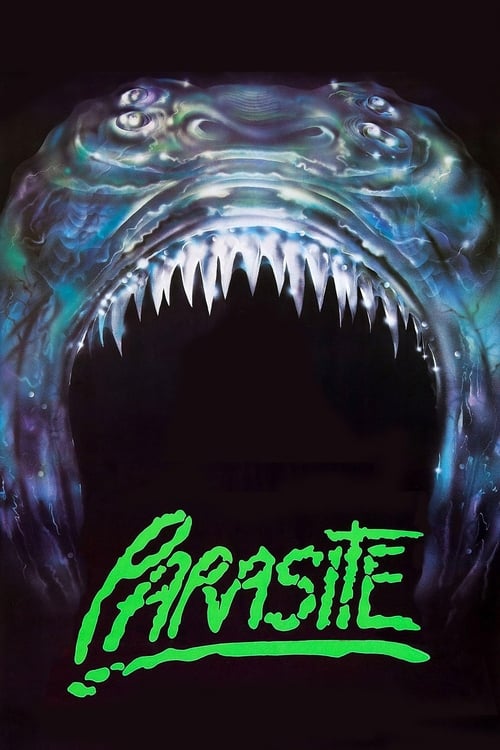
7. Parasite
Bong Joon-ho's masterpiece shattered barriers, becoming the first non-English language film to win Best Picture at the Oscars. It's a brilliant, darkly comedic thriller that dissects class struggle with surgical precision, blending genres effortlessly. This movie proved that compelling storytelling transcends language, showing global audiences the power and nuance of international cinema. A total cultural reset.
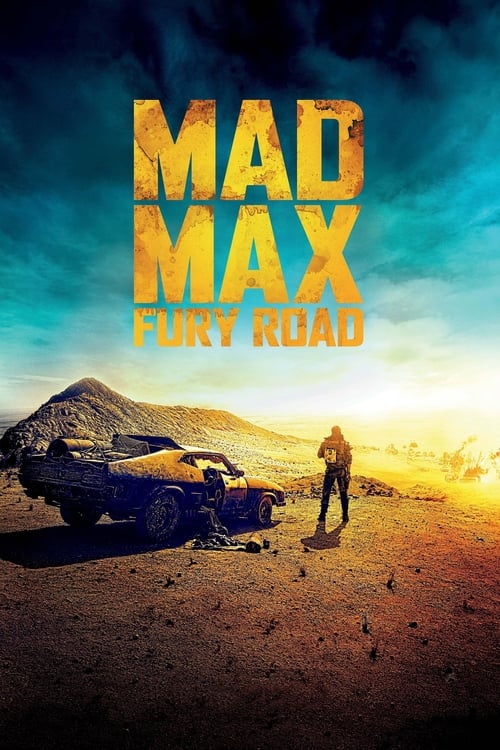
8. Mad Max: Fury Road
George Miller returned to his wasteland with a vengeance, delivering an almost non-stop, practical effects-driven action spectacle. It redefined what a modern action film could be, prioritizing visual storytelling over endless dialogue, and showcasing incredible stunt work. This movie proved that reboots could be revolutionary, breathing new life into a beloved franchise with unparalleled energy and vision.
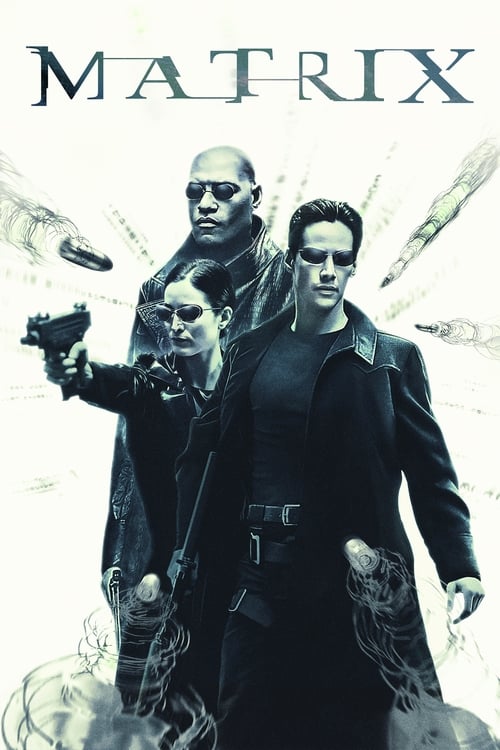
9. The Matrix
The Wachowskis' groundbreaking film wasn't just an action movie; it was a philosophical treatise wrapped in stunning bullet-time visuals and kung-fu. It reshaped sci-fi cinema, influencing fashion, video games, and even philosophical discourse. This movie made audiences question reality itself, demonstrating how a blockbuster could be both intellectually stimulating and spectacularly entertaining, truly a cinematic watershed moment.
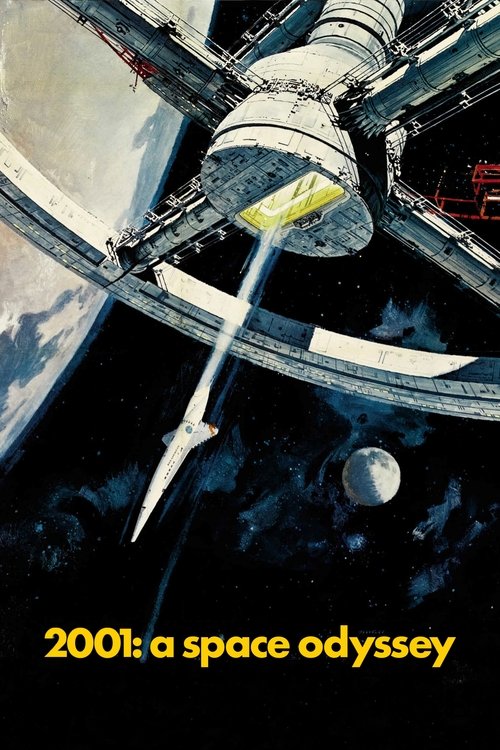
10. 2001: A Space Odyssey
Stanley Kubrick's enigmatic epic wasn't just a film; it was an experience that fundamentally redefined science fiction. It pushed cinematic boundaries with its stunning visuals, profound philosophical depth, and daring narrative structure. This movie proved that cinema could tackle the biggest questions about humanity, evolution, and artificial intelligence, all while leaving audiences in awe and contemplation for decades.

11. Arrival
Denis Villeneuve's thoughtful sci-fi masterwork proved that an alien invasion story didn't need explosions to be impactful. It focused on communication, grief, and the nature of time, delivering a deeply emotional and intellectually stimulating experience that resonated globally. This film elevated the genre, showing that blockbuster-level concepts could be explored with profound artistry and a powerful human core.