
1. Primer
This film is like a fractal, a low-budget indie that dives deep into time travel's logical paradoxes without ever holding your hand. It's a blueprint for complex, non-linear narratives. And, you know, imagine AI-driven story engines crafting these intricate loops, where every decision branches into a new, consistent timeline. VR could let us literally map out these timelines, experiencing every ripple effect firsthand, pushing the boundaries of what a personal narrative can even be.

2. Dark City
The way reality itself is a construct here, constantly being reshaped, is so fascinating. It feels like a precursor to how AI could generate adaptive, personalized narrative environments. And in VR, we could step into these ever-changing worlds, where memories and surroundings are fluid. This film hints at a future where our stories aren't just told to us, but built around us, responsive to our very presence, making every viewing a unique, mind-bending experience.
3. Repo Man
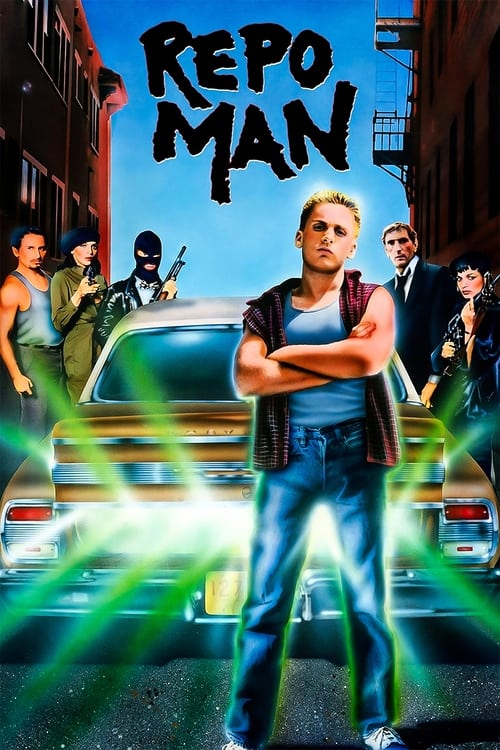
Okay, so this one's a wild ride, a punk rock sci-fi-comedy that just does its own thing. But its anarchic, unpredictable energy points to a future where AI could generate truly avant-garde, genre-bending content. And with VR, we could be dropped into these bizarre, procedurally generated worlds, meeting characters who operate on their own strange logic. It's about stories that break all the rules, created on the fly, for audiences who crave the unexpected and the genuinely weird.

4. Coherence
Shot mostly in one house, this film masterfully explores parallel realities and quantum entanglement with just a few people. It’s a perfect example of how complex concepts can be explored intimately. And imagine AI crafting these branching narratives in real-time, where slight variations in your own virtual 'house' lead to entirely different dimensions. In VR, you could literally walk between these realities, making choices that splinter your story in infinite, personal ways, a truly immersive multiverse.
5. The Man from Earth
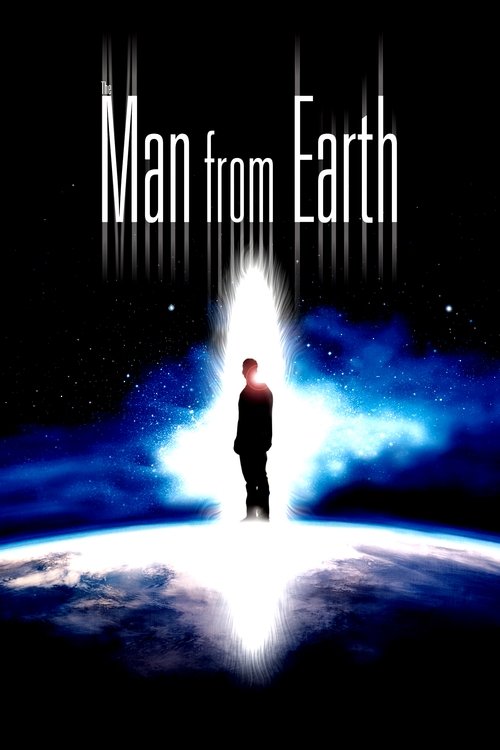
This entire film is just a conversation in a room, but it’s utterly captivating, relying purely on dialogue and ideas. It really shows the power of a strong concept. And with AI, we could have conversational narratives, like ultra-advanced text adventures or virtual live theatre, where characters respond dynamically, evolving the story based on our input. This points to a future where deep, philosophical discussions become the driving force of interactive, AI-generated storytelling experiences, purely intellectual and gripping.

6. Upstream Color
This film feels more like a sensory experience than a traditional narrative, using abstract imagery and sound to convey profound emotional connections. It's really beautiful. And I think this is where AI could shine, generating highly personalized, emotionally resonant stories based on biometric feedback or mood, presented in VR as pure atmosphere and feeling. It’s about stories that bypass rational thought, speaking directly to our subconscious, creating unique, deeply felt experiences without a single clear plot point.
7. Holy Motors
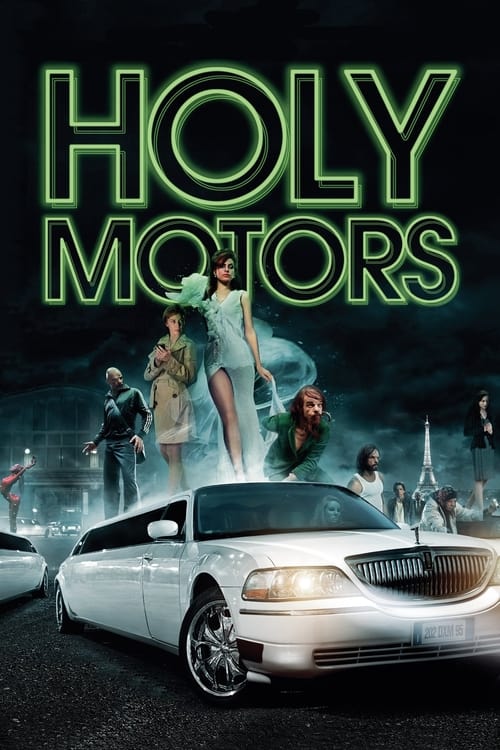
This movie is a meta-narrative dream, exploring performance, identity, and the various roles we play. It's like a series of interconnected vignettes. And imagine AI-driven virtual actors, constantly shifting personas, inhabiting multiple stories simultaneously within a VR space. It hints at a future where narratives are less about a single plot and more about exploring the fluidity of identity and performance, letting us 'try on' different lives and perspectives within a constantly evolving digital stage.
8. Perfect Blue
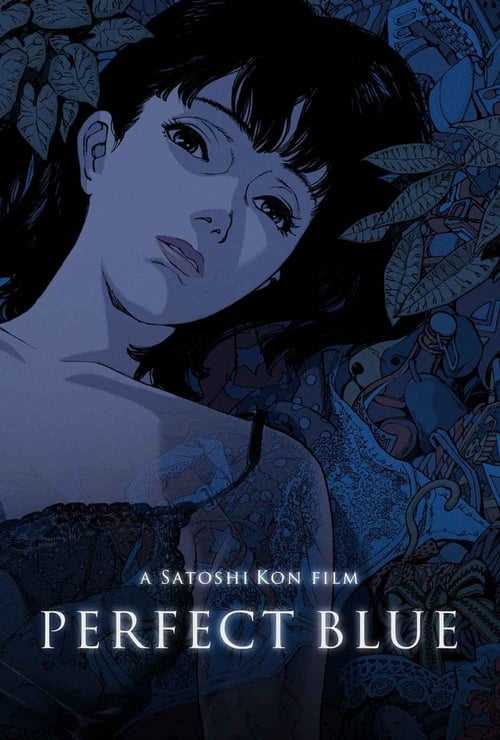
This animated psychological thriller brilliantly blurs the line between reality and illusion, especially concerning digital personas and obsessive fandom. It’s super relevant today. And with AI generating hyper-realistic virtual influencers and deepfakes, VR could create experiences that challenge our perceptions of identity and authenticity, making us question what's real. This film was so ahead of its time in showing how digital life can twist our sense of self, a narrative space AI will surely explore.
9. A Scanner Darkly
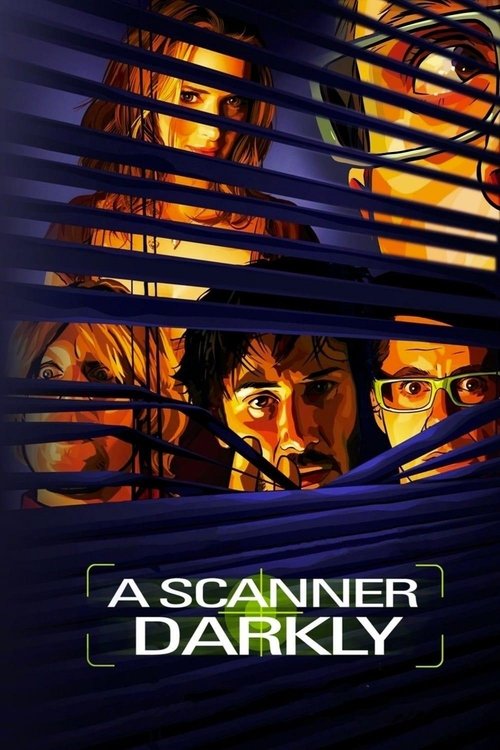
The rotoscoping animation style here perfectly captures the film's drug-induced paranoia and surveillance themes. It's visually distinct. And think about AI-driven animation tools that could generate entirely new, adaptive visual styles for stories, or VR experiences that simulate altered states of perception. This film shows how unique aesthetics can amplify narrative themes, hinting at a future where AI helps create visuals as mind-bending as the plots, truly integrating form and function in content creation.
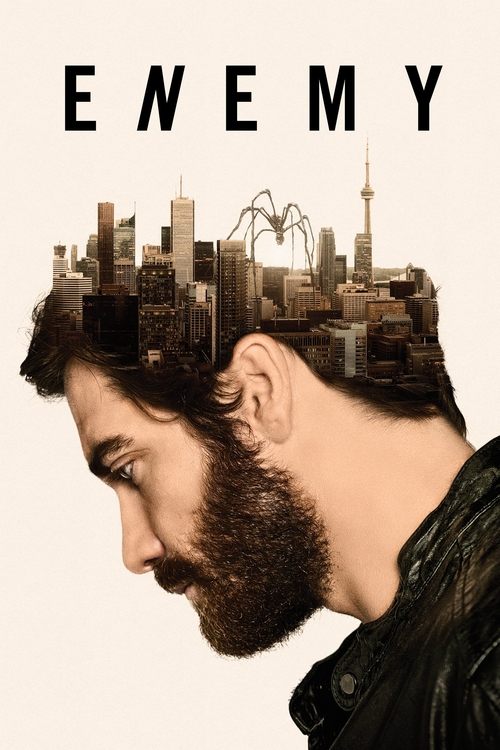
10. Enemy
This one is a total head-scratcher about doppelgängers and identity, steeped in symbolism. It leaves you with so many questions. And what if AI could generate narratives where your own virtual self is duplicated, or where you encounter an 'other you' that challenges your understanding of self? VR could make these psychological explorations incredibly immersive, forcing you to confront existential questions in a deeply personal way, pushing the boundaries of self-discovery through interactive, AI-driven stories.
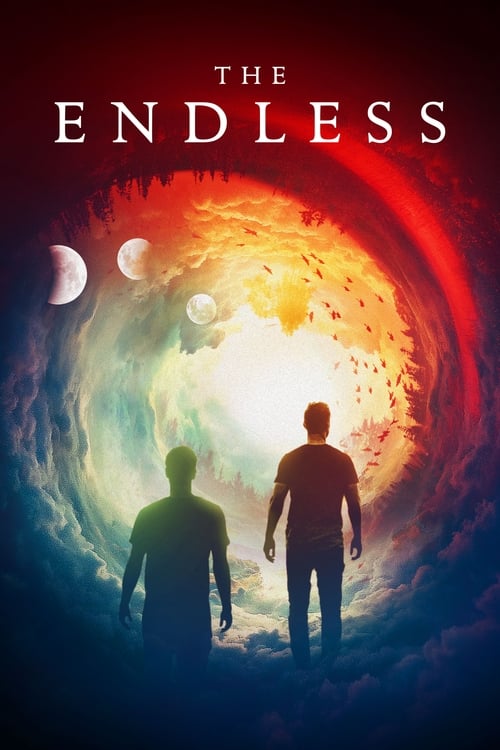
11. The Endless
This film masterfully blends cosmic horror with a meta-narrative about cults and time loops, all on a shoestring budget. It's genuinely creepy and thought-provoking. And imagine AI generating infinite, non-repeating horror scenarios in VR, learning from your fear responses to craft bespoke dread. This movie points to a future where procedural generation creates expansive, ever-changing worlds with unseen, god-like entities, making every venture into their narrative a unique and terrifying exploration of the unknown.