
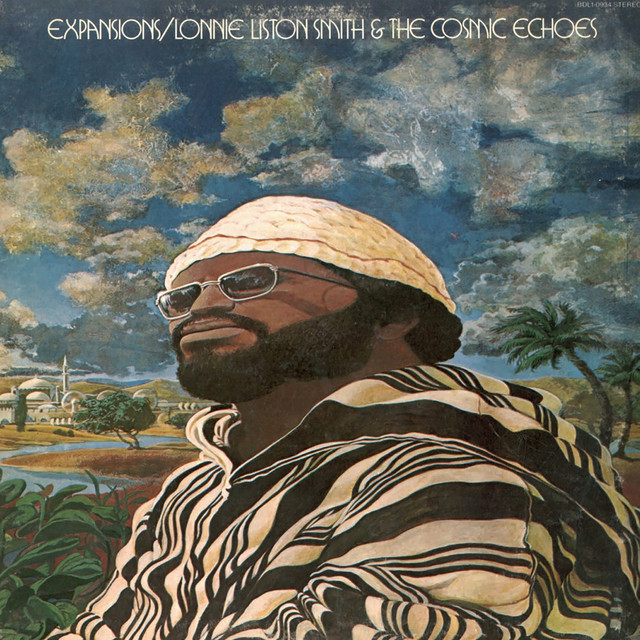
1. Expansions
This LP is a masterclass in organic, spiritual jazz-funk. Smith's Fender Rhodes washes over you, underpinned by powerful basslines and a rhythmic pulse that feels both earthy and extraterrestrial. It’s a beautifully recorded testament to pre-digital studio alchemy, where every instrumental layer breathes, creating an expansive, deeply groovy soundscape. The title track alone is an essential journey.
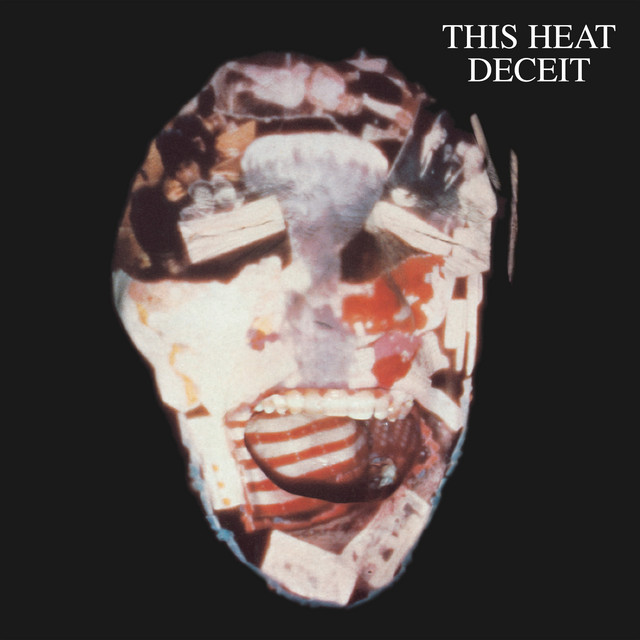
2. Deceit
This Heat dissected post-punk into a stark, angular beast. *Deceit* is a claustrophobic listen, full of jarring rhythmic shifts and found-sound textures that predict industrial music's embrace of the unconventional. The production is raw, almost confrontational, yet meticulously crafted, showcasing a band unafraid to dismantle conventional song structures in favor of unsettling sonic narratives. A true art-rock statement.
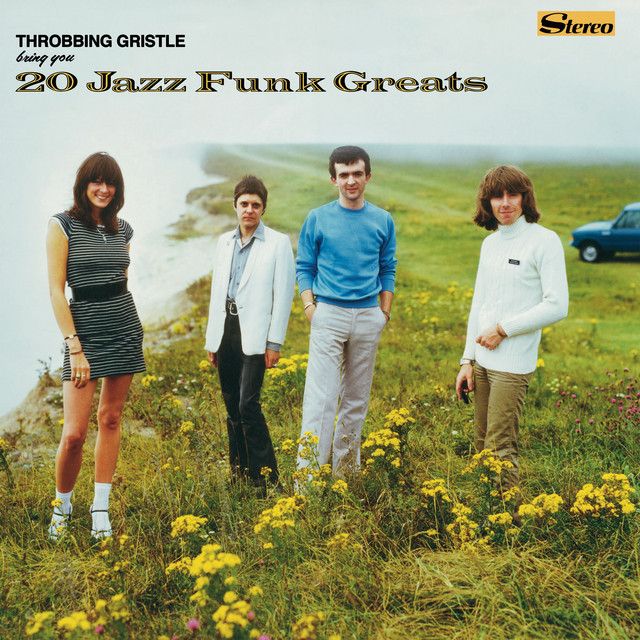
3. 20 Jazz Funk Greats (Remastered)
Forget the title; this is a calculated subversion. Throbbing Gristle's industrial blueprint is laid bare: tape loops, synthesizers as instruments of menace, and a relentless, anti-aesthetic attack. It's not about melody; it's about texture, tension, and the visceral discomfort of the machine age. The analog grit and sheer audacity of its sound design remain potent, challenging perceptions of what music could be.
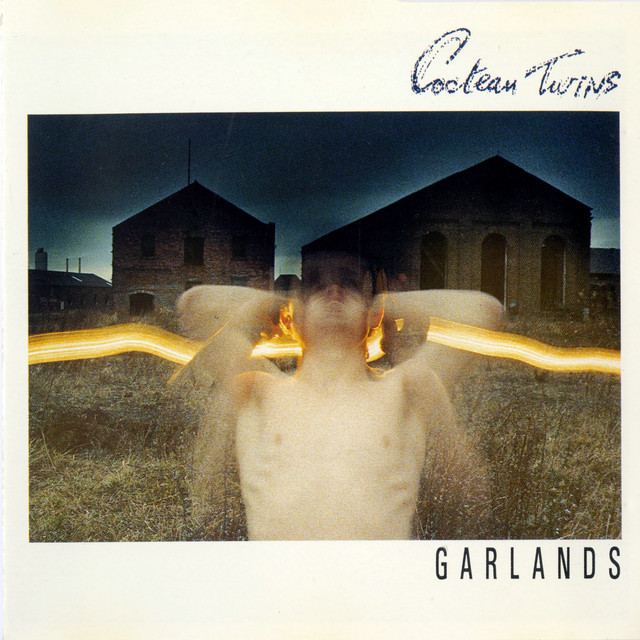
4. Garlands
Garlands introduced the world to an entirely new sonic vocabulary. Elizabeth Fraser’s voice, already a formidable instrument, floats above propulsive basslines and Robin Guthrie's reverb-drenched guitar textures. It's darkwave in its nascent form, raw and less polished than their later work, yet possessing an undeniable atmospheric power. The production captures a cold, yet captivating, sense of mystery.
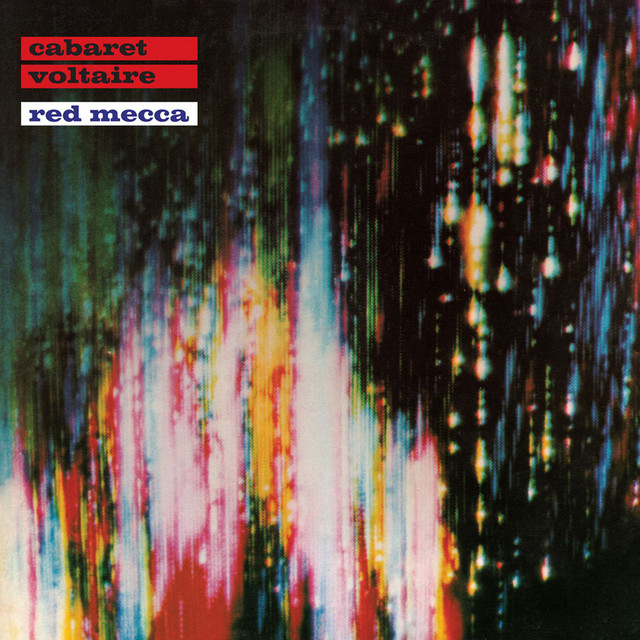
5. Red Mecca
Cabaret Voltaire, pioneers of industrial electronics, delivered a bleak urban soundscape with *Red Mecca*. This isn't dance music; it's a relentless rhythmic assault built from tape loops, processed vocals, and cold, metallic synth lines. The studio itself became an instrument, bending and shaping sounds into a paranoid, propulsive vision of societal decay. Its influence on early techno and industrial is undeniable.
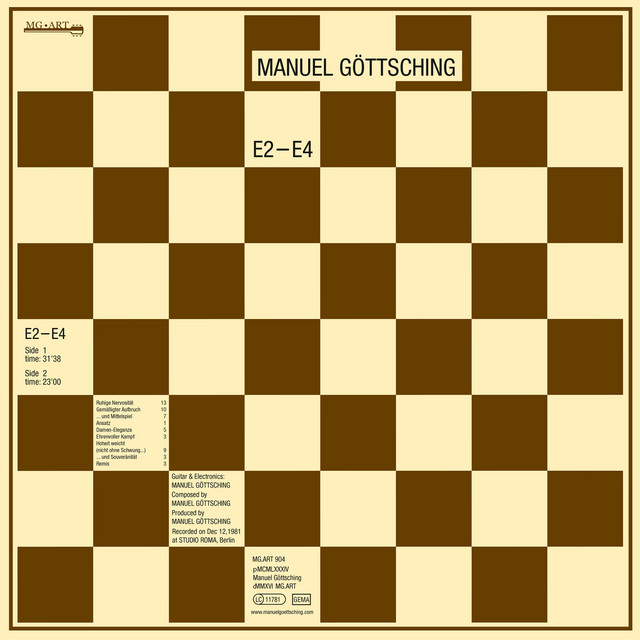
6. E2-E4 (Mixed)
Manuel Göttsching's *E2-E4* is a solitary, hour-long guitar and synthesizer improvisation that inadvertently laid groundwork for entire electronic genres. Its minimalist, repetitive structure, built from analog synth arpeggios and a sustained guitar motif, creates an almost meditative, hypnotic groove. Recorded entirely in one take, its organic development demonstrates the power of focused, pre-digital sonic exploration.

7. Seeing Through Sound (Pentimento Volume Two)
Emerging from the industrial crucible of Throbbing Gristle, Chris & Cosey crafted *Seeing Through Sound* as a more accessible, yet still experimental, electronic statement. Propulsive rhythms drive often unsettling synth melodies and Cosey Fanni Tutti’s distinctive vocals. It’s a fascinating exploration of electronic pop's darker corners, proving that innovation didn't need to sacrifice atmosphere for accessibility.
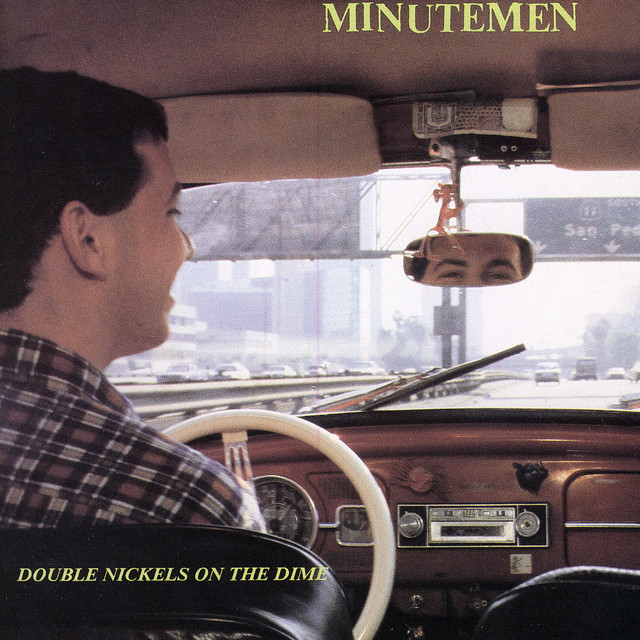
8. Double Nickels on the Dime
The Minutemen's sprawling masterpiece is a testament to punk's intellectual and musical potential. Fusing hardcore energy with jazz, funk, and country inflections, D. Boon's guitar work, Watt's bass, and Hurley's drumming create an idiosyncratic, tight sound. Its raw, unvarnished production captures the band's relentless creativity, proving that brevity and complexity could coexist without compromise.
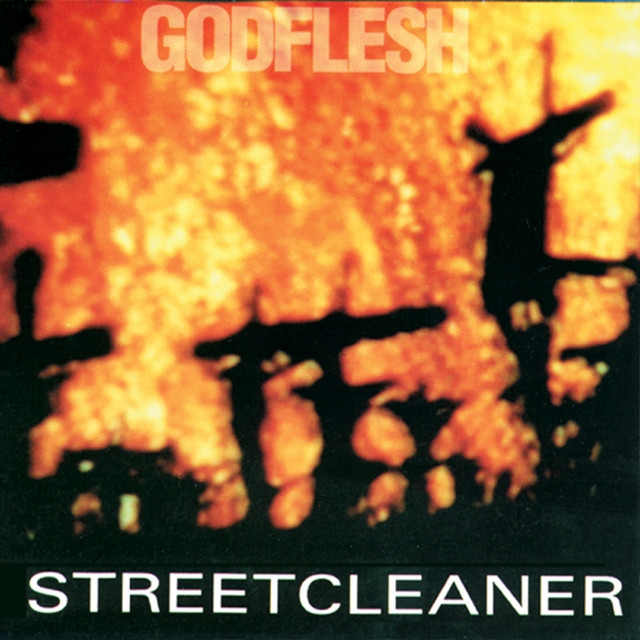
9. Streetcleaner
Godflesh's *Streetcleaner* is a monolithic slab of industrial metal, a testament to sheer sonic brutality. Justin Broadrick’s downtuned, oppressive guitar riffs are anchored by a relentless drum machine, creating an atmosphere of urban decay and existential dread. This album single-handedly defined a subgenre, showcasing the power of pre-digital sequencing combined with crushing analog distortion. It’s utterly relentless.
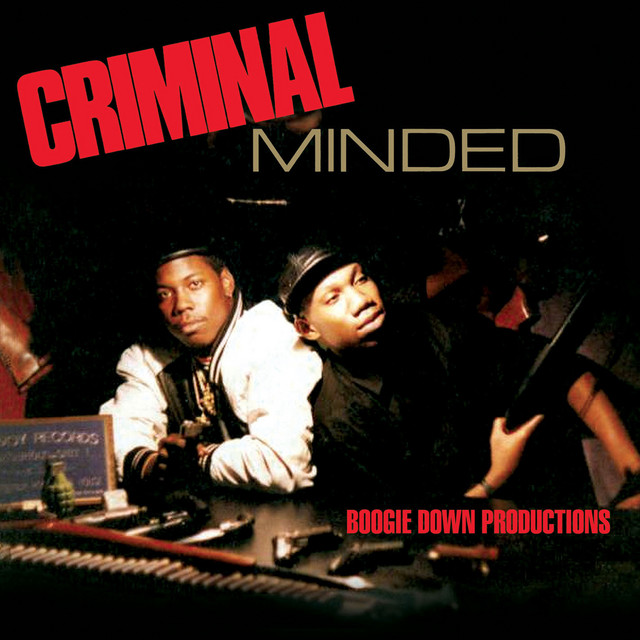
10. Criminal Minded (Deluxe)
KRS-One and Scott La Rock redefined battle rap and street narratives with *Criminal Minded*. The production, raw and sparse, relies on potent drum machines and precisely chosen samples, establishing a sonic blueprint for East Coast hip-hop. KRS-One’s intellectual yet aggressive lyrical delivery, coupled with La Rock’s innovative beats, created a foundational text for the genre’s golden era.
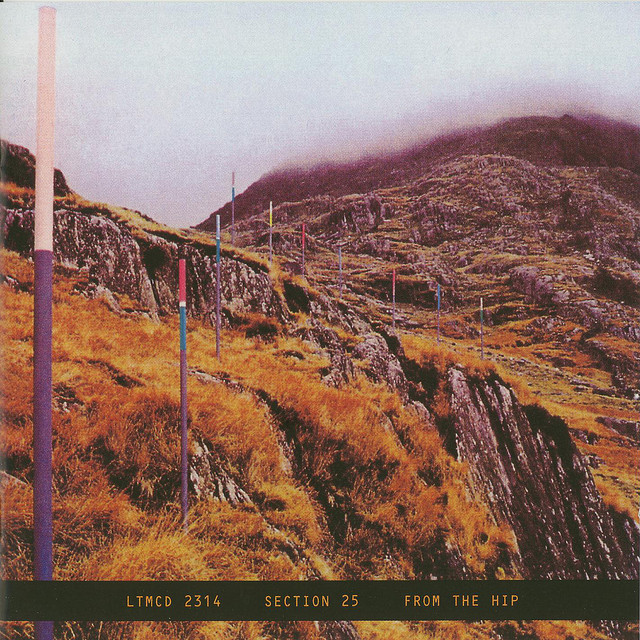
11. From The Hip
Section 25’s *From The Hip*, under Bernard Sumner’s production, pivoted from their earlier post-punk to a more electronic, dance-oriented sound. It retains a melancholic coldwave aesthetic but integrates propulsive synth lines and drum machine rhythms. The analog warmth coupled with sparse arrangements created a distinctive, atmospheric electronic record that foreshadowed later techno and house developments.