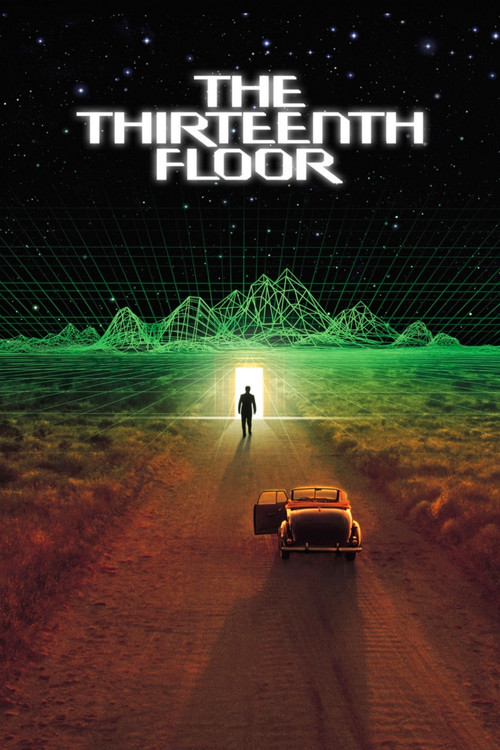
1. The Thirteenth Floor
This film blew minds back in the day, showing a layered simulated reality that felt so real. It questions what's authentic when narratives can be built digitally, layer upon layer. Think about VR environments today; this movie basically predicted how we might create entire worlds, letting stories unfold within endless virtual possibilities. It really makes you wonder about the very nature of our own existence and the stories we inhabit.
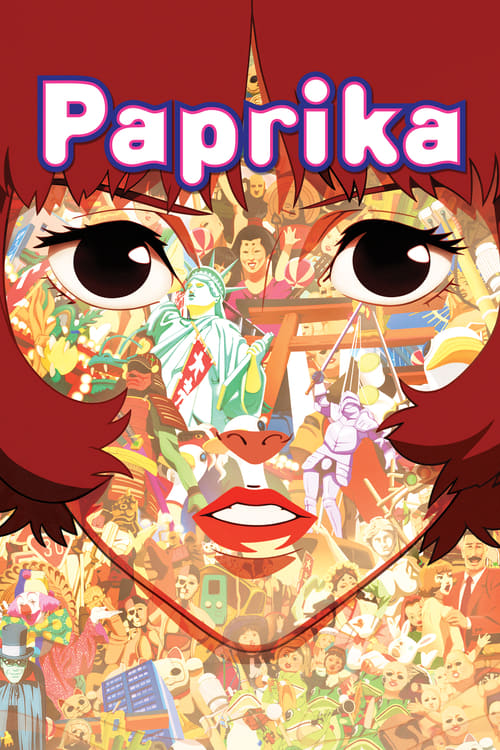
2. Paprika
Oh, this anime is a visual feast, diving headfirst into shared dreaming technology. It explores how our subconscious minds could become a shared canvas for storytelling, or even a battleground. Imagine AI crafting narratives directly into your dreams, blurring the lines between waking life and personalized, immersive experiences. It’s wild, showing how technology might unlock deeply personal, collective narratives.
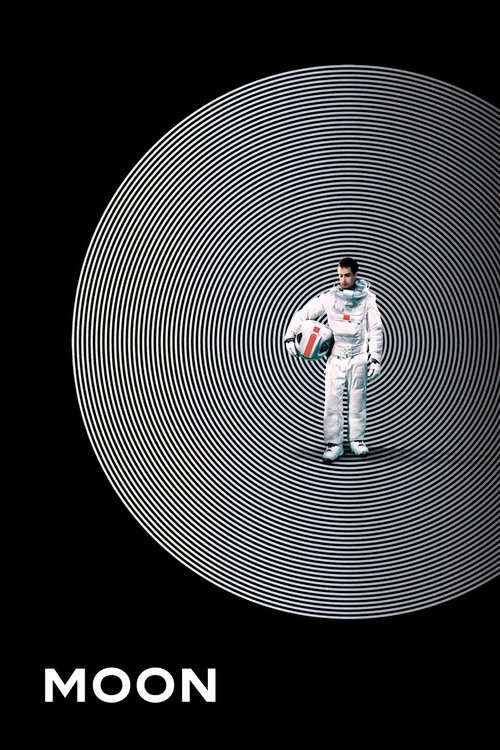
3. Moon
So, here’s a lonely astronaut, and an AI companion keeping him company. But the real narrative genius here is how it unravels identity through cloning and corporate secrets, all within a confined space. It makes you think about AI not just as a tool, but as a key player in shaping personal stories, or even distorting them. Plus, it’s a masterclass in minimalist, high-impact storytelling.

4. Coherence
This movie is a trip! A dinner party turns into a mind-bending puzzle when a comet passes overhead, messing with reality. It’s super clever in showing how narrative can splinter, with multiple versions of characters and events existing simultaneously. It hints at what future content might look like: interactive, quantum narratives where your choices or just plain cosmic weirdness lead to infinite story paths.

5. Upstream Color
This one's an experience, more than a traditional story. It’s hypnotic, using abstract visuals and sensory details to convey a narrative about shared consciousness and identity. It makes you consider how storytelling can move beyond linear plots, using immersive techniques and almost visceral feelings to communicate complex ideas. Future narratives might feel less like movies and more like waking dreams you participate in.
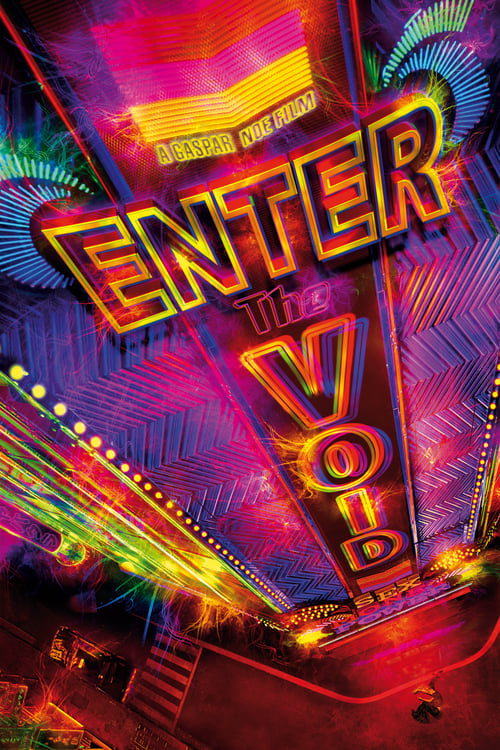
6. Enter the Void
Talk about immersion! This film puts you right into the main character’s perspective, even after death, with an out-of-body journey through Tokyo. It's almost a VR prototype, showing how stories can literally place you inside a character's head and soul. This kind of super-subjective storytelling, especially with VR headsets, could totally change how we experience narratives, making them deeply personal and immediate.
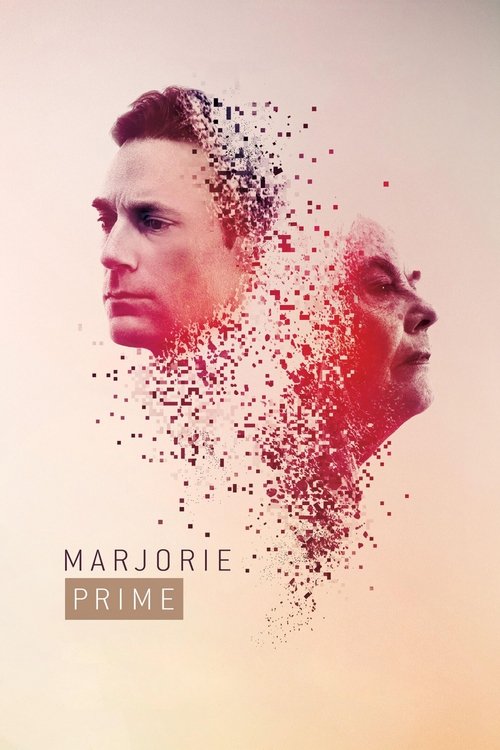
7. Marjorie Prime
This one hits deep. It explores how AI can replicate deceased loved ones, becoming a living memory bank. It’s not just about AI; it’s about how our personal narratives, our memories, can be curated and even subtly altered by technology. Imagine AI companions helping us process grief by keeping stories alive, or even evolving them. It's a poignant look at digital immortality and storytelling.
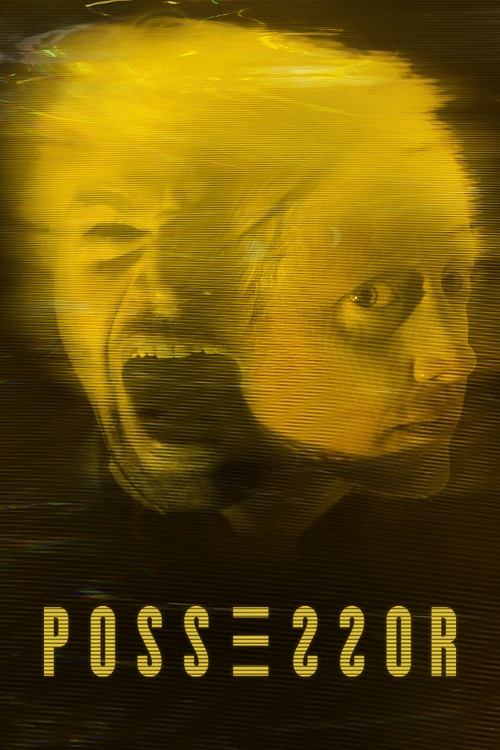
8. Possessor
Whoa, this film is intense! It’s about assassins who take over other people's bodies, blurring identity in the most visceral way. It suggests a future where narratives could be experienced by literally inhabiting another's consciousness, their senses, their choices. This extreme form of immersive storytelling, though dark, points to a terrifyingly intimate way we might engage with future content and alter personal narratives.

9. Aniara
This is a melancholic journey on a space ark. When humanity faces endless void, VR becomes their only escape, their only narrative. It highlights how AI can create incredibly convincing virtual worlds, and how humans cling to these fabricated stories when reality is bleak. It’s a powerful, somber look at digital escapism and the lengths we'll go to find meaning, or just distraction, in narratives.
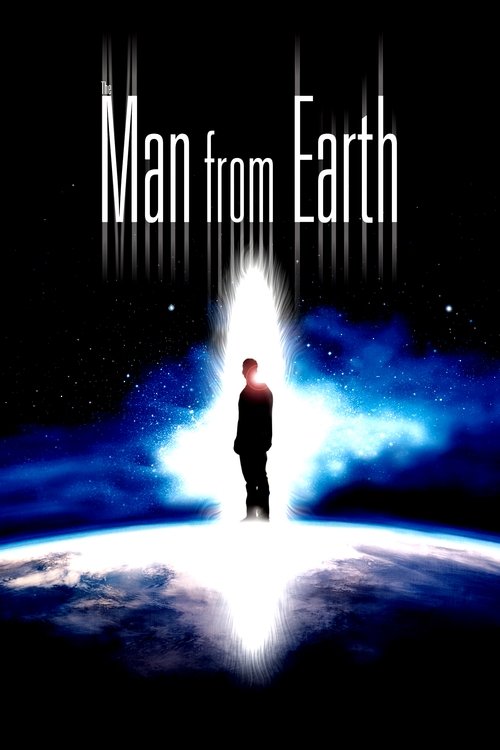
10. The Man from Earth
Okay, this one's different. It’s literally just a group of people talking in a room, but the story unfolds purely through dialogue. It proves that the most powerful narratives don't always need special effects or huge budgets; they just need an incredible story to tell. It reminds us that future content, even with all its tech, still needs that core human element of compelling verbal storytelling.
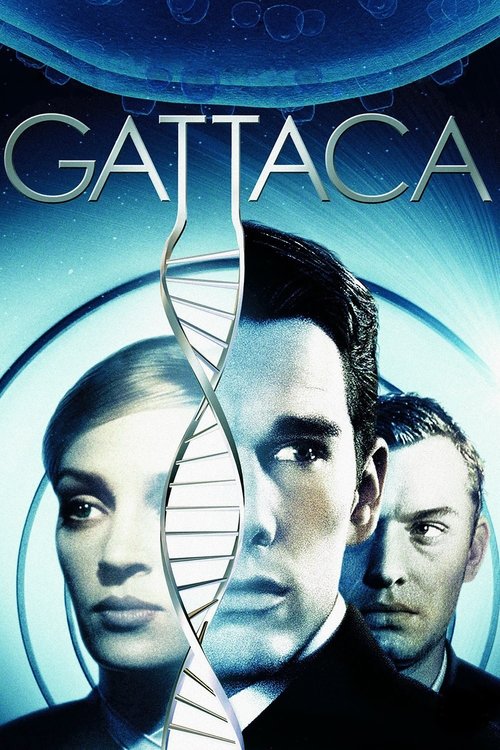
11. Gattaca
Even though it’s from '97, Gattaca feels super relevant. It shows a future where genetic engineering pre-determines lives, essentially writing your narrative before you even begin. It’s all about fighting against a pre-scripted destiny, proving that personal stories can still defy algorithms and societal expectations. It’s a hopeful reminder that human will can still forge unique paths, even in a data-driven world.