
1. Blade Runner
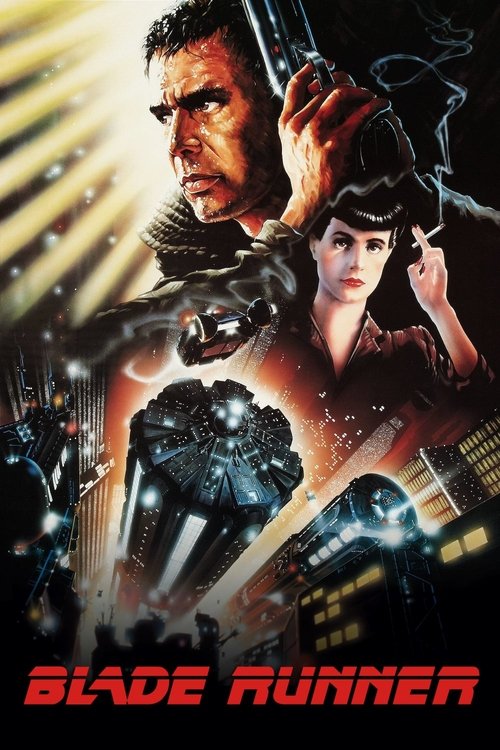
Ridley Scott's neo-noir masterpiece redefined science fiction, weaving a brooding tapestry of artificial intelligence and existential dread. Its rain-slicked, neon-drenched Los Angeles became a touchstone for dystopian aesthetics, profoundly influencing subsequent cyberpunk narratives. The film relentlessly interrogates what it means to be human, blurring the lines between creator and creation, memory and reality, leaving an indelible imprint on the cinematic imagination and sparking ceaseless debate over its ambiguous ending and thematic depths.
2. Citizen Kane
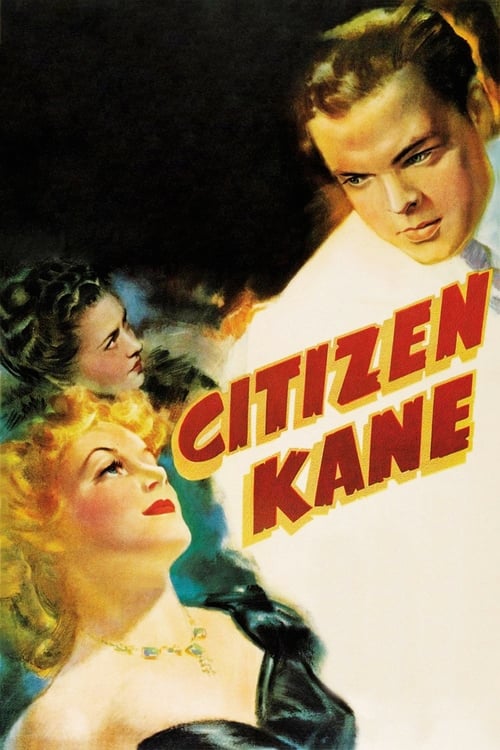
Orson Welles's directorial debut remains a towering achievement, a masterclass in narrative innovation and visual storytelling. Through its fragmented structure and groundbreaking cinematography, it dissects the elusive nature of memory and legacy, exploring the unraveling of an American media titan. Welles, as both auteur and actor, meticulously crafted a film whose influence permeates countless cinematic works, forever changing how stories could be told on screen and solidifying the director as the primary author of a film.
3. The Godfather
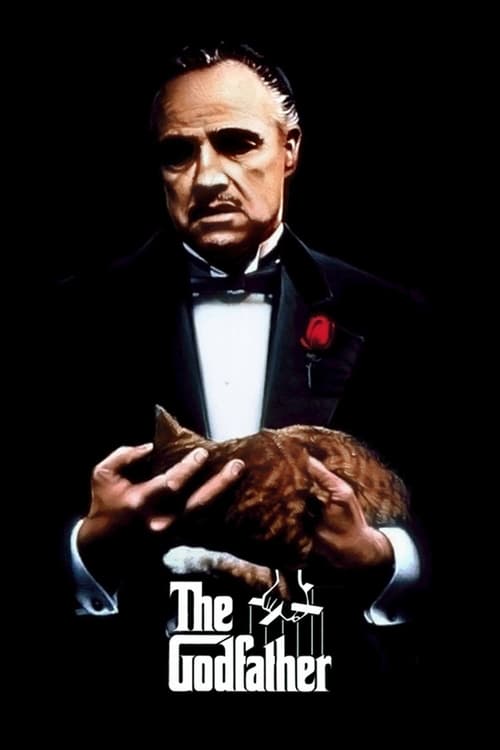
Francis Ford Coppola’s epic chronicle of the Corleone family transcends the gangster genre, offering a poignant, brutal exploration of power, loyalty, and the corrupting nature of the American Dream. Its operatic scope, coupled with Marlon Brando and Al Pacino’s iconic performances, meticulously builds a world where familial bonds and ruthless ambition are inextricably linked. The film's profound influence on storytelling, character development, and genre conventions is undeniable, securing its place as a cornerstone of modern cinema.

4. Seven Samurai
Akira Kurosawa’s monumental epic established a blueprint for countless ensemble action films, yet its brilliance lies beyond mere influence. It’s a profound meditation on social justice, leadership, and the transient nature of heroism, set against a backdrop of feudal Japan. Kurosawa masterfully choreographs dynamic action sequences with rich character development, demonstrating how a filmmaker can elevate genre conventions into timeless, universal human drama, reflecting on duty and sacrifice in a world of turmoil.

5. Persona
Ingmar Bergman’s stark, unsettling psychological drama is a profound exploration of identity, silence, and the merging of selves. Through its audacious visual language and minimalist narrative, it delves into the symbiotic relationship between an actress who has ceased to speak and her nurse. Bergman's radical experimentation with form and content forces viewers into an intimate, often uncomfortable, confrontation with their own perceptions of reality and selfhood, making it a cornerstone of experimental cinema.
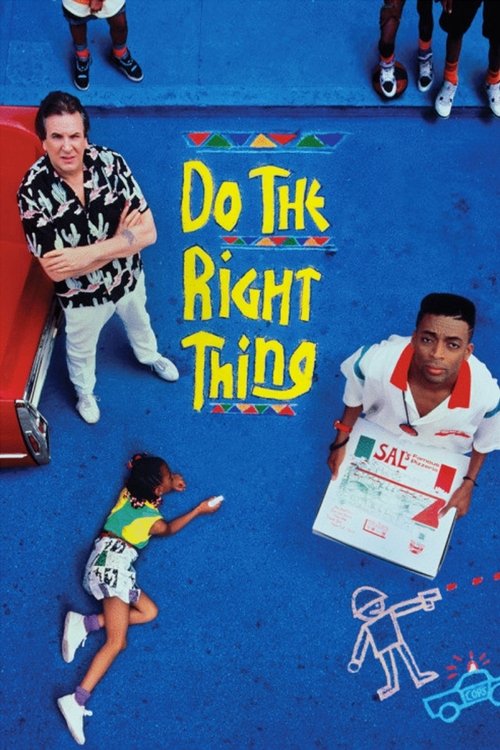
6. Do the Right Thing
Spike Lee's vibrant, incendiary portrait of a Brooklyn summer day escalating into racial tension is a masterclass in social commentary. With its bold aesthetic and pulsating soundtrack, the film unflinchingly examines prejudice, community dynamics, and the complexities of seeking justice. Lee’s directorial voice is unmistakable, prompting vital, often uncomfortable, conversations about systemic inequality and the breaking points within society, ensuring its continued relevance as a powerful cultural artifact.

7. Arrival
Denis Villeneuve’s contemplative science fiction film transcends typical alien invasion tropes, focusing instead on language, communication, and the profound impact of understanding across species and time. Amy Adams’s nuanced performance anchors a narrative that elegantly intertwines personal grief with universal philosophical questions about destiny and free will. Its innovative approach to storytelling and profound emotional resonance firmly positions it as a thoughtful, enduring contribution to the genre, encouraging a deeper look at humanity itself.
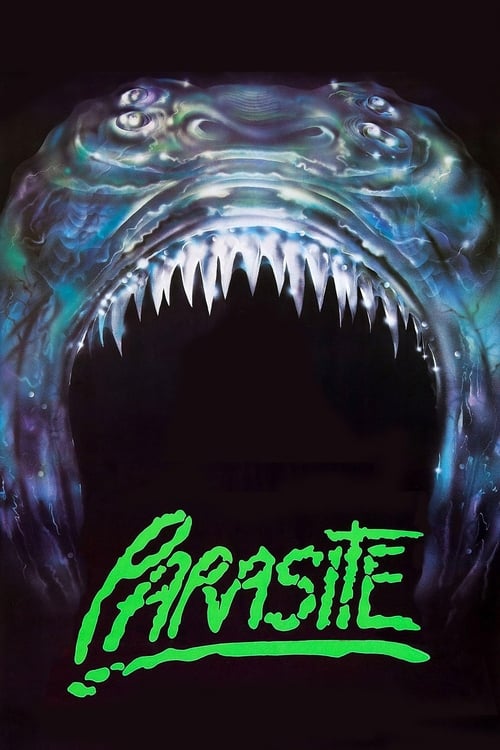
8. Parasite
Bong Joon-ho's razor-sharp social satire brilliantly dissects class warfare with a genre-bending narrative that shifts from dark comedy to chilling thriller. Its intricate plotting and meticulous visual storytelling expose the insidious realities of wealth disparity, highlighting the desperation and moral compromises exacted by systemic inequality. The film's global success underscores its universal resonance, proving that incisive social critique can also be profoundly entertaining and universally understood.
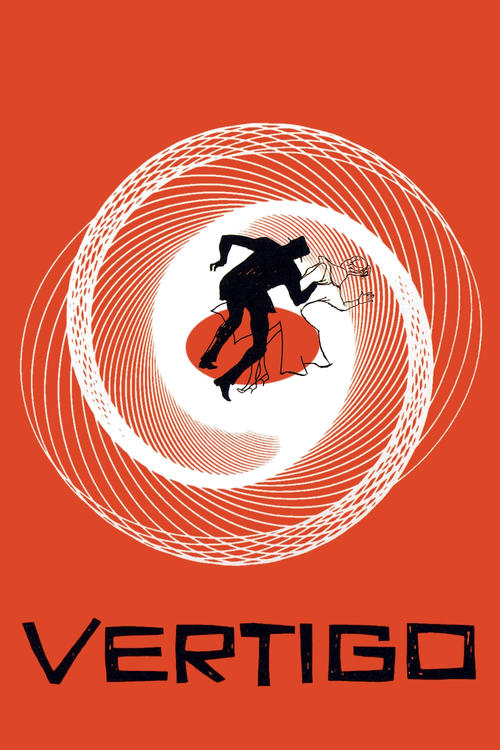
9. Vertigo
Alfred Hitchcock’s chilling psychological thriller is a mesmerizing descent into obsession, identity, and the male gaze. Its revolutionary use of cinematography, particularly the famous "Vertigo effect," amplifies the protagonist’s disorienting psychological state. Hitchcock masterfully manipulates audience perception, crafting a narrative that blurs reality and illusion, leaving a haunting impression of manipulation and tragic romance that continues to be analyzed for its complex thematic layers and visual ingenuity.
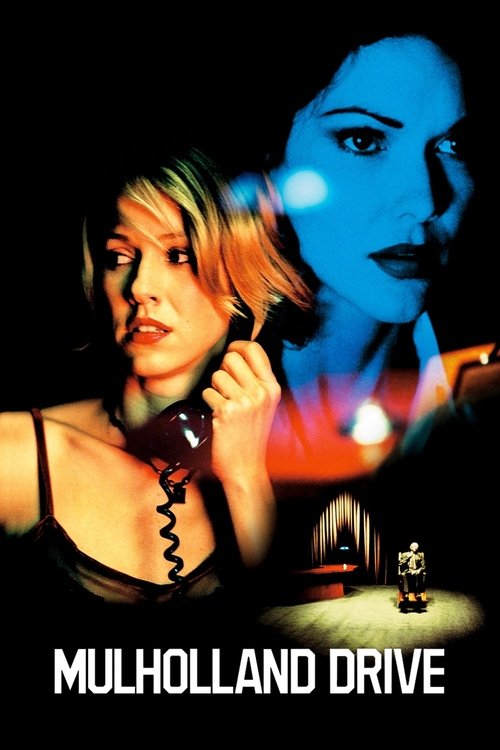
10. Mulholland Drive
David Lynch's labyrinthine neo-noir is a quintessential exploration of Hollywood's dark underbelly and the fractured nature of identity. Through its dream logic and non-linear structure, Lynch crafts a surreal, unsettling narrative that blurs fantasy and reality, desire and despair. It’s a film that demands multiple viewings, each revealing new layers of interpretation, cementing Lynch's status as a master of the subconscious and a purveyor of profoundly atmospheric, enigmatic cinema.
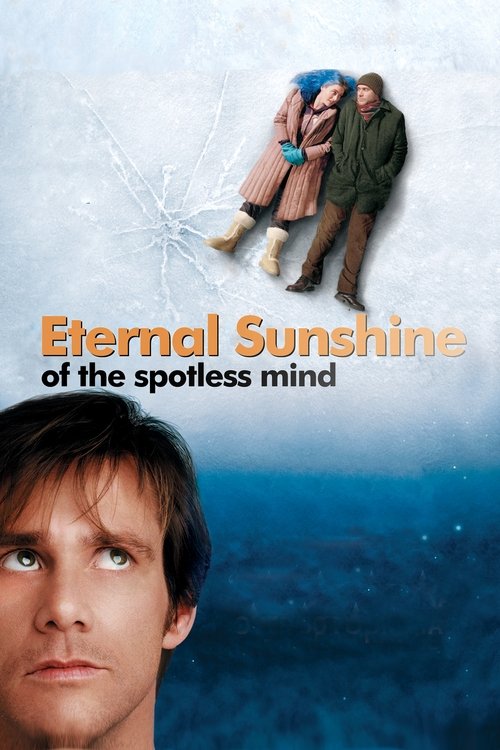
11. Eternal Sunshine of the Spotless Mind
Michel Gondry’s inventive exploration of memory, love, and loss is a poignant, surreal journey through the human psyche. Its non-linear structure mirrors the chaotic nature of recollection, as characters attempt to erase painful memories of a failed relationship. Charlie Kaufman’s ingenious script, combined with Gondry’s whimsical visual style, creates a deeply emotional and intellectually stimulating experience, questioning the true value of forgetting and the enduring power of connection.