


1. FLASHING LIGHT
The Crusaders’ 1976 cut isn't just a groove; it's a masterclass in jazz-funk arrangement. Larry Carlton's guitar work weaves through Joe Sample's sophisticated keys, anchored by Stix Hooper's precise drumming. Recorded live to tape, its organic interplay and pristine analog production established a benchmark for instrumental prowess. This track exemplifies how deeply layered, technically proficient funk could define a decade before synths took over. It's a sonic blueprint.
2. Birdland
Weather Report's 1977 masterpiece is a vibrant tapestry of jazz-fusion. Joe Zawinul’s pioneering use of synthesizers, particularly the ARP 2600, sculpts its iconic melody, while Jaco Pastorius redefines the electric bass with melodic counterpoints. This wasn't merely virtuosity; it was a cohesive, jubilant composition captured with meticulous pre-digital studio craft, pushing the boundaries of instrumental music into uncharted, accessible territory.

3. Third Uncle
Brian Eno’s 1974 track from *Taking Tiger Mountain (By Strategy)* is a manic, angular art-rock blueprint. Its restless energy, propelled by Phil Manzanera’s spiky guitar riffs and Eno’s distinctive vocal delivery, feels simultaneously psychedelic and proto-punk. The raw, immediate production captures a kinetic tension, anticipating the jagged edges of post-punk while retaining a uniquely Eno-esque experimentalism. It’s a beautifully fractured sonic transmission.

4. Blue Monday
New Order's 1983 epic shattered expectations, a cold, mechanical dance floor behemoth born from pre-MIDI sequencing. Its revolutionary drum machine programming, particularly that Linn LM-1, laid the rhythmic foundation for generations of electronic music. Bernard Sumner’s detached vocals float above a relentless, precise groove, crafting an almost industrial-pop aesthetic. This wasn't just a song; it was a manifesto for the future of synthetic sound.

5. Bela Lugosi's Dead (The Hunger Mix)
While the original is the defining goth anthem, this 1983 remix for *The Hunger* film intensifies Bauhaus's atmospheric dread. Peter Murphy’s theatrical baritone and Daniel Ash’s echoing guitar textures are enveloped in deeper reverb and expanded space. It’s a masterclass in analog atmosphere, where sustained tension and shadowy production create an almost tangible sense of existential gloom, solidifying the band’s dark legacy.
6. Warm Leatherette
Grace Jones’s 1980 cover is a stark, industrial-tinged post-disco marvel, entirely reimagined by Sly & Robbie’s visionary rhythm section at Compass Point. The sparse, almost metallic percussion and dub-inflected bassline create a cold, compelling groove. Jones’s detached, authoritative delivery transforms the original’s neuroticism into something powerfully chic and unsettling. It’s a testament to analog production’s ability to conjure futuristic dread.
7. ANGEL OF DEATH
Slayer’s 1986 *Reign in Blood* opener is pure, unadulterated thrash metal fury. Dave Lombardo’s machine-gun drumming and Kerry King’s relentless, technically precise riffs operate at a blistering velocity previously unheard. The raw, aggressive analog production amplifies its visceral impact, creating a sonic assault that redefined extremity in heavy music. It remains a landmark of speed, aggression, and uncompromising power.

8. Thieves Haven
Cabaret Voltaire’s 1979 track is a stark, unsettling glimpse into early industrial music’s rhythmic core. Utilizing found sounds, crude electronics, and insistent, repetitive percussion, it constructs a dense, mechanical soundscape. This wasn’t about melody but texture and atmosphere, pushing boundaries with its raw, abrasive analog production. It exemplifies a challenging, experimental approach that forged new sonic pathways for the avant-garde.

9. Police Story
Black Flag's 1981 track is a furious, distilled burst of hardcore punk's raw power. Clocking in at just over a minute, it’s a visceral assault of Greg Ginn’s angular, distorted guitar riffs and Dez Cadena’s snarling vocals. The production is deliberately unpolished, capturing the band’s unbridled aggression and urgency. It perfectly embodies punk’s explosive, no-frills ethos, a pure shot of adrenaline.
10. Can You Feel It
Larry Heard, as Mr. Fingers, crafted this 1986 masterpiece, essentially inventing deep house. Its atmospheric pads, bubbling bassline, and soulful synth melodies conjure a profound sense of warmth and introspection. Recorded with analog hardware, it merges electronic precision with human emotion, demonstrating house music’s capacity for beauty and depth beyond the dancefloor. This track is pure, unadulterated sonic soul.
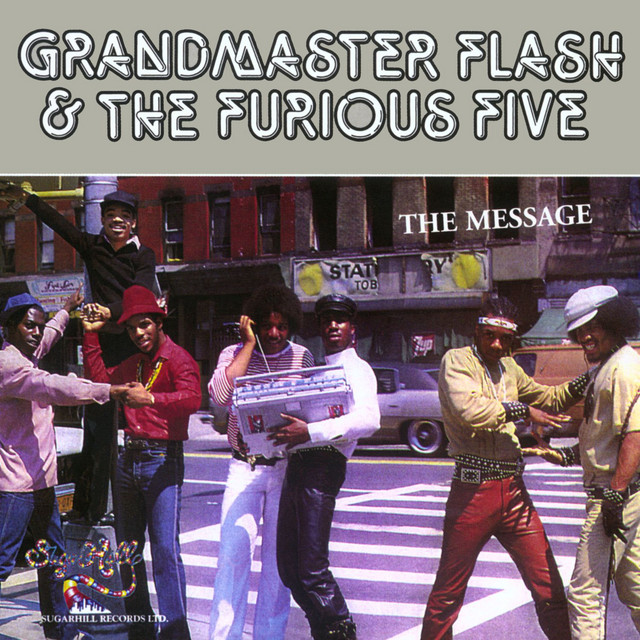
11. The Message
Grandmaster Flash & The Furious Five’s 1982 opus redefined rap, shifting its focus from party anthems to stark social commentary. Melle Mel’s urgent delivery over that iconic, gritty breakbeat and synthesized bassline painted a vivid, unflinching picture of urban decay. Its analog production captures the raw immediacy, demonstrating rap’s potential as a powerful vehicle for truth. This track changed everything.