1 / 11
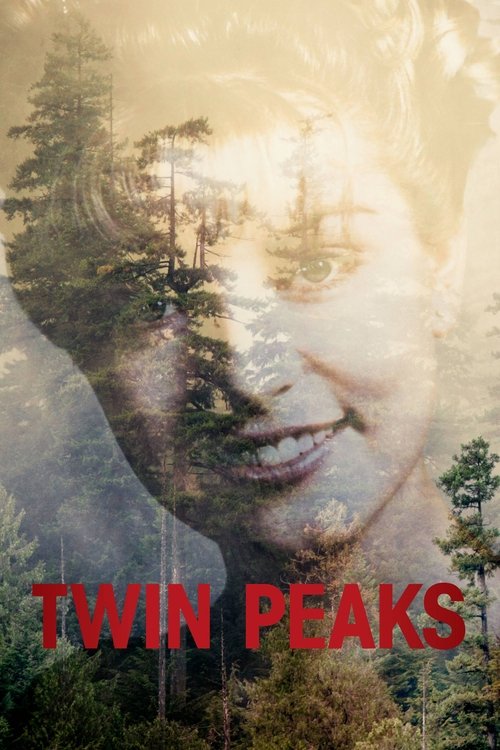
1. Twin Peaks
David Lynch took network television to places it had no business going. "Who killed Laura Palmer?" became the water cooler question, but it was the surreal atmosphere, the quirky townsfolk, and the cinematic scope that truly redefined what a prime-time drama could be. It proved audiences were ready for complex, serialized narratives that didn't spoon-feed answers. A groundbreaking, unsettling trip.
2 / 11
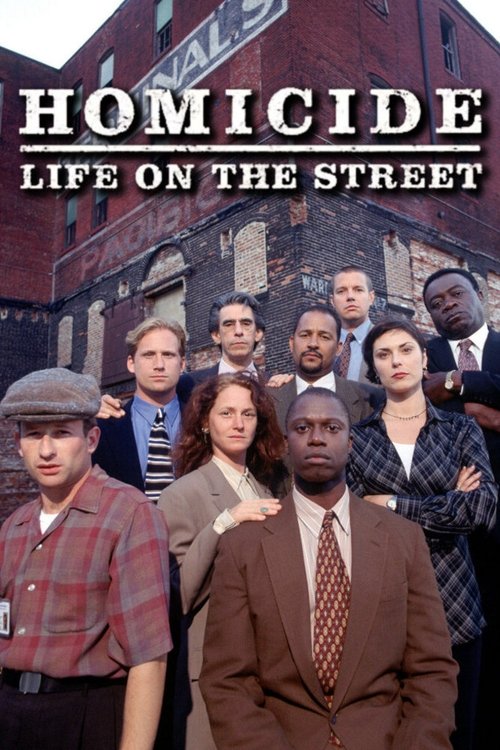
2. Homicide: Life on the Street
Barry Levinson and Tom Fontana brought a raw, documentary-like intensity to this police procedural. The jump cuts, the overlapping dialogue, the sheer moral ambiguity of its detectives working the "red ball" cases in Baltimore – it felt lived-in, not manufactured. It showed that network TV could do gritty, character-driven ensemble drama, laying groundwork for later cable hits by being unapologetically adult.
3 / 11
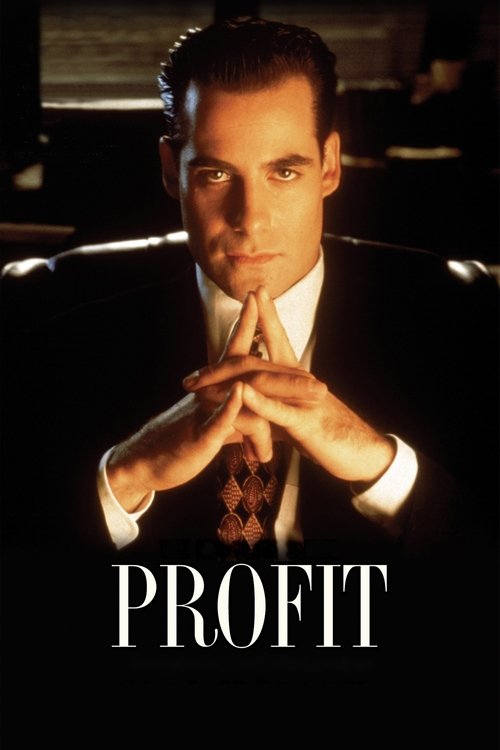
3. Profit
Fox greenlit this audacious series about Jim Profit, a corporate shark who'd literally kill to get ahead. It was darkly satirical, cynical, and utterly amoral, making Tony Soprano look like a choir boy. Too provocative for its time on network television, it lasted only a handful of episodes, but it showcased the burgeoning appetite for anti-heroes and explored the darker corners of human ambition.
4 / 11
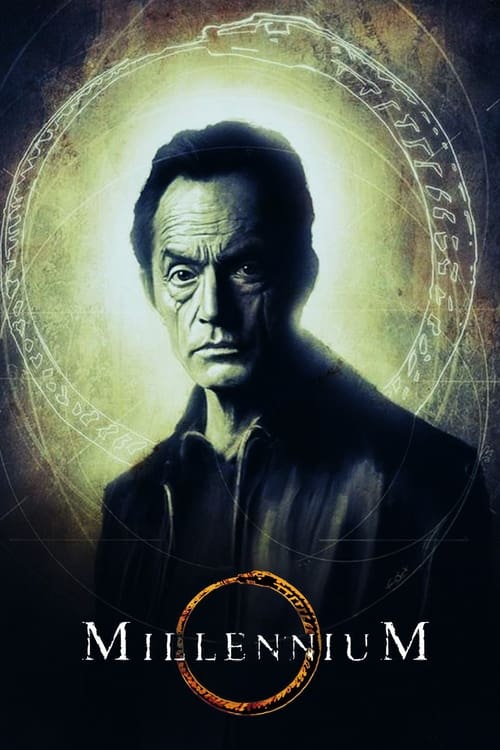
4. Millennium
Chris Carter's follow-up to *The X-Files* plunged into a much bleaker, more psychological world. Frank Black, a former FBI profiler, saw the darkness in humanity, battling serial killers and existential dread. It was intense, unsettling, and often horrifyingly prescient with its themes of societal decay and apocalyptic fears. A true cable-era sensibility, even if it aired on Fox, pushing primetime boundaries.
5 / 11
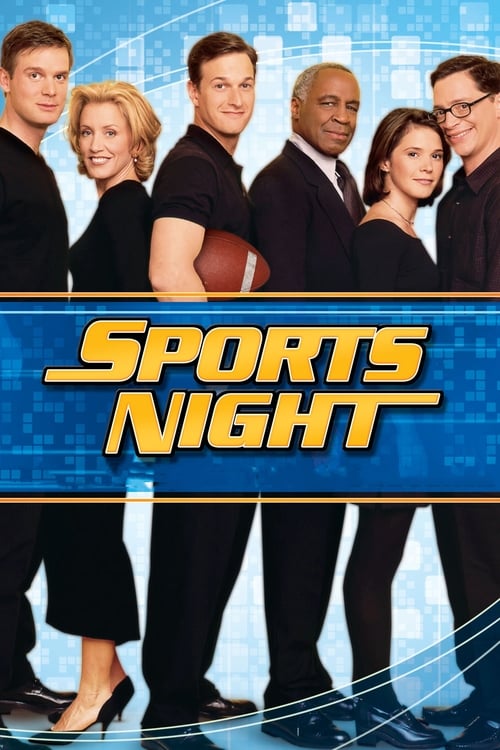
5. Sports Night
Before *The West Wing*, Aaron Sorkin perfected his signature rapid-fire dialogue and walking-and-talking in this workplace dramedy. Set behind the scenes of a cable sports news show, it blended sharp wit with genuine emotional depth, tackling professionalism, ambition, and personal struggles. It was a single-camera hybrid, a smarter, more adult take on the sitcom, proving that intelligence and character could drive a half-hour format.
6 / 11
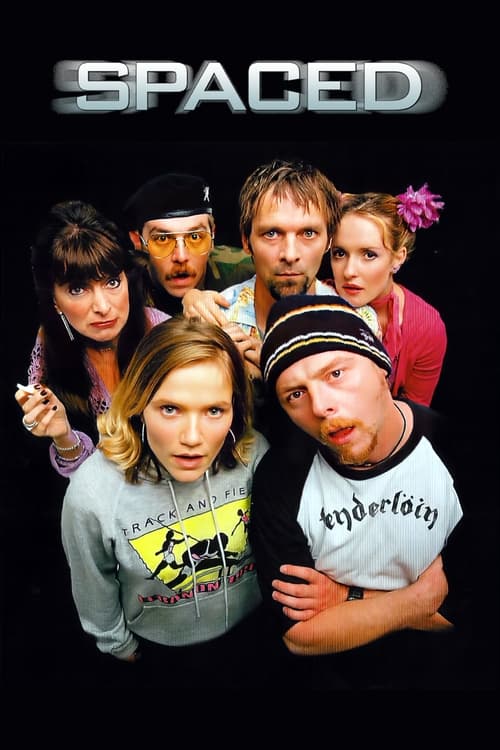
6. Spaced
Edgar Wright and Simon Pegg delivered a hyper-referential, visually inventive sitcom that felt like a love letter to cult movies, comics, and video games. It was a foundational text for a generation of pop culture-savvy creators and viewers, blending surreal humor with genuine character moments. Its unique editing and genre-bending gags hinted at a more cinematic approach to comedy that would become commonplace.
7 / 11
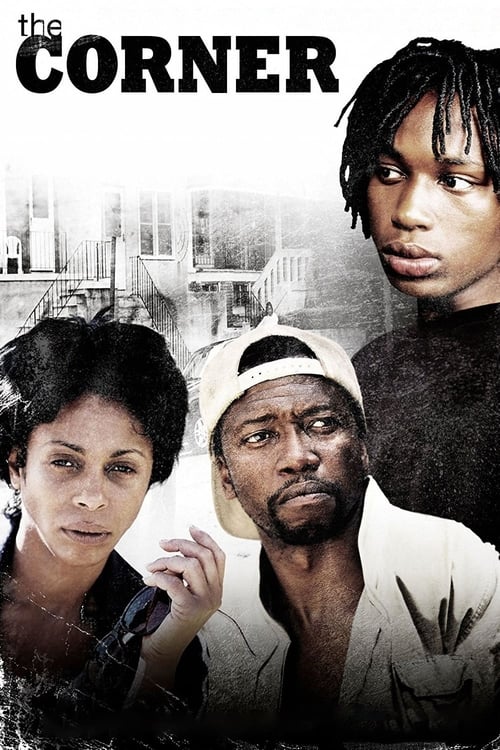
7. The Corner
This HBO miniseries, based on David Simon and Ed Burns' book, was an unflinching, quasi-documentary look at a family caught in the drug trade in West Baltimore. It wasn't just gritty; it was devastatingly real, portraying the systemic issues with stark honesty. It showcased HBO's commitment to prestige, adult drama and laid the absolute groundwork for *The Wire*, proving that television could achieve profound social commentary.
8 / 11

8. Six Feet Under
Alan Ball's post-*American Beauty* series was a masterclass in character study, using a family-run funeral home as a lens to explore life, death, and everything in between. It expertly blended dark humor with profound emotional depth, showcasing HBO's willingness to tackle taboo subjects with intelligence and nuance. This ensemble drama proved that complex, serialized storytelling could be both critically acclaimed and deeply personal.
9 / 11
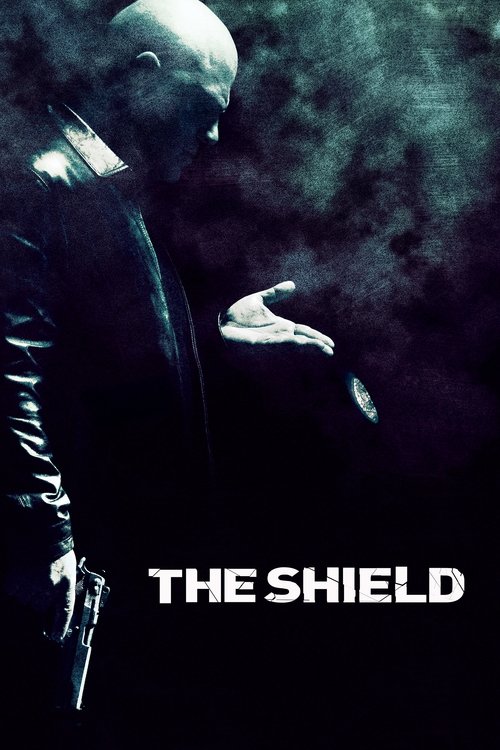
9. The Shield
FX truly arrived on the scene with *The Shield*, introducing Vic Mackey, a character so morally compromised he made network anti-heroes blush. This show was raw, violent, and unflinching, depicting a corrupt but effective strike team in a fictional L.A. district. It was a brutal, serialized crime drama that pushed boundaries, proving that basic cable could deliver prestige drama just as potent as its premium counterparts.
10 / 11
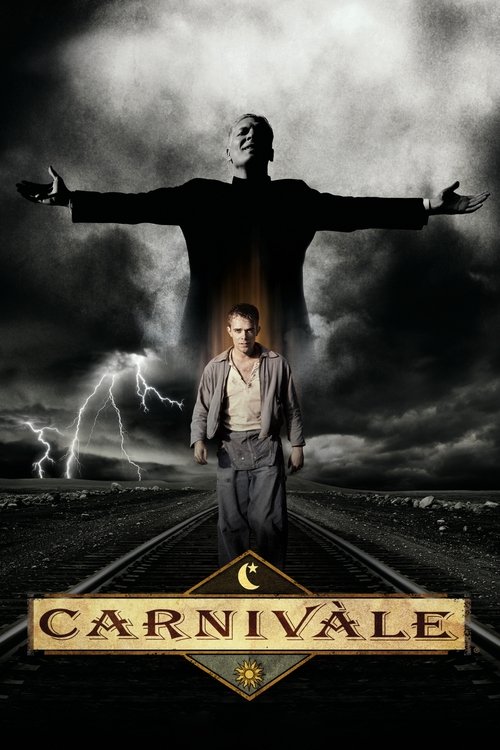
10. Carnivàle
Carnivàle was HBO's audacious, visually stunning dive into dustbowl-era dark fantasy and biblical allegory. With its sprawling cast, intricate mythology, and breathtaking production design, it was a bold swing that demonstrated television's growing cinematic ambition and willingness to invest in unique, challenging narratives. While its complex serialization left some bewildered, it remains a testament to cable's risk-taking era.
11 / 11

11. The Comeback
Lisa Kudrow and Michael Patrick King created Valerie Cherish, a washed-up sitcom star desperately clinging to relevance, in this painfully cringeworthy mockumentary. It was a sharp, satirical look at celebrity culture, reality TV, and the indignities of aging in Hollywood, often making viewers squirm. HBO embraced its uncomfortable humor, solidifying the mockumentary as a viable format for adult, serialized comedy.