
1. Dark City
Before *The Matrix* redefined science fiction cinema, Alex Proyas delivered *Dark City*, a subterranean neo-noir where an amnesiac awakens to a world manipulated by unseen forces. Its labyrinthine narrative and stunning gothic-futuristic aesthetic explore profound questions of identity, free will, and fabricated reality. This 1998 vision, brimming with existential dread and striking visuals, stands as a testament to intelligent genre filmmaking, influencing a generation of storytellers and deserving far more recognition for its daring originality.
2. The Conformist
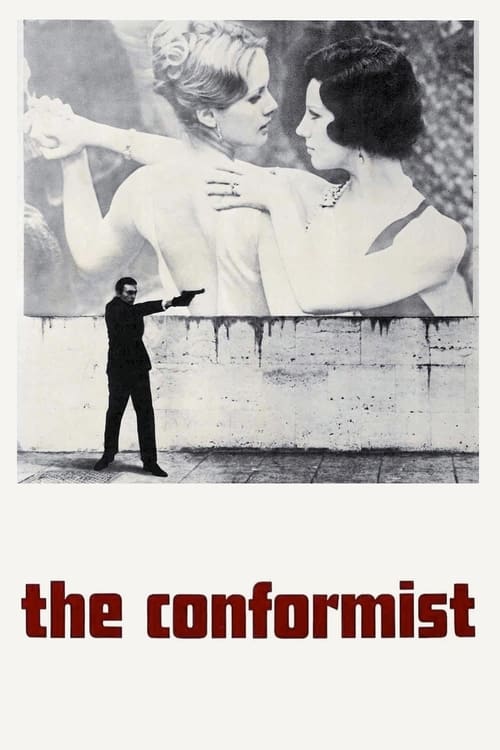
Bernardo Bertolucci’s *The Conformist* (1971) is a visually sumptuous, psychologically complex examination of fascism's seductive power, focusing on a man desperate to belong to the prevailing order. Vittorio Storaro's legendary cinematography paints a world of chilling grandeur and moral compromise, mirroring protagonist Marcello Clerici's internal struggle for normalcy amidst monstrous ideology. It's a masterful period piece that delves deep into the banality of evil, demonstrating how personal insecurity can lead to collective horror.
3. Come and See
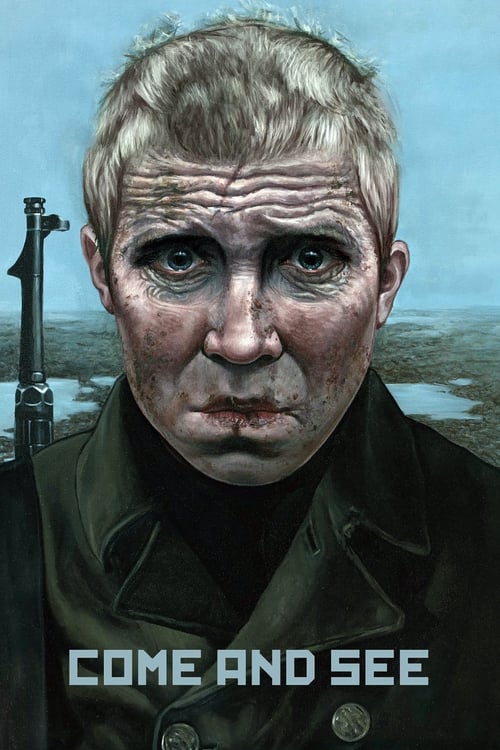
Elem Klimov's *Come and See* (1985) isn't just a war film; it’s a harrowing, visceral descent into the atrocities of World War II's Eastern Front, viewed through the eyes of a Belarusian boy. The film’s relentless, unflinching portrayal of genocide and psychological trauma is almost unbearable, yet utterly essential. It serves as a potent, unforgettable anti-war statement, employing a surreal, dreamlike quality that amplifies its horror, leaving an indelible mark on anyone who dares to witness its brutal truth.

4. Possession
Andrzej Żuławski’s *Possession* (1981) is an unhinged, operatic masterpiece of psychological horror, set against the backdrop of Cold War Berlin. Isabelle Adjani delivers one of cinema's most electrifying, terrifying performances as a woman unraveling amid a disintegrating marriage, manifesting her turmoil in monstrous ways. This film defies easy categorization, blending marital breakdown with surreal, body horror elements and political allegory. It is a profoundly disturbing, yet strangely compelling, exploration of human despair and obsession.
5. Picnic at Hanging Rock
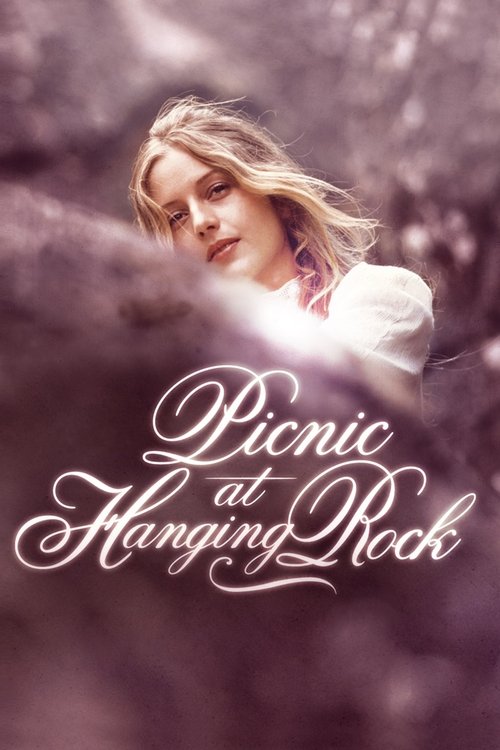
Peter Weir's *Picnic at Hanging Rock* (1975) is less a mystery to be solved and more an exquisite, unsettling mood piece. On Valentine's Day, 1900, a group of schoolgirls vanishes into the Australian bush, leaving behind only questions. The film luxuriates in its dreamlike atmosphere, using the vast, ancient landscape to swallow colonial innocence and expose underlying anxieties. Its elliptical narrative and stunning cinematography create a haunting, poetic experience that lingers long after the credits.

6. Le Samouraï
Jean-Pierre Melville’s *Le Samouraï* (1967) defines cool. Alain Delon stars as Jef Costello, a meticulously methodical, stoic hitman navigating a world of betrayals. Melville’s minimalist approach, stark cinematography, and almost ritualistic depiction of professional solitude influenced countless crime films and neo-noirs. It's a masterclass in visual storytelling, where every gesture and silence speaks volumes about honor, fate, and the lonely code of a man living by his own rules. A pure cinematic distillation of existential cool.
7. Eyes Without a Face
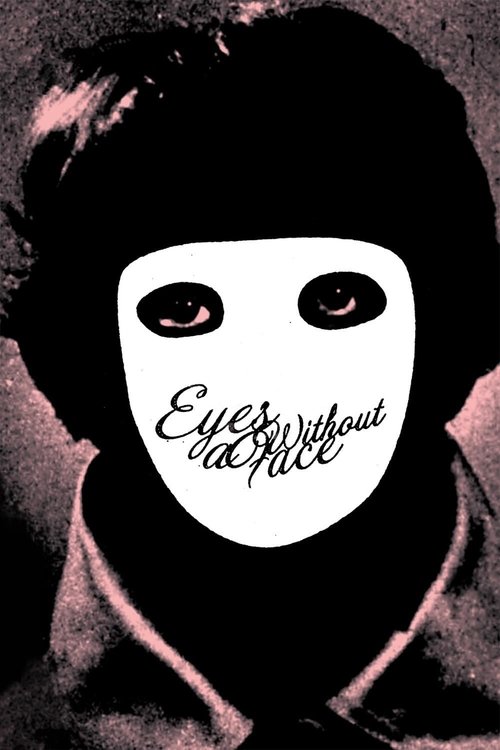
Georges Franju's *Eyes Without a Face* (1960) is a haunting, poetic horror film that predates much of modern body horror. A brilliant surgeon, driven by guilt, desperately tries to restore his daughter's disfigured face through grotesque experiments. The film's elegant black-and-white cinematography and dreamlike quality juxtapose its shocking surgical sequences, creating a unique blend of gothic romance and chilling scientific hubris. It’s a beautiful, tragic, and deeply unsettling exploration of obsession and identity.
8. The Ascent
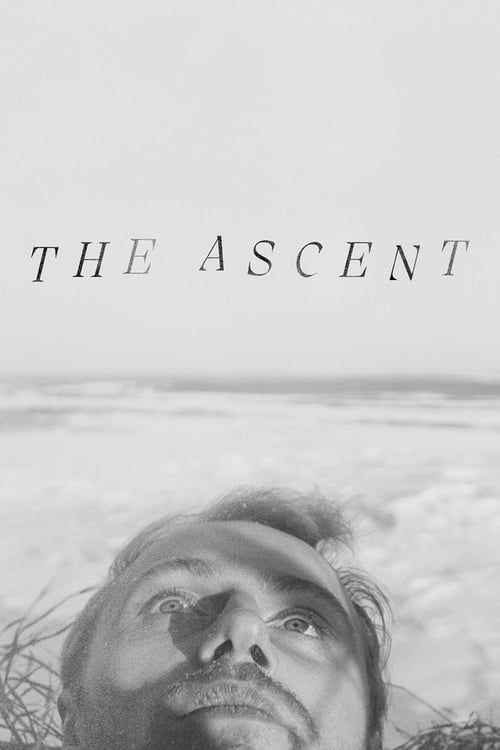
Larisa Shepitko’s *The Ascent* (1977), her final film, is a profoundly spiritual and bleak war drama. Set during World War II, it follows two Soviet partisans captured by the Nazis, exploring their diverging moral choices under unimaginable duress. Shot in stark black and white amidst a brutal, snowy landscape, the film transcends mere survival narrative to become a powerful allegory for faith, betrayal, and human dignity. It's a testament to endurance, both physical and moral, and a forgotten masterpiece.
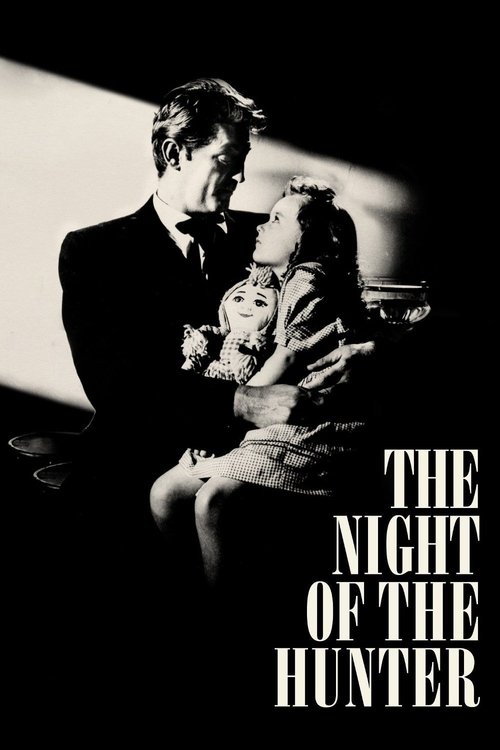
9. The Night of the Hunter
Charles Laughton's sole directorial effort, *The Night of the Hunter* (1955), remains a chilling, expressionistic American gothic masterpiece. Robert Mitchum’s performance as the terrifying, knife-wielding preacher Harry Powell, with "LOVE" and "HATE" tattooed on his knuckles, is iconic. It’s a dark fairy tale, seen through the eyes of terrified children, pitting innocent purity against monstrous evil. The film’s striking visuals, blending horror with lyrical beauty, create a timeless and profoundly unsettling cinematic experience.
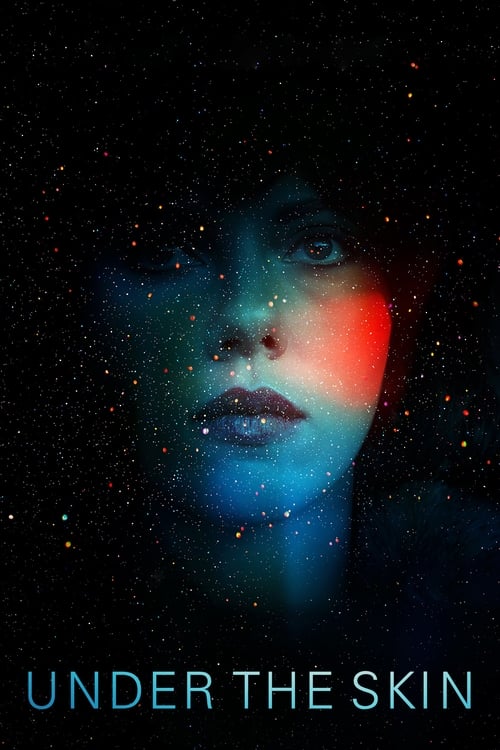
10. Under the Skin
Jonathan Glazer's *Under the Skin* (2014) is a hypnotic, unsettling piece of science fiction. Scarlett Johansson stars as an alien predator seducing men in Scotland, but her encounters slowly awaken something within her. The film operates on a visceral, experiential level, using stark imagery and an unnerving soundscape to explore themes of identity, empathy, and humanity from an outsider's perspective. It’s an artful, provocative, and deeply atmospheric work that eschews conventional narrative for pure sensation.

11. Primer
Shane Carruth’s *Primer* (2004) is the quintessential low-budget, high-concept indie film. Two engineers accidentally discover time travel, leading to a dizzyingly complex narrative that rewards multiple viewings. Carruth, who wrote, directed, produced, edited, and starred, crafts a meticulously detailed, scientifically plausible (to a point) puzzle box. It foregoes spectacle for intellectual rigor, forcing the audience to grapple with its intricate mechanics and moral implications, proving that groundbreaking sci-fi doesn't require a blockbuster budget.