

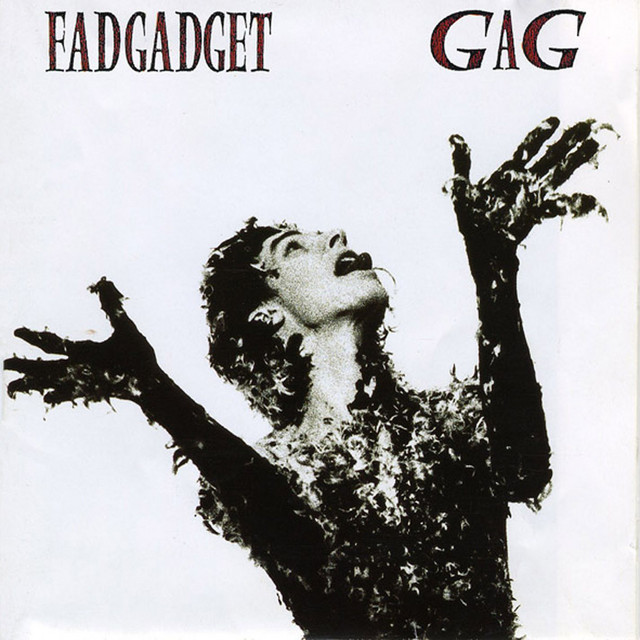
1. Gag
Fad Gadget’s 1985 statement was a masterclass in controlled chaos, a pre-digital industrial assault that still resonates. The sheer tactile quality of those layered, often abrasive, synthesized textures and raw percussion, all slammed onto tape, creates a palpable tension. It’s a testament to how much sonic landscape could be sculpted with analog gear and a genuine artistic vision, pushing boundaries without relying on sterile perfection. That stark, rhythmic drive remains incredibly potent.
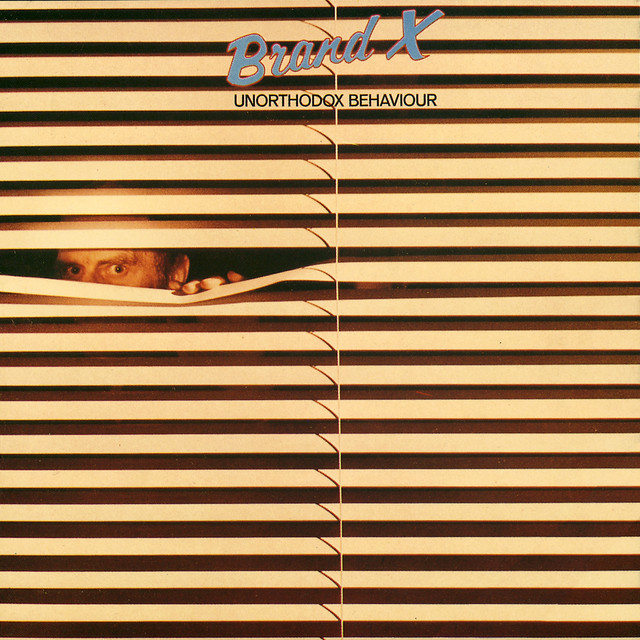
2. Unorthodox Behaviour
Brand X's 1976 debut is quintessential jazz-fusion, a vibrant tapestry woven from virtuosic interplay and the warm fidelity of analog recording. Phil Collins' drumming, along with Percy Jones' elastic bass, drives compositions that are both technically demanding and emotionally resonant. The improvisational spirit captured here, the way the instruments breathe together in that pre-digital space, showcases a level of musicianship and immediate sonic presence that feels almost lost today. It’s complex, yet utterly grooving.
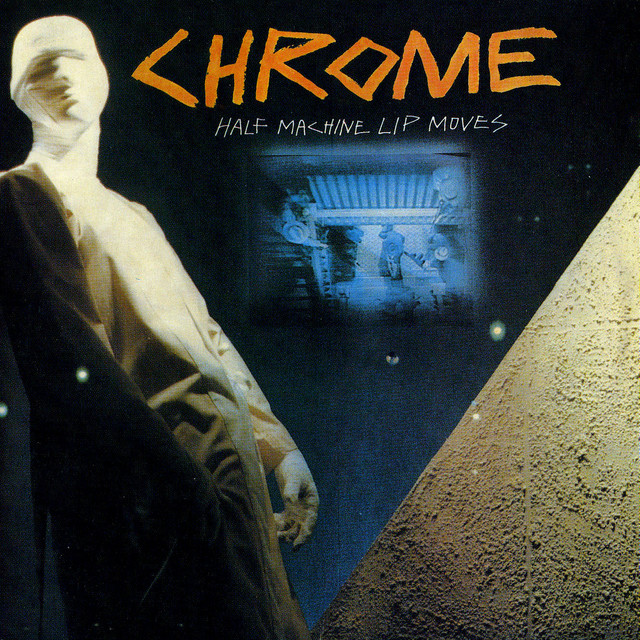
3. Half Machine Lip Moves / Alien Soundtracks
Suicide’s seminal 1977 release remains a chilling blueprint for minimalist electronic music and proto-industrial. Alan Vega’s confrontational snarl atop Martin Rev’s stark, pulsating rhythms generated by a rudimentary drum machine and analog synth is pure, unadulterated primal energy. This wasn't about pristine production; it was about raw impact, about stripping music down to its unsettling, hypnotic core. The lo-fi analog grit is integral to its unnerving, pioneering power.
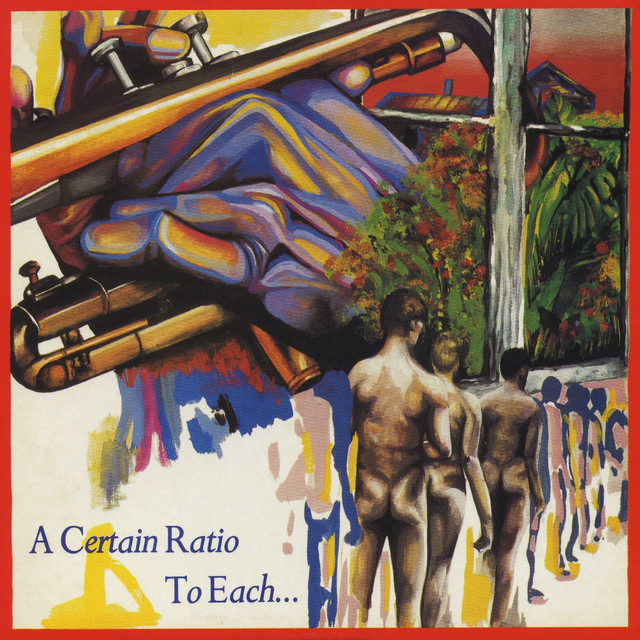
4. To Each
The Fleshtones’ 1981 record is a glorious, unpretentious blast of garage rock energy, infused with a distinct R&B swagger. It’s the sound of a band absolutely owning their space in the analog studio, capturing that loose, live feel with an infectious enthusiasm. The guitars snarl, the bass throbs, and the drums crash with an undeniable organic punch. This isn’t about studio trickery; it's about raw performance and the undeniable chemistry of four guys in a room.
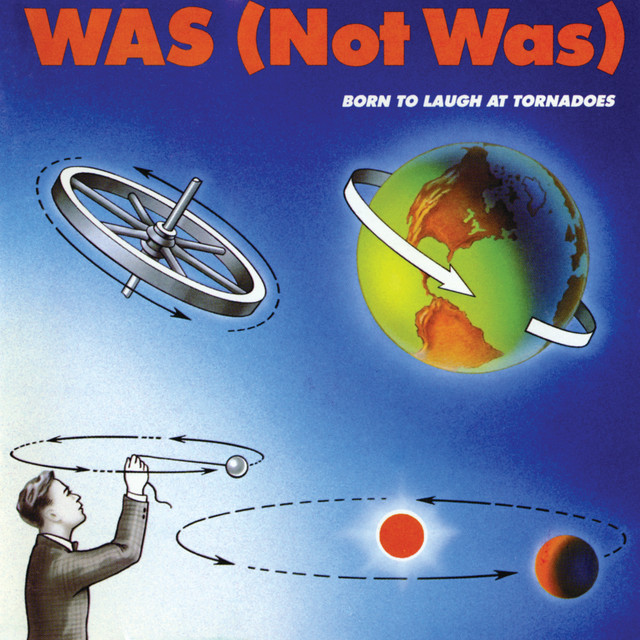
5. Born To Laugh At Tornadoes
Was (Not Was)'s 1983 album was a brilliant, often absurd, collision of funk, new wave, and art-rock. The production is rich and expansive, a testament to the possibilities of the analog studio in the mid-80s, where disparate elements could coalesce into something genuinely unique. It’s eclectic, daring, and surprisingly cohesive, with an undercurrent of sophisticated musicianship guiding its stylistic leaps. A truly adventurous record that still sounds fresh.

6. Feels Good to Me
Bill Bruford's 1978 solo debut, post-King Crimson and Yes, is a dazzling display of jazz-fusion and progressive rock acumen. His drumming, of course, is paramount, but the album's intricate compositions and the interplay among the musicians are equally compelling. Recorded with the meticulous detail characteristic of high-fidelity analog production, every nuance of his complex arrangements, from the vibraphone to the electric guitar, is captured with astonishing clarity and warmth.
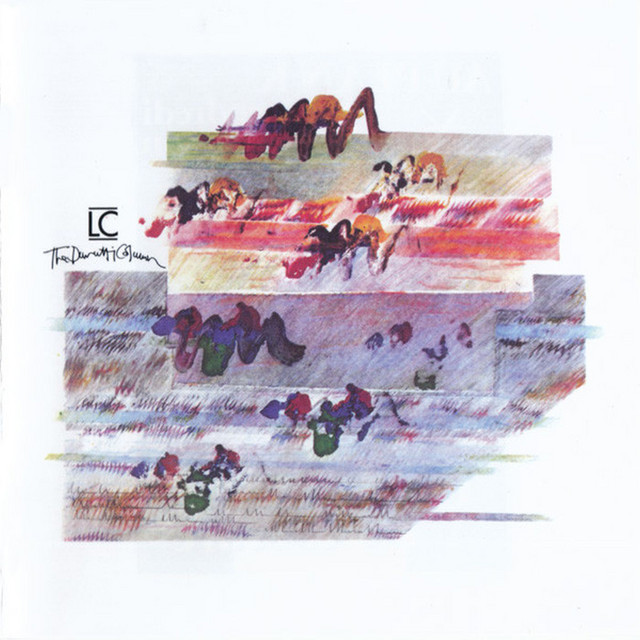
7. LC
The Durutti Column’s 1981 masterpiece is a lesson in understated beauty, a post-punk ethereal drift guided by Vini Reilly’s distinctively shimmering guitar. It’s an ambient landscape sketched with delicate strokes, where the analog reverb and delay trails feel as much a part of the composition as the notes themselves. This record epitomizes how emotional depth could be conveyed through texture and mood within the pre-digital studio environment, creating a melancholic, introspective world.

8. The Future Now
Peter Hammill’s 1978 solo effort is a brooding, intense piece of art-rock, showcasing his formidable lyrical and compositional skills. The raw, often stark, arrangements allow his powerful vocals and intricate guitar work to dominate, captured with a directness that only analog recording can truly deliver. It’s a deeply personal and often unsettling listen, a testament to an artist unafraid to confront dark themes with unflinching honesty and a masterful command of his craft.
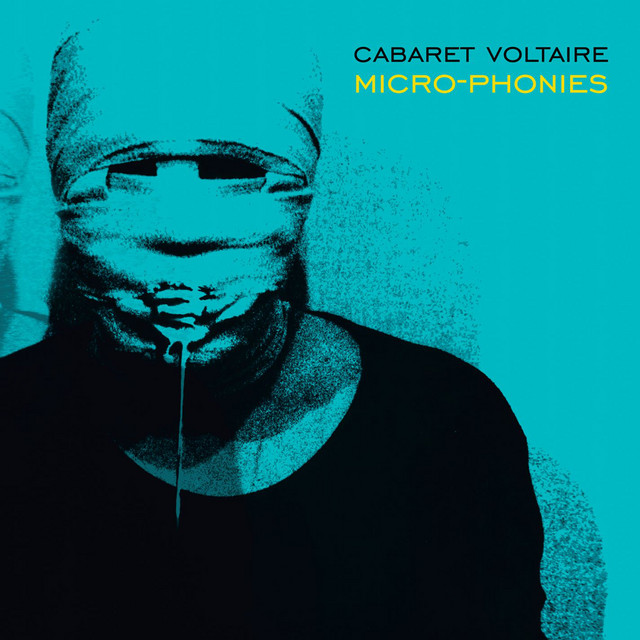
9. Micro-Phonies (Remastered Version)
Cabaret Voltaire’s 1984 foray into more structured electronic body music and industrial dance still pounds with an undeniable force. Even as a remastered version, the inherent mechanical precision of those early analog sequencers and drum machines shines through. The cold, rhythmic imperative, the sampled vocal snippets, and the sheer sonic aggression are all products of a pre-MIDI era that relied on ingenuity and a willingness to embrace the machine's inherent limitations for creative ends.
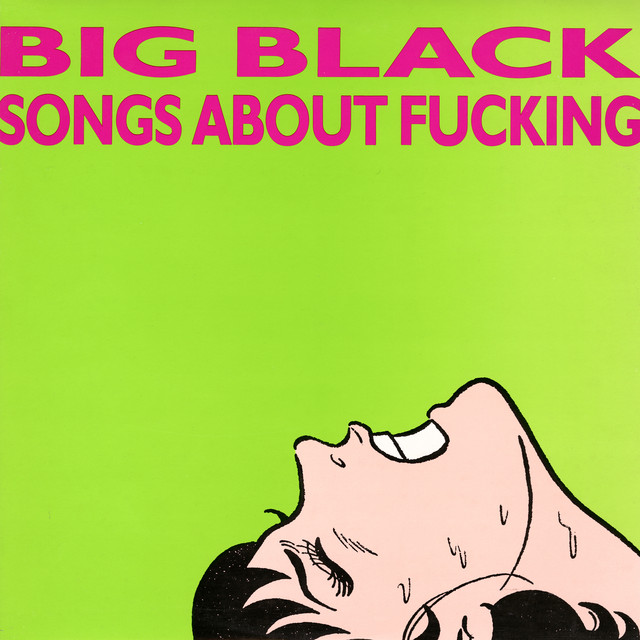
10. Songs About Fucking (Remastered)
Big Black’s 1987 record remains a brutally efficient slab of post-hardcore, marrying Steve Albini’s abrasive guitar with the relentless thump of a drum machine. The remastered version thankfully preserves the original's raw, unvarnished analog fidelity, which was crucial to its confrontational impact. This was music designed to assault, to grate, and its pre-digital production ethos—eschewing polish for sheer visceral power—is what makes it so incredibly effective and enduringly influential.
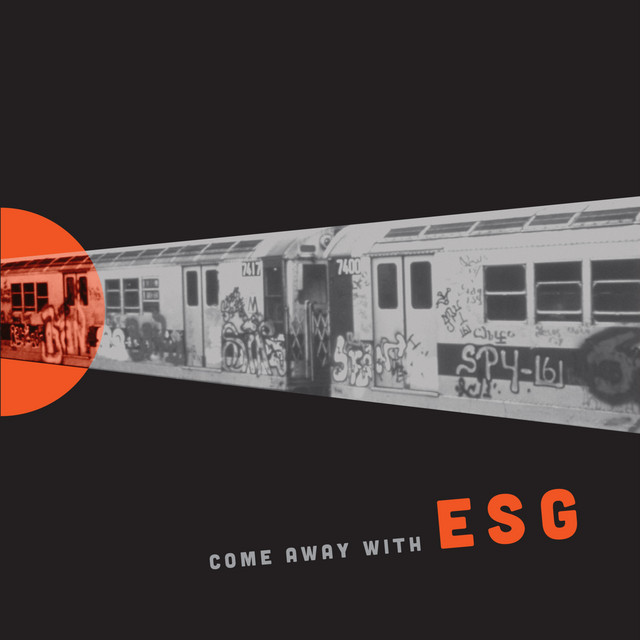
11. Come Away with ESG
ESG’s 1983 debut is a masterclass in minimalist funk and post-punk groove, built on infectious basslines and sparse, propulsive rhythms. Every element feels perfectly placed, yet spontaneously alive, a testament to the organic chemistry captured on analog tape. The raw, uncluttered production allows the hypnotic interplay between instruments to shine, proving that less truly can be more. It’s dance music stripped to its essential, irresistible core, profoundly influential and effortlessly cool.