
1. Anachronox
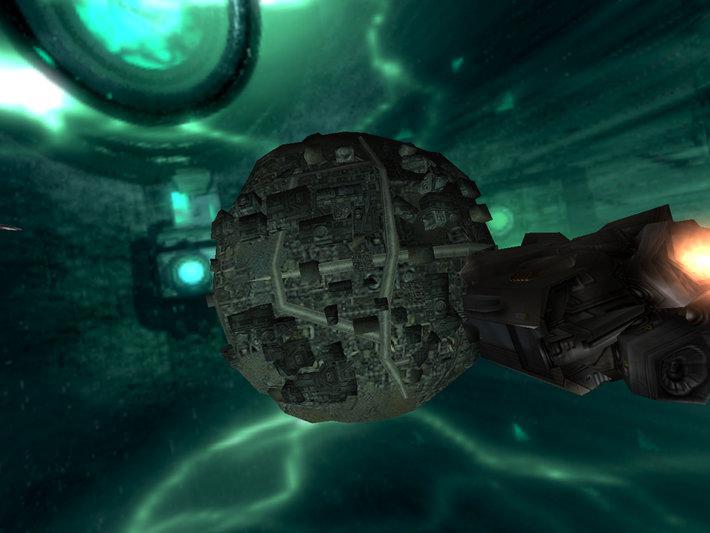
Man, Anachronox was something else. Ion Storm took a swing at a cinematic RPG, melding Western sensibilities with JRPG combat, and the result was pure, unadulterated charm. It was a technical mess and a commercial failure, sure, but its quirky characters, genuinely funny writing, and truly imaginative sci-fi world-hopping still resonate. This game tried things nobody else was doing, and that kind of fearless design is rare now, drowned out by safe bets and endless sequels. It proves vision still beats polish.
2. P.N.03
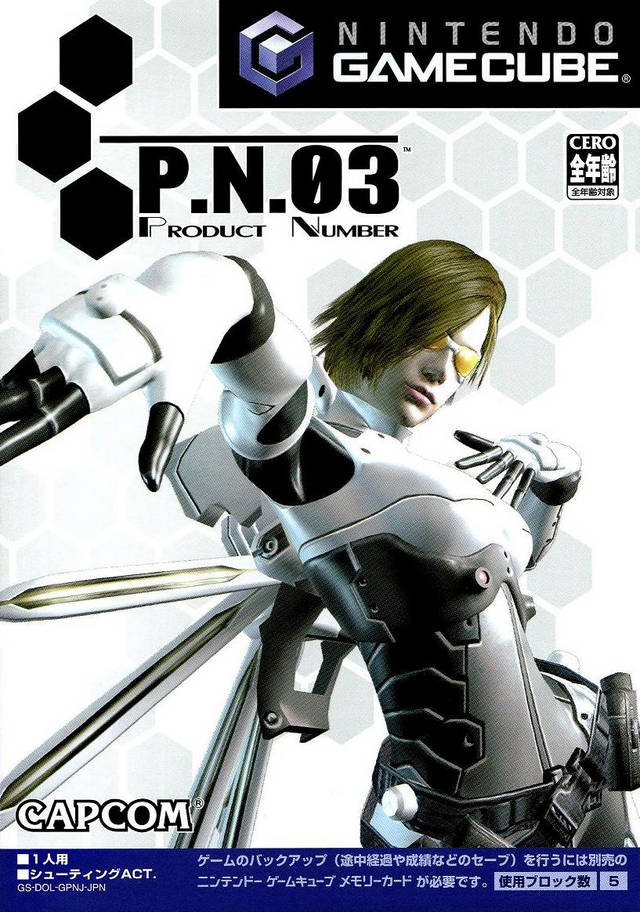
P.N.03, huh? Capcom and Mikami dropped this on the GameCube, and it was... a lot. People hated the control scheme, how you had to stop to shoot, but that was the point, wasn't it? It was a rhythm game in shooter's clothing, demanding precision and pattern recognition over spray-and-pray. The sterile, almost fashion-show aesthetic and minimalist storytelling felt alien then, but it’s exactly that kind of bold, unapologetic design that feels missing from today's focus-tested blockbusters. It dared to be different.
3. Jade Empire
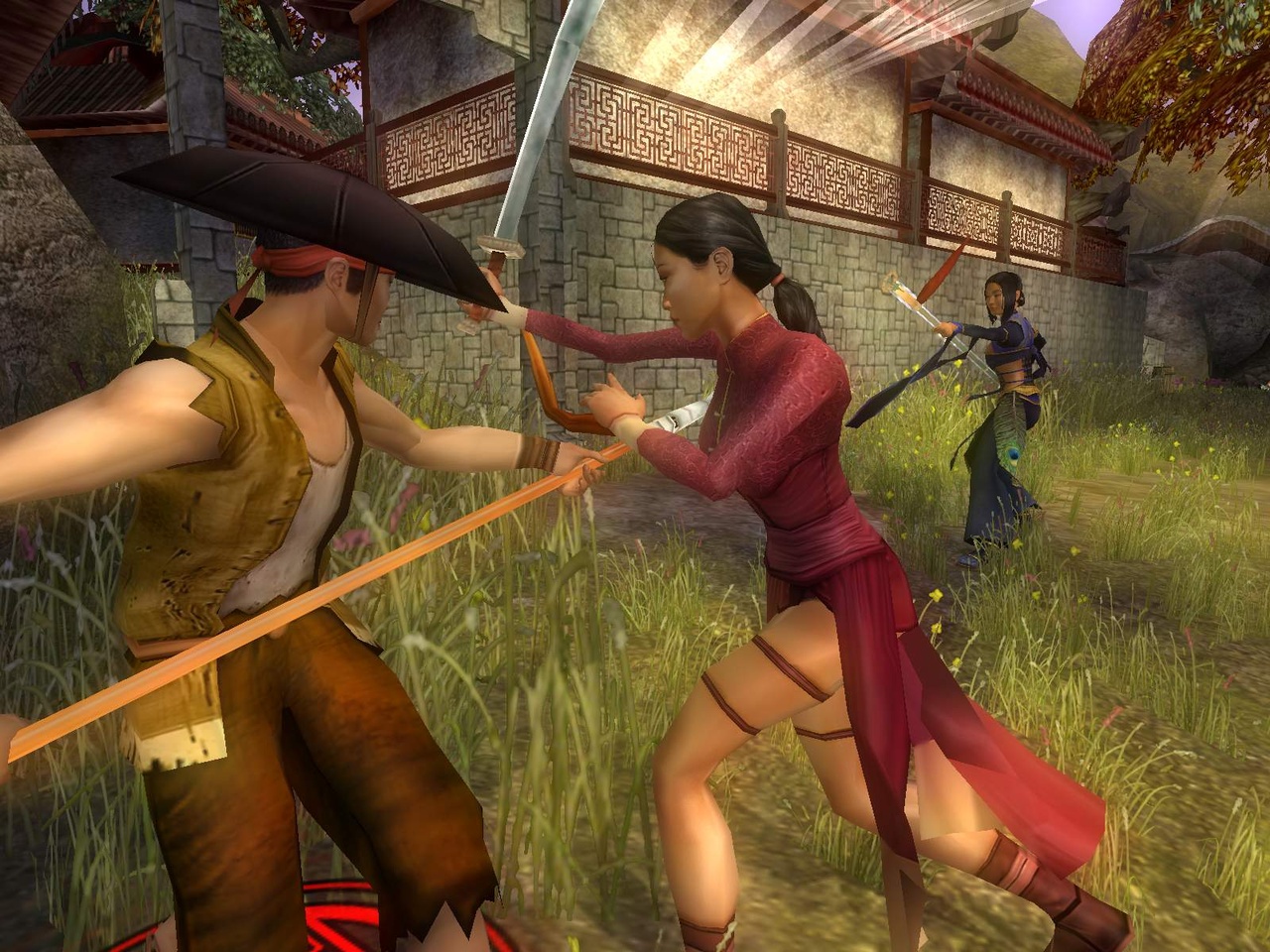
BioWare, pre-Mass Effect saturation, gave us Jade Empire. This game was a genuine attempt at something new, steeped in martial arts lore and Eastern philosophy, instead of just another D&D clone. The combat had rhythm, the choices felt weighty, and the world was just gorgeous. It didn't get the love of KOTOR, but its unique setting and emphasis on spiritual paths over blunt force still make it stand out. It's a testament to when BioWare wasn't afraid to explore truly different cultural wellsprings.
4. Folklore
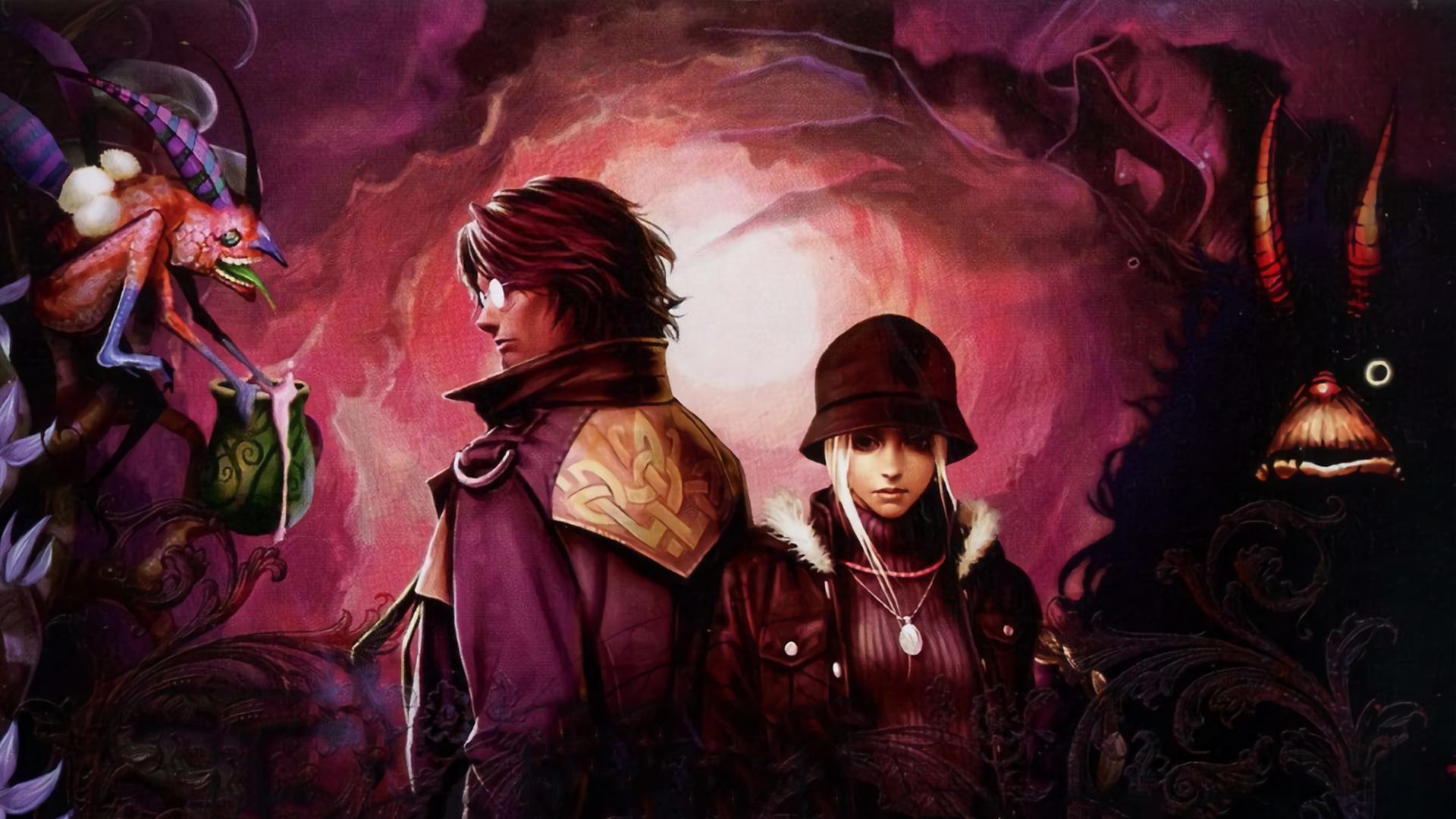
Folklore on the PS3 was a strange, beautiful beast. It took Irish folklore, mashed it with a distinctly Japanese aesthetic, and then threw in a combat system where you literally absorbed enemies' souls. The atmosphere was thick, the creature designs were fantastic, and the story had this melancholic, dreamlike quality. It was a game that felt like a forgotten fairy tale, underscoring how publishers used to take chances on genuinely unique, mid-tier titles that didn't fit neatly into a genre box.
5. Brutal Legend
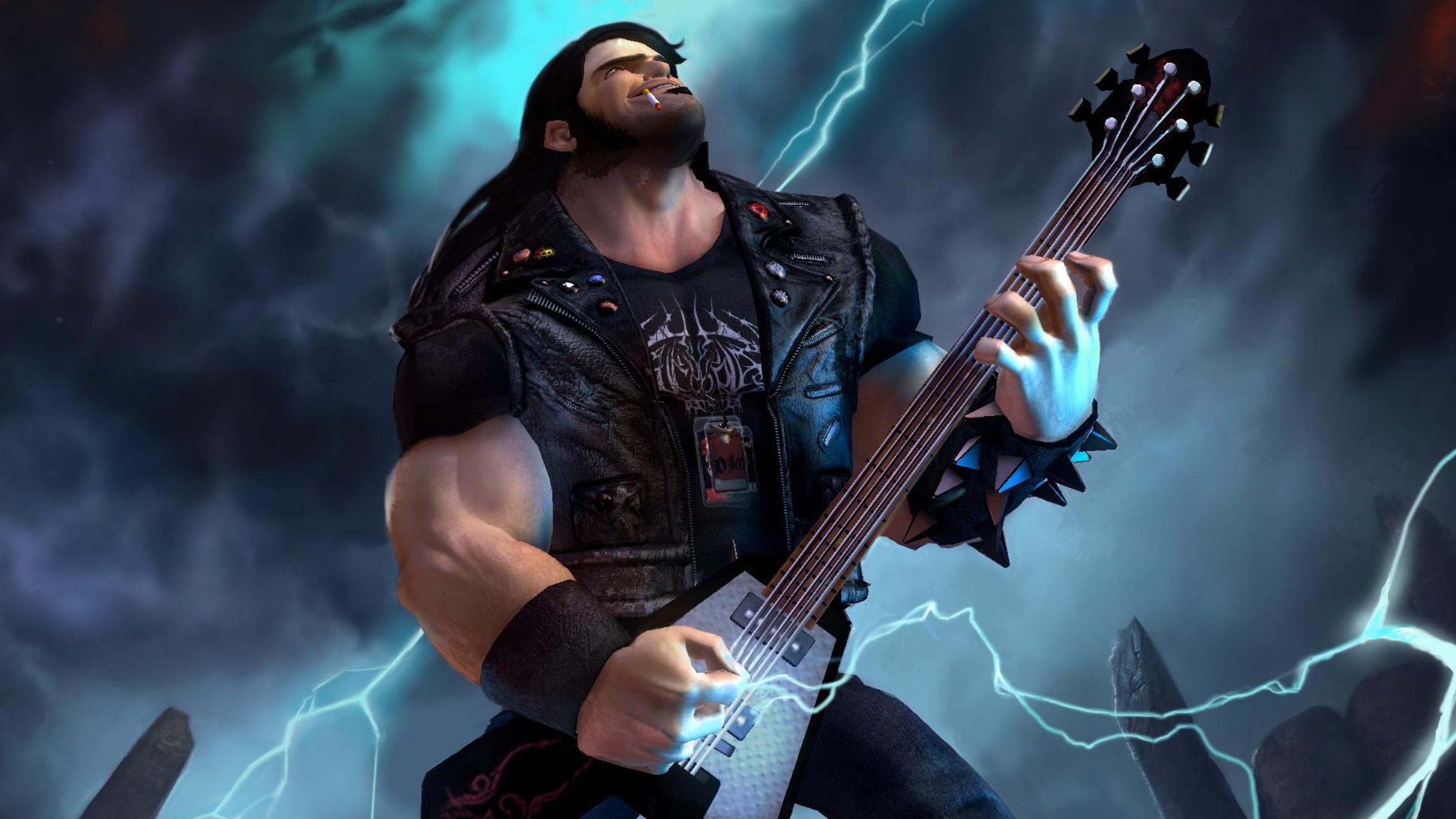
Brutal Legend, man, what a ride. Tim Schafer and Jack Black going full heavy metal odyssey, mixing hack-and-slash with RTS elements. It was messy, sure, but the sheer passion for metal culture, the hilarious writing, and the killer soundtrack made it an unforgettable experience. This game perfectly encapsulates Double Fine's spirit of bold, often unmarketable, ideas that just bleed personality. It's a reminder that sometimes, sheer creative vision is more important than flawless mechanics.
6. Alpha Protocol
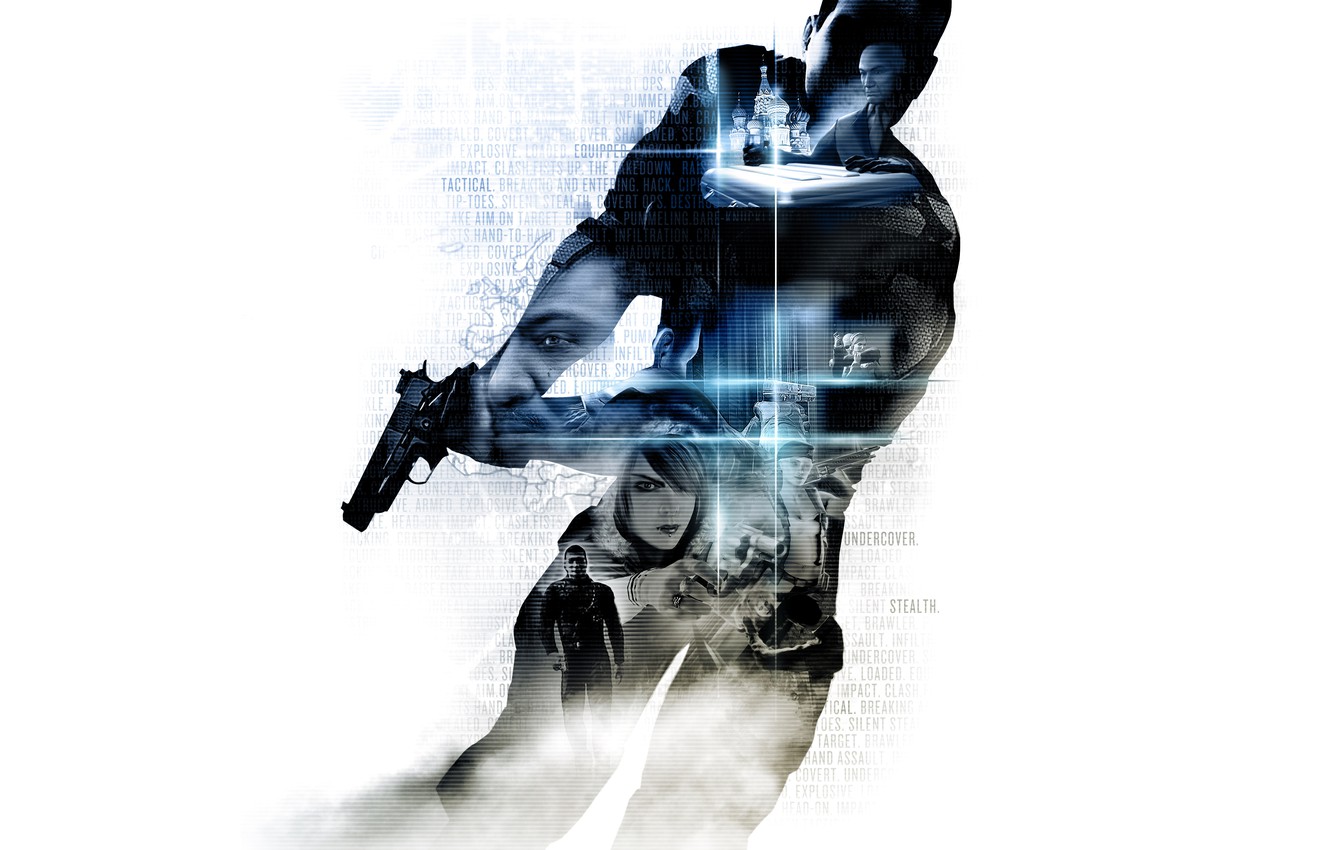
Alpha Protocol, Obsidian's spy RPG, was janky as hell, but boy, did it have heart. The gunplay was rough, the stealth often broken, yet its narrative choices and consequences were absolutely phenomenal. Characters remembered your past actions, entire missions could be skipped or altered based on dialogue, and the story twisted like a good spy novel. It was a glimpse into a future of truly reactive RPGs that we rarely see now, sacrificed at the altar of polished, but less ambitious, gameplay.
7. Deadly Premonition
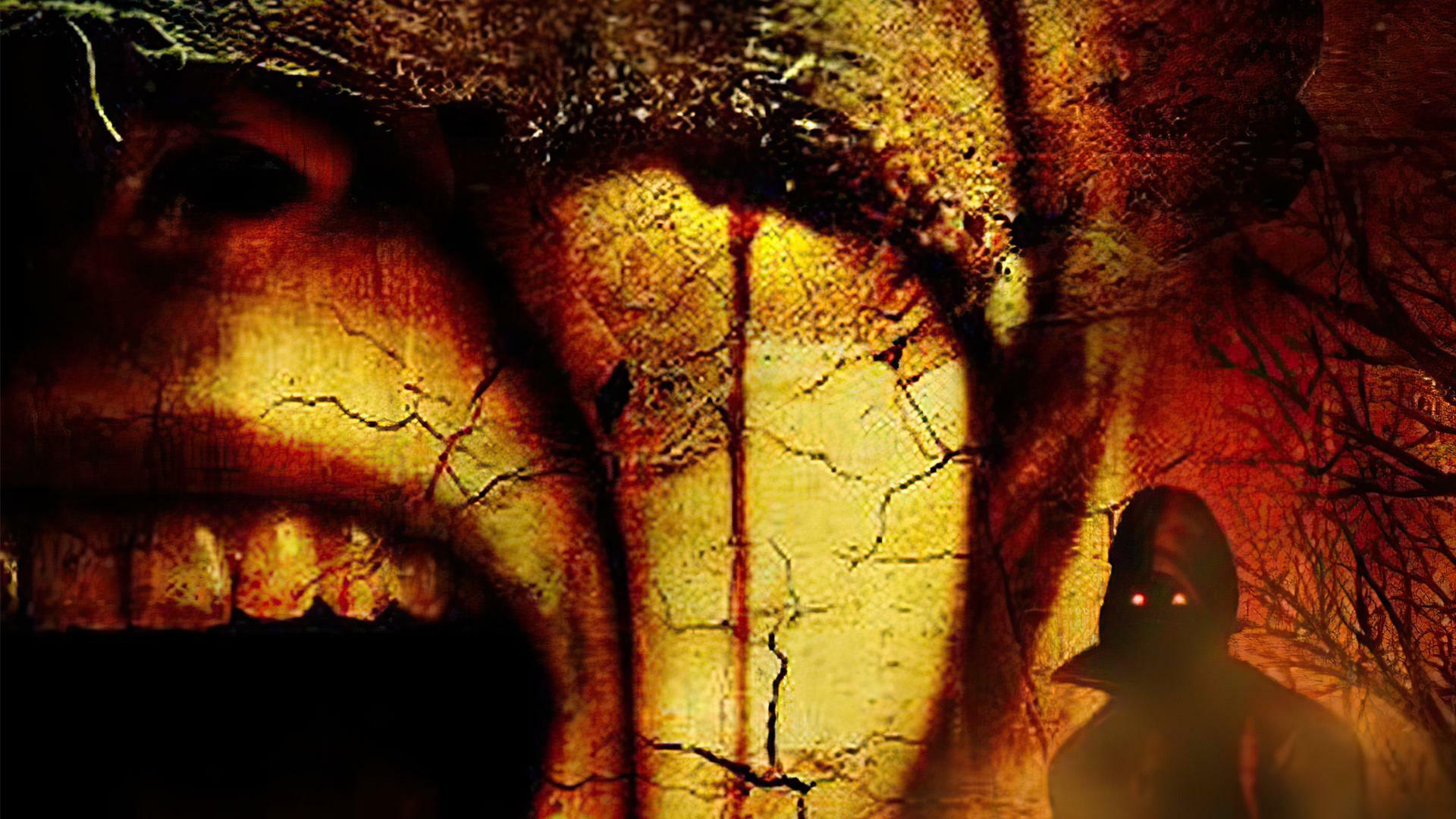
Deadly Premonition is a masterpiece of glorious jank. Seriously, it's a game that actively fights against you with its clunky controls, bizarre dialogue, and graphics from another era. But then you get drawn into its Lynchian mystery, its endearing characters, and its utterly unique vibe. It's a shining example of how singular vision, even if flawed, can create an unforgettable experience that transcends technical imperfections. It’s a game that embraces its weirdness, and we need more of that.
8. Vanquish
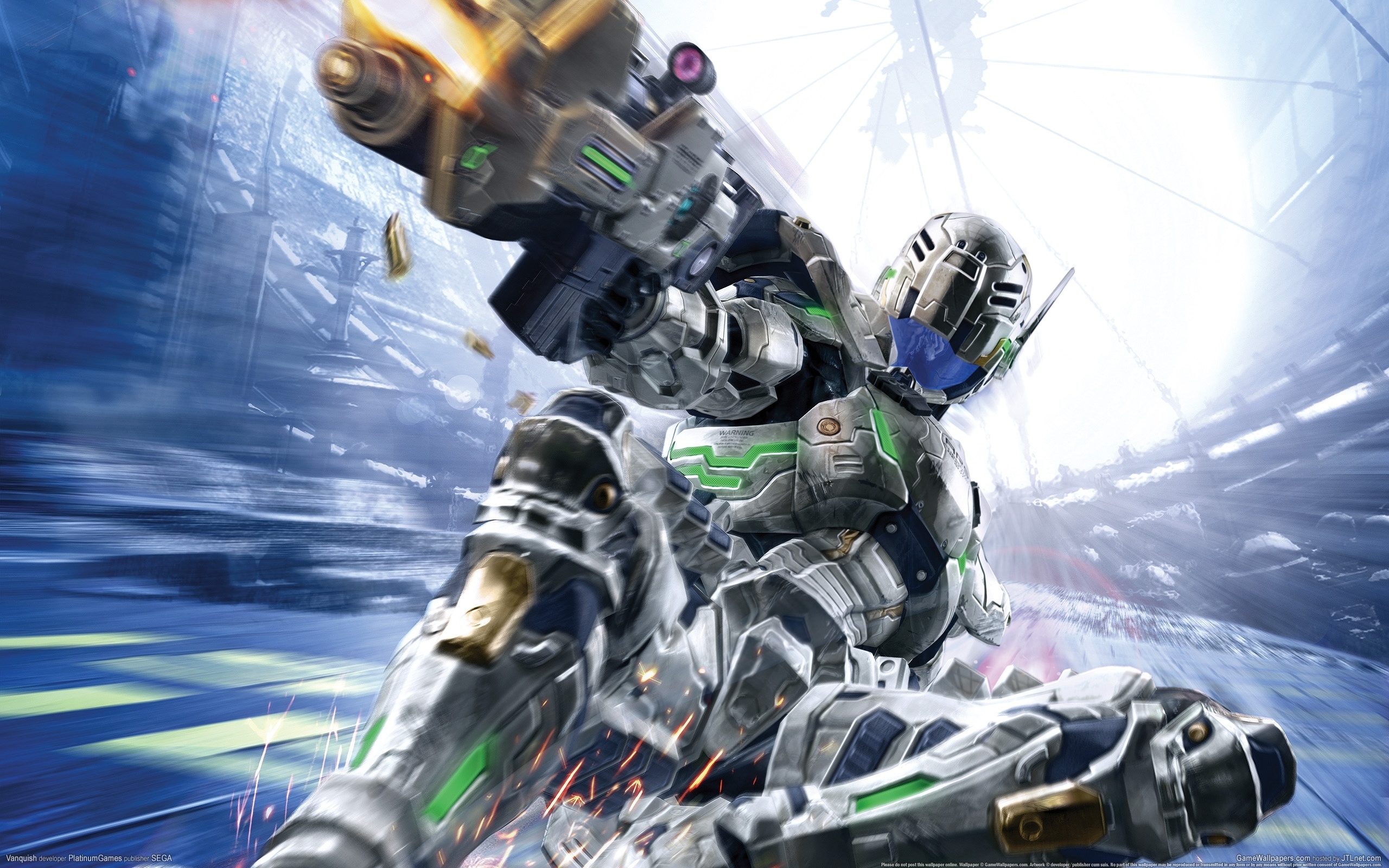
Vanquish. PlatinumGames, baby. This game was a pure shot of adrenaline, a masterclass in aggressive, stylish third-person shooting. Boosting around the battlefield, slowing time, pulling off insane melee finishers – it was a power fantasy distilled. Sure, the story was boilerplate sci-fi, but that didn't matter. It was all about the FEEL of movement and combat, pushing the boundaries of what a shooter could be. It's a high bar for "game feel" that few modern shooters even dare to approach.
9. El Shaddai: Ascension of the Metatron
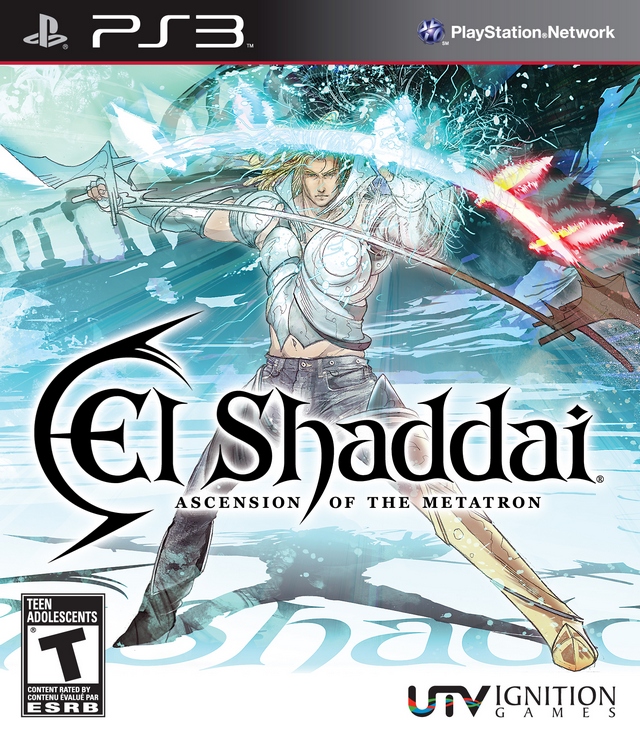
El Shaddai: Ascension of the Metatron, remember that? Visually, it was unlike anything else, channeling biblical mythology through a kaleidoscopic, ever-shifting art style that looked like concept art come to life. The combat was deceptively simple but incredibly satisfying, focusing on timing and weapon cycling. It was an ethereal, almost spiritual journey that felt more like interactive art than a conventional game. A bold, beautiful, and utterly singular vision that got lost in the noise, which is a damn shame.
10. Shadows of the Damned
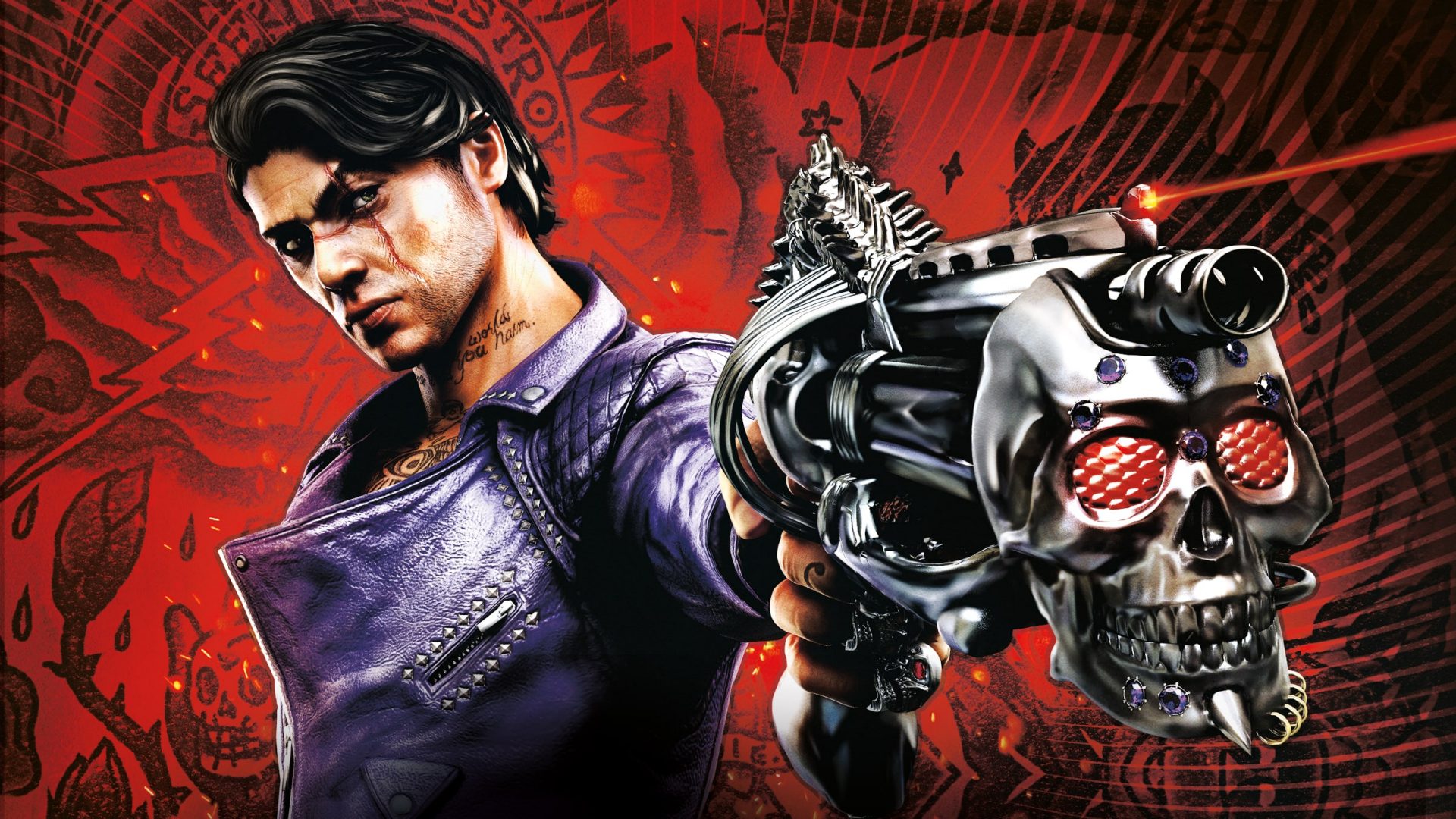
Shadows of the Damned is Suda51 and Mikami just letting loose, a rock-and-roll trip through hell. It’s crass, hilarious, and gleefully grotesque, with a talking skull sidekick and a weapon that transforms into a motorcycle. The combat was solid, but it was the sheer personality, the unapologetic B-movie charm, and the dark humor that made it unforgettable. It's a wild ride that proves games can be genuinely funny and mature without sacrificing creative integrity. More games should be this unafraid to be weird.
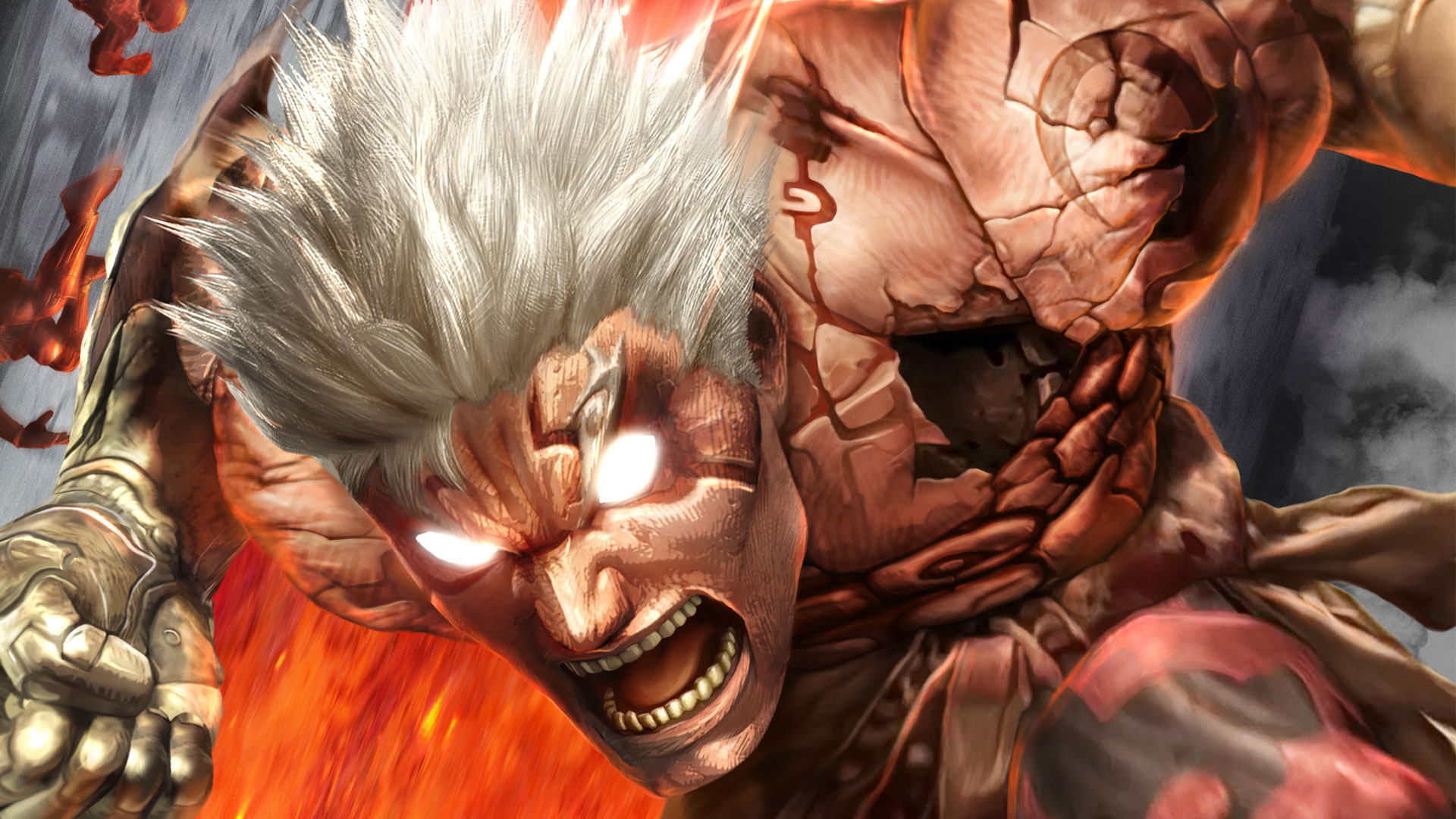
11. ASURA'S WRATH
ASURA'S WRATH wasn't really a game, was it? It was an interactive anime, a playable shonen epic where you punched gods in the face. People complained about the QTEs, but missing the point entirely. It was about the spectacle, the raw, unadulterated power fantasy, and the sheer audacity of its presentation. CyberConnect2 pushed the boundaries of cinematic storytelling in games, delivering an experience so over-the-top, so aggressively *more*, that it still stands alone. It truly understood its own ridiculousness.