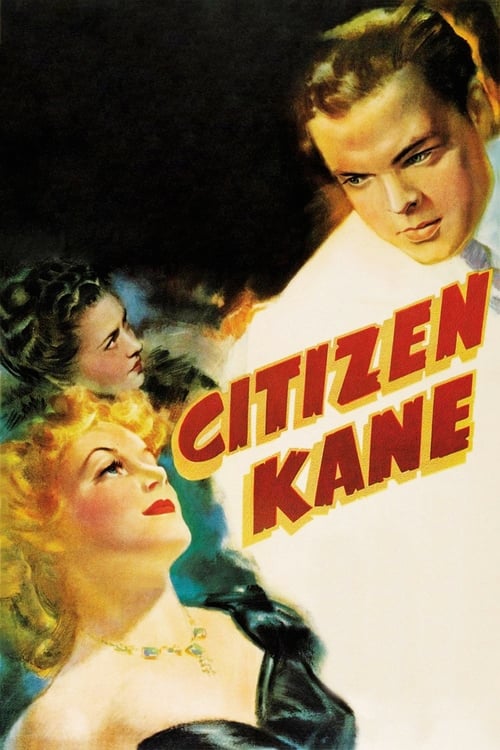
1. Citizen Kane
Orson Welles' debut remains a foundational text in cinematic language, its non-linear narrative and deep-focus cinematography shattering conventions. It’s a profound character study, dissecting power and memory, and a timeless reflection on the elusive nature of truth behind public personas. The film’s audacity in 1941 cemented the director as an auteur.
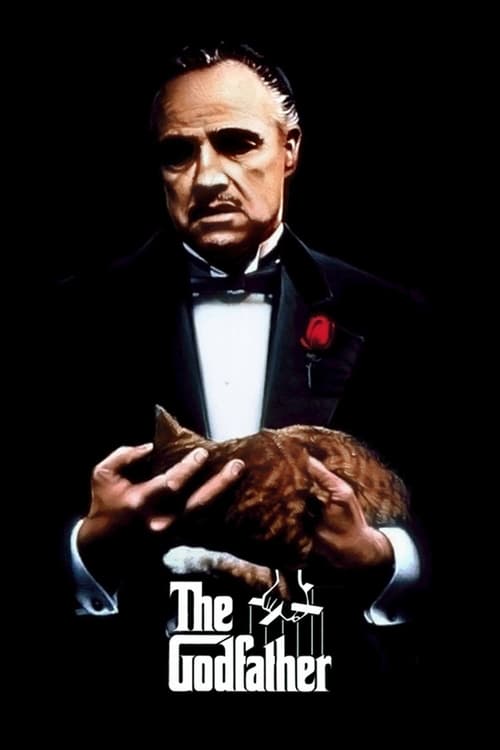
2. The Godfather
Francis Ford Coppola’s epic redefined the gangster genre, elevating pulp fiction into Shakespearean tragedy. It’s an examination of American capitalism through the lens of a crime family, where violence and loyalty intertwine. The film’s profound character arcs and meticulous mise-en-scène solidified its place as a cornerstone of New Hollywood, a societal mirror.
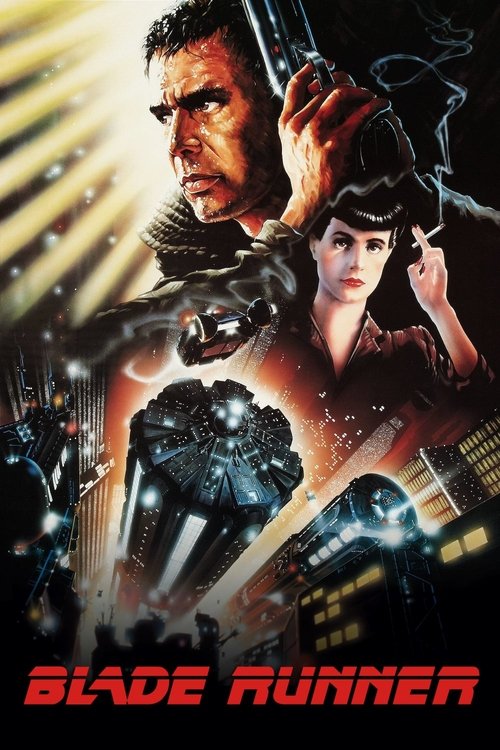
3. Blade Runner
Ridley Scott's neo-noir masterpiece transcended science fiction, crafting a dystopian Los Angeles saturated in rain and existential dread. Its exploration of artificial intelligence and what it means to be human posed questions that remain pertinent. The film's meticulous world-building and visionary aesthetics birthed an entire subgenre, defining "cyberpunk" for generations.

4. Seven Samurai
Akira Kurosawa’s monumental epic of honor and survival influenced countless films, most notably the Western genre. Its nuanced characterizations and masterful staging of action sequences were revolutionary. Beyond the thrilling narrative, it offers a deep reflection on societal structures, class struggle, and the enduring human spirit in the face of adversity.
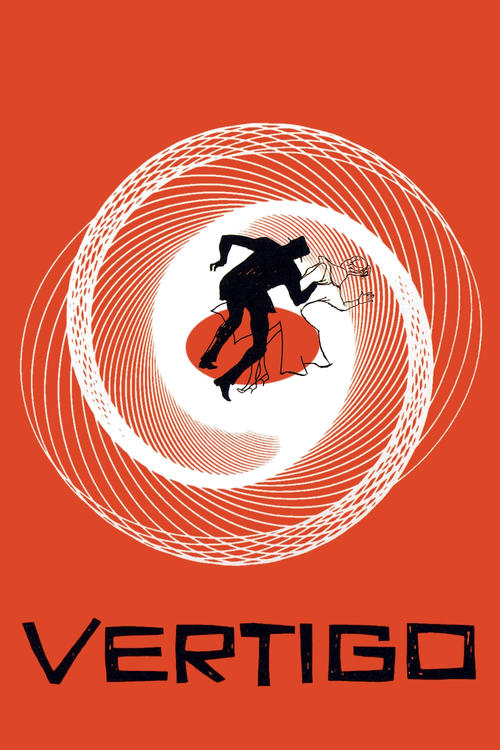
5. Vertigo
Alfred Hitchcock's psychological thriller is a mesmerizing descent into obsession and identity. Its innovative use of camera techniques, like the dolly zoom, deepened the sense of disorientation. This film reflects on the male gaze, memory, and the desire to reshape reality, making it a pivotal work in understanding the director's enduring thematic concerns.
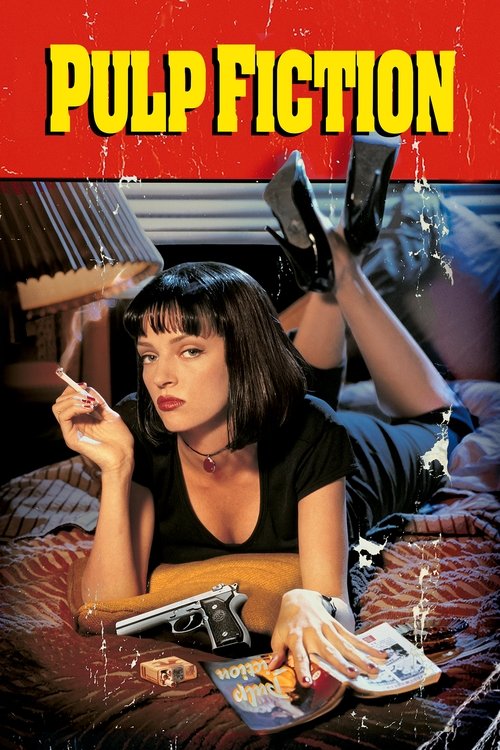
6. Pulp Fiction
Quentin Tarantino’s audacious mosaic of crime stories revitalized independent cinema and popularized non-linear narrative structures. Its razor-sharp dialogue, eclectic soundtrack, and genre-bending audacity created a cultural phenomenon. This film reflects a postmodern sensibility, playfully reassembling cinematic tropes while forging its own distinct, influential voice.
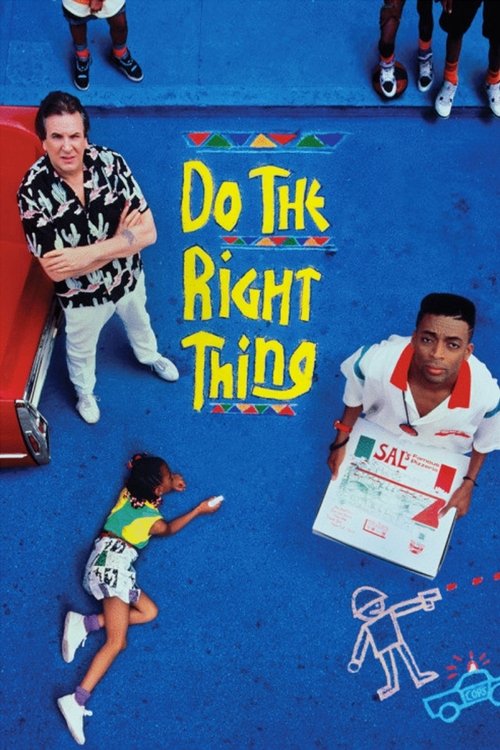
7. Do the Right Thing
Spike Lee's vibrant, incendiary portrait of a Brooklyn neighborhood on the hottest day of summer remains as urgent today as it was in 1989. It masterfully explores racial tension, prejudice, and the complexities of urban life without offering easy answers. The film’s bold stylistic choices and unflinching social commentary cemented Lee’s auteur status.
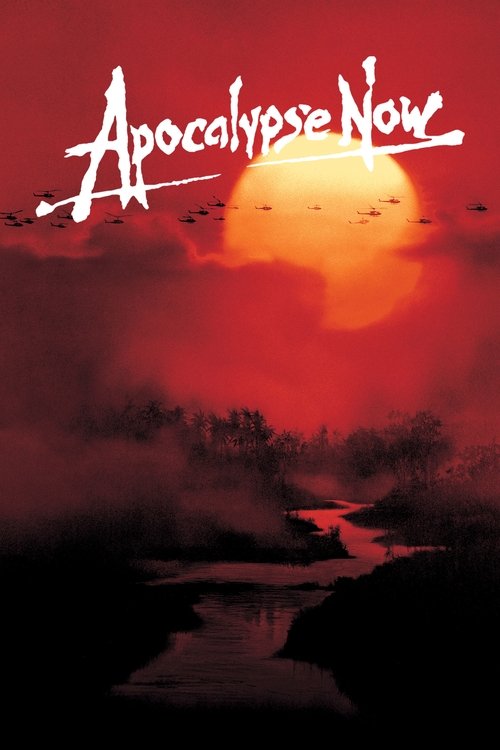
8. Apocalypse Now
Francis Ford Coppola’s hallucinatory journey into the heart of darkness recast the war film as a psychological epic. Its sprawling production and the sheer madness depicted on screen blur the lines between reality and nightmare. It’s a profound, disturbing meditation on the futility of war and the unraveling of the human psyche amidst chaos.
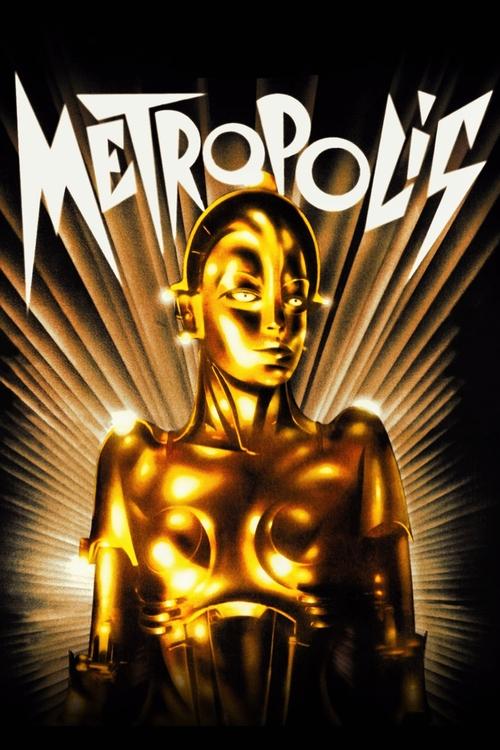
9. Metropolis
Fritz Lang's silent film magnum opus is a towering achievement of German Expressionism and early science fiction. Its visionary depiction of a stratified future city and its exploration of class conflict were groundbreaking. This film’s monumental scale and iconic imagery continue to influence design and storytelling, embodying the anxieties of its industrial age.

10. Persona
Ingmar Bergman’s intensely minimalist and experimental work is a profound examination of identity, silence, and the merging of two women’s psyches. Its avant-garde structure and stark cinematography challenge traditional narrative. This film remains a cornerstone of art-house cinema, reflecting Bergman’s deep philosophical inquiries into human connection and existence.
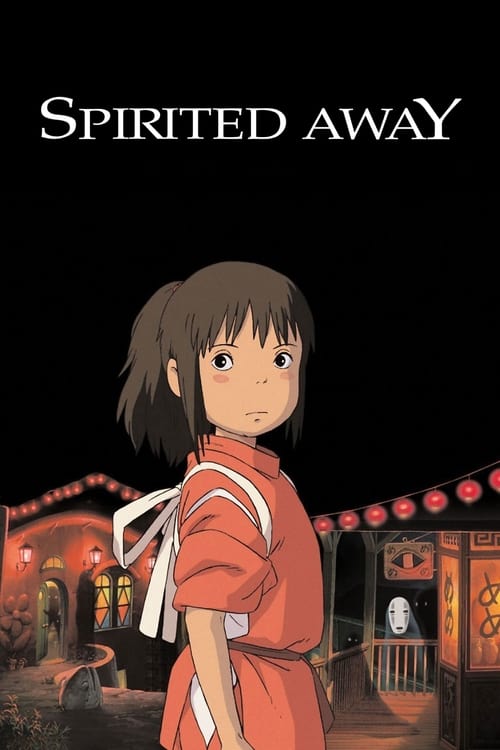
11. Spirited Away
Hayao Miyazaki's animated masterpiece transcends cultural boundaries, weaving a breathtaking tale of a young girl navigating a spirit world. Its imaginative mythology, stunning animation, and thematic depth—exploring environmentalism, consumerism, and coming-of-age—demonstrate animation’s power as a profound artistic medium. It’s a global triumph of storytelling.