

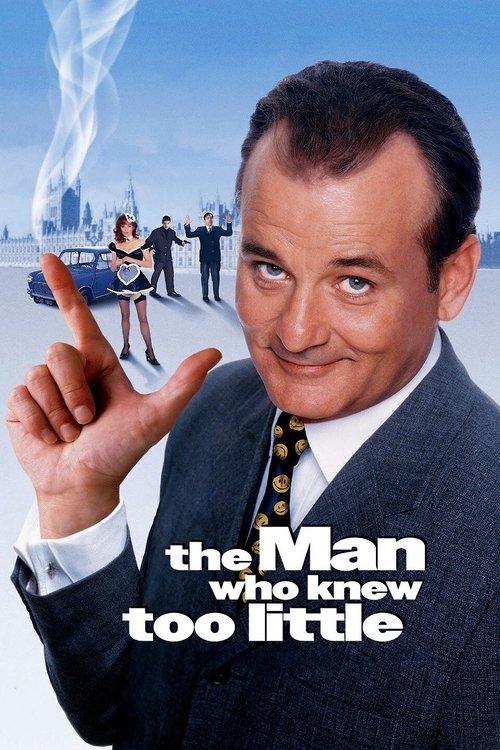
1. The Man Who Knew Too Little
Bill Murray's deadpan brilliance anchors this witty espionage parody. Directed by Jon Amiel, it plays on mistaken identity tropes, placing an unwitting American in the midst of a genuine international conspiracy. The film cleverly deconstructs spy thrillers with a distinctly Murray-esque nonchalance, making the mundane absurd and the dangerous hilarious. It’s a smart, underrated entry in the comedic canon that never takes itself seriously.
2. The Vanishing
George Sluizer’s original Dutch-French film is a masterclass in psychological dread. It foregoes jump scares for an insidious, creeping terror, exploring a man's relentless, almost pathological, search for his missing girlfriend. The film's power lies in its unflinching portrayal of obsession and the chilling reveal, leaving an indelible mark on the viewer by denying conventional catharsis. It’s a profoundly disturbing examination of the unknown.
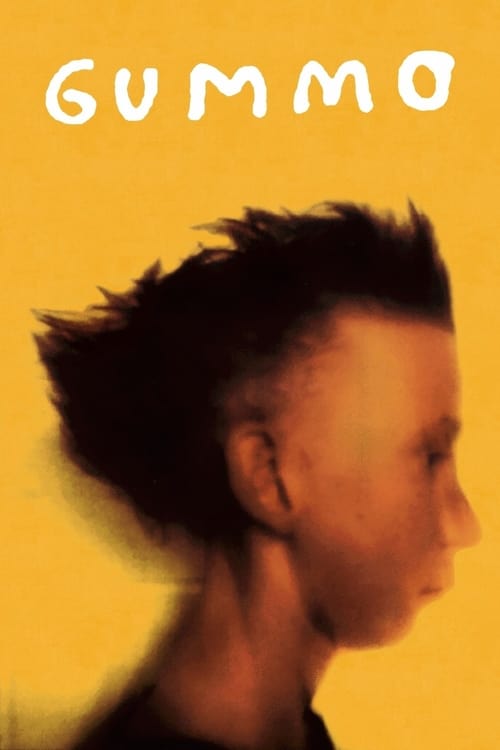
3. Gummo
Harmony Korine's transgressive debut plunges into the dilapidated underbelly of Xenia, Ohio, presenting a collage of disconnected, often disturbing, vignettes. Shot with a raw, almost documentary-like aesthetic, it challenges traditional narrative structures, reflecting a nihilistic vision of forgotten Americana. This isn't cinema for comfort; it's an unapologetic, confrontational piece, a testament to Korine's distinct, unsettling auteurial voice.

4. Wake in Fright
Ted Kotcheff's Australian New Wave gem is a harrowing descent into the primal, sun-baked heart of the outback. A schoolteacher's brief stopover unravels into a nightmarish ordeal of toxic masculinity, excessive drinking, and brutal kangaroo hunts. The film's relentless intensity and unflinching portrayal of societal decay make it a visceral, deeply unsettling experience, a stark reflection of a dark corner of the Australian psyche.

5. Possession
Andrzej Żuławski's feverish, allegorical horror film transforms a crumbling marriage into an apocalyptic, body-horror spectacle. Starring Isabelle Adjani and Sam Neill, it's a raw, emotionally exhausting exploration of betrayal and existential dread set against a divided Berlin. The film’s audacious performances and surreal, grotesque imagery create a unique, unforgettable experience, a testament to cinematic extremism and Cold War anxieties.
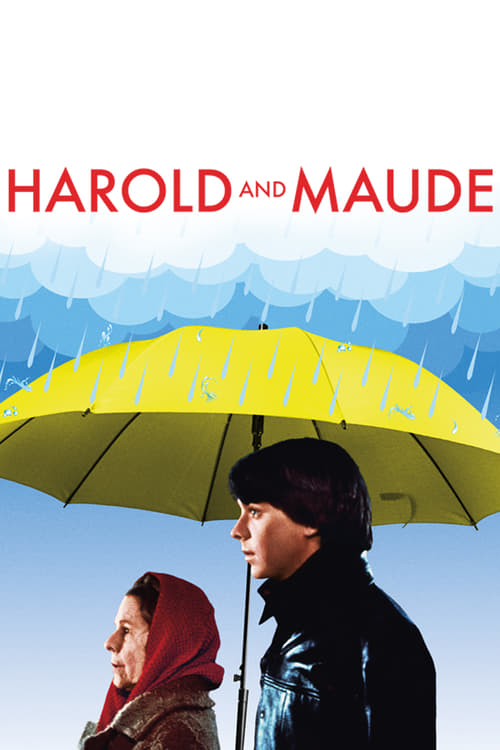
6. Harold and Maude
Hal Ashby’s cult classic is a darkly whimsical meditation on life, death, and unconventional love. The macabre humor and peculiar romance between a death-obsessed young man and an octogenarian free spirit subvert societal norms with joyful abandon. Its enduring charm lies in its embrace of individuality and its poignant, if eccentric, call to truly live, underscored by Cat Stevens' iconic soundtrack.
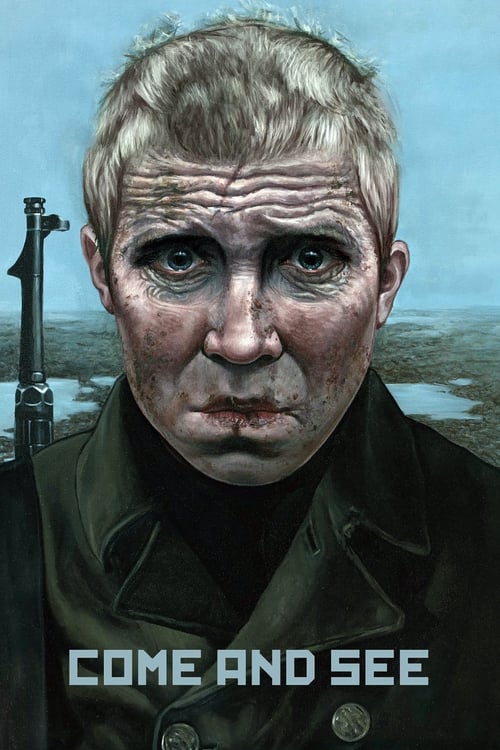
7. Come and See
Elem Klimov's Soviet war drama offers an unflinching, visceral portrayal of the atrocities of World War II through the eyes of a young Belarusian partisan. Eschewing heroics, it plunges the viewer into a nightmarish landscape of terror and psychological trauma, depicting the dehumanizing effects of conflict with harrowing realism. It remains one of cinema's most powerful and devastating anti-war statements, a true cinematic ordeal.
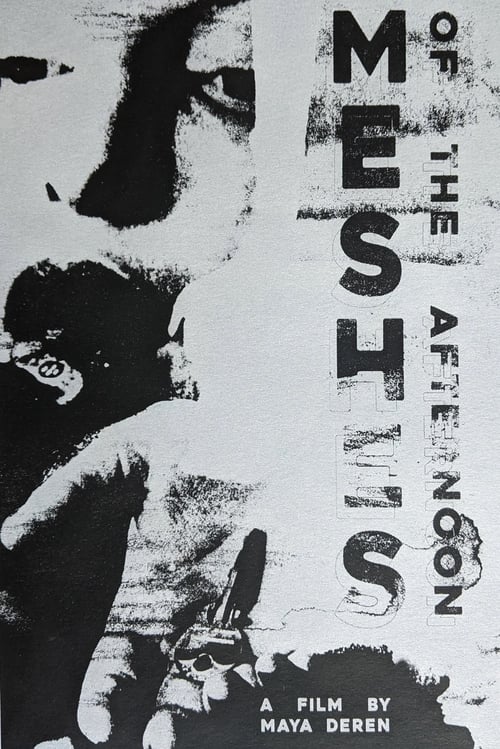
8. Meshes of the Afternoon
Maya Deren and Alexander Hammid’s landmark experimental short film is a mesmerizing journey into the subconscious. With its cyclical narrative, symbolic imagery, and dreamlike sequences, it challenges conventional storytelling, exploring themes of identity, memory, and perception. This avant-garde masterpiece profoundly influenced subsequent experimental cinema, demonstrating the medium's capacity for profound psychological exploration beyond explicit narrative.
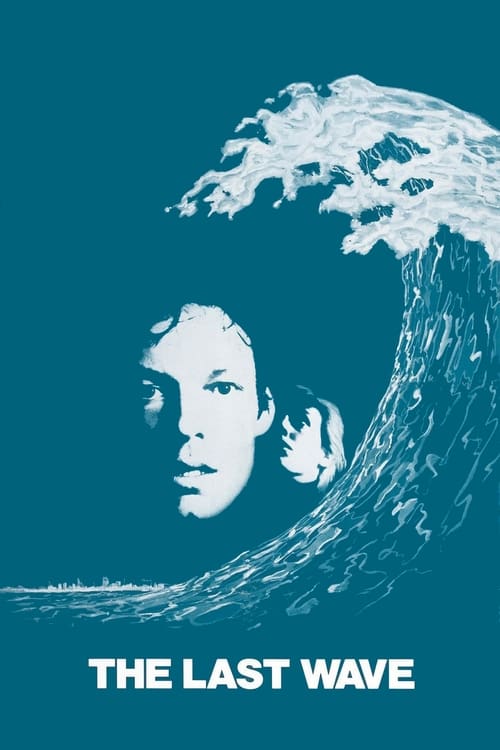
9. The Last Wave
Peter Weir's atmospheric Australian thriller blends courtroom drama with indigenous mysticism and existential dread. A lawyer defending Aboriginal men finds himself drawn into a premonitory vision of an apocalyptic flood, blurring the lines between reality and ancient prophecy. It's a haunting exploration of cultural clash, the supernatural, and environmental foreboding, showcasing Weir's masterful command of mood and suspense.

10. A Face in the Crowd
Elia Kazan’s prescient drama features Andy Griffith in a chilling turn as "Lonesome" Rhodes, a charismatic drifter who becomes a powerful, manipulative media personality. The film serves as a stark, timeless warning about the dangers of unchecked populism, media exploitation, and the seductive power of celebrity. Its insights into public gullibility and political demagoguery remain eerily relevant today.
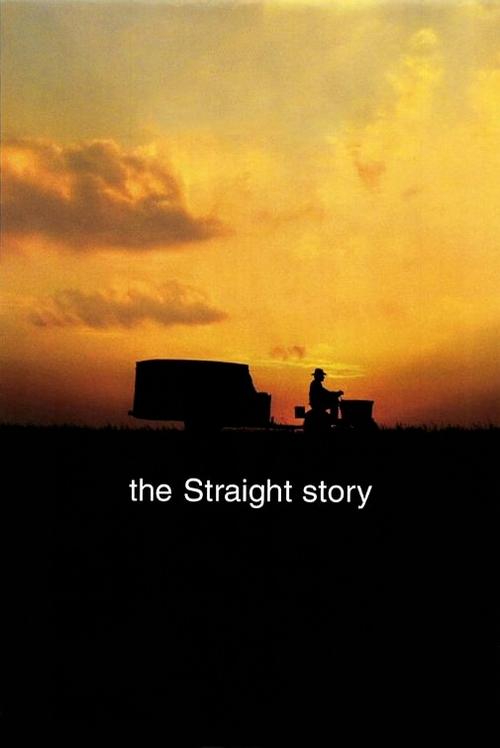
11. The Straight Story
David Lynch's G-rated road movie stands as a profound anomaly in his filmography, offering a remarkably gentle and poignant tale. Based on a true story, it follows an elderly man's arduous journey across state lines on a lawnmower to reconcile with his ailing brother. Stripped of Lynch's usual surrealism, it’s a deeply human, understated exploration of family, forgiveness, and the quiet dignity of perseverance.