

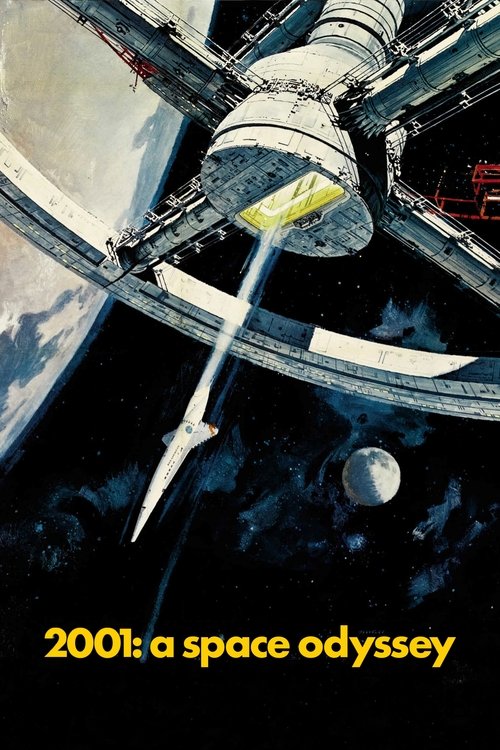
1. 2001: A Space Odyssey
Kubrick’s monolithic vision fundamentally altered the landscape of science fiction cinema. It wasn't merely a story of space travel but an elliptical meditation on evolution, artificial intelligence, and humanity’s place in the cosmos. Its deliberate pacing, groundbreaking visual effects, and iconic soundtrack forged an immersive, almost spiritual experience, prompting endless philosophical debate. The film remains a benchmark for cinematic ambition, challenging audiences to look beyond the literal and confront the unknown. Its influence echoes in every serious attempt at cerebral sci-fi.
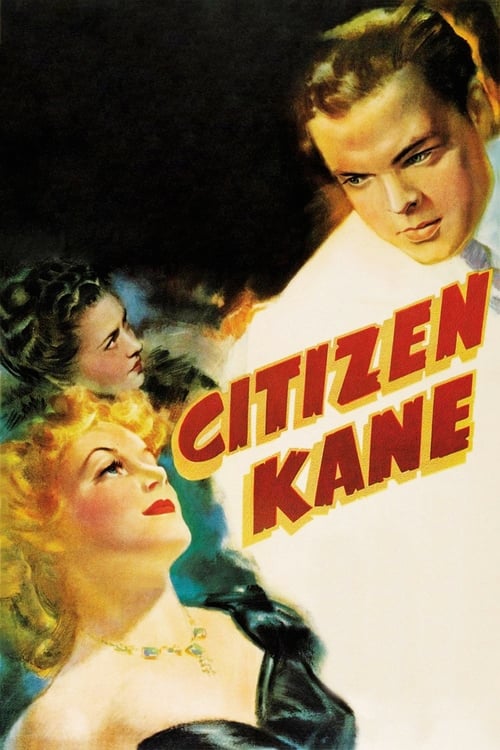
2. Citizen Kane
Orson Welles' debut remains a towering achievement, a masterclass in narrative innovation and visual storytelling. Through its fragmented, multi-perspective structure, it dissected the elusive nature of truth and identity, pioneering techniques like deep focus, non-linear storytelling, and chiaroscuro lighting that reshaped cinematic grammar. Its exploration of power, ambition, and the American dream resonated deeply, setting a standard for complex character study. Kane didn't just tell a story; it interrogated the very act of storytelling itself, forever changing how films are made and studied.
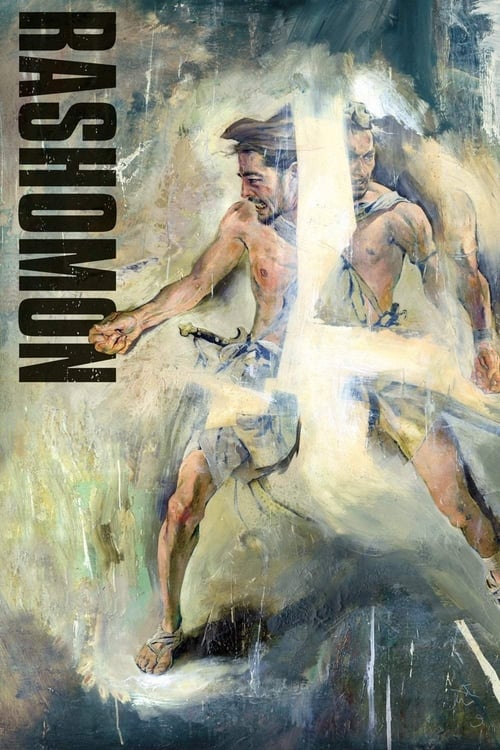
3. Rashomon
Kurosawa's masterpiece isn't just a film; it's a narrative structure. By presenting a single event through conflicting subjective accounts, it laid bare the inherent unreliability of testimony and the self-serving nature of memory. This revolutionary approach challenged the audience to question objective truth, inspiring countless subsequent works across all media. Its influence on storytelling, particularly in legal dramas and psychological thrillers, is immeasurable, solidifying its place as a profound philosophical inquiry into human nature and perception.
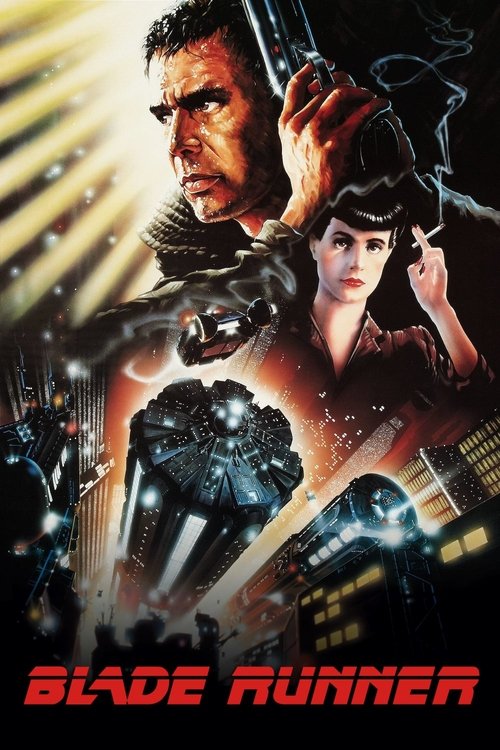
4. Blade Runner
Ridley Scott's neo-noir opus defined cyberpunk aesthetics and deepened our understanding of artificial intelligence. Its rain-slicked, dystopian Los Angeles became a template, while its philosophical questions about what constitutes humanity, memory, and life itself still resonate. The film’s meticulously crafted atmosphere and ambiguous protagonist blurred the lines between man and machine, influencing not just sci-fi but also fashion, architecture, and discussions on ethical technology. It's a film that demands re-evaluation, each viewing revealing new layers of its melancholic brilliance.
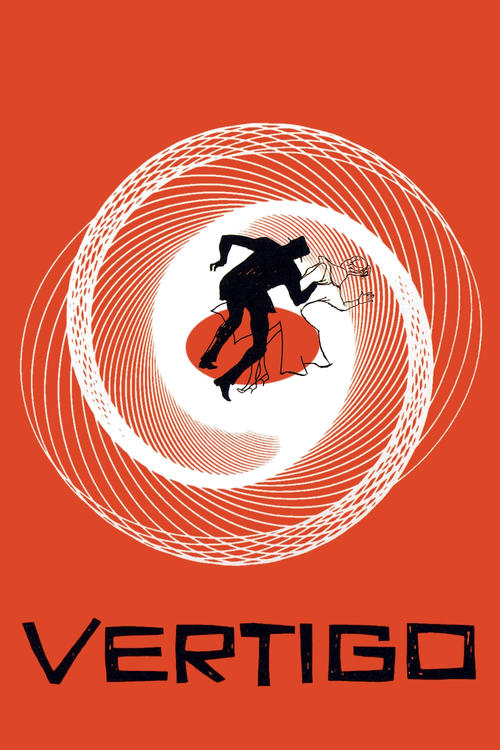
5. Vertigo
Hitchcock's psychological thriller transcended its genre to become a profound exploration of obsession, identity, and the male gaze. Its innovative use of camera techniques, like the "vertigo effect," served the narrative's psychological depth, drawing viewers into Scottie’s fractured mind. But beyond the technical brilliance, the film's haunting themes of control, fantasy, and the desire to recreate an idealized past offer a disturbing reflection on human relationships and the destructive nature of fixation, cementing its status as a cinematic and academic touchstone.

6. Pulp Fiction
Tarantino detonated a bomb in cinema with *Pulp Fiction*, revitalizing independent film and redefining cool. Its non-linear narrative, razor-sharp dialogue, and genre-blending audacity felt utterly fresh, creating a cultural phenomenon. More than just stylish violence, it was a playful deconstruction of pop culture tropes, brimming with self-awareness. The film’s indelible characters and quotable lines seeped into the collective consciousness, proving that cinematic rules were meant to be broken, and that mainstream appeal could emerge from unconventional, auteur-driven visions.
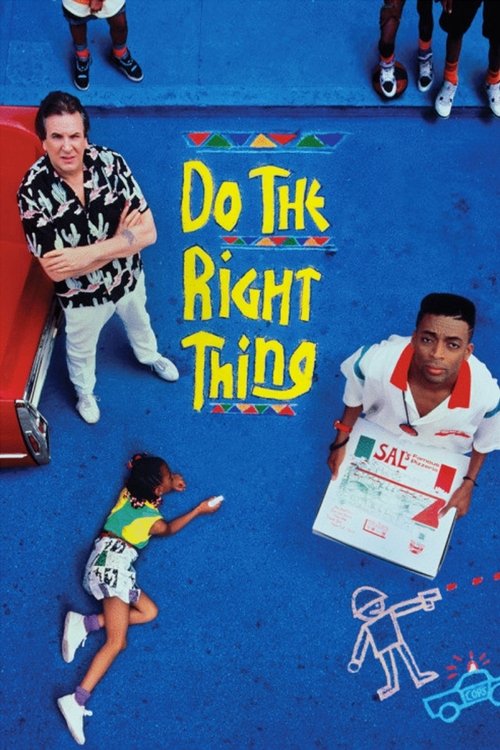
7. Do the Right Thing
Spike Lee's scorching drama captures the simmering racial tensions of a Brooklyn summer day, transforming them into a powder keg. It doesn't offer easy answers, instead forcing audiences to confront uncomfortable truths about prejudice, privilege, and the systemic nature of racism. Lee's vibrant, confrontational style and refusal to moralize made it a pivotal work, sparking crucial conversations that remain acutely relevant. The film is a powerful, urgent reflection on societal fault lines, challenging viewers to engage with complex social justice issues.

8. The Godfather
Coppola's epic redefined the gangster genre, elevating it into a Shakespearean tragedy of power, family, and corruption. Beyond its gripping narrative and iconic performances, it explored the dark underbelly of the American Dream, portraying the Corleones not as mere criminals but as a perverse reflection of capitalist ambition. Its meticulous craftsmanship, operatic scope, and deep psychological insights into moral compromise cemented its place as a cinematic benchmark, influencing countless filmmakers and shaping our perception of organized crime.

9. Persona
Bergman's enigmatic masterpiece is a searing, almost experimental, examination of identity, performance, and the porous boundaries between self and other. Through its minimalist setting and psychological intensity, it delves into the fragility of personhood, the masks we wear, and the existential crises that lurk beneath. The film’s fractured narrative and dreamlike sequences invite profound introspection, leaving an indelible mark on how cinema can explore the subconscious and the unutterable complexities of human connection and isolation.

10. La Dolce Vita
Fellini’s sprawling, kaleidoscopic portrait of Rome’s decadent high society is a commentary on spiritual emptiness and the pursuit of pleasure in post-war Italy. Marcello's aimless journey through lavish parties and existential ennui captured a generation's disillusionment, revealing the superficiality beneath the glamour. It’s an auteurist vision that blends satire with melancholy, creating indelible images that became synonymous with a certain kind of European cinematic elegance and societal critique. The film remains a potent reflection on modernity's discontents.

11. Parasite
Bong Joon-ho’s Oscar-winning thriller is a masterclass in genre-bending social critique, dissecting class inequality with surgical precision and dark humor. It masterfully shifts between satire, suspense, and tragedy, exposing the insidious nature of economic disparity and the desperate measures people take to survive within oppressive systems. The film resonated globally, offering a universally understood commentary on wealth, poverty, and the invisible lines that divide us, proving that sharp, culturally specific storytelling can achieve profound international impact.