

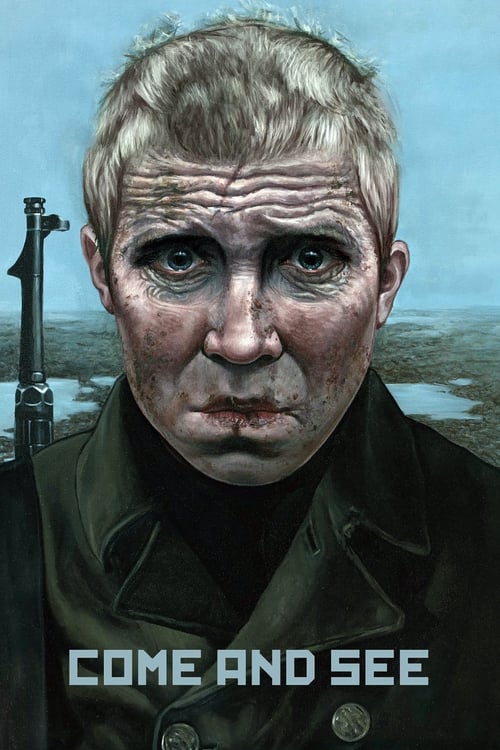
1. Come and See
Elem Klimov’s 1985 masterpiece is a harrowing, unflinching portrayal of WWII atrocities in Belarus, experienced through the eyes of a young boy. It's a psychological assault, almost documentary-like in its realism, revealing the absolute dehumanization of war and its indelible scars. Klimov’s direction is masterful, forcing the viewer to confront the darkest aspects of humanity’s capacity for cruelty. It isn't merely a war film; it's an existential scream, a historical wound that refuses to heal, deeply embedding itself in the psyche.
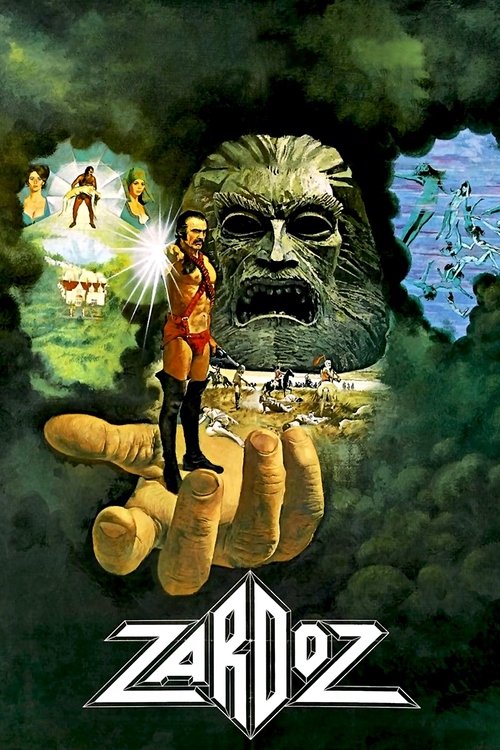
2. Zardoz
John Boorman's psychedelic, dystopian sci-fi vision from 1974 is a bewildering, often bizarre, exploration of societal stratification, immortality, and sexual repression. Sean Connery in a red diaper is just the surface of its strangeness. It's a critique of intellectual arrogance and utopian folly, wrapped in a visually audacious package that challenges conventional narrative. A deeply philosophical and strangely prescient cult classic that demands attention, even if it doesn't always make logical sense.
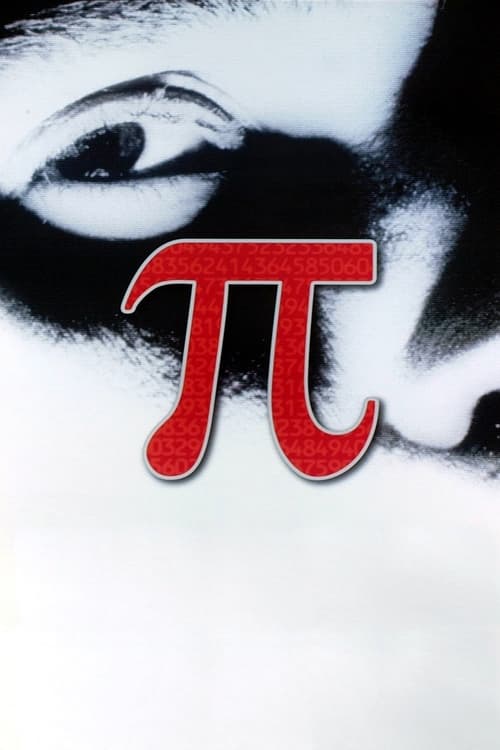
3. Pi
Darren Aronofsky's debut feature, 'Pi,' is a relentless, monochromatic descent into mathematical obsession and paranoia. Shot in stark black and white, it immerses viewers in the mind of a brilliant but tormented mathematician seeking patterns in the universe. The film's low-budget, high-concept execution creates an incredibly claustrophobic atmosphere, exploring themes of genius, madness, and the search for ultimate truth. It’s a raw, visceral experience that established Aronofsky’s distinctive, intense authorial voice.
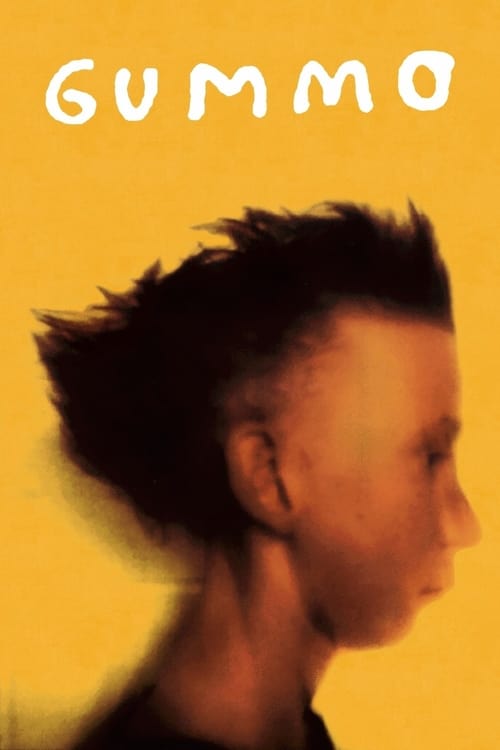
4. Gummo
Harmony Korine's 'Gummo' from 1997 is less a narrative film and more a disturbing, poetic ethnography of forgotten America. Set in a tornado-ravaged Ohio town, it presents a collage of fragmented lives, poverty, and desperate acts. Korine’s raw, unflinching gaze refuses judgment, instead offering a deeply uncomfortable, often grotesque, but undeniably human portrait of marginalized existence. It’s a divisive, experimental work that pushes boundaries and lingers long after viewing, a true reflection of the grotesque beauty of despair.

5. The Holy Mountain
Alejandro Jodorowsky’s 1973 surrealist epic is a hallucinatory odyssey, a spiritual quest steeped in esoteric symbolism and vivid, often shocking, imagery. Following a Christ-like figure and a group of planetary archetypes seeking immortality, it’s less a film to be understood logically than to be experienced viscerally. Jodorowsky crafts a visually magnificent and intellectually challenging work, a scathing satire of consumerism, religion, and power, while simultaneously offering a path to enlightenment.
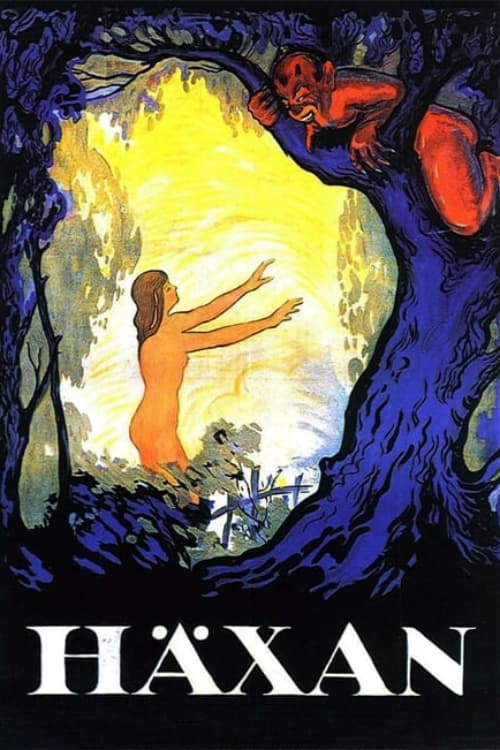
6. Häxan
Benjamin Christensen's 'Häxan' (1922) is a groundbreaking silent film that blurs the lines between documentary and horror. It's a pseudo-historical account of witchcraft through the ages, exploring medieval superstitions, hysteria, and torture with astonishingly graphic (for its time) re-enactments. Christensen’s innovative use of special effects and dramatic staging creates a chilling, almost ethnographic, study of humanity's darkest beliefs. It remains a fascinating and unsettling artifact, a proto-horror film with profound sociological insight.
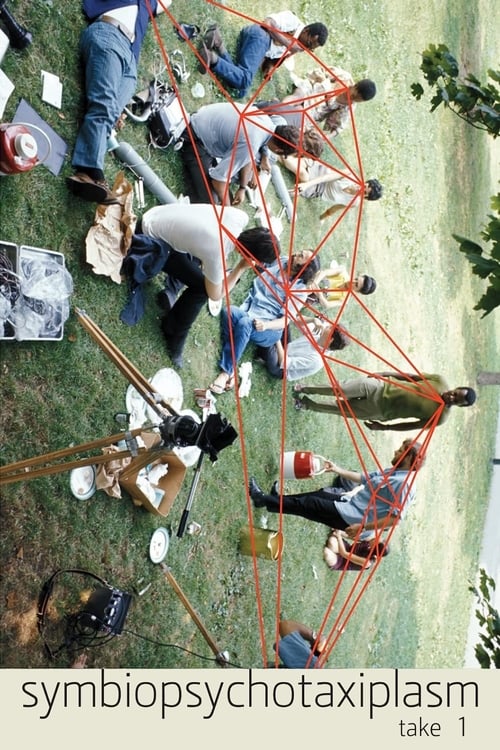
7. Symbiopsychotaxiplasm: Take One
William Greaves's 1968 experimental film is a meta-cinematic marvel, a film about the making of a film that constantly interrogates its own process. Greaves orchestrates multiple crews filming each other, the actors, and even the crew's reactions to the director, creating layers of self-awareness. It’s a pioneering work that deconstructs cinematic authority, authenticity, and perception, revealing the complex, often chaotic, truth behind image-making. A profoundly intellectual and endlessly fascinating exploration of form and reality.
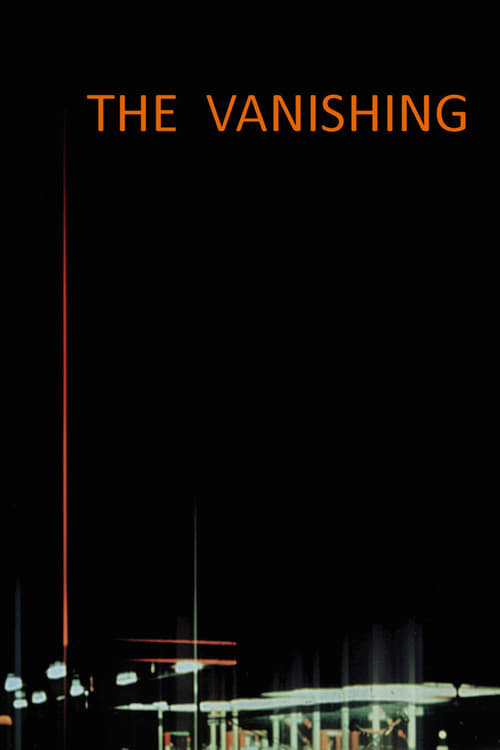
8. The Vanishing
George Sluizer's original Dutch-French thriller from 1988, *Spoorloos*, is a chilling exploration of obsession and the psychological torment of uncertainty. It follows a man relentlessly searching for his girlfriend who mysteriously disappears, leading to a truly disturbing climax. The film's brilliance lies in its meticulous pacing and the unsettling portrayal of pure, unadulterated evil, devoid of theatrics. It’s a masterclass in suspense, examining the depths of human depravity and the agonizing truth of closure.
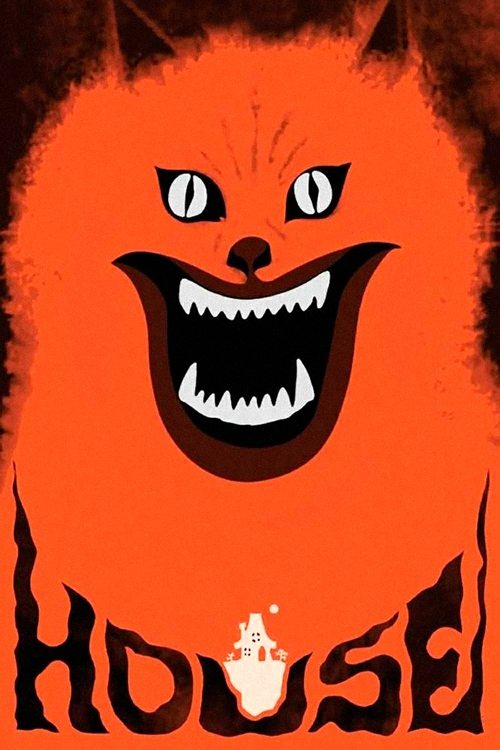
9. House
Nobuhiko Obayashi's 1977 'House' (Hausu) is an utterly unique, psychedelic, and surreal horror-comedy. It defies categorization, presenting a group of schoolgirls encountering a haunted house filled with bizarre, cartoonish, and often terrifying phenomena. Obayashi’s playful yet unsettling vision uses experimental techniques, vibrant colors, and non-sequitur logic to create a dreamlike, almost childlike nightmare. It's a joyful explosion of cinematic invention that reveals the uncanny in the mundane, a true original.
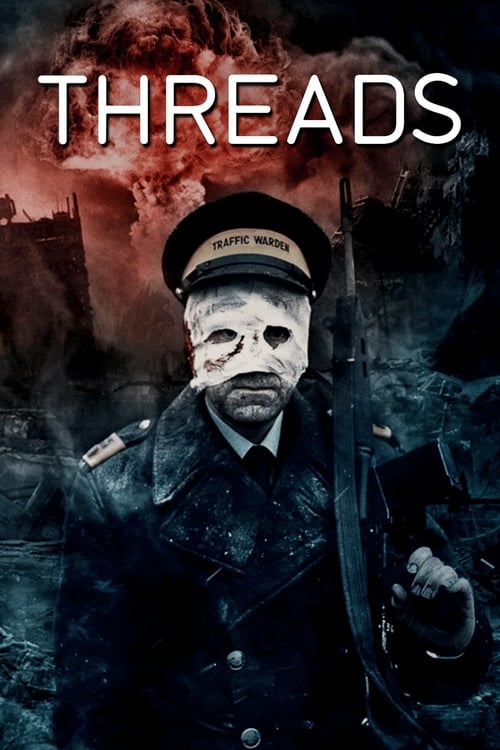
10. Threads
Mick Jackson's 1985 BBC docu-drama 'Threads' is perhaps the most terrifying film about nuclear war ever made, precisely because of its unflinching realism. It meticulously depicts the devastating aftermath of a nuclear attack on Sheffield, UK, showing the slow, agonizing collapse of society and the environment. There's no heroism, just stark, scientific projections of human suffering. It’s a chilling, vital piece of television history that serves as a visceral warning, a profound, almost unbearable societal reflection.
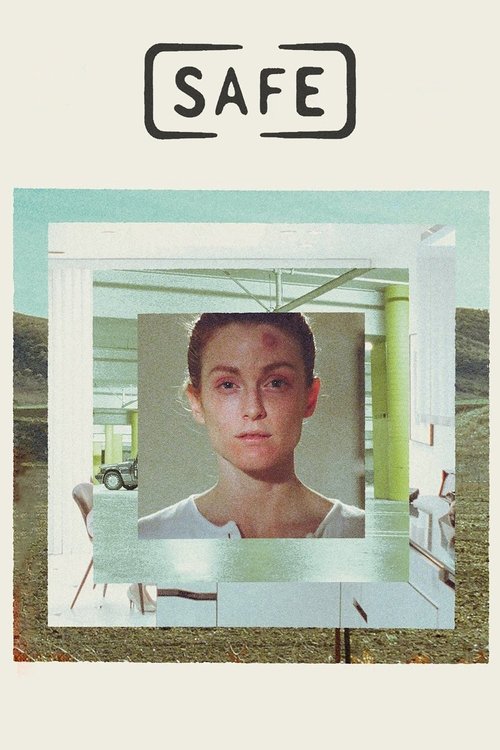
11. Safe
Todd Haynes's 1995 'Safe' is a profoundly unsettling examination of modern anxieties and alienation, centered on a suburban woman who develops 'environmental illness.' Julianne Moore's nuanced performance anchors this quietly devastating film, which subtly critiques consumerism, self-help culture, and the elusive nature of health. Haynes crafts a sterile, almost clinical atmosphere, slowly revealing the insidious ways societal pressures can manifest as personal pathology. It's a masterwork of slow-burn psychological horror, reflecting on our fragile existence.