
1 / 11
1. Max Headroom
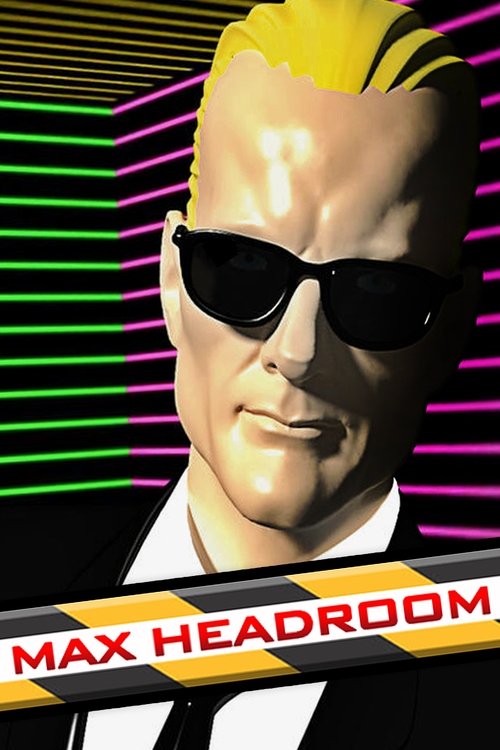
That glitchy, stuttering talking head was pure digital anarchy beamed straight into our living rooms. The 1987 series amplified the UK movie's cyberpunk paranoia, giving us a world where corporations owned everything, even your thoughts. The practical effects for Max himself, the bizarre fashion, the way it blended satire with genuine dread – it was unlike anything else on network TV. A true cult classic, right down to its squiggly lines and dystopian future shock.
2 / 11
2. Sledge Hammer!
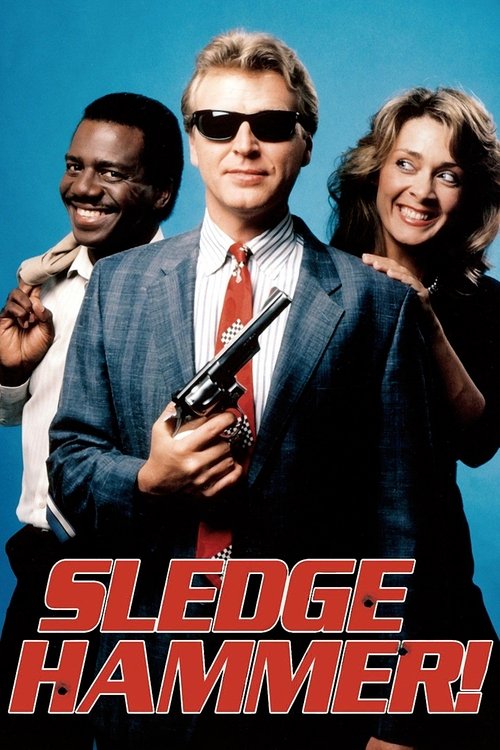
This 1986 series was pure, unfiltered satire, taking every cop show cliché and blowing it up. Literally. Sledge Hammer's disdain for rules, his talking .44 magnum, and the sheer audacity of its dark humor made it a weekly must-watch. It was loud, dumb, and brilliant, a perfect middle finger to network sensibilities. They even blew up the world in the final episode. And that theme song? Iconic.
3 / 11
3. The Adventures of Brisco County, Jr.
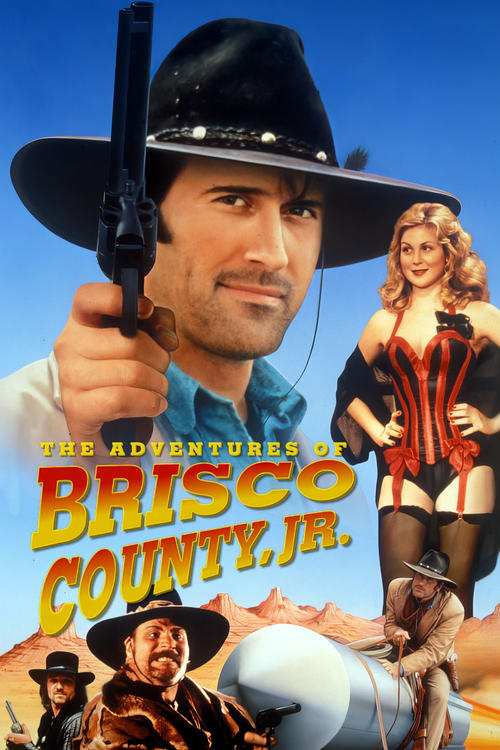
A Western with rocket boots and an Orb? Bruce Campbell as a Harvard-educated bounty hunter? 'Brisco County' was a wild, glorious mess, a 1993 proto-steampunk adventure that was just too weird for its time. It blended sci-fi, comedy, and classic Western tropes with a wink and a nod. The practical effects were charmingly lo-fi, and Campbell's charisma carried the whole bizarre enterprise. Definitely ahead of its curve, gone too soon.
4 / 11
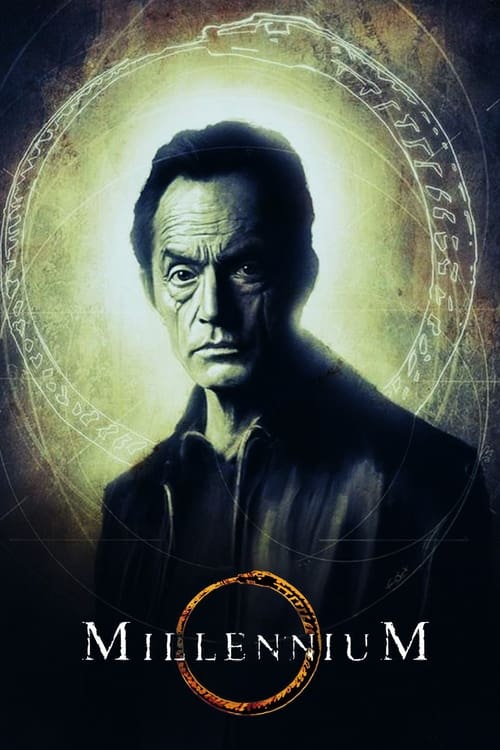
4. Millennium
Chris Carter went dark, real dark, with 'Millennium'. This 1996 series plunged viewers into the grim, rain-slicked world of Frank Black, a profiler who saw evil. It was bleak, atmospheric, and genuinely unsettling, tapping into fin-de-siècle dread. The show's serialized nature and its refusal to offer easy answers made it a tough but rewarding watch. It was 'The X-Files' without the alien optimism, just pure, unadulterated human darkness.
5 / 11
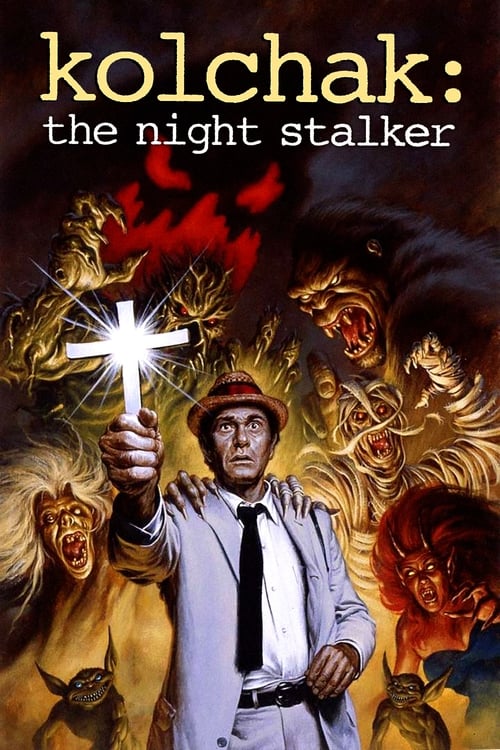
5. Kolchak: The Night Stalker
Before 'The X-Files', there was Kolchak. This 1974 series introduced us to Carl Kolchak, a newspaper reporter chasing monsters and the supernatural, always ignored by the authorities. It blended noir detective work with classic horror tropes, using practical effects for its creatures. The show's grimy, gritty urban setting and Kolchak's cynical, relentless pursuit of truth made it a groundbreaking, influential cult classic. A true pioneer of paranormal investigation.
6 / 11
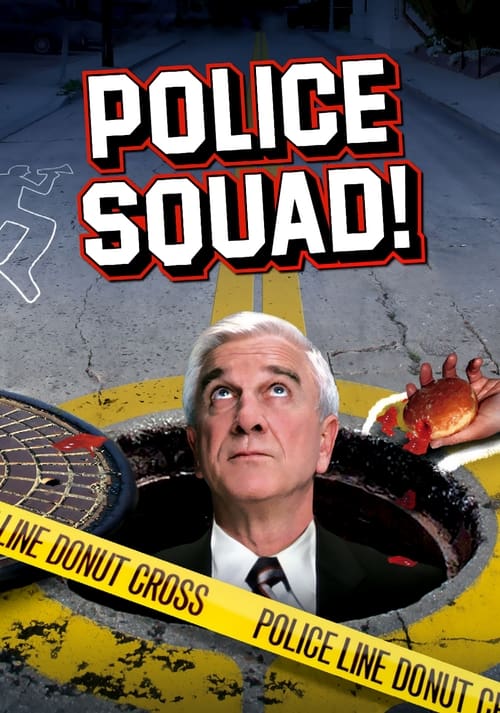
6. Police Squad!
Six episodes. That's all we got of 'Police Squad!' in 1982, and it was enough to birth a comedic legend. The Zucker brothers' rapid-fire gags, visual puns, and deadpan delivery were revolutionary. Leslie Nielsen's Frank Drebin was already perfecting his schtick, breaking the fourth wall before it was cool. It was a brilliant, absurd, and relentlessly funny send-up of cop shows that proved too smart for mainstream audiences at the time.
7 / 11
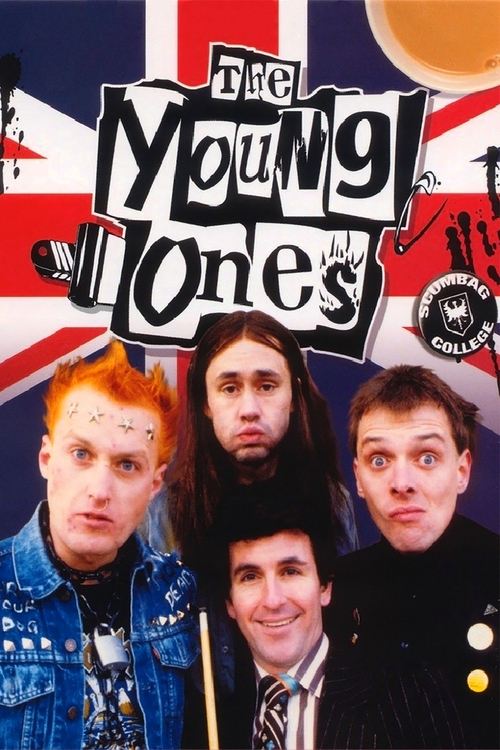
7. The Young Ones
This 1982 British sitcom was pure punk rock chaos on telly. Four mismatched, disgusting students, a talking hamster, and random musical interludes – it was a surreal, aggressive, and hilarious assault on conventional comedy. The practical effects were gloriously cheap, the editing was jarring, and the humor was dark and anarchic. It captured the messy, anti-establishment spirit of the early 80s perfectly. A true broadcast anomaly.
8 / 11

8. Tales from the Darkside
George Romero's 1984 anthology series brought weekly doses of macabre, twisted tales. It was low-budget, often featuring unsettling practical effects and a creeping sense of dread. Each episode was a self-contained horror story, often with a cruel twist ending. It embraced the strange and the unsettling, becoming a staple of late-night syndicated viewing. That opening theme and intro still give me chills. Pure, unadulterated cable horror.
9 / 11
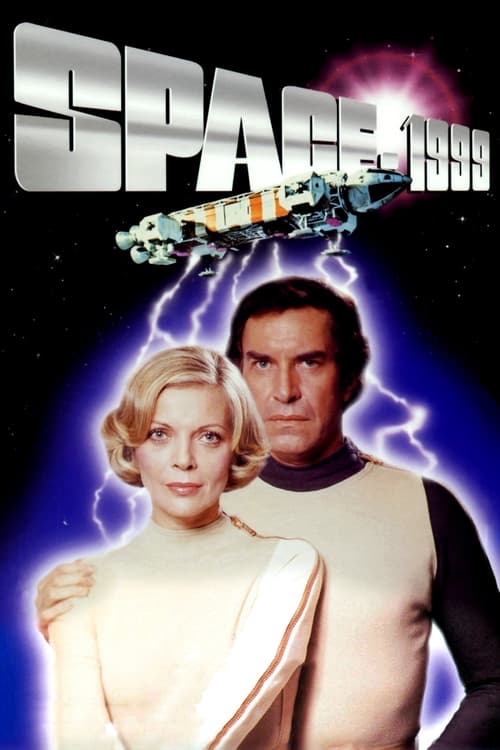
9. Space: 1999
'Space: 1999' was peak 70s sci-fi maximalism, a truly ambitious and visually stunning spectacle for 1975. The moon, ripped from Earth's orbit, hurtling through space, encountering bizarre aliens and cosmic phenomena. The Eagle Transporters were iconic, the practical effects were intricate, and the drama was often over-the-top and existential. It was grand, weird, and utterly captivating, despite its sometimes nonsensical science.
10 / 11
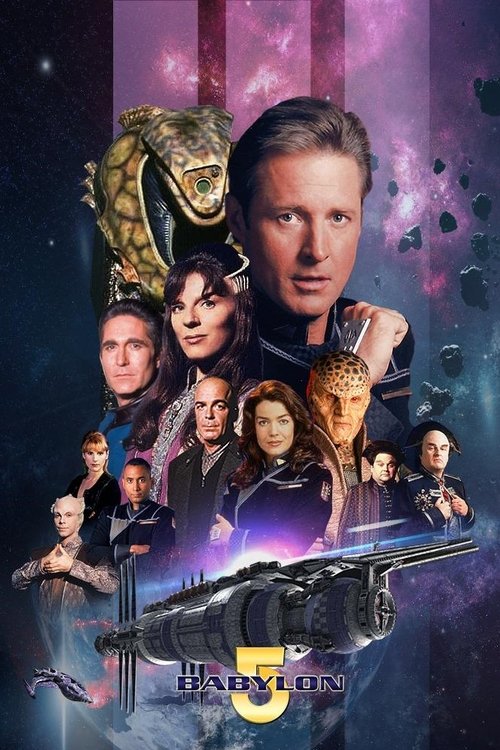
10. Babylon 5
'Babylon 5' wasn't just a space station; it was a five-year novel, planned from the start, a revolutionary move in 1994. It pioneered serialized storytelling in sci-fi, weaving a complex political tapestry with deep characters and epic space battles. The early CGI might look clunky now, but it was groundbreaking then, creating a fully realized universe. This show set the standard for what sci-fi could be, dark and mature.
11 / 11
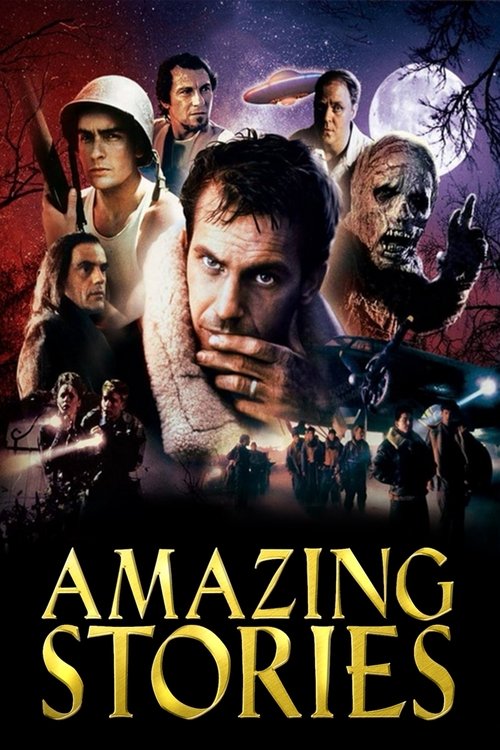
11. Amazing Stories
Spielberg's 1985 anthology series was a weekly dose of pure imagination. Each episode was a standalone mini-movie, ranging from heartwarming fantasy to eerie sci-fi, often directed by big names. It was a showcase for practical effects and inventive storytelling, a broadcast experiment in wonder and whimsy. While inconsistent, the best episodes were magical, reminding us of the potential for pure, unadulterated storytelling on the small screen.