1. Harold and Maude
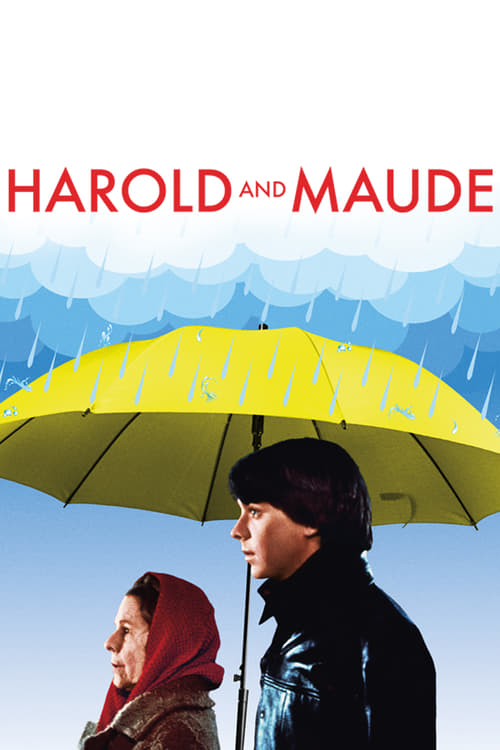
Harold and Maude (1971) remains a subversive gem, a pitch-black comedy from Hal Ashby that champions life against the backdrop of death. Its unconventional romance between a death-obsessed young man and a life-affirming octogenarian widow challenged societal norms with audacious humor and profound sentiment. Ashby’s distinctive directorial touch created a timeless cult classic, a poignant meditation on finding joy and connection in the most unexpected places, urging audiences to embrace individuality and the fleeting beauty of existence.

2. Possession
Andrzej Żuławski’s Possession (1981) is a visceral, unhinged exploration of marital collapse, set against a grim Cold War Berlin. Isabelle Adjani delivers an electrifying, almost mythological performance as Anna, whose descent into madness mirrors the film’s increasingly grotesque and surreal imagery. This isn't just a horror film; it's an operatic scream of existential dread, a raw, uncompromising vision of human relationships tearing themselves apart. Its sheer intensity and unique narrative audacity ensure its enduring, unsettling power.
3. Come and See
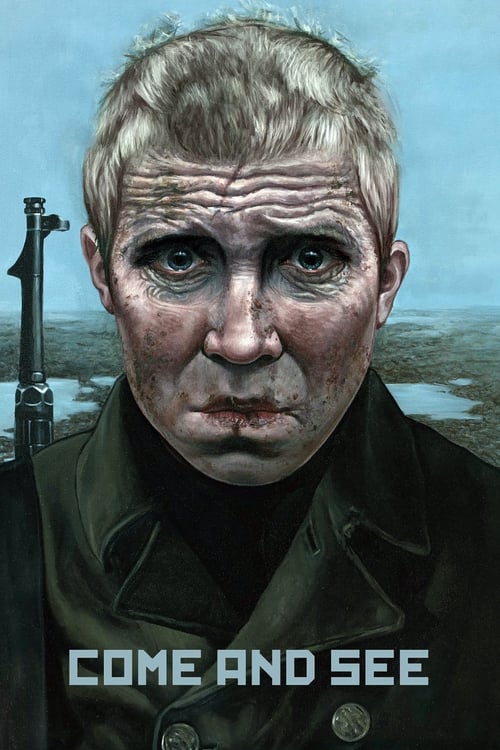
Elem Klimov’s Come and See (1985) is arguably the most unflinching cinematic depiction of war’s psychological devastation. Following a Belarusian boy’s journey through the horrors of Nazi occupation, it transcends mere historical recounting, immersing viewers in a nightmarish, hallucinatory reality. The film’s raw, unflinching gaze refuses to aestheticize violence, instead focusing on the indelible scars left on the human psyche. It is a harrowing, essential work, forever etched into the consciousness of those who witness it.
4. Wings of Desire
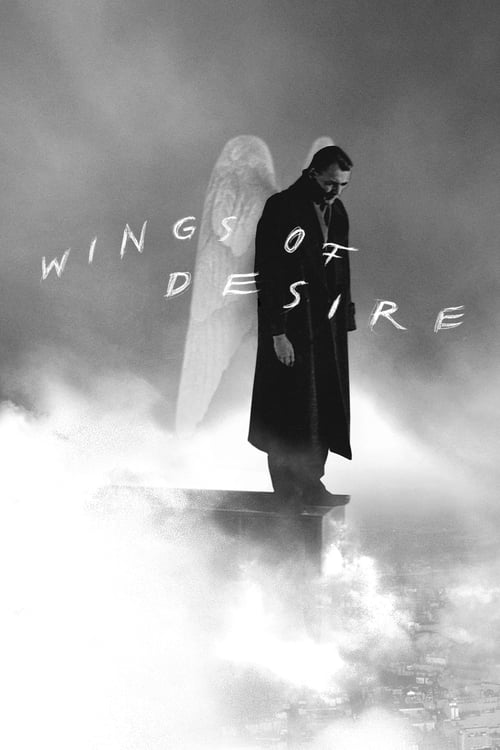
Wim Wenders’ Wings of Desire (1987) is a poetic, philosophical masterpiece, inviting audiences to observe humanity through the eyes of angels hovering over Berlin. Its luminous black-and-white cinematography gradually blossoms into color as an angel yearns for mortal experience, capturing the mundane beauty and profound loneliness of human life. Wenders crafts a deeply contemplative work, a meditation on connection, memory, and the bittersweet joy of presence, solidifying its place as a quintessential art-house experience.

5. Mikey and Nicky
Elaine May’s Mikey and Nicky (1976) stands as a monumental achievement in raw, uncomfortable cinema. A masterclass in improvisation and naturalistic performance, it plunges into the toxic depths of male friendship and betrayal within the criminal underworld. May’s unflinching direction strips away artifice, revealing the agonizing vulnerability beneath tough exteriors. Its gritty realism and agonizing tension, born from a notoriously chaotic production, cement its status as a vital, if underappreciated, piece of auteur filmmaking.

6. Beach House
The obscurity of a film like Beach House (1977), if it exists beyond the most niche of circles, speaks volumes about cinema’s vast, uncatalogued history. While many acclaimed works from this era found their audience, some visions truly disappear, leaving only whispers or none at all. Such films, however minor their initial footprint, represent the countless artistic endeavors that shaped the broader cinematic landscape in subtle, unrecorded ways, reminding us that some masterpieces remain truly unsung.
7. The Vanishing
George Sluizer’s original Dutch-French thriller, The Vanishing (1988), is a chilling masterclass in psychological suspense, far surpassing its American remake. It eschews cheap scares for an unnerving exploration of obsession and the terrifying banality of evil. The film’s genius lies in its relentless, methodical unraveling of a mystery, culminating in one of cinema’s most disturbing and unforgettable endings. Its profound impact stems from its unflinching portrayal of human curiosity taken to its darkest, most existential extreme.
8. Seconds
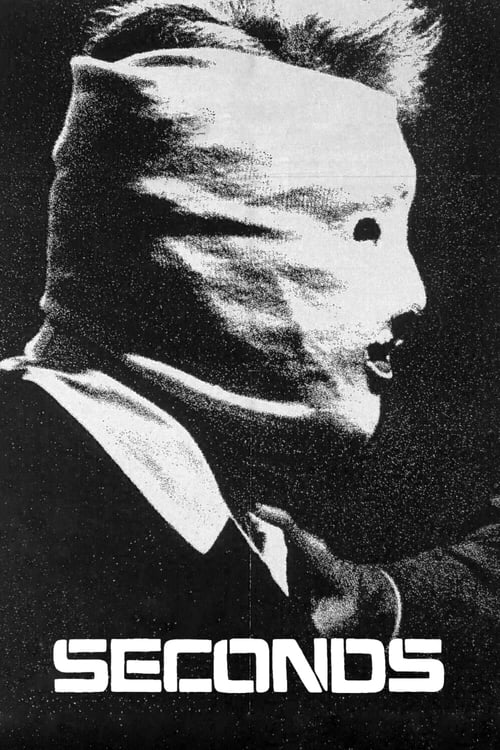
John Frankenheimer’s Seconds (1966) is a nightmarish dive into identity crisis and societal alienation, a chilling sci-fi thriller years ahead of its time. Rock Hudson delivers a career-defining performance as a man who fakes his death for a new life, only to find himself trapped in a new, equally suffocating existence. Its striking cinematography and paranoid tone create an unsettling vision of conformity and existential dread, questioning the very essence of personhood in a consumerist world.
9. The Cremator
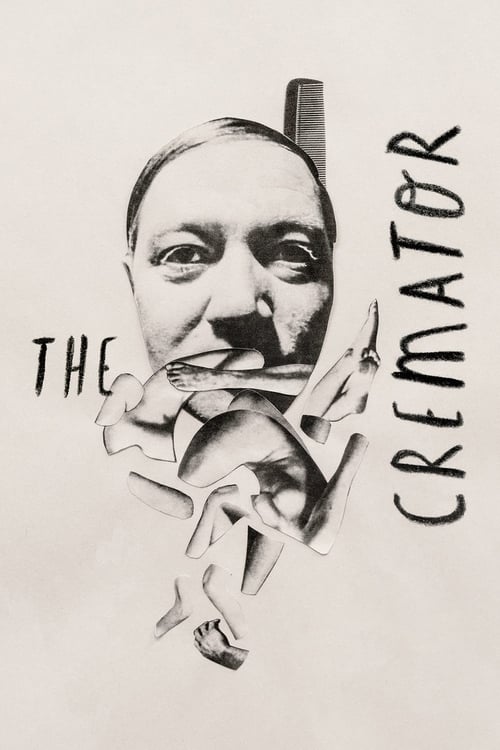
Juraj Herz’s The Cremator (1969), a darkly comedic and deeply unsettling work of the Czech New Wave, follows a crematorium manager whose descent into madness mirrors the rise of fascism. Karel Roden’s chillingly charismatic performance anchors this macabre tale, blending surrealism with grotesque humor. Its unique visual style, featuring distorted perspectives and unsettling jump cuts, crafts a truly original horror-satire, a profound and disturbing commentary on evil’s insidious, almost charming, allure.
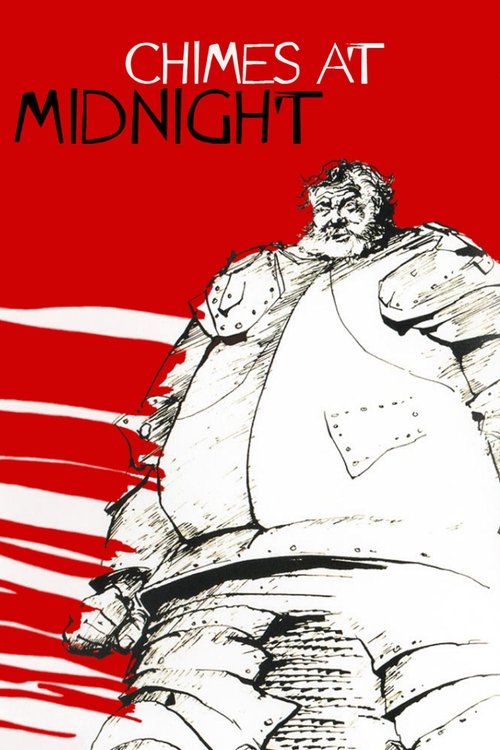
10. Chimes at Midnight
Orson Welles’ Chimes at Midnight (1965) stands as his most personal and arguably greatest film, distilling Shakespeare’s Falstaff into a poignant elegy for friendship and lost innocence. Welles himself embodies the corpulent knight with heartbreaking vulnerability, delivering a profound meditation on loyalty, power, and the bittersweet nature of aging. The Battle of Shrewsbury sequence remains a masterclass in chaotic, visceral filmmaking. It is a profound work of auteur cinema, tragically overlooked for decades.