
1 / 10
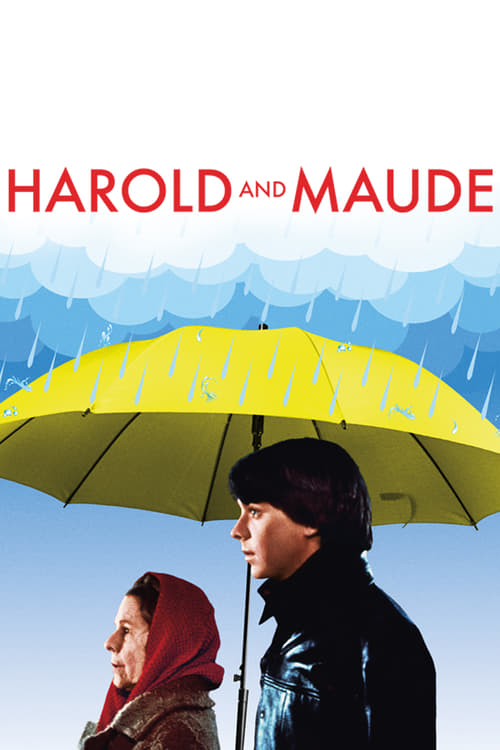
1. Harold and Maude
Hal Ashby's 1971 dark comedy is an audacious, tender exploration of life, death, and finding connection in unexpected places. The burgeoning romance between a death-obsessed young man and an octogenarian woman, set against Cat Stevens' evocative soundtrack, was genuinely subversive for its time. It’s a film that defiantly champions embracing life's eccentricities and finding joy in the unconventional, offering a surprisingly profound meditation on existence and freedom. This singular vision remains as vital and charmingly peculiar today.
2 / 10
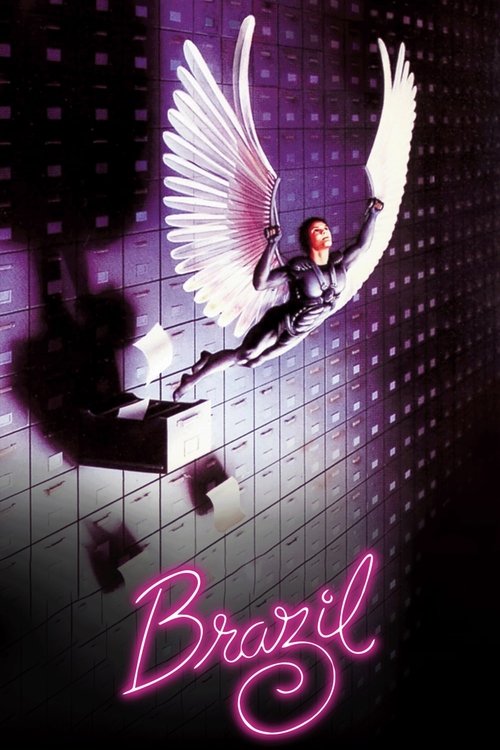
2. Brazil
Terry Gilliam's 1985 dystopian masterpiece is a fever dream of bureaucratic absurdity and retro-futuristic design. This is a pointed, darkly comedic satire on the suffocating nature of a hyper-regulated society, where a man's quest for true love is constantly thwarted by systemic inefficiency and oppressive surveillance. Its visual inventiveness and biting social commentary, particularly regarding the individual versus the state, resonate with increasing relevance. The film stands as a testament to Gilliam's unique, often chaotic, vision.
3 / 10
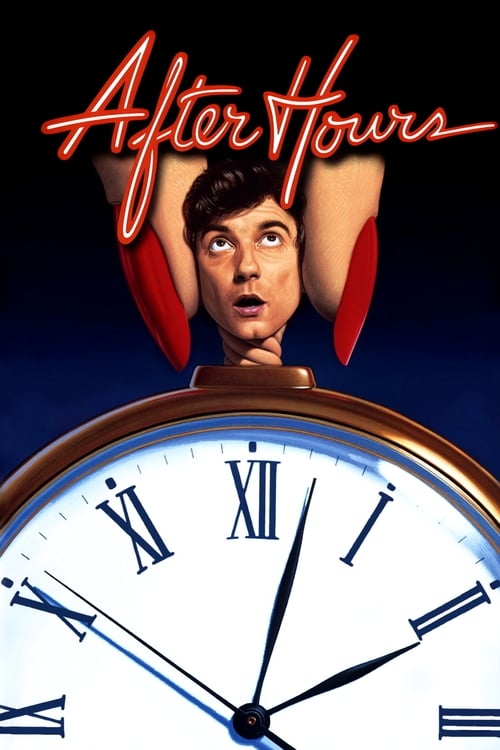
3. After Hours
Martin Scorsese's 1985 black comedy is a relentless, anxiety-inducing odyssey through a surreal New York night. Paul Hackett's increasingly desperate attempts to return home after a disastrous date spiral into a darkly comical nightmare of mistaken identity, bizarre encounters, and escalating paranoia. It's a masterclass in sustained tension and urban alienation, a stark departure from Scorsese's more epic works, yet equally incisive in its portrayal of human fragility and the absurdities of modern life.
4 / 10
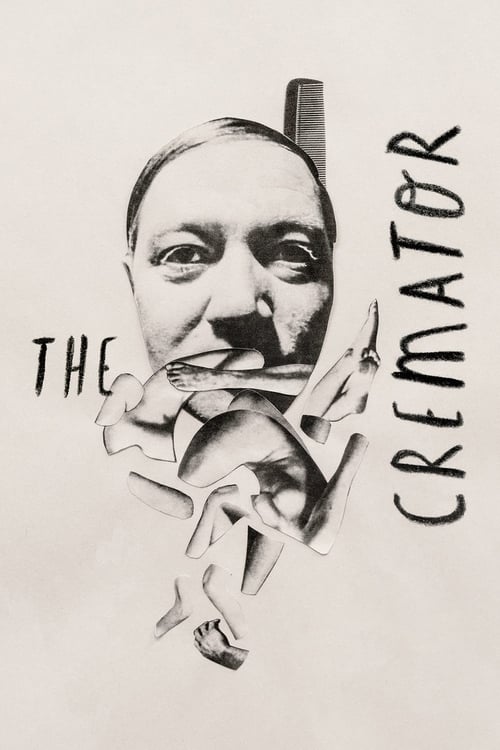
4. The Cremator
Juraj Herz's 1969 Czechoslovak New Wave horror-comedy is a chilling, darkly poetic descent into madness. Karel Kopfrkingl, a cremator who believes his work liberates souls, gradually succumbs to a grotesque ideology under the influence of Nazism. Its unsettling narrative, combined with an expressionistic visual style and a haunting score, creates a truly unique and disturbing portrait of complicity and fanaticism. The film's unique tone shifts from macabre humor to genuine terror with unsettling ease.
5 / 10

5. Withnail & I
Bruce Robinson's 1987 cult classic is a bleakly hilarious ode to bohemian squalor and the painful end of an era. Two unemployed, debauched actors escape their grimy London flat for a disastrous rural retreat, encountering eccentric locals and their own mounting desperation. The film's quotable dialogue, memorable performances by Richard E. Grant and Paul McGann, and a pervasive sense of melancholic decay create a uniquely British comedic experience that endures as a profound, albeit drunken, character study.
6 / 10

6. Mikey and Nicky
Elaine May's 1976 neo-noir is an intense, agonizingly real portrait of friendship, betrayal, and the corrosive nature of the criminal underworld. John Cassavetes and Peter Falk deliver raw, improvised performances as two lifelong friends, one a hitman, the other marked for death, spending a desperate night together. May's uncompromising direction captures the volatile, claustrophobic intimacy, exposing the raw nerves of loyalty and deceit. It's a masterclass in character-driven drama, often overlooked.
7 / 10

7. Primer
Shane Carruth's 2004 independent sci-fi thriller is a mind-bending, low-budget marvel of intellectual ambition. Two engineers accidentally discover time travel and attempt to exploit it, leading to an increasingly complex and disorienting narrative. The film demands multiple viewings, meticulously constructed with scientific realism and ethical dilemmas, eschewing exposition for a deeply intricate plot. Its cerebral approach to a familiar trope offers a uniquely challenging and rewarding cinematic puzzle.
8 / 10
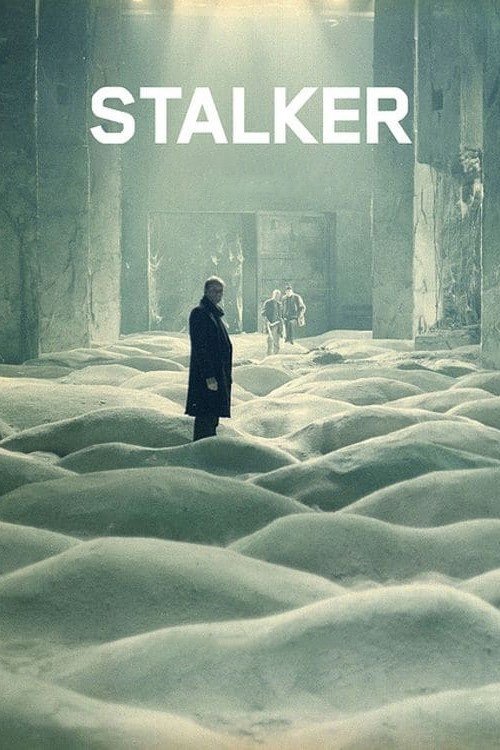
8. Stalker
Andrei Tarkovsky's 1979 meditative science fiction film is a profound, almost spiritual journey into the human psyche. A guide, known as the "Stalker," leads a writer and a scientist through the mysterious "Zone" to a room rumored to grant deepest wishes. Its deliberate pacing, stunning cinematography, and philosophical depth create an immersive, hypnotic experience. Tarkovsky explores faith, hope, and the elusive nature of desire, crafting a masterpiece of atmospheric introspection.
9 / 10
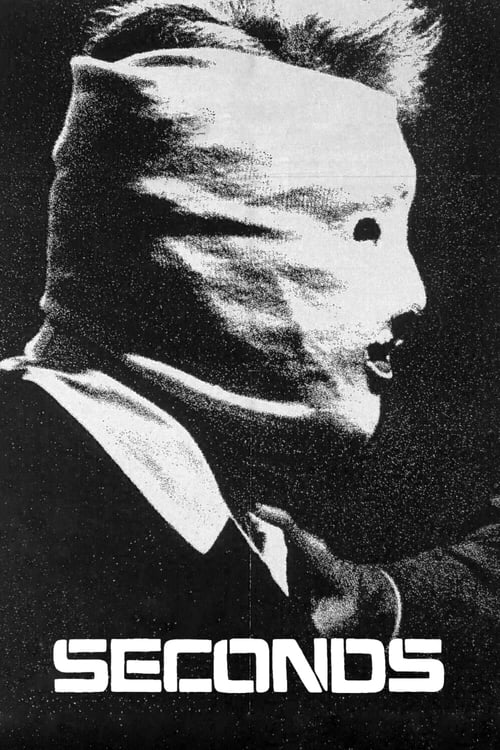
9. Seconds
John Frankenheimer's 1966 psychological thriller is a chilling, prescient examination of identity and the pursuit of reinvention. A disillusioned banker undergoes a radical surgical procedure to assume a new life, only to find the promise of freedom replaced by an existential nightmare. Rock Hudson's bold performance anchors this unsettling, visually striking film-noir-esque tale. Its themes of conformity, alienation, and the impossibility of escaping oneself resonate powerfully, a true classic of paranoid cinema.
10 / 10

10. Wake in Fright
Ted Kotcheff's 1971 Australian New Wave classic is a brutal, sun-baked descent into primal masculinity and the dark heart of the outback. A schoolteacher, stranded in a remote mining town, succumbs to a harrowing binge of alcohol, gambling, and violent behavior. The film's unflinching portrayal of toxic camaraderie and an unraveling psyche is profoundly disturbing. Its raw intensity and visceral atmosphere make it a potent, unforgettable exploration of human nature pushed to its limits.