
1 / 9

1. Terranigma
A late-era Super Nintendo RPG, it arrived when attention was shifting to the PlayStation. This action-RPG, never officially released in North America, told a poignant, ambitious story of a resurrected world and humanity's journey from primitive to technological. Its sprawling narrative and unique setting, focusing on Earth's rebirth and evolution, gave it a cult status, proving a game's impact isn't always about market saturation but often about its profound, quiet narrative strength.
2 / 9
2. Pathologic 2
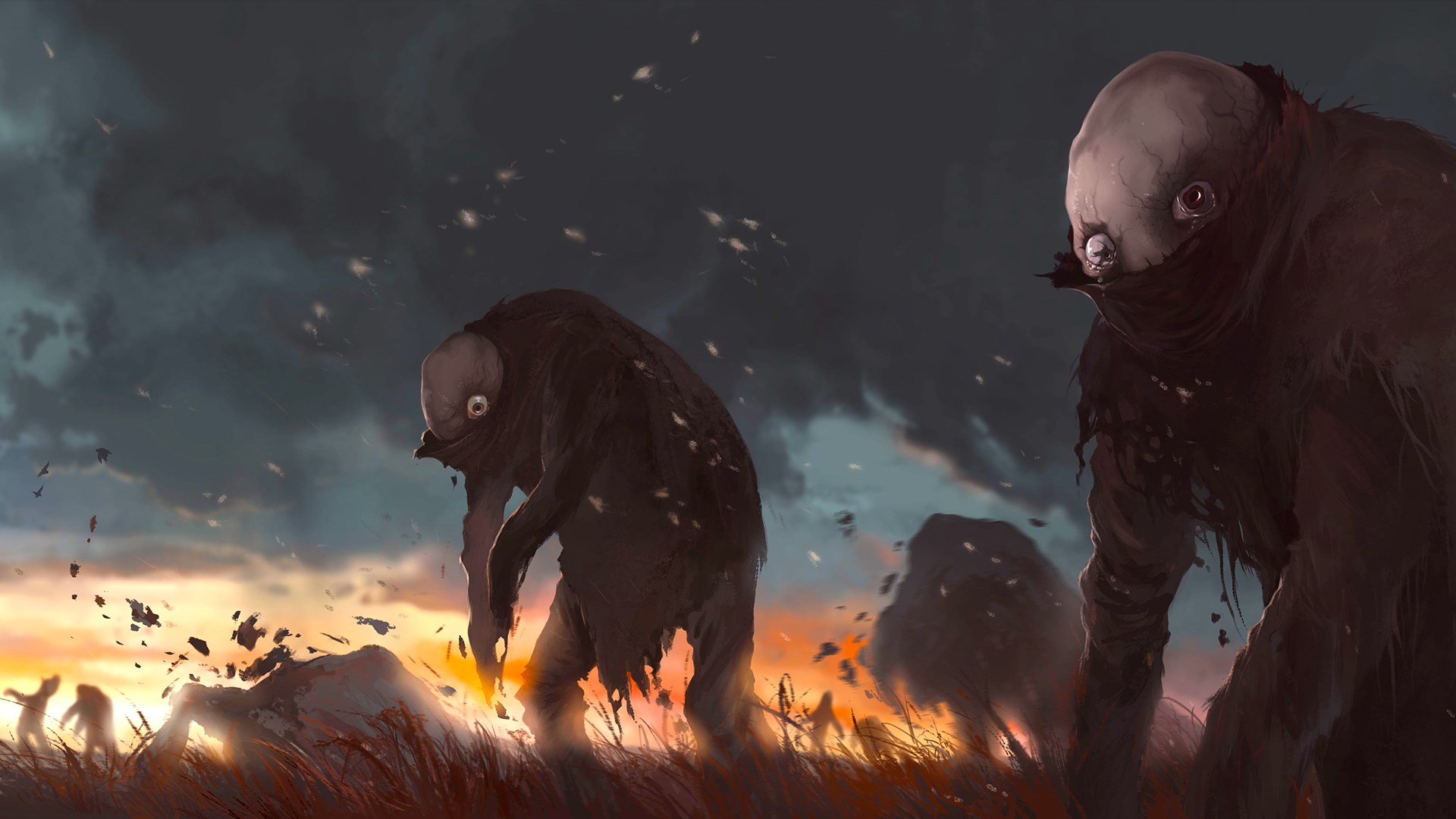
A punishing, suffocating experience, this game isn't just difficult; it's designed to make you fail. Set in a plague-ridden steppe town, you're a doctor racing against time, resources, and your own collapsing sanity. It actively resists player comfort, forcing moral compromises and resource scarcity to amplify its grim, philosophical narrative. While not a commercial giant, its uncompromising vision and narrative depth have earned it a fiercely loyal following among those who appreciate its brutal honesty.
3 / 9
3. Disco Elysium: Final Cut
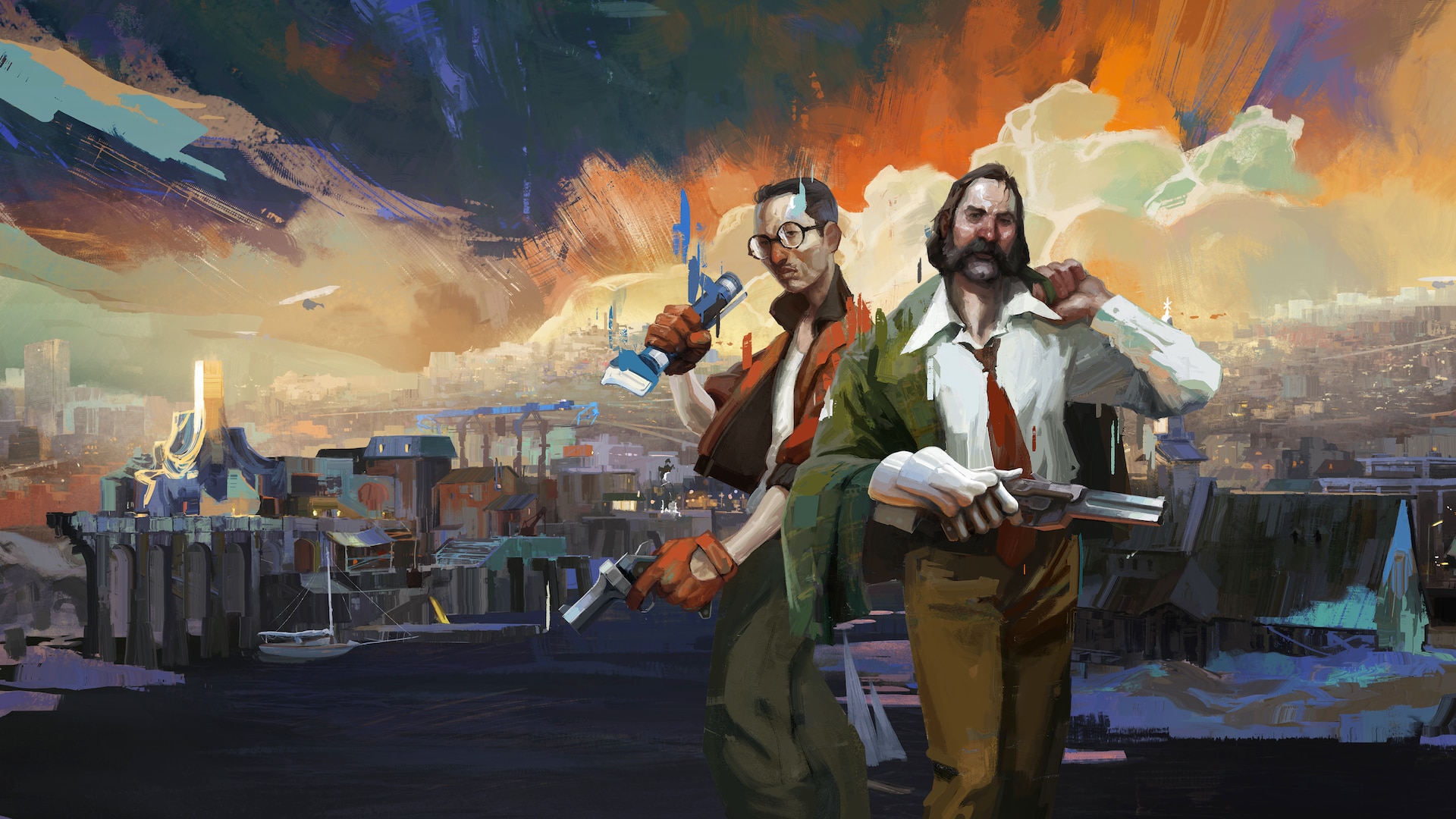
This isn't just an RPG; it's a profound, literary experience. As a detective with amnesia, you navigate a politically charged, decaying city, with your own inner thoughts as your most unreliable companions. The "Final Cut" solidified its place, adding full voice acting and new quests, enhancing its already dense, thought-provoking narrative and branching dialogue. It redefined what interactive storytelling could be, proving that deep character introspection and systemic world-building can coexist beautifully.
4 / 9
4. The Messenger
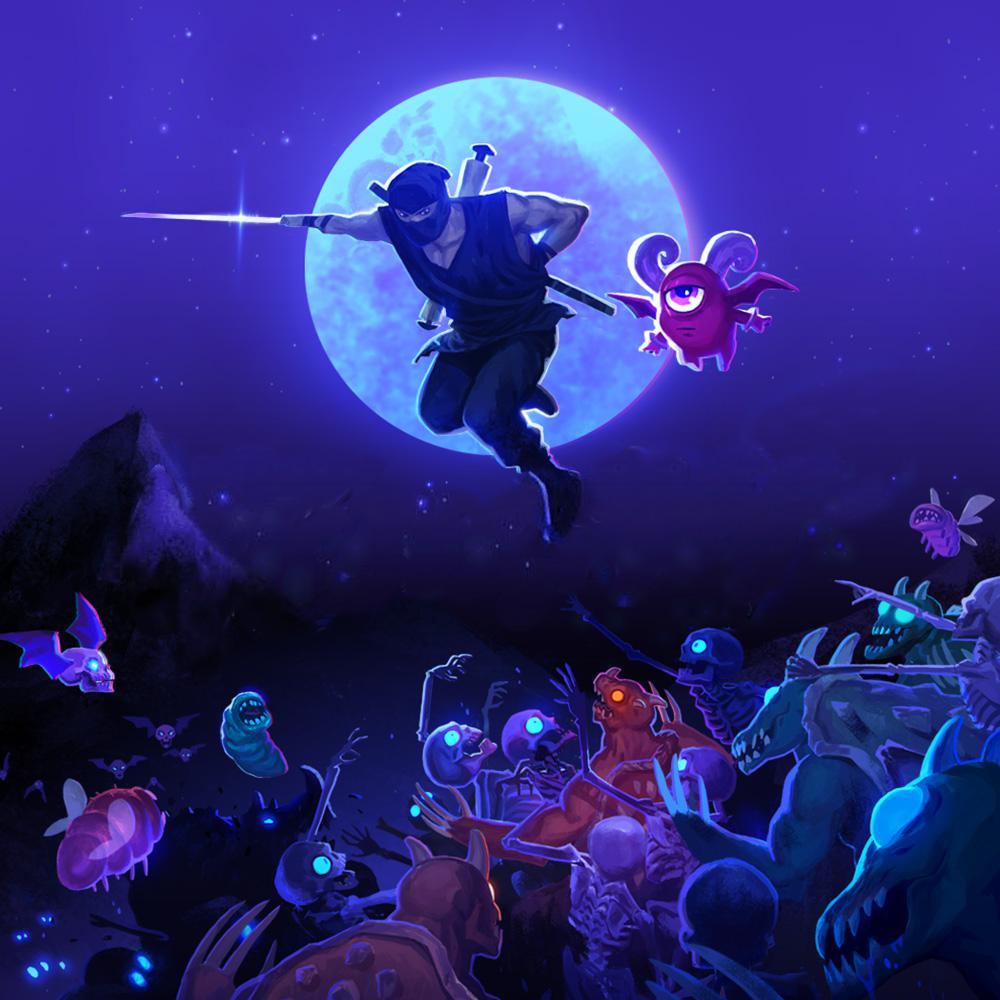
A brilliant homage and subversion of classic ninja platformers, this game expertly blends 8-bit and 16-bit aesthetics. It starts as a straightforward retro platformer, then cleverly folds in Metroidvania elements and time-travel mechanics, transforming itself mid-game. Its sharp writing, self-aware humor, and tight controls make it more than just a nostalgic trip; it's a masterclass in evolving gameplay while still honoring its roots, ensuring its place as a modern indie classic.
5 / 9
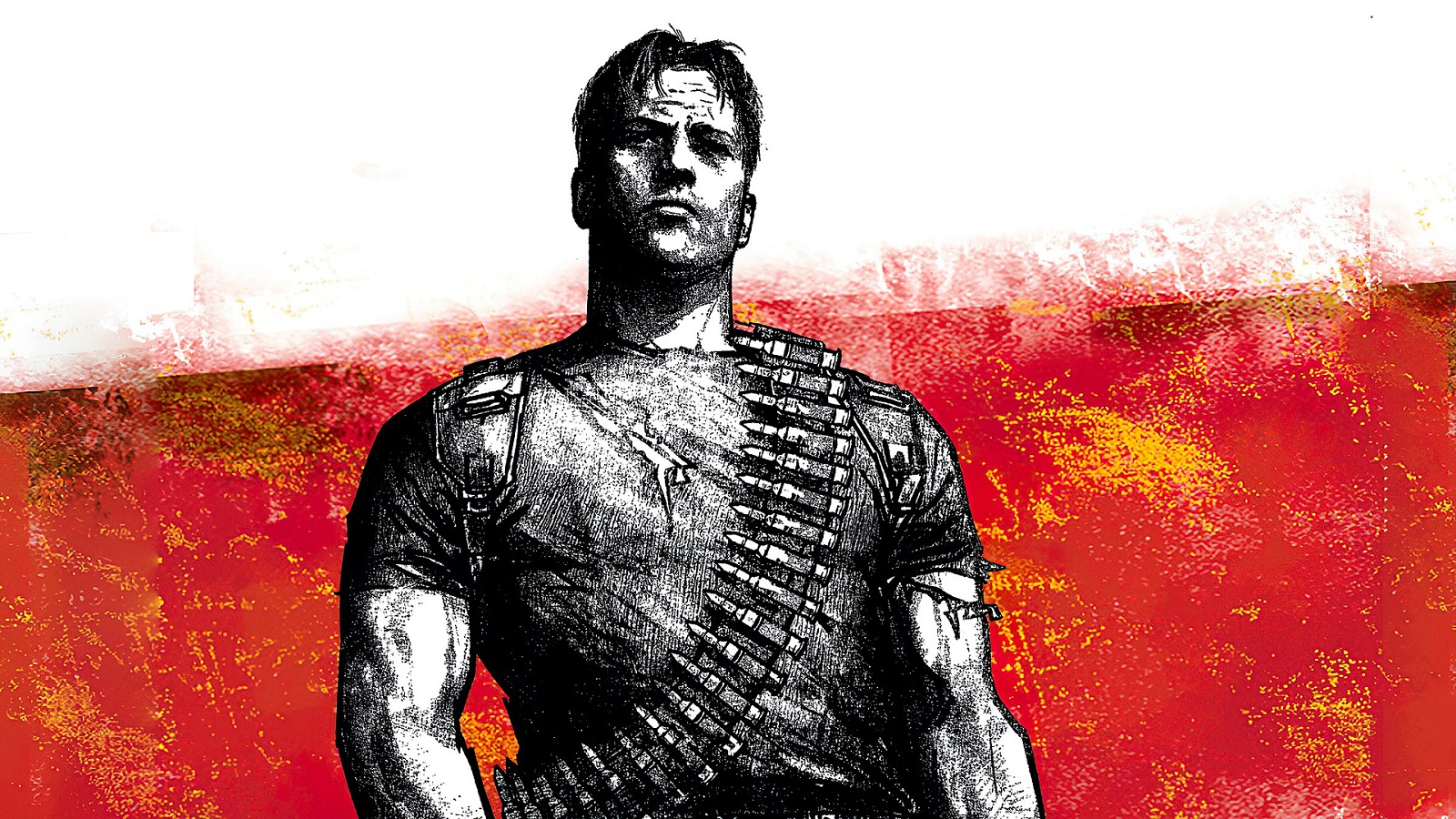
5. Freedom Fighters
A unique blend of third-person shooter and squad-based tactics, this game presented a compelling alternate history where the Soviet Union invaded and occupied New York. You lead a growing resistance, liberating areas and recruiting civilians. Its innovative "charisma" system, where your actions directly influenced the size of your rebel force, felt fresh. It was a solid, engaging experience that, despite critical acclaim, never quite reached the broader recognition it deserved, becoming a sleeper hit.
6 / 9

6. The Chronicles of Riddick: Escape from Butcher Bay
This game was a revelation. Based on a movie franchise, it completely defied expectations for licensed titles by delivering a dark, brutal, and atmospheric stealth-action FPS. Vin Diesel's involvement went beyond mere voice acting; he was genuinely invested. Its prison break narrative, blending stealth, melee combat, and shooting, felt incredibly polished and immersive, demonstrating that a strong vision can elevate even a tie-in game to cult status.
7 / 9
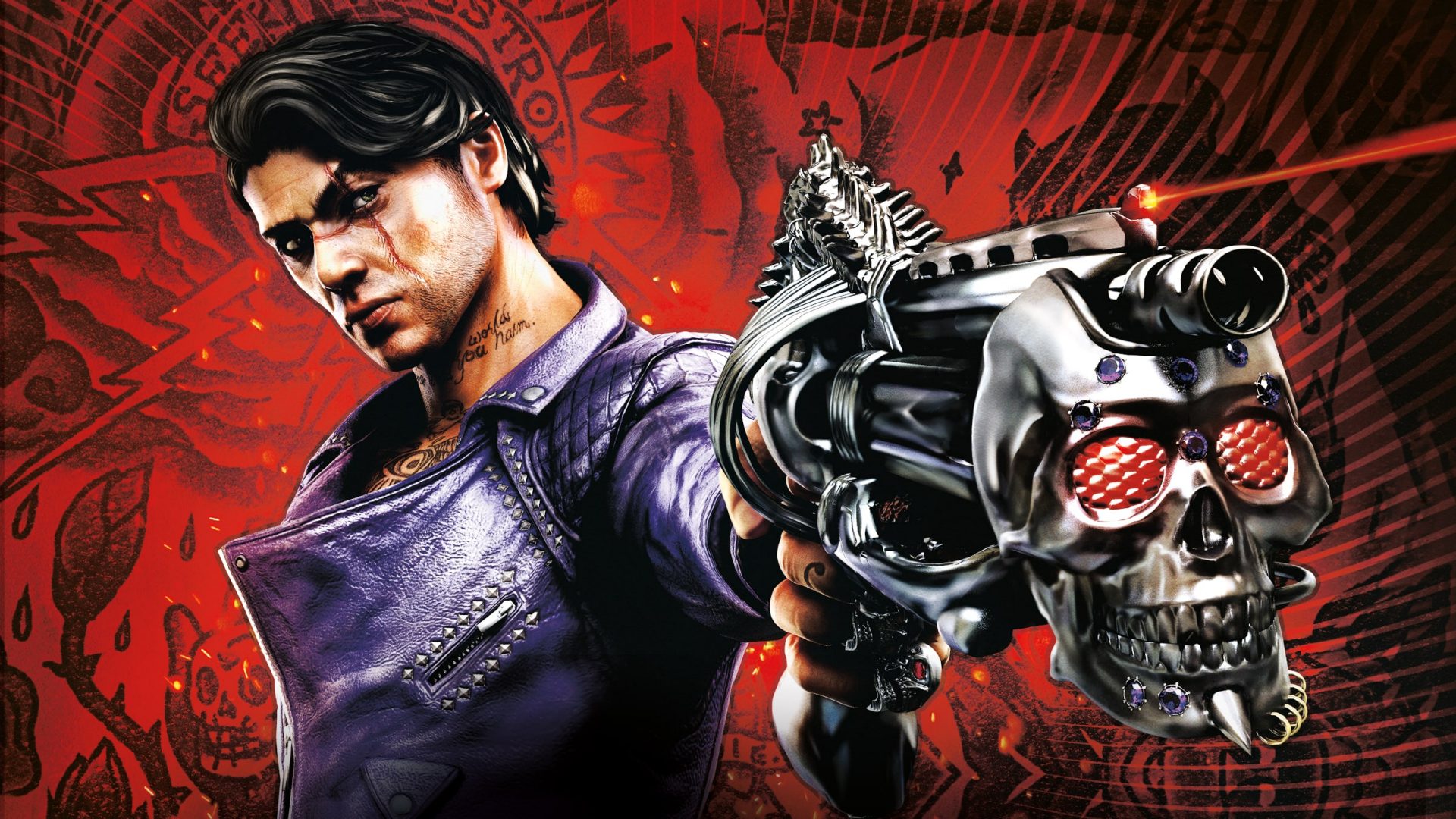
7. Shadows of the Damned
From the minds of Suda51 and Shinji Mikami, this title is a bizarre, raunchy, and surprisingly heartfelt journey through the depths of hell. It's a third-person shooter steeped in grotesque humor and punk rock aesthetics, where your demonic sidekick transforms into your weapons. Its distinctive style, memorable characters, and wild narrative cemented it as a unique, overlooked gem. It's a game that committed fully to its outrageous vision, for better or worse.
8 / 9
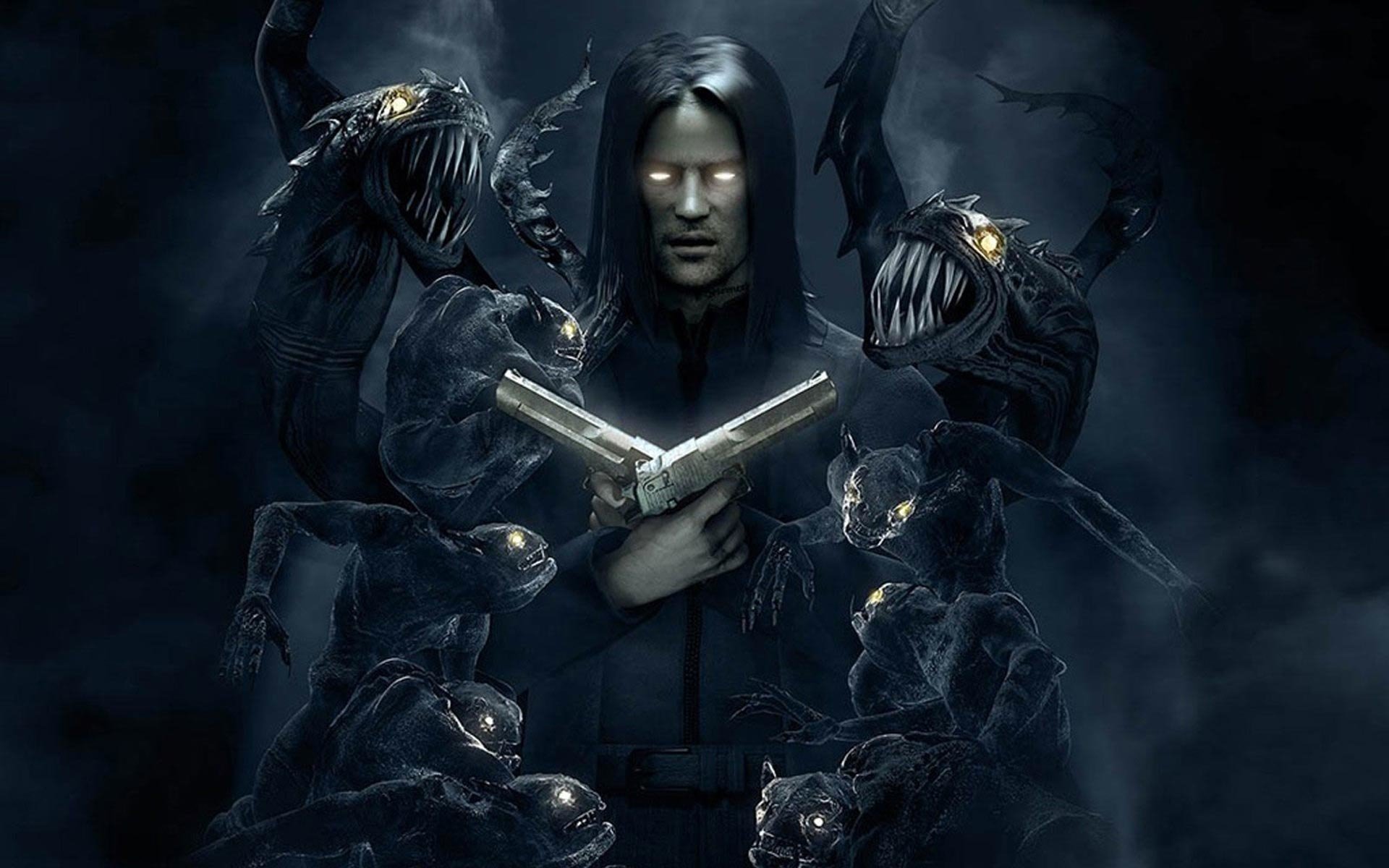
8. The Darkness
This FPS blended supernatural powers with a genuinely compelling crime drama narrative. Playing as Jackie Estacado, a mob hitman possessed by an ancient entity, you wield shadow tentacles and darklings while navigating a gritty New York underworld. Its mature storytelling, strong voice acting, and the unsettling contrast between mundane human drama and horrific supernatural violence made it stand out. It proved that licensed comic book games could explore darker, more personal themes.
9 / 9
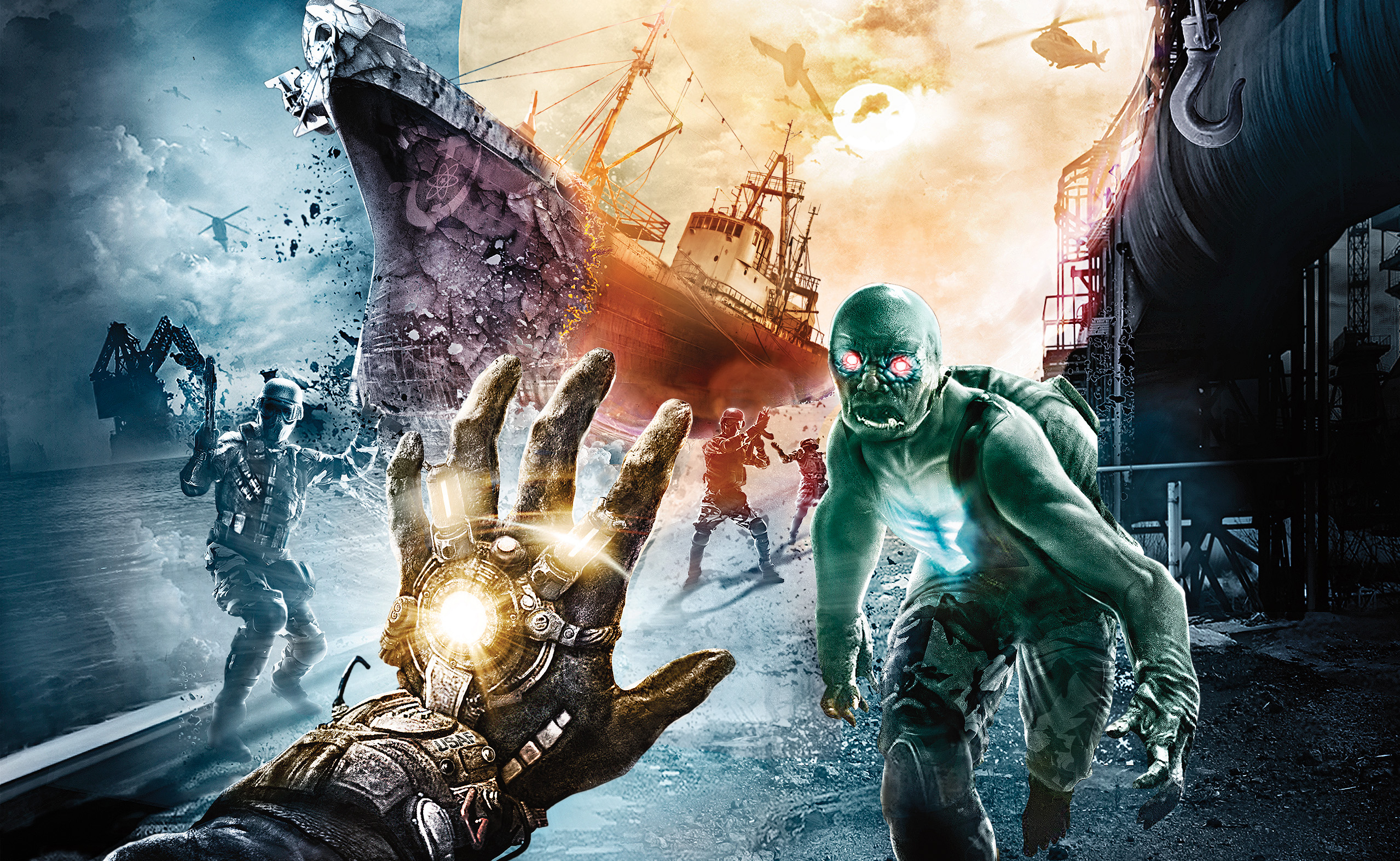
9. Singularity
A first-person shooter that leaned heavily into sci-fi horror and time manipulation mechanics. Set on a mysterious Soviet island, you gain a device that can age or revert objects and enemies, creating clever environmental puzzles and combat scenarios. While it might have been overshadowed by other shooters of its era, its unique time-bending gameplay, eerie atmosphere, and intriguing narrative offered a distinct experience that deserved more attention, becoming a favorite among those who found it.