

1. Cross Road Blues
Johnson’s spectral wail and devil-laced guitar work laid down the blueprint for everything electric that followed. This wasn't just music; it was a pact, a desperate howl from the Delta dirt that reverberated through every distorted riff and anguished vocal performance for decades. Its stark intimacy and mythical weight remain undiminished, a primal source of rock’s dark energy. You feel the grit, the desperation, the raw, untamed spirit of the blues distilled to its essence.
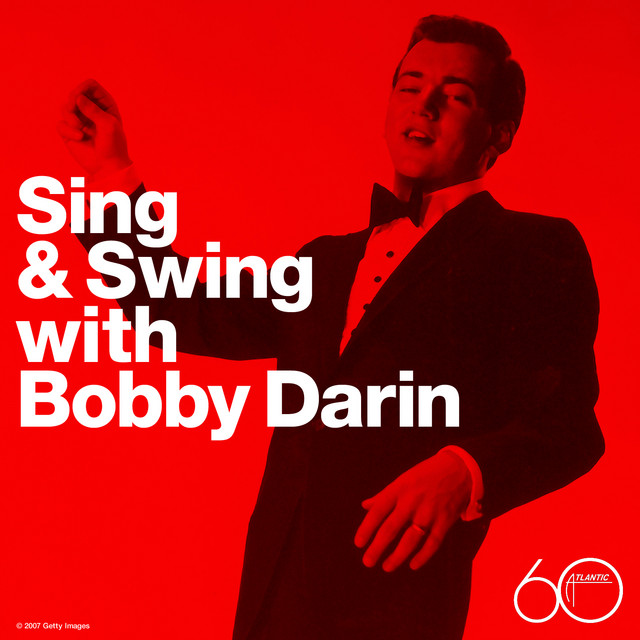
2. Sing & Swing with Bobby Darin
Darin was the flip side of the coin, the slick showman translating raw energy into something palatable for the masses. His swing albums, while polished, demonstrated an undeniable mastery of vocal delivery and presentation. He brought a certain cool, a swagger that, while far from the gut-bucket blues, showed how an artist could command a stage and an audience. It was sophisticated, yes, but carried an undercurrent of ambition that couldn't be ignored.
3. Cocomelo
This... thing. It's not an unholy racket that shaped *my* ears. It's a saccharine, digitally-rendered distraction for infants, utterly devoid of the grit, the rebellion, or the genuine human struggle that defines actual music. If this is shaping anything, it’s a generation’s tolerance for banality. We’re talking about the foundational rumblings of rock and roll, the primal scream of punk – not algorithmically generated nursery rhymes. It's an aural pacifier, not a revolution.
4. Rocket 88
Before rock and roll had a name, it had this. Jackie Brenston and his crew, including Ike Turner on keys, blasted out a sound that was pure, unadulterated velocity. That distorted guitar, raw and unhinged, coupled with the driving beat – it was a direct shot of adrenalized rhythm & blues straight into the bloodstream. You could hear the future rattling in its grooves, laying the groundwork for every greaser, rebel, and guitar slinger to come. It was the sound of something new, dangerous, and vital.
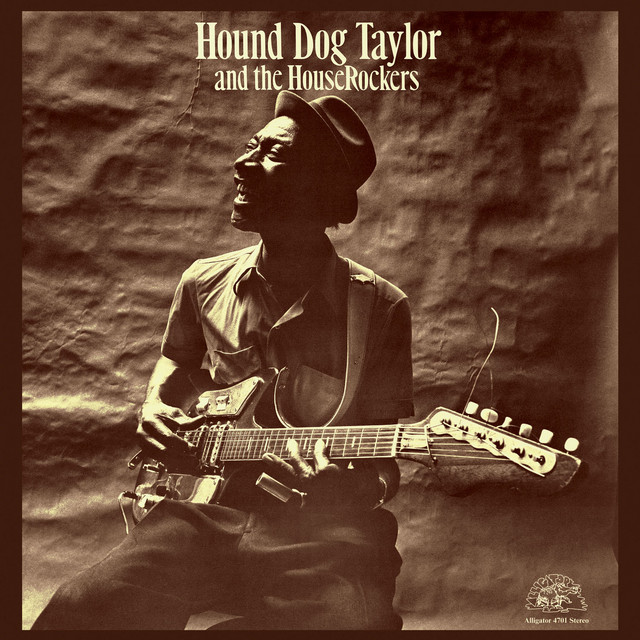
5. Hound Dog Taylor and The Houserockers
When Taylor hit the stage, it wasn't about finesse; it was about raw, unvarnished power. His slide guitar, often played with only six fingers due to an accident, sounded like a buzzsaw tearing through a juke joint. This was Chicago blues stripped down to its greasy, electric core – two guitars, drums, no bass, just pure, relentless boogie. It was the sound of a good time and bad intentions, a true unholy racket.
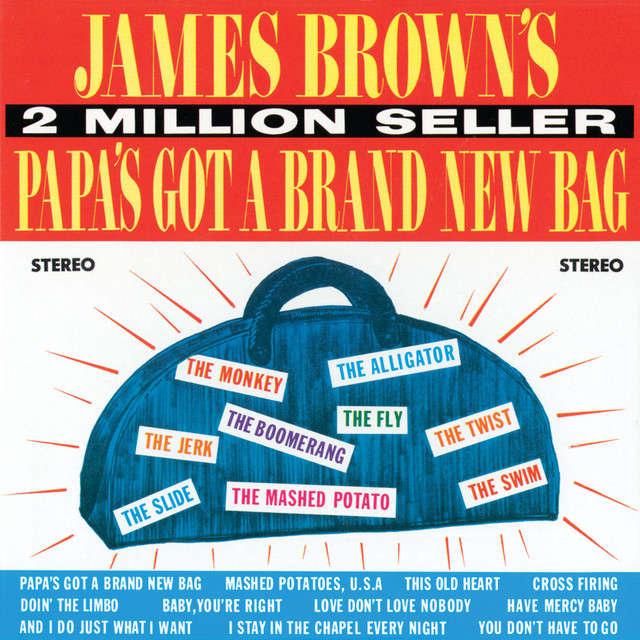
6. Papa's Got A Brand New Bag
James Brown didn't just sing; he invented a new way of moving, a new way of playing. This track was a seismic shift, breaking music down into its rhythmic components, each instrument a percussive element. The groove became king, the downbeat a weapon. It was funky before funk was a word, a complex interlocking machine of rhythm that demanded you move. This was the foundation for an entire genre, a masterclass in controlled chaos and irresistible propulsion.

7. Anarchy in the U.K. (Acoustic)
Stripped of its electric venom, "Anarchy" still bites. You hear the skeletal framework of defiance, the pure, undiluted sneer in Rotten's delivery even without the wall of distorted guitars. It proves the song's fundamental power lies not just in its sonic aggression, but in its absolute rejection of the status quo. The message remains stark, unsettling, and undeniably potent, a blueprint for raw, unfiltered rebellion, even in its barest form.
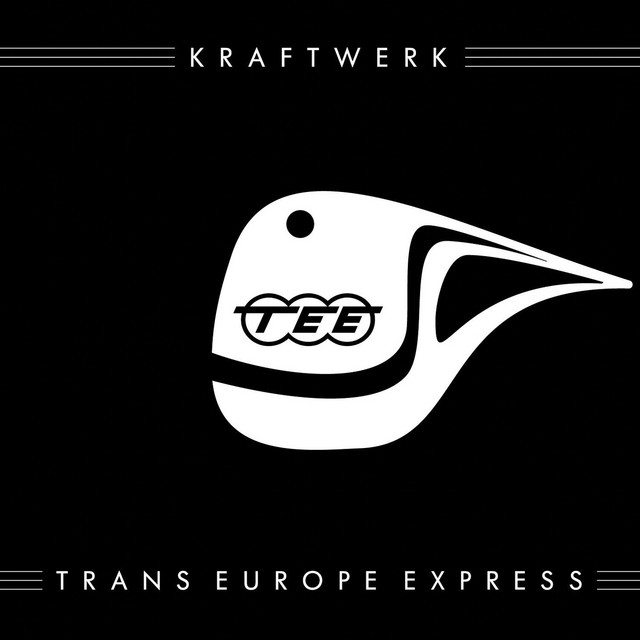
8. Trans-Europe Express (2009 Remaster)
Kraftwerk built the future, track by track. This wasn’t just music; it was a stark, rhythmic vision of modernity, a precisely engineered journey. The 2009 remaster just highlights the clinical brilliance, the cold, almost detached beauty of their electronic minimalism. It hums with an austere power, laying the cold, metallic groundwork for techno, electro, and half the electronic music that came after. It’s the sound of machines dreaming.
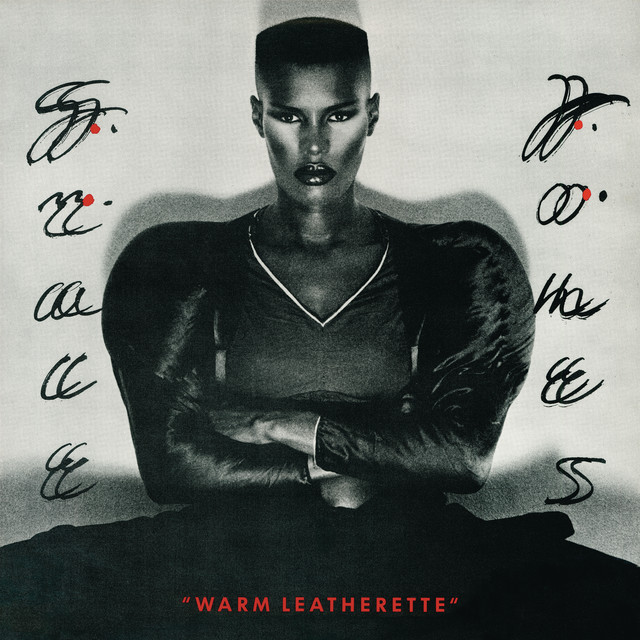
9. Warm Leatherette
The Normal’s single was a cold, clinical shock to the system. It’s stark, mechanical, and unsettling, a perfect distillation of early industrial dread. Daniel Miller’s detached vocal over that relentless, pulsating synth and drum machine creates an atmosphere of urban alienation that’s both chilling and utterly compelling. It wasn’t about hooks; it was about mood, about a future where humanity felt increasingly redundant. A true post-punk masterpiece of disquiet.

10. She Lost Control
Joy Division channeled the grey skies of Manchester into something profoundly beautiful and disturbing. Ian Curtis’s baritone, the relentless, almost martial drumming, and those sparse, echoing guitars – it all coalesced into a sound that was both haunting and powerfully rhythmic. It’s a descent into personal turmoil, an exploration of mental anguish made palpable through sound. This was post-punk's dark heart, pulsing with an icy, undeniable urgency.