
1. Blade Runner
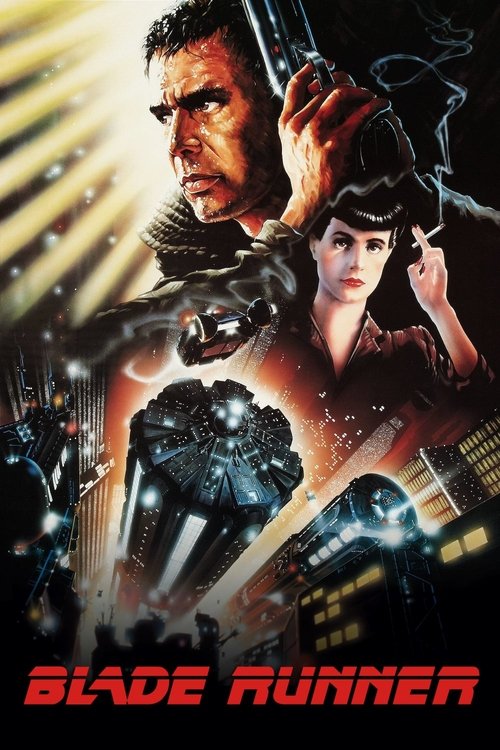
A seminal work, Ridley Scott's *Blade Runner* redefined science fiction, plunging viewers into a rain-slicked, neon-drenched dystopia. Its deep philosophical inquiries into humanity, artificial intelligence, and memory, coupled with unparalleled production design, birthed the cyberpunk aesthetic. This film isn't just a visual feast; it's a profound meditation on existence that continues to resonate, influencing countless imitators and shaping the genre's trajectory for decades.
2. Pulp Fiction
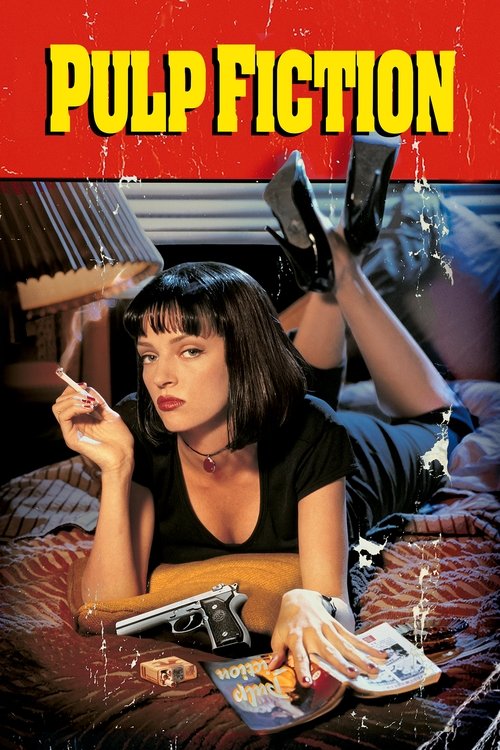
Quentin Tarantino's audacious *Pulp Fiction* shattered narrative conventions, presenting a non-linear mosaic of L.A.'s criminal underworld. Its self-aware dialogue, iconic characters, and genre-bending audacity revitalized independent cinema, proving that stylistic bravado could be both commercially successful and critically acclaimed. This film didn't just break rules; it rewrote the playbook for an entire generation of filmmakers, cementing Tarantino's auteur status.
3. The Godfather
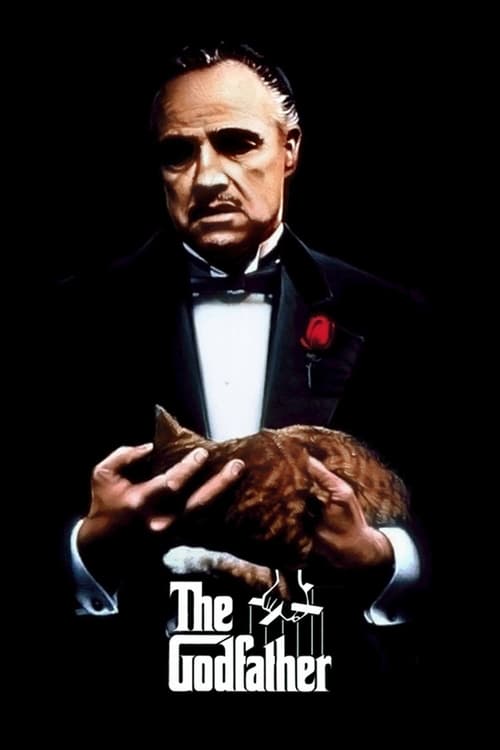
Francis Ford Coppola's *The Godfather* transcends the gangster genre, offering a Shakespearean epic of power, family, and corruption. Its meticulous direction, masterful performances, and operatic scope established new benchmarks for cinematic storytelling. The film profoundly influenced how complex moral ambiguities and multi-generational sagas are depicted, becoming an enduring cultural touchstone and a quintessential example of auteur-driven filmmaking at its zenith.
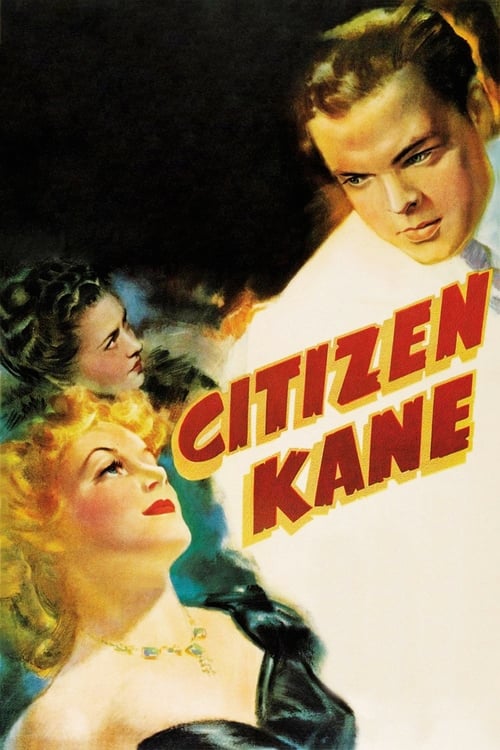
4. Citizen Kane
Orson Welles's *Citizen Kane* remains a cornerstone of cinematic innovation, pioneering techniques like deep focus, non-linear storytelling, and complex sound design. Its audacious narrative structure, examining a publishing magnate's life through multiple perspectives, challenged conventional filmmaking. The film's influence on visual language and narrative experimentation is immeasurable, solidifying its place as a perennial subject of study and a testament to Welles's visionary genius.

5. Seven Samurai
Akira Kurosawa's *Seven Samurai* is a monumental achievement in action filmmaking and character development, laying the groundwork for countless ensemble-driven narratives. Its intricate choreography, compelling moral dilemmas, and epic scope have been endlessly imitated, particularly in Westerns and war films. Kurosawa masterfully crafted a tale of honor and sacrifice, demonstrating how grand spectacle can be imbued with profound humanism, shaping global cinematic vocabulary.

6. Persona
Ingmar Bergman's *Persona* is a stark, unsettling, and profoundly psychological exploration of identity, silence, and the porous boundaries between two women. Its experimental structure and unflinching examination of the human psyche challenged conventional narrative forms, solidifying Bergman's reputation as a master of existential cinema. This film's raw intimacy and enigmatic artistry continue to inspire, pushing the very limits of cinematic expression and psychological realism.
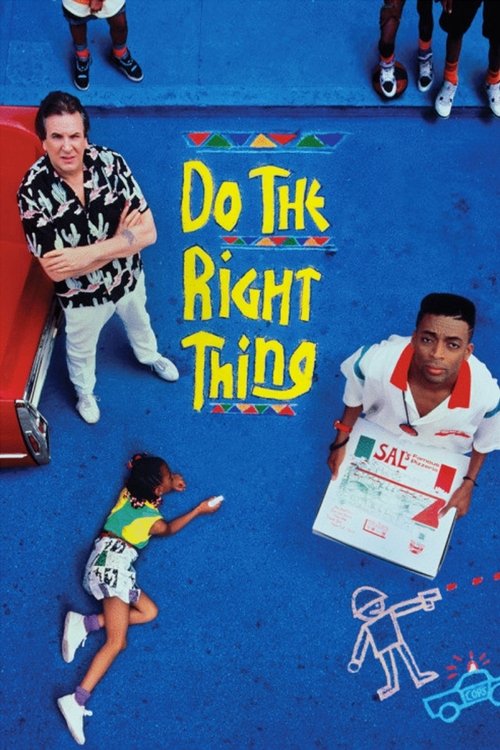
7. Do the Right Thing
Spike Lee's vibrant, incendiary *Do the Right Thing* is a searing indictment of racial tension and societal injustice. Its bold use of color, direct address, and ensemble storytelling captured the boiling point of an urban community on a sweltering summer day. This film is more than a narrative; it's a vital, urgent piece of social commentary that sparked national conversation and cemented Lee's voice as an essential, provocative auteur.
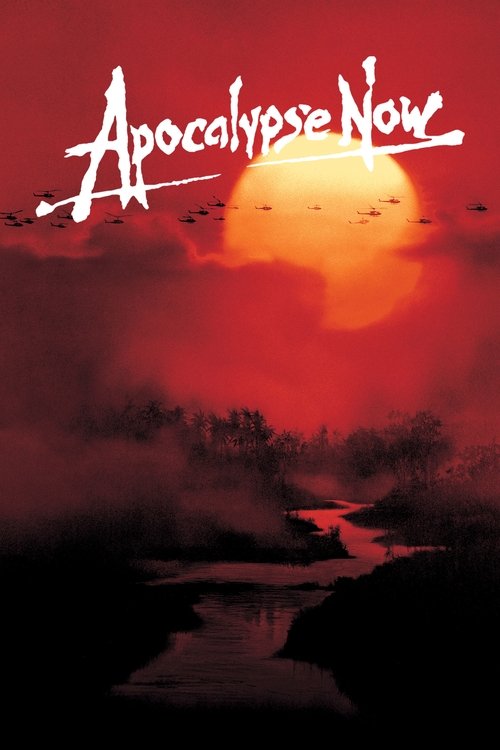
8. Apocalypse Now
Francis Ford Coppola's *Apocalypse Now* is a hallucinatory, operatic journey into the heart of darkness, redefining the war film genre. Its audacious visual style, existential dread, and an almost mythical narrative pushed cinematic boundaries, exploring the psychological toll of conflict. The film’s chaotic production mirrors its subject, resulting in an immersive, unforgettable experience that delves deep into the moral ambiguities of human nature and warfare.
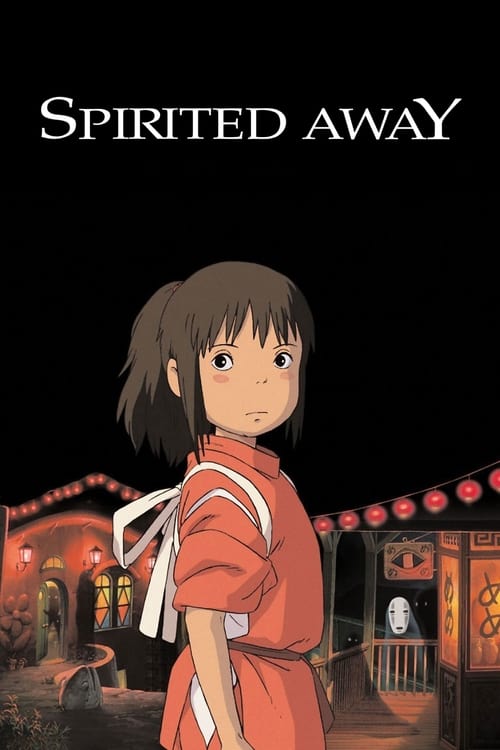
9. Spirited Away
Hayao Miyazaki's *Spirited Away* is a breathtaking masterpiece of animation, transporting audiences to a fantastical spirit world. Its unparalleled visual imagination, intricate world-building, and profound themes of courage, environmentalism, and identity transcend cultural barriers. This film doesn't just entertain; it enchants, demonstrating the boundless narrative potential of animation and cementing Studio Ghibli's place as a global force in cinematic artistry.
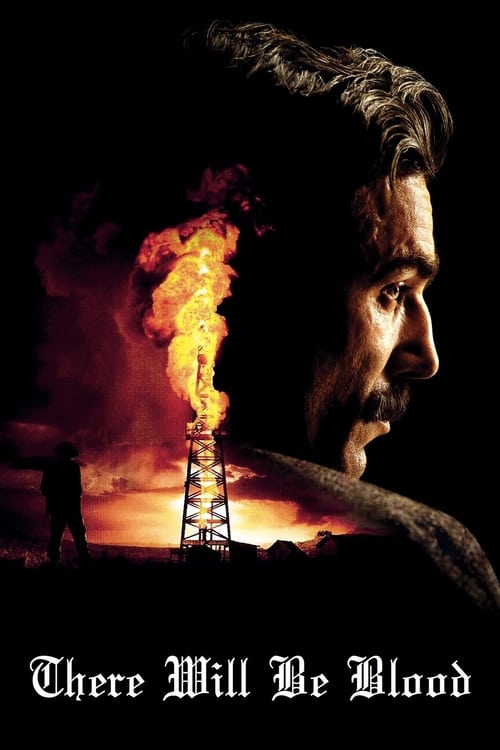
10. There Will Be Blood
Paul Thomas Anderson's *There Will Be Blood* is a sprawling, ferocious epic about greed, ambition, and the corrosive nature of power. Daniel Day-Lewis's transformative performance anchors this visually stunning and aurally arresting examination of early 20th-century American capitalism. Its stark, uncompromising vision and thematic depth underscore Anderson's mastery, crafting a modern classic that feels both timeless and brutally contemporary in its critique.