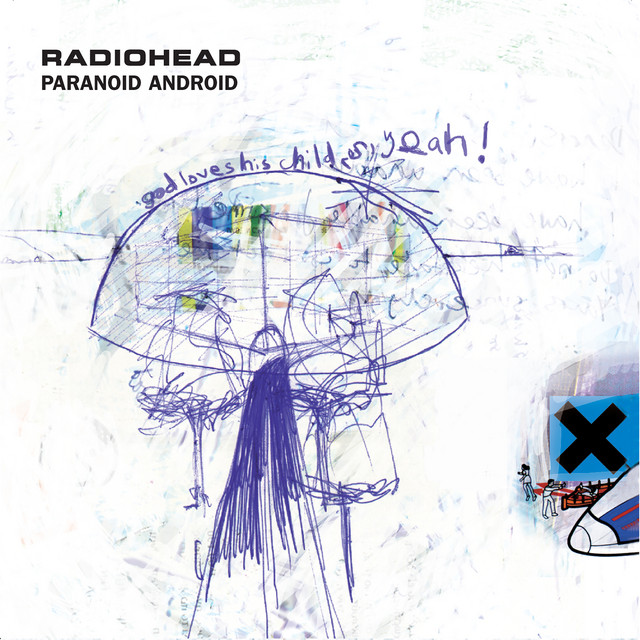
1. Paranoid Android
This wasn't just a song; it was a sprawling, multi-part epic that felt like the nervous system of the late '90s. Radiohead took everything we thought alternative rock could be and fractured it, piecing it back together with digital precision and analog angst. The shifts in mood, the guitar textures, the sheer ambition—it was a blueprint for the emotional complexity the digital age demanded, leaving me absolutely breathless and a little terrified of the future, in the best way.
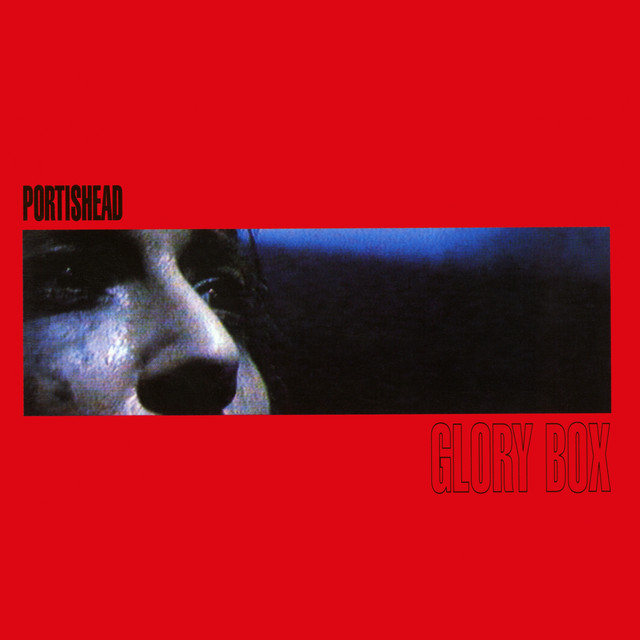
2. Glory Box
Portishead dropped this and suddenly, trip-hop wasn't just background music; it was a velvet-lined coffin of longing. Beth Gibbons' voice, raw and fragile, draped over those smoky, breakbeat-laden arrangements. It felt like watching a grainy film noir through a digital haze, utterly modern yet timelessly melancholic. And you could feel the digital ghosts in the samples, the way the bassline just sank into your bones. Pure, unadulterated mood.
3. LIVE FOREVER
Oasis were the swaggering antidote to grunge's introspection, and 'Live Forever' was their gleaming crown. It was pure, unadulterated rock 'n' roll optimism, a fist-pumping anthem that cut through the digital static with its undeniable, classic guitar riff. This track felt like an escape from the nascent anxieties of the internet age, a reminder that some moments, some feelings, were meant to be shouted from the rooftops, timelessly loud and proud.
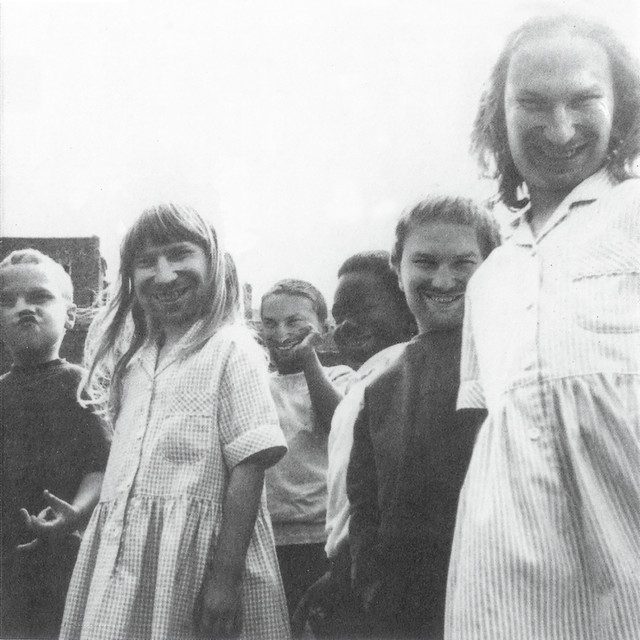
4. Come To Daddy
Aphex Twin didn't just make music; he created sonic nightmares that felt profoundly, deliciously digital. 'Come to Daddy' was a visceral, glitch-ridden assault that redefined aggression in electronic music. The distorted vocals, the breakneck beats, the sheer unsettling atmosphere—it was like the internet's id manifested as sound. It wasn't pretty, but it was undeniably groundbreaking, forcing you to confront the unsettling beauty of algorithmic chaos.

5. Ptolemy
Don Caballero's 'Ptolemy' was a masterclass in instrumental dexterity and rhythmic puzzle-solving. This wasn't about hooks; it was about the intricate dance of guitars and drums, weaving complex patterns that felt both mathematical and deeply visceral. It was the sound of musicians pushing boundaries, proving that instrumental rock could be just as engaging, just as emotionally resonant, as anything with vocals, all while displaying a digital-era precision.
6. Storm Front
There's a certain kind of instrumental track that doesn't just play; it builds a world. 'Storm Front' felt like that—an unfolding narrative without words, carried by sweeping soundscapes and a brooding, cinematic intensity. It had that post-rock sensibility, where texture and atmosphere spoke volumes, hinting at vast digital spaces and internal landscapes. It was the kind of track that made you look out the window and project your own drama onto the passing world, amplified by its quiet power.
7. Cannonball (feat. Don Toliver)
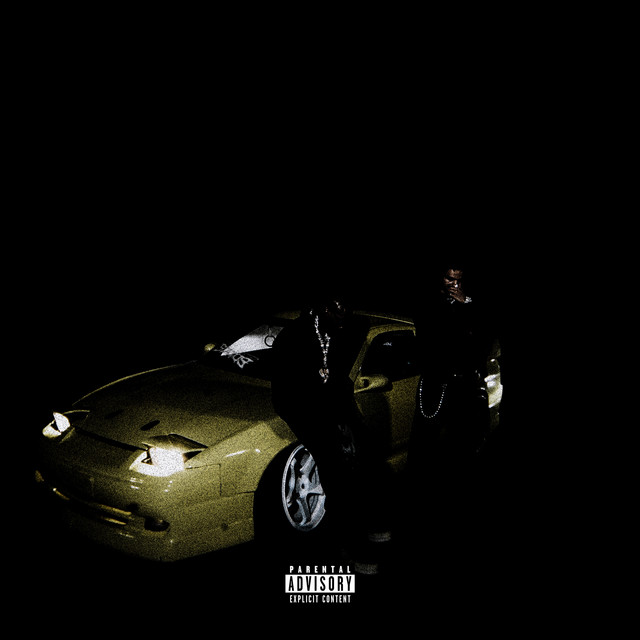
Even as the soundscape evolves, some things resonate with that early digital-era experimentation. This track, with its hazy, atmospheric production and Don Toliver's distinct vocal texture, felt like a spiritual successor to the abstract hip-hop beats that first explored digital space. It's got that weightless, almost psychedelic quality that harkens back to the era where producers first truly started bending sounds with software, creating something both futuristic and deeply rooted in digital artistry.

8. MOOO!
Okay, so this one might not be '90s, but it's pure digital age, through and through. 'MOOO!' is a testament to how the internet rewired reality, turning a meme into an undeniable bop. It's playful, unapologetically quirky, and its digital-first production is a direct descendant of the early experimental beats. It shows how the explosion of digital tools, even for something as silly as this, opened up completely new avenues for expression and virality that would've been impossible before.
9. Inner City Life
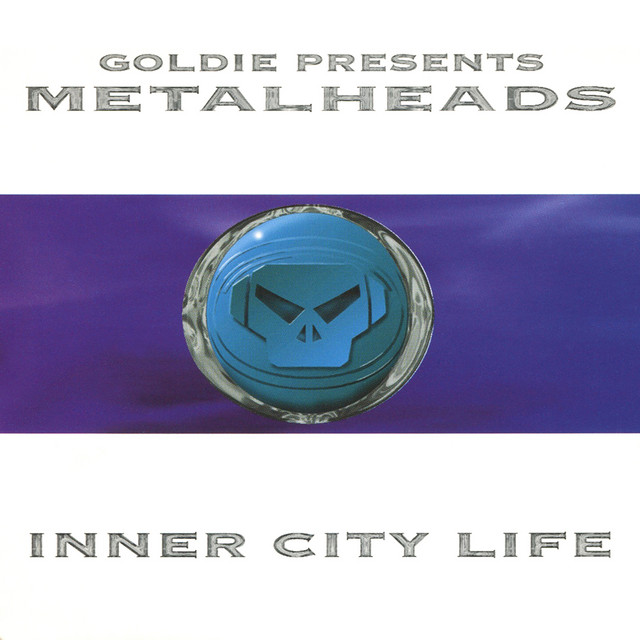
Goldie's 'Inner City Life' wasn't just drum and bass; it was an emotional odyssey through urban sprawl. The relentless breakbeats, the ethereal vocals of Diane Charlemagne, the sheer scale of its production—it felt like the soundtrack to a future that was both bleak and breathtakingly beautiful. It pushed the boundaries of what electronic music could convey, marrying digital precision with raw, human feeling. This track felt like the pulse of a new, electrifying world.
10. Schism
Tool's 'Schism' was a rhythmic beast, a masterclass in math rock precision wrapped in progressive metal's intensity. It felt like the band was reverse-engineering the very concept of a groove, building it from disorienting time signatures and surgically precise guitar work. Every note, every drum hit felt intentional, pushing the boundaries of musical structure. This track rewired my brain, making me listen to rhythm in an entirely new, almost analytical, way.