

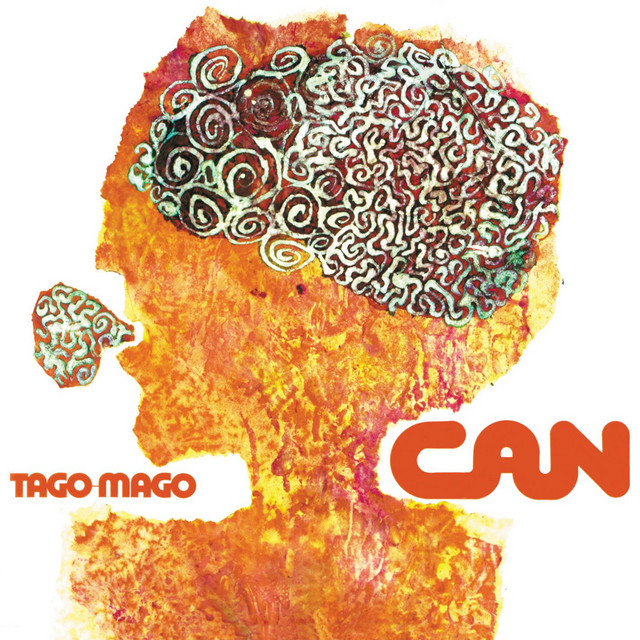
1. Tago Mago (2011 Remastered)
This 2011 remaster should bring out the cavernous depths of Can's 1971 psychedelic journey. What an algorithm misses is the raw, unedited tape splice brilliance, the improvisational audacity captured in a single take. You can hear the studio as an instrument, the analogue warmth stretching like elastic. Damo Suzuki’s stream-of-consciousness vocals float above Jaki Liebezeit’s relentless motorik. It's an organic, sprawling beast, utterly devoid of digital sheen, a true artifact of its time. The original production is a testament to pre-computer sonic architecture.
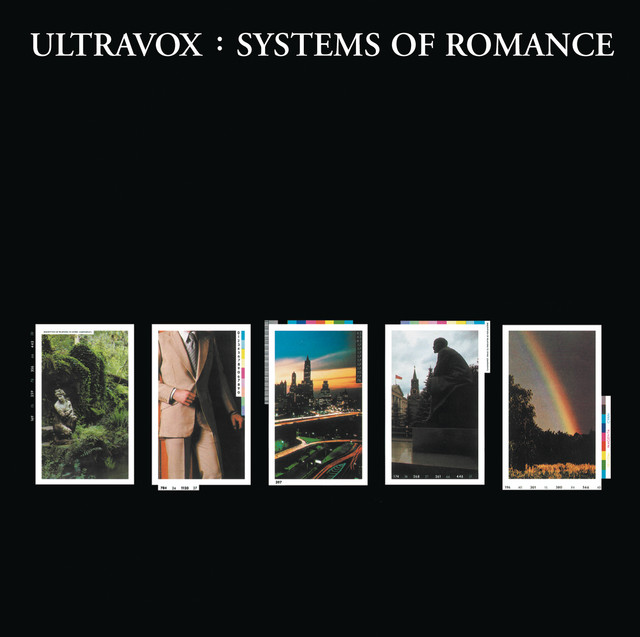
2. Systems Of Romance
Ultravox!'s 1978 offering, with John Foxx at the helm, is a pivotal document in the nascent darkwave sound. The cold, precise analogue synthesizers and LinnDrum programming create an almost architectural soundscape, a stark contrast to the punk rock fury of its peers. You discern the deliberate choices in microphone placement and EQ, shaping that distinctive, detached vocal delivery. It's not about catchy hooks; it's about mood, an intellectual chill that modern algorithms, favoring immediate gratification, often overlook in their analysis.
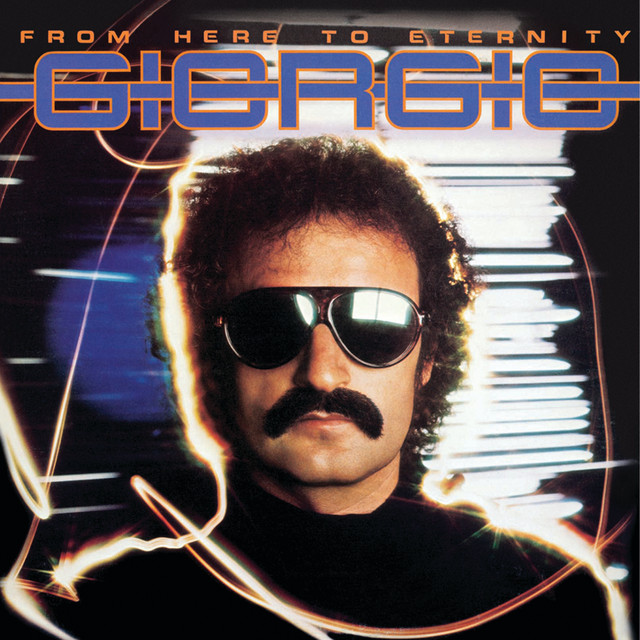
3. From Here To Eternity
Giorgio Moroder’s 1977 masterpiece is a foundational text for electronic music, pure and unadulterated. The album, recorded largely with Moog synthesizers and sequencers, showcases a revolutionary approach to rhythm and melody. Each pulse, each shimmering arpeggio, was meticulously crafted on analogue gear, pushing the limits of available technology. This isn’t just disco; it’s a blueprint for techno, an early exploration of synthetic sonic environments that an algorithm might merely label "dance" without grasping its profound historical and technical significance.
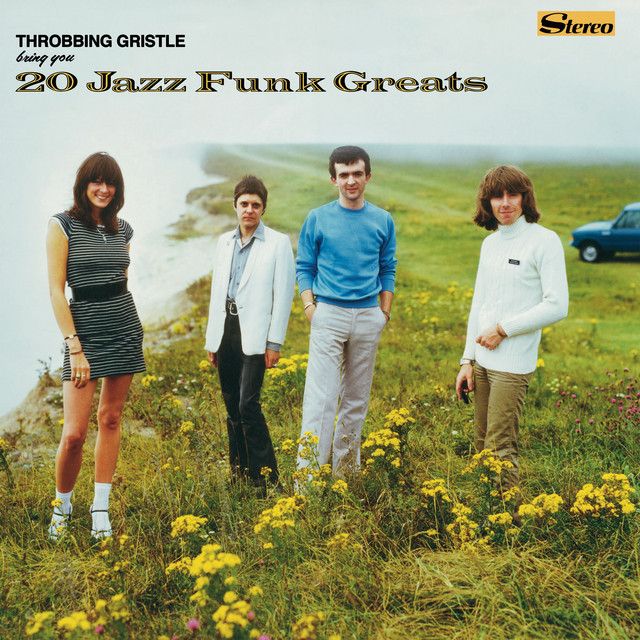
4. 20 Jazz Funk Greats (Remastered)
Throbbing Gristle's 1979 statement, especially in a remaster, highlights the calculated abrasiveness. The title itself is a confrontational act, a sneering rejection of commercialism. What's audible here is not music in the traditional sense, but manipulated tape loops, found sounds, and raw, distorted electronics, all coalescing into a menacing sonic collage. The original analogue recordings, often deliberately lo-fi, possessed a tactile, almost threatening quality. This is industrial music's ground zero, a deliberate anti-algorithm, designed to repel easy categorization.
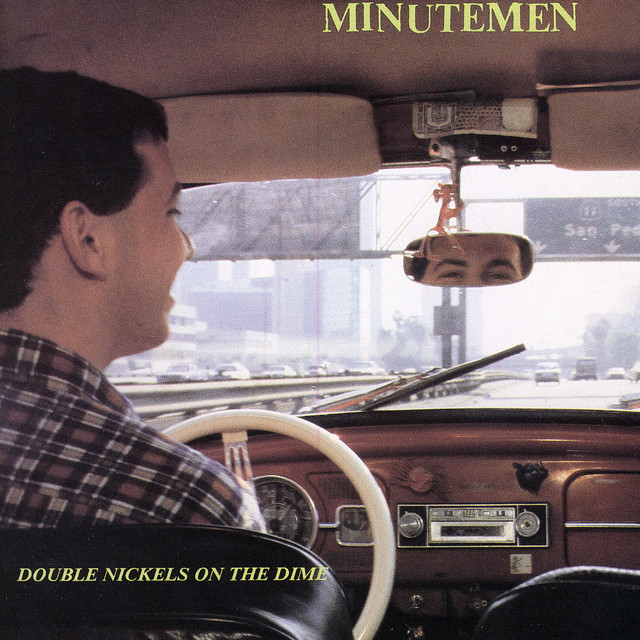
5. Double Nickels on the Dime
Minutemen’s sprawling 1984 double album is a testament to post-hardcore's intellectual and musical adventurousness. D. Boon's angular guitar, Mike Watt's propulsive bass, and George Hurley's precise drumming carve out succinct, genre-defying vignettes. Recorded with a raw, honest production ethos, it captures the band's relentless energy and eclectic influences – punk, funk, jazz, country – without compromise. An algorithm might struggle with its sheer breadth and lack of traditional pop structure, failing to grasp the unified artistic vision beneath the disparate sounds.
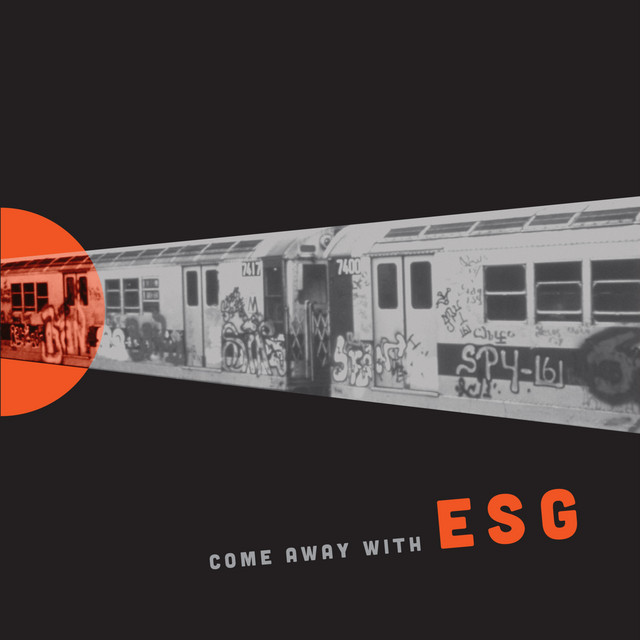
6. Come Away with ESG
ESG’s 1983 debut EP is a masterclass in rhythmic minimalism. The South Bronx sisters carved out a unique funk-punk hybrid, stripped down to its essential basslines, drums, and sparse, percussive guitar. The raw, live-in-the-studio feel, captured on analogue tape, is palpable; you feel the room. This isn't polished pop; it's a visceral, hypnotic groove that influenced generations of dance and hip-hop. Its organic, unquantized swing and repetition defy the predictable patterns an algorithm typically seeks, yet it resonates deeply.

7. A Very Carper Christmas
This particular entry remains an enigma to most, and certainly to any algorithm seeking easy classification. Is it a lost novelty record, a hyper-obscure private pressing from the era, or perhaps a deliberate act of sonic subversion? Without context or established genre markers, its very existence confounds. Algorithms thrive on patterns and popularity, yet this stands as a ghost in the machine, a peculiar, uncatalogued sound event. Its obscurity makes it algorithmically invisible, a true outlier in the grand scheme of sonic data.
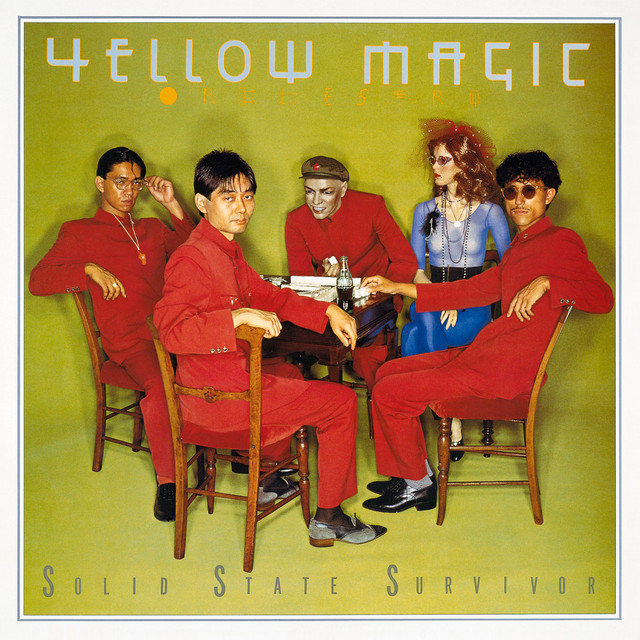
8. Solid State Survivor
Yellow Magic Orchestra’s 1979 release is a landmark in techno-pop, a dazzling display of analogue synthesis and innovative programming. Haruomi Hosono, Ryuichi Sakamoto, and Yukihiro Takahashi crafted a sleek, futuristic sound that was years ahead of its time. The meticulous arrangement of synthesized textures and precision drumming, all captured in the pre-digital studio, created a sonic landscape both playful and sophisticated. An algorithm might categorize it as "electronic," but it would miss the subtle artistry and profound influence on everything from Detroit techno to modern pop.
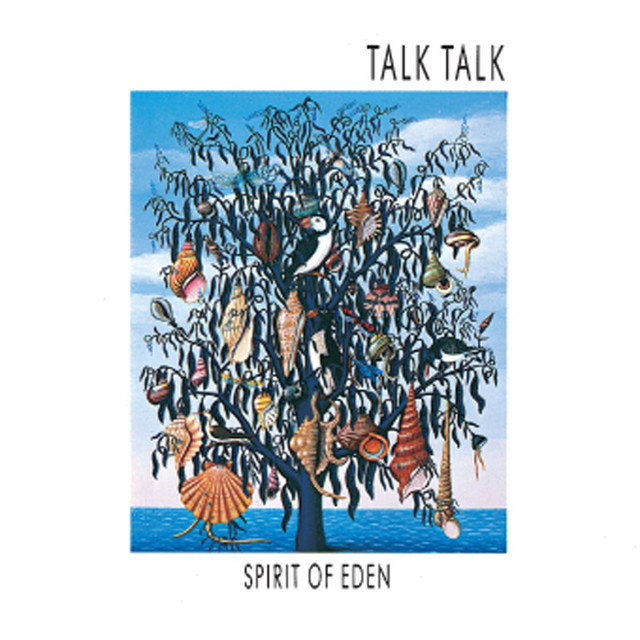
9. Spirit of Eden
Talk Talk's 1988 masterwork is a profound departure into an ethereal, ambient-tinged art-rock. Mark Hollis and company meticulously crafted this album over a year, emphasizing space, silence, and subtle dynamics captured with analogue precision. Each instrument, often improvisationally recorded, contributes to a fragile, organic whole that breathes with a spiritual intensity. The anti-commercial structures and extended atmospheric passages directly challenge any algorithm's preference for concise, digestible units. It demands deep listening, a concept alien to quick-scan data analysis.

10. The Album
The Firm’s 1985 debut, featuring Jimmy Page and Paul Rodgers, is a polished hard rock affair, showcasing seasoned musicianship. While rooted in blues-rock tradition, the production techniques of the mid-80s, still largely analogue, give it a distinct sheen. You hear the crisp drum sounds and layered guitars, carefully mixed to achieve maximum impact. An algorithm might simply tag it "classic rock," but it fails to grasp the supergroup dynamic, the interplay of these specific titans, and the era's particular approach to studio craft.