

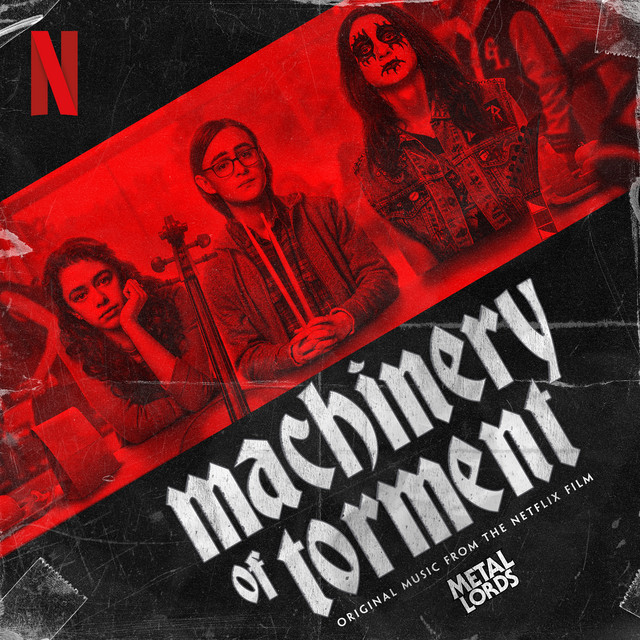
1. Machinery Of Torment (From The Netflix Film "Metal Lords")
Here's a manufactured beast, isn't it? A studio concoction aiming for that raw, early thrash bite but landing closer to a polished pastiche. You hear the echoes of Sabbath's doom and Iron Maiden's gallop, but it's all too clean, too calculated. Lacks the true grit, the desperate energy that fueled the early metal scene, the real sweat and beer-soaked fury. It's a simulacrum, not the genuine article.

2. Gotta Serve Somebody - The Gospel Songs Of Bob Dylan
Dylan, always the provocateur, even when finding salvation. This collection digs into his born-again phase, a sharp turn from the protest folk and electric rock that defined him. Some saw it as a betrayal, others a genuine spiritual reckoning. The arrangements often lean into a raw, almost primitive gospel blues, a far cry from the sophisticated juke joint sounds. It's a challenging listen, but his conviction, however jarring, cuts through.
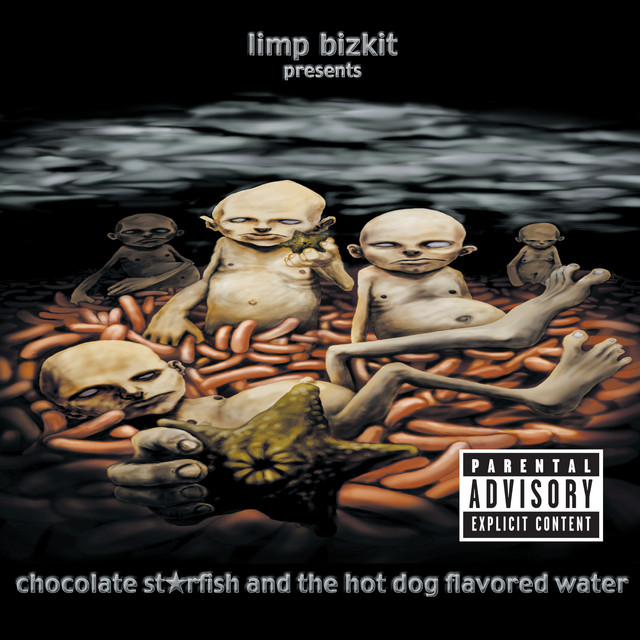
3. Chocolate Starfish And The Hot Dog Flavored Water
Limp Bizkit. Remember when nu-metal was the big noise, blending rap and metal like some unholy industrial funk? This album, it was the peak of that particular cultural headache. The aggression was there, sure, but it felt more like a tantrum than a punk rock scream. It’s got that raw, almost grotesque energy that defined a certain moment, but it’s a far cry from the disciplined chaos of early industrial or the sheer force of formative metal.
![Rapture (feat. Nadia Ali) [Armin Van Buuren Remix Remastered]](https://i.scdn.co/image/ab67616d0000b273664f8c9247d4d6ff7d8ed9c0)
4. Rapture (feat. Nadia Ali) [Armin Van Buuren Remix Remastered]
Ah, the relentless pulse of trance. This track, particularly the Van Buuren remix, takes Nadia Ali's voice and stretches it across an almost impossibly long, building electronic soundscape. It’s a distant cousin to the initial house rhythms, evolving into something far more grandiose and, frankly, a bit overblown. It wants to lift you, but the repetition can feel more like a forced march than a spontaneous disco epiphany. Maximalist electronic architecture.
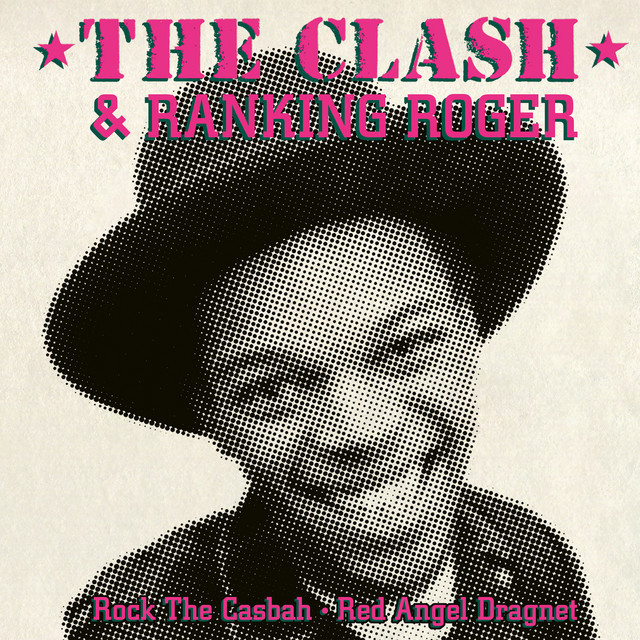
5. Rock The Casbah (Ranking Roger)
The Clash's original was already a landmark, a punk-reggae fusion with a global conscience. Ranking Roger, from The Beat, bringing his toaster stylings to it? That’s a bold move. It pulls the track further into a dancehall space, emphasizing the rhythm section and Roger’s distinctive vocal flow. It’s less about rebellion through noise, more about a groove that insists on moving, a different kind of defiance. A natural extension of that early punk-ska crossover.

6. Relaxing Advent Classics
This feels like sonic wallpaper, doesn't it? A collection of classical pieces stripped of their dynamic range, polished down to a smooth, inoffensive sheen. It’s meant to soothe, but it lacks the genuine tension and release, the raw human emotion that infused the true classical masters. There’s no fire, no desperate beauty. Just a pleasant, predictable hum, far from the intellectual rigor of early minimalism or the emotional depth of a gospel choir.
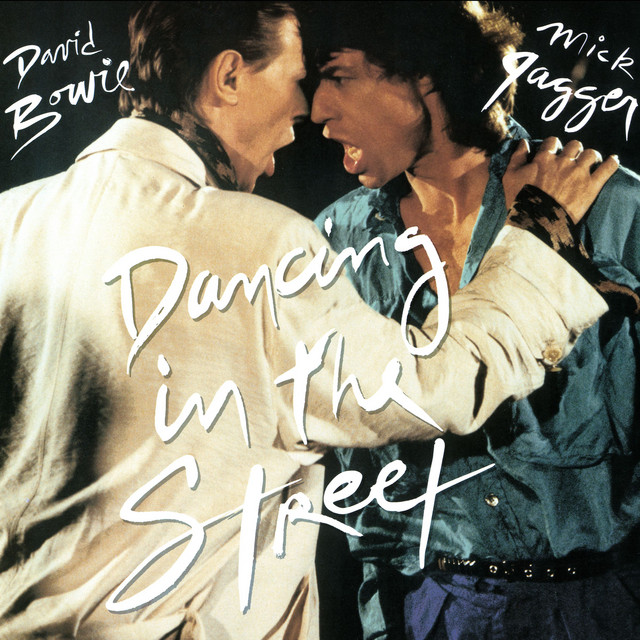
7. Dancing In The Street E.P.
Martha Reeves & The Vandellas, an undeniable Motown powerhouse. This E.P. likely showcases that vibrant, propulsive sound that defined an era. It’s the sound of liberation, pure soul power, with those tight arrangements and irresistible rhythms. This is the blueprint for so much that followed, a joyous explosion of vocal harmonies and a bassline that just wouldn't quit. It's foundational, a call to movement that still vibrates with urgency.
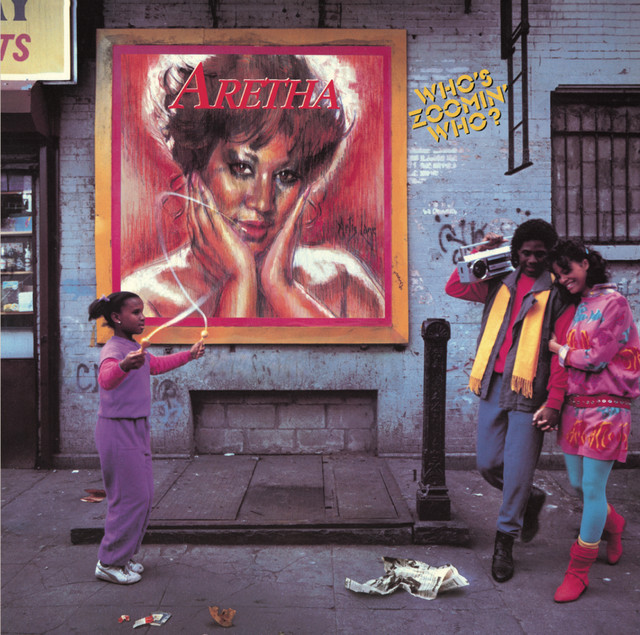
8. Who's Zoomin' Who? (Expanded Edition)
Aretha Franklin, the Queen of Soul, taking on the mid-80s pop landscape. This album saw her embracing synthesizers and a more polished production, a clear departure from her raw gospel roots and searing R&B. It's a fascinating pivot, showing her incredible adaptability. While some purists balked, her voice, that undeniable force, elevates even the slickest arrangements. It’s commercial, but it's still Aretha, channeling the zeitgeist with her own fire.
![Real Wild Child (Wild One) [Live]](https://i.scdn.co/image/ab67616d0000b27384d10086dbc717ef517c0552)
9. Real Wild Child (Wild One) [Live]
Iggy Pop live, covering an early rock and roll anthem. This is where the raw power of punk meets its ancestral wildness. Johnny O'Keefe's original, then Jerry Lee Lewis, then Iggy. It’s not about precision; it’s about pure, unadulterated energy, a primal scream. The Stooges' influence is palpable, that unhinged, almost dangerous stage presence. It’s a direct line from the blues-shout to the punk snarl, all sweat and no apologies.
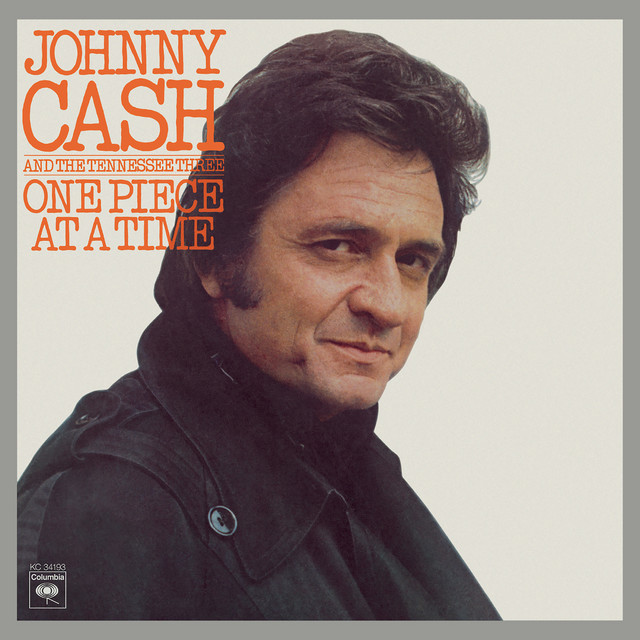
10. One Piece At A Time
Johnny Cash, telling a story, as only he could. This track is pure outlaw country, a narrative delivered with that deep, resonant baritone. It’s got the folk tradition running deep, a yarn spun over a simple, driving rhythm. It’s a blue-collar anthem, a tale of slow, deliberate rebellion against the system. Not the cacophony of punk, but a quiet, persistent defiance that’s just as potent, rooted in the workingman's blues.