

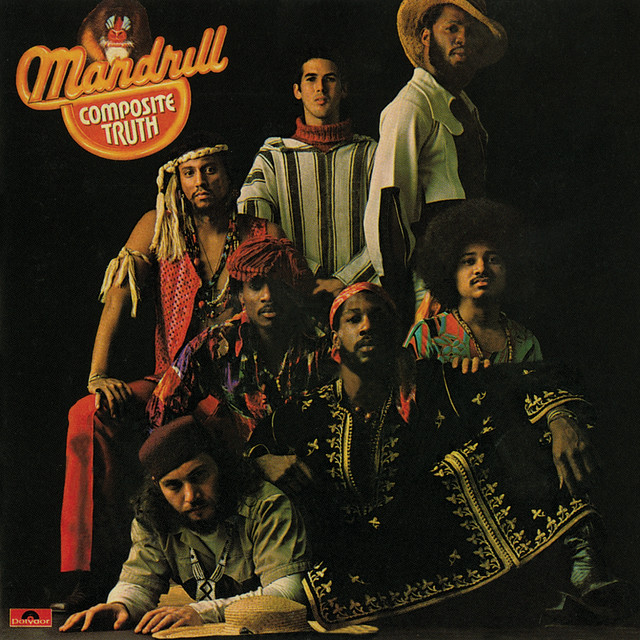
1. Composite Truth
Mandrill's "Composite Truth" was a revelation, a raw, kinetic funk-jazz beast that pushed the boundaries of studio improvisation. The interplay between brass, percussion, and that gritty, overdriven guitar felt almost primal. They weren't just playing; they were wrestling with the very fabric of sound, capturing a live energy that few could replicate in a multi-track environment. The production is rich, almost tactile, a testament to what a skilled engineer could achieve on analog tape.

2. 有人共鳴
This obscure gem, "有人共鳴," emerged from a scene more concerned with textural exploration than pop hooks. It's an atmospheric piece, layering stark synth pads with found sounds and processed percussive elements. The sense of space is profound, almost oppressive, hinting at coldwave's nascent forms. The engineers here understood how to sculpt silence as much as sound, creating an experience that resonated deeply in the nascent darkwave circuits, a truly chilling and introspective work.
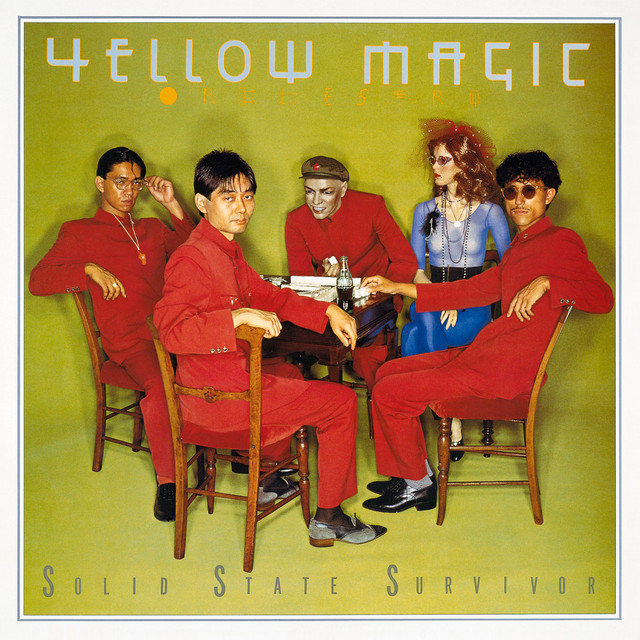
3. Solid State Survivor
YMO's "Solid State Survivor" wasn't merely synth-pop; it was a blueprint for the future. Their meticulous programming, combined with Sakamoto's melodic genius and Takahashi's precision drumming, established a new paradigm. The clarity of the Oberheim and Prophet synths, the crispness of the vocoders—it all felt incredibly advanced, yet entirely human. This album demonstrated how digital concepts could be translated into utterly compelling analog recordings, shaping early techno's aesthetic.
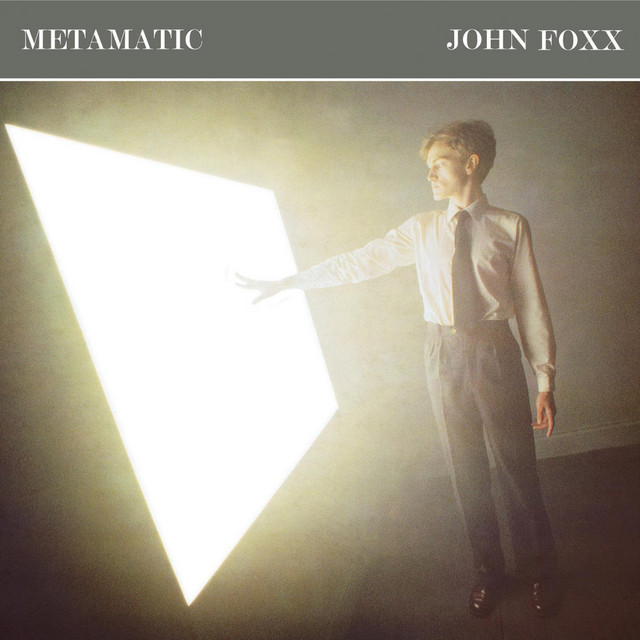
4. Metamatic...Plus
John Foxx's "Metamatic" felt like a transmission from a dystopian future, even in 1980. Its stark, minimalist synth lines and detached vocal delivery carved out a unique space between art-rock and nascent coldwave. The production is clinical, almost surgical, highlighting every cold clang and precise sequencer pulse. It showcased how stripped-down electronics could convey profound emotional desolation, a masterclass in utilizing limited sonic palettes for maximum impact.

5. Deceit
Deceit" remains a monumental, unsettling artifact. This Heat constructed a world of sonic tension, blending post-punk aggression with avant-garde experimentation. The raw, often distorted instrumentation, the unconventional song structures, and the sheer abrasive power were challenging but utterly compelling. Recorded with an almost documentary-like rawness, it captured a band pushing against every convention, laying groundwork for industrial and post-hardcore's more extreme impulses.
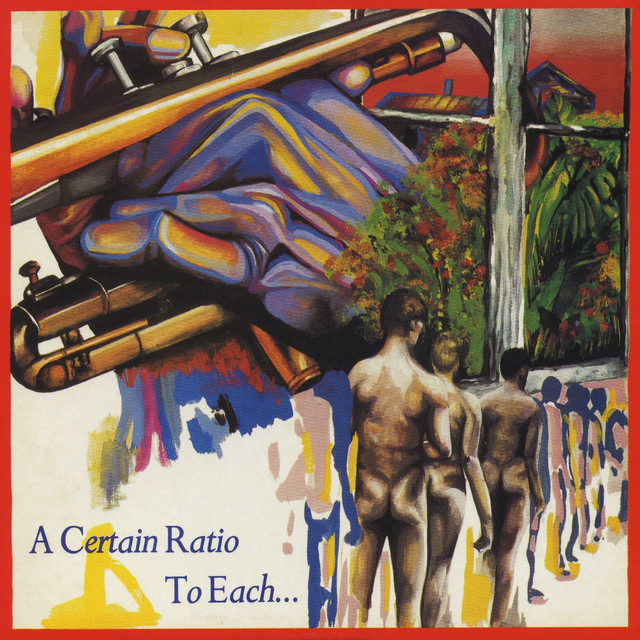
6. To Each
While perhaps overlooked, "To Each" was a crucial document in the evolving landscape of rhythmic music. It explored the hypnotic power of repetition, melding sparse, almost industrial percussion with spoken word passages that hinted at early rap's narrative potential. The production emphasized space and impact, allowing each beat and resonant bassline to hit with singular force. It was a raw, unfiltered exploration of rhythm as a primary expressive tool, predating more commercial trends.
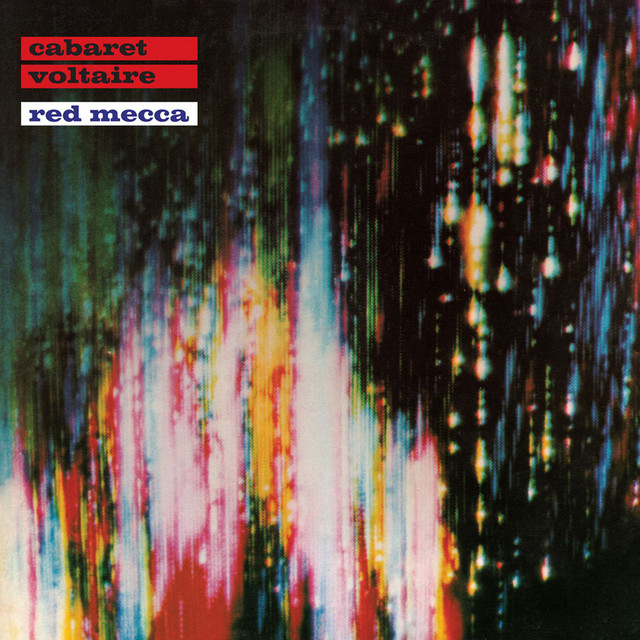
7. Red Mecca
Cabaret Voltaire's "Red Mecca" was a plunge into the urban subconscious, a brutalist masterpiece of industrial sound. Their use of tape loops, found sounds, and heavily processed instruments created a truly disorienting experience. The studio was their instrument, manipulating existing audio to construct something entirely new and unnerving. It was a dark, rhythmic journey, proving that music could be profoundly unsettling without relying on traditional melody.

8. Kollaps
Einstürzende Neubauten's "Kollaps" wasn't just music; it was a percussive assault, a deconstruction of conventional instrumentation. They built instruments from scrap metal, drills, and concrete, forcing the studio to capture their raw, visceral energy. The recording process itself became an act of creation, yielding a sound that was horrifying, thrilling, and utterly unique, foreshadowing the more extreme fringes of industrial and early noise rock.
9. The Album
PiL's "Album" in '86 was a fascinating pivot, embracing a more polished yet still uncompromising sound. Lydon's sneering delivery met muscular, driving rhythms and often surprising funk-inflected basslines. It showcased a band that could navigate the evolving studio technologies without sacrificing their edge. The production, while cleaner than their earlier work, still prioritized impact and groove, proving that art-rock could embrace a more direct rhythmic approach.
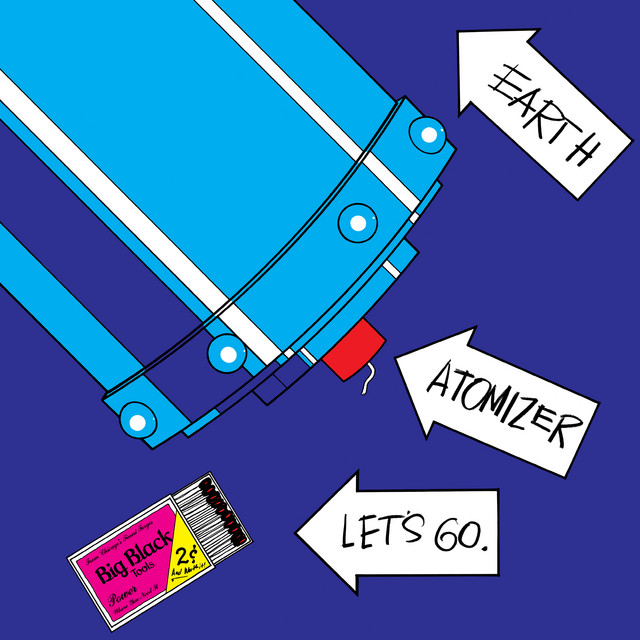
10. Atomizer (Remastered)
Atomizer" by Big Black was a sonic bludgeon, a relentless machine of noise and aggression. Steve Albini's production, even in its remastered form, retained that stark, almost painful clarity. The drum machine's rigid pulse, the grinding guitars, and Albini's venomous vocals created a sound that was both primitive and technologically advanced for its time. It was post-hardcore at its most unforgiving, a testament to raw power captured with surgical precision.