
1 / 10
1. Twin Peaks
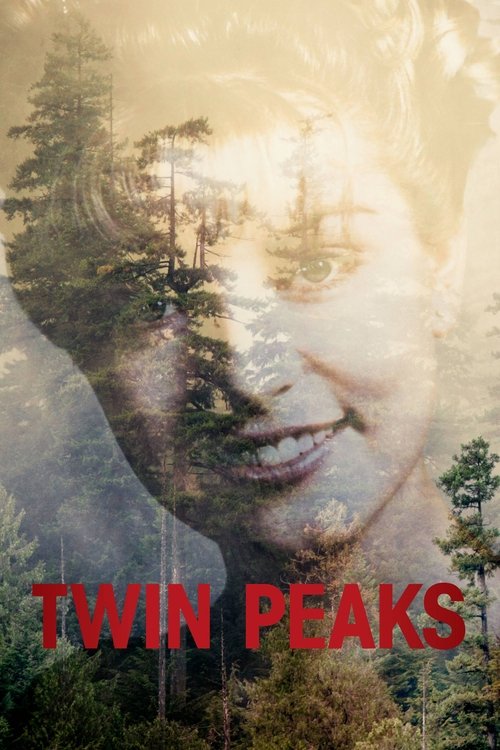
This one was a jolt. Network TV, but it felt like a weird art house film that just happened to show up on ABC. David Lynch and Mark Frost dropped this serialized mystery, blending small-town quirks with genuinely unsettling horror and surrealism. It taught us that network audiences could handle ambiguity, that a murder mystery wasn't just about 'whodunit' but 'what the hell is going on?' It was an early taste of TV as an event, a shared cultural obsession before we even knew what that really meant.
2 / 10
2. The Larry Sanders Show
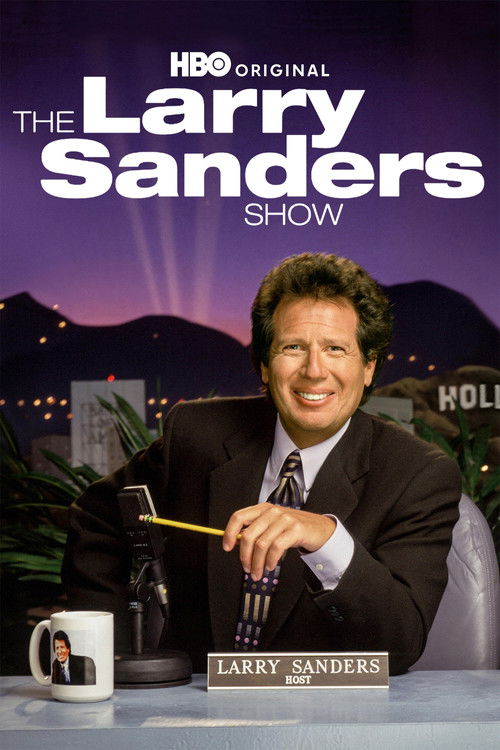
HBO, man. This was the blueprint for what cable could do when it wasn't trying to be network TV. Garry Shandling's behind-the-scenes look at a late-night talk show was brutal, honest, and hilariously uncomfortable. It wasn't a sitcom with a laugh track; it was a character study, a mockumentary before that term was common, showing the fragile egos and dark humor of the entertainment industry. It defined 'prestige comedy' before that was a thing.
3 / 10
3. Profiler
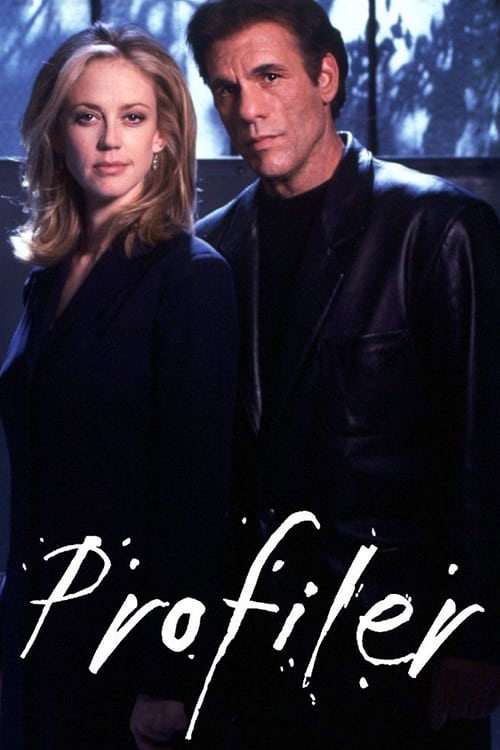
Before every network had five crime procedurals, *Profiler* was trying something a little different. It wasn't just about forensics; it was about psychological insight, a woman who could get inside the minds of killers. Sure, it was still a 'case of the week' deal, but it pushed the boundaries of what a female lead could do in that space, and it had a serialized undertone with that ongoing 'Jack of All Trades' narrative. It felt a bit darker, a bit more intense than its broadcast peers.
4 / 10
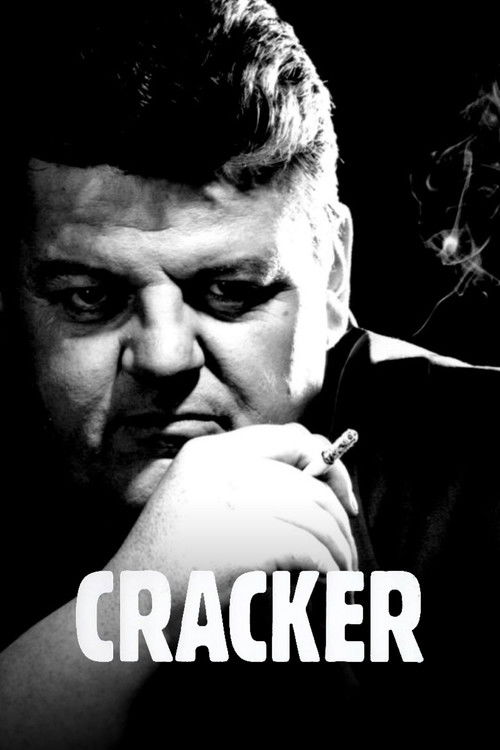
4. Cracker
From the UK, and it hit different. Robbie Coltrane as Fitz, this brilliant but deeply flawed criminal psychologist. It was grim, uncompromising, and Fitz was no hero. He was a mess. This show didn't sugarcoat the darkness of the human mind or the toll of the work. It showed us that a protagonist didn't need to be likable to be compelling, and it handled complex psychological themes with a depth that broadcast TV rarely touched. A masterclass in character-driven crime drama.
5 / 10
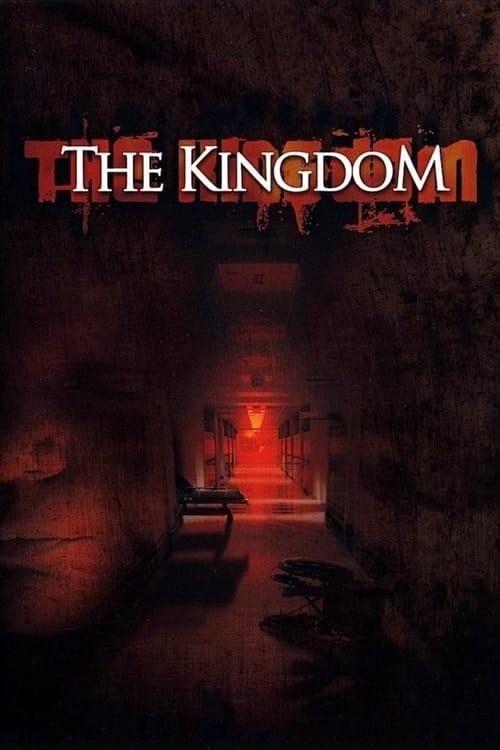
5. The Kingdom
Lars von Trier on TV? Yeah, he went there. This Danish miniseries was a trip – a surreal, darkly comedic, genuinely spooky medical drama set in a haunted hospital. It felt like a movie, but it was episodic, pushing the boundaries of what TV storytelling could be. The handheld cameras, the washed-out look, the bizarre characters – it defied categorization. It showed how international productions, especially from Europe, were playing with forms we hadn't quite caught onto yet.
6 / 10
6. Tanner '88
Robert Altman doing a political mockumentary for HBO, a decade before *Larry Sanders* really broke big. This was groundbreaking stuff, blurring the lines between fiction and reality during a real presidential campaign. It had actual politicians interacting with the fictional characters. It was sharp, cynical, and showed how television could be incredibly timely and incisive, almost like a living document. It was a precursor to the blurring of media lines we'd see everywhere later.
7 / 10
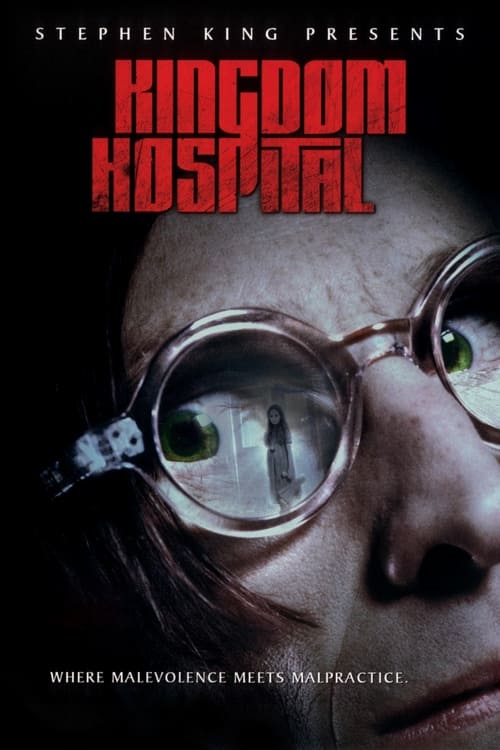
7. Stephen King's Kingdom Hospital
King tried to adapt von Trier's *The Kingdom* for American TV, and it was... well, it was something. It tried to capture that surreal horror-comedy vibe, but it ended up being a messy, ambitious failure that still felt ahead of its time for broadcast. It pushed for a level of weirdness and serialized supernatural drama that network executives probably couldn't quite grasp, showing the struggle to translate truly experimental ideas to a broader audience. A valiant, if flawed, attempt.
8 / 10

8. Dead Like Me
Bryan Fuller's early work, and you could see his signature style already forming. A darkly comedic take on the afterlife, featuring a cynical young woman as a grim reaper. It was quirky, philosophical, and serialized in a way Showtime was just starting to embrace. It blended existential dread with genuine humor and a distinct visual flair. It proved that a show could be both deeply strange and emotionally resonant, finding its niche on premium cable.
9 / 10
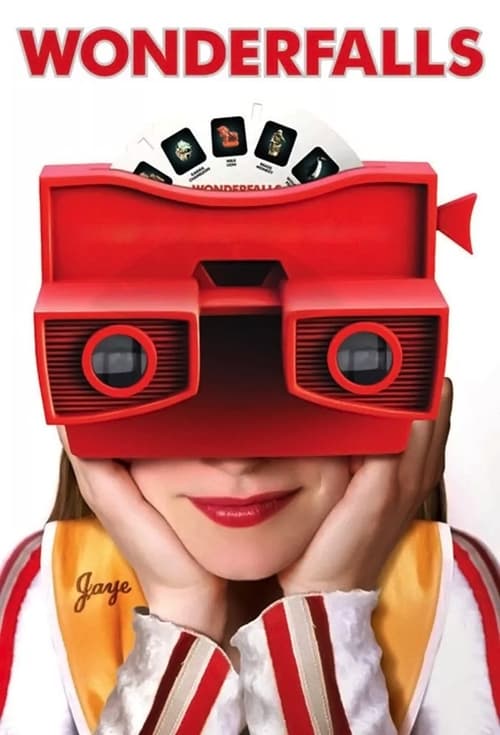
9. Wonderfalls
Another Bryan Fuller gem, though criminally short-lived. A smart, witty, genuinely unique show about a disaffected young woman in Niagara Falls who communicates with inanimate objects. It had this quirky, indie film sensibility, blending magical realism with sharp character writing. It was too smart, too peculiar for network TV at the time, which is exactly why it felt so fresh and why its cancellation stung. A cult classic that showed the potential for off-kilter brilliance.
10 / 10
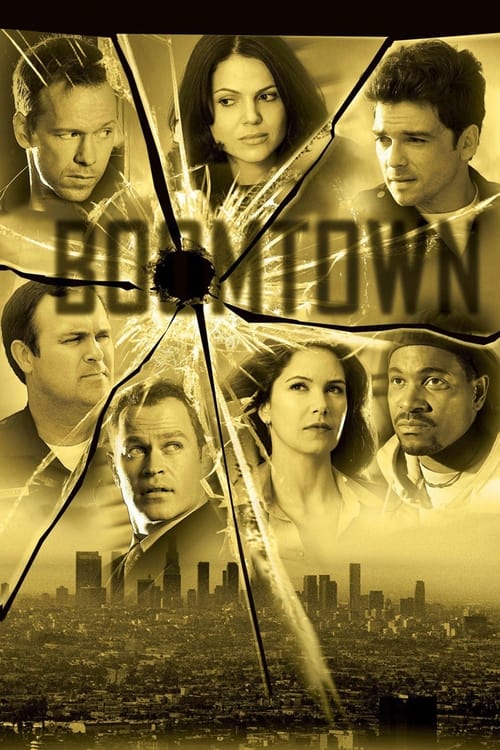
10. Boomtown
This one was a looker. A serialized crime drama that played with narrative structure, showing events from multiple perspectives – cops, criminals, victims – and often jumping around the timeline. It was cinematic, ambitious, and required you to pay attention. It tried to elevate the procedural format into something more complex and artistic, pushing what a broadcast network (NBC) was willing to greenlight in terms of narrative sophistication. Ahead of its time, sadly.