
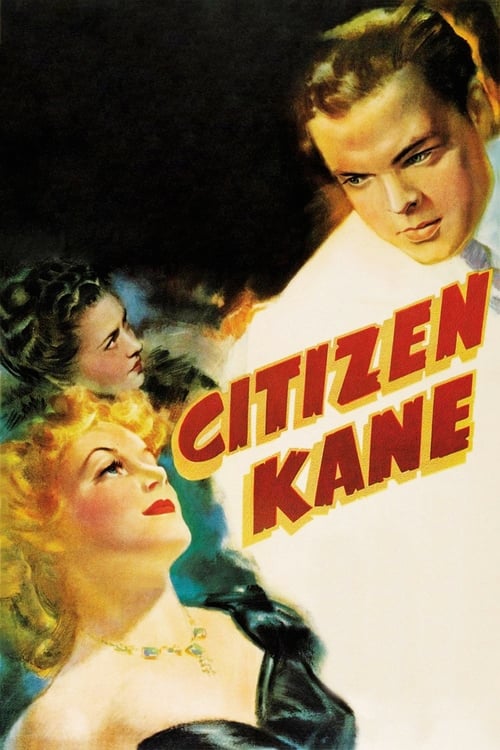
1. Citizen Kane
Orson Welles’ audacious debut redefined cinematic grammar, shattering linear storytelling with its fragmented narrative and revolutionary use of deep focus. It wasn't just a film about a media magnate; it was a profound exploration of memory, power, and the elusive nature of truth, establishing Welles as an unparalleled auteur and forever altering how stories could be told on screen. Its influence permeates cinema even today.
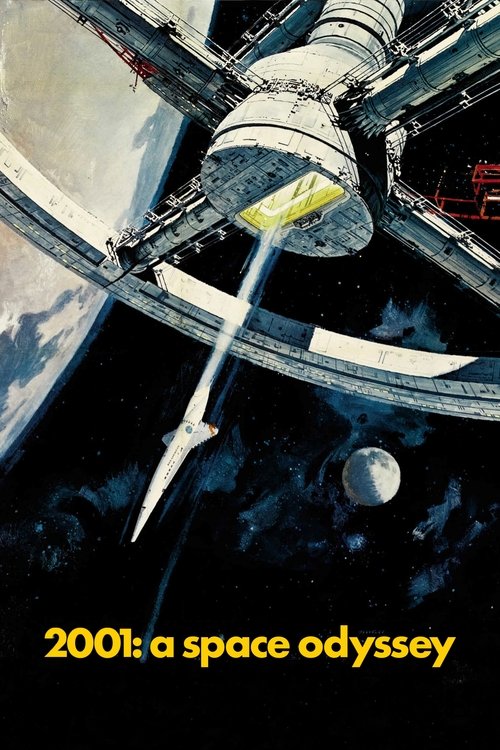
2. 2001: A Space Odyssey
Kubrick’s cerebral masterpiece transcended conventional narrative, offering a cosmic ballet of existential inquiry and technological prophecy. Its groundbreaking special effects, paired with a haunting score and minimal dialogue, invited audiences to ponder humanity's past, present, and future. This film remains a singular achievement, a true cinematic experience that pushed boundaries of visual storytelling and philosophical scope.
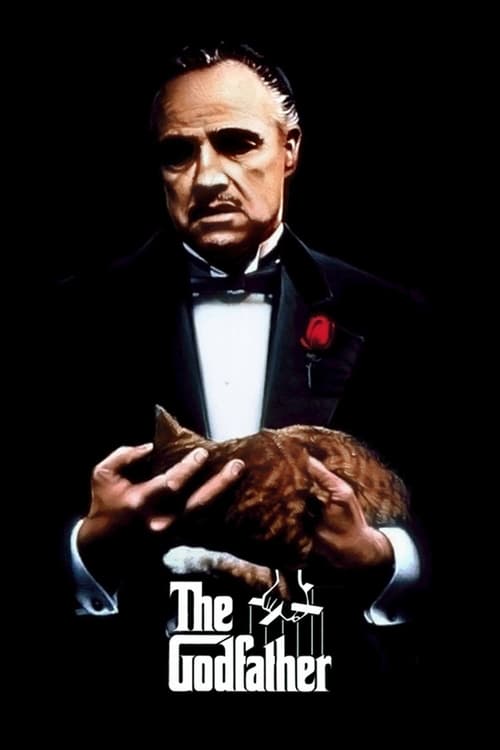
3. The Godfather
Francis Ford Coppola’s epic transformed the gangster film into a Shakespearean tragedy, elevating genre cinema to high art. It meticulously crafted a world where family loyalty clashed with brutal ambition, reflecting on the dark underbelly of the American dream. Coppola's masterful direction, coupled with iconic performances, created a cultural touchstone whose influence on storytelling, character development, and cinematic scale is undeniable.
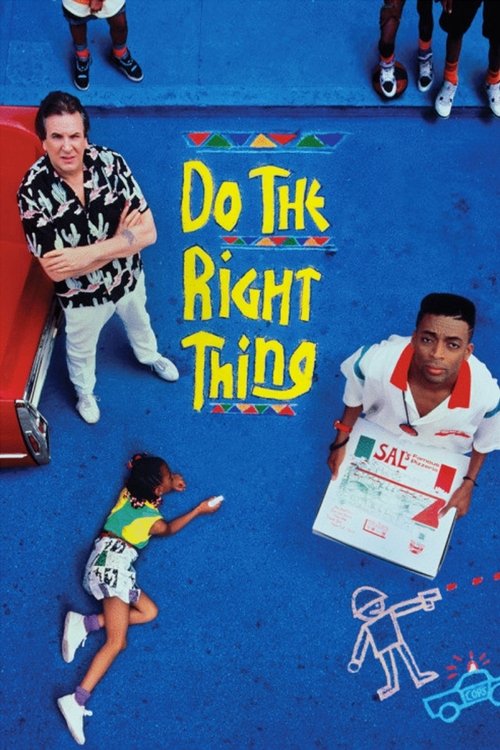
4. Do the Right Thing
Spike Lee’s potent examination of racial tension in a Brooklyn neighborhood on a sweltering summer day remains tragically relevant. Through its vibrant cinematography, sharp dialogue, and unforgettable characters, the film dissects prejudice, economic disparity, and the breaking point of a community. It’s a powerful, provocative work that forces uncomfortable societal reflections, demonstrating cinema's capacity for urgent social commentary.
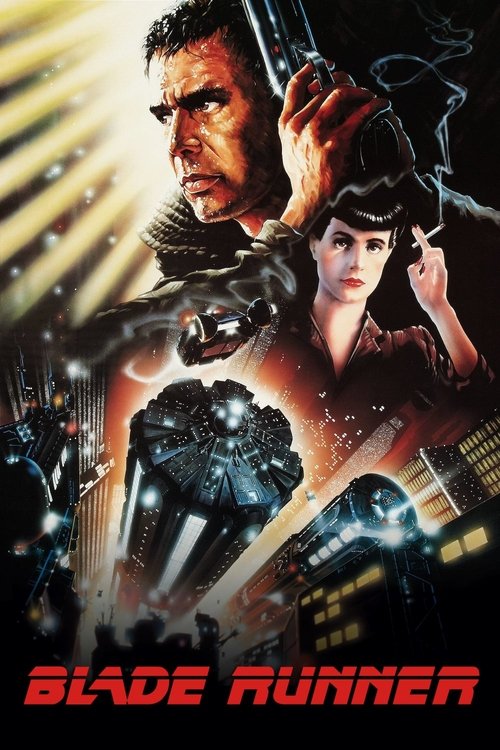
5. Blade Runner
Ridley Scott’s seminal work solidified the cyberpunk aesthetic, creating a dystopian future that was as beautiful as it was bleak. More than just a sci-fi thriller, it delved into profound questions of identity, humanity, and artificial intelligence, blurring the lines between creation and creator. Its atmospheric visuals and philosophical depth continue to resonate, shaping countless subsequent visions of tomorrow.
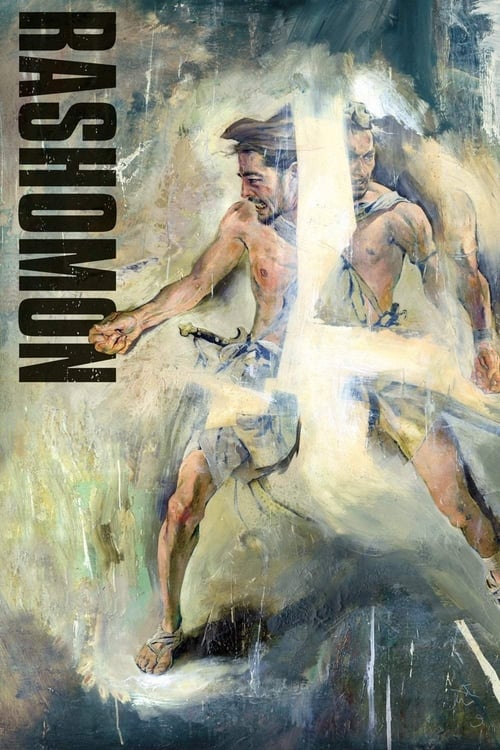
6. Rashomon
Akira Kurosawa’s groundbreaking film revolutionized narrative structure by presenting a single event through multiple, conflicting perspectives. This innovative approach challenged the audience’s perception of truth and objectivity, forcing a deeper engagement with the very act of storytelling. Its profound philosophical implications, coupled with Kurosawa’s dynamic visual style, cemented its place as a pivotal work in global cinema.
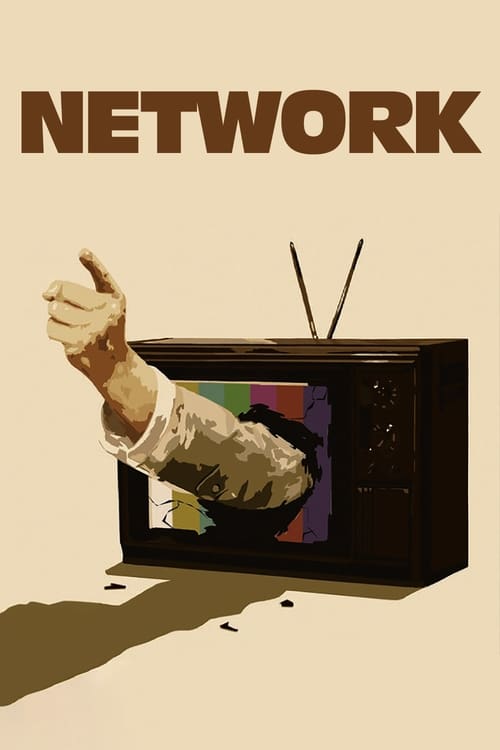
7. Network
Sidney Lumet’s scorching satire on television news was astonishingly prescient, foreseeing the sensationalism and commodification of outrage that defines much of modern media. Its raw, theatrical performances and biting script captured the zeitgeist of an evolving industry, providing a chilling indictment of corporate power and public disillusionment. "I'm as mad as hell, and I'm not going to take this anymore!" echoes louder than ever.
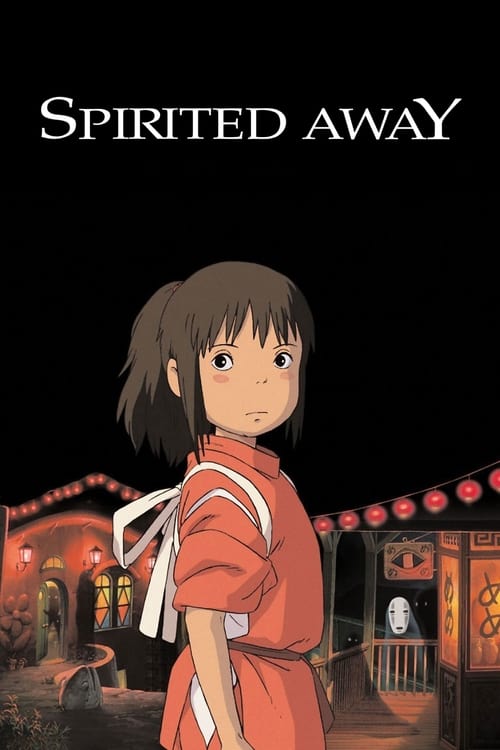
8. Spirited Away
Hayao Miyazaki's animated masterpiece transcended cultural barriers, proving animation's capacity for profound storytelling and breathtaking artistry. It whisked audiences into a fantastical spirit world, weaving a coming-of-age tale rich with environmental themes, Japanese folklore, and universal messages about courage and identity. Miyazaki's vision elevated animated film to an undisputed art form, captivating global audiences with its magic.
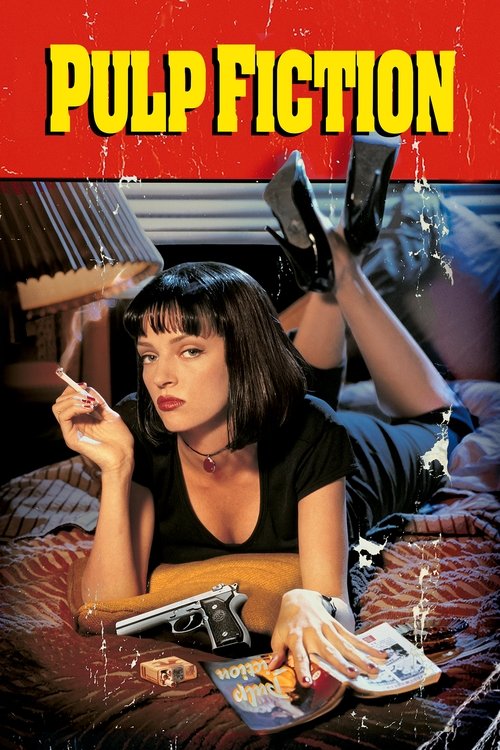
9. Pulp Fiction
Quentin Tarantino’s sophomore effort detonated on the cinematic landscape, revitalizing independent cinema with its audacious non-linear narrative, razor-sharp dialogue, and genre-bending audacity. It celebrated pop culture while subverting expectations, proving that style, wit, and a bold disregard for convention could redefine the mainstream. Tarantino became an instant icon, forever changing the rhythm and texture of modern filmmaking.
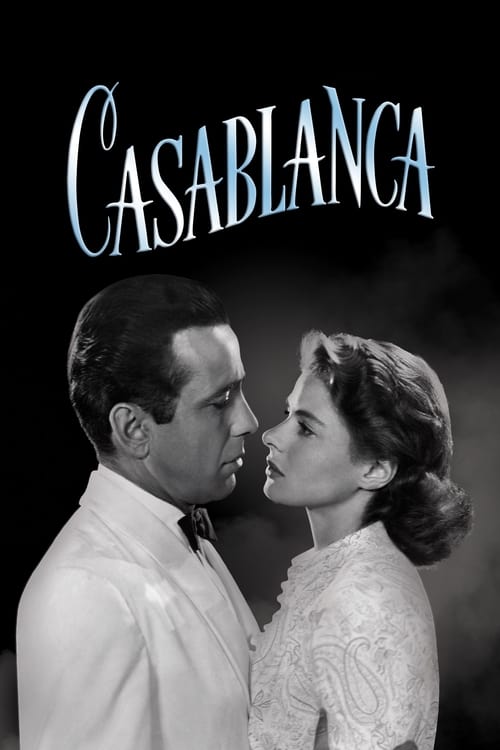
10. Casablanca
This quintessential Hollywood classic, despite its troubled production, achieved timeless status through its impeccable script, unforgettable characters, and enduring moral dilemmas. Set against the backdrop of WWII, it masterfully blended romance, intrigue, and sacrifice, creating a narrative that continues to resonate. Its moral complexities and iconic lines have cemented its place as one of cinema’s most beloved and influential works.