

1 / 10
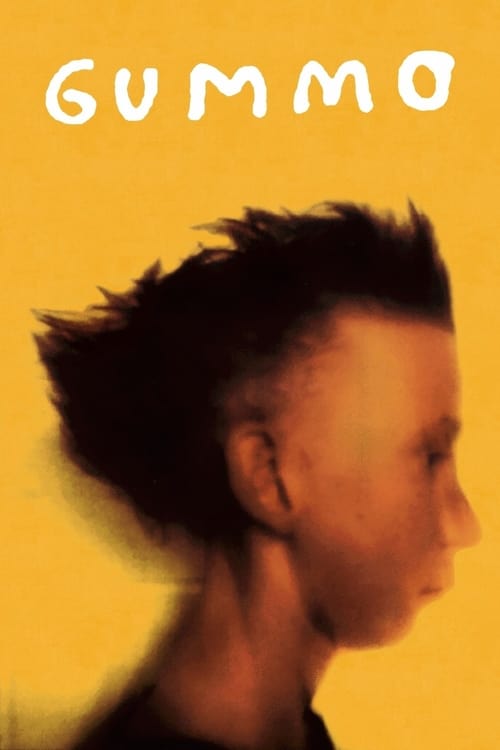
1. Gummo
Harmony Korine's directorial debut is a raw, unflinching glimpse into the lives of disaffected youth in a tornado-ravaged Ohio town. It's less a narrative and more a series of vignettes, offering a disturbing, yet strangely poetic, portrait of poverty, boredom, and nihilism. The film's experimental structure and non-linear storytelling create an immersive, almost voyeuristic experience, challenging traditional notions of beauty and despair.
2 / 10
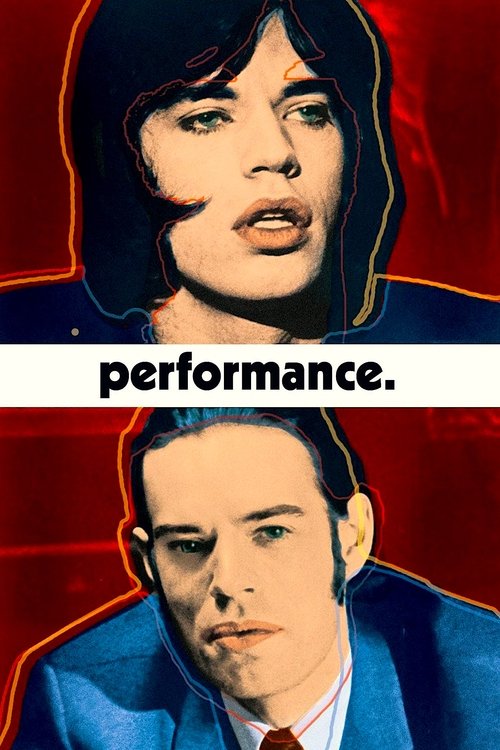
2. Performance
This audacious British crime drama, co-directed by Donald Cammell and Nicolas Roeg, plunges viewers into a psychedelic, identity-bending odyssey. James Fox's gangster, on the run, seeks refuge with Mick Jagger's reclusive rock star, leading to a hallucinatory blurring of roles and realities. Its fragmented narrative, explicit content, and exploration of gender and self made it profoundly controversial, yet undeniably influential, cementing its status as a counter-culture landmark.
3 / 10
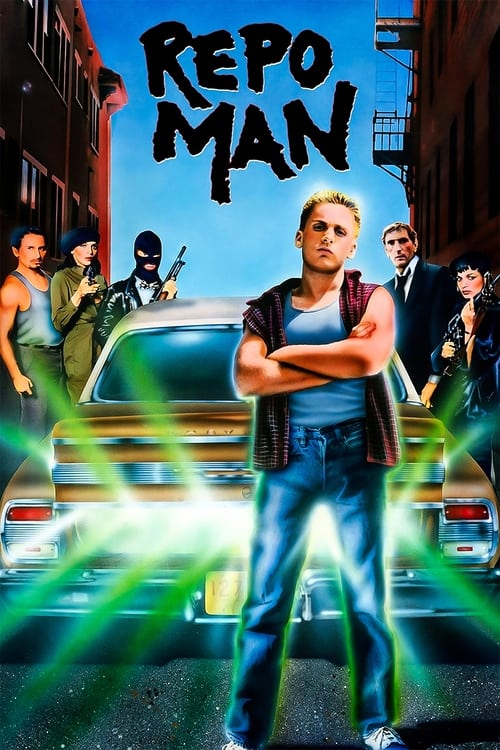
3. Repo Man
Alex Cox's anarchic punk rock sci-fi comedy is a glorious mess of consumerism critique, alien conspiracies, and existential angst. Emilio Estevez plays Otto, a disaffected youth who stumbles into the bizarre world of car repossession, where every character is a caricature of Reagan-era absurdity. Its deadpan humor, sharp dialogue, and distinctive aesthetic cemented its place as a quintessential 80s cult classic, proving that cynicism can be incredibly fun.
4 / 10
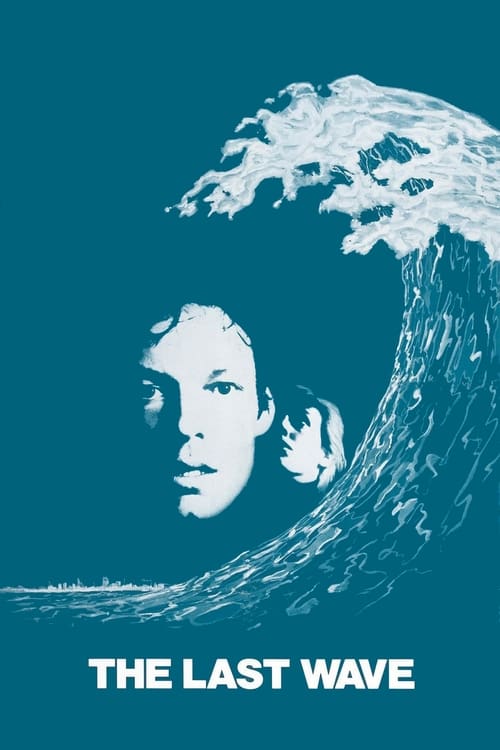
4. The Last Wave
Peter Weir's atmospheric and enigmatic thriller explores a Sydney lawyer's unsettling connection to Aboriginal mysticism and impending catastrophe. Richard Chamberlain's character finds himself drawn into a world of ancient prophecies and environmental dread, as strange weather patterns hint at a cataclysmic 'last wave.' Weir masterfully blends psychological suspense with supernatural elements, crafting a haunting, thought-provoking vision of cultural clash and ecological doom that lingers long after viewing.
5 / 10
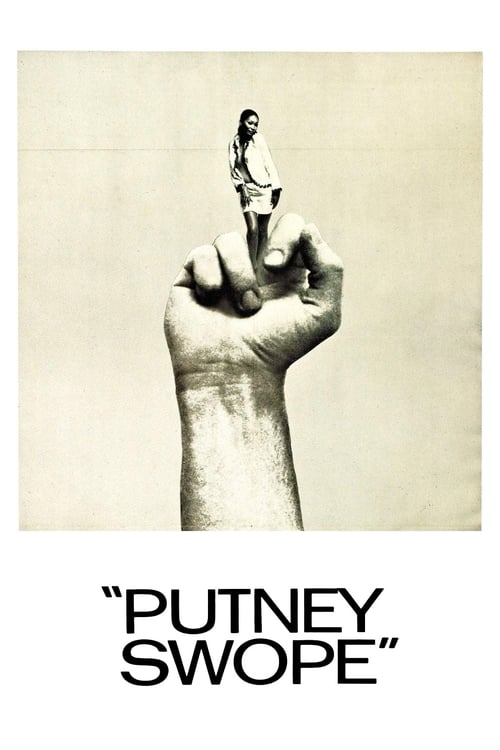
5. Putney Swope
Robert Downey Sr.'s audacious satire is a blistering, surreal attack on advertising, corporate greed, and racial politics. When the only Black man on a Madison Avenue ad agency's board is accidentally elected chairman, he renames the firm 'Truth and Soul, Inc.' and fires all white employees, except one. Shot mostly in black and white with color commercials, its absurdist humor and radical message remain shockingly potent, a true counter-culture gem.
6 / 10
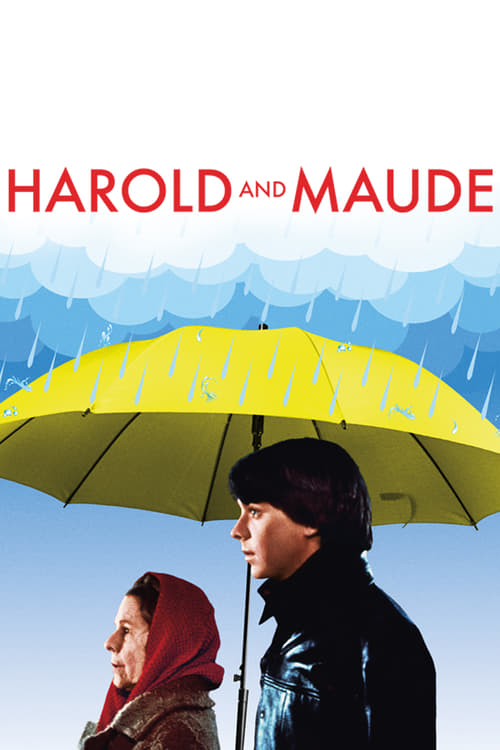
6. Harold and Maude
Hal Ashby's darkly comedic yet profoundly heartwarming tale of an unlikely romance between a death-obsessed young man and a life-affirming octogenarian is a true cinematic anomaly. Bud Cort and Ruth Gordon deliver unforgettable performances, navigating themes of mortality, societal expectations, and finding joy in unconventional places. Its irreverent humor, poignant message, and Cat Stevens soundtrack have solidified its status as a beloved, quirky classic that champions individuality.
7 / 10
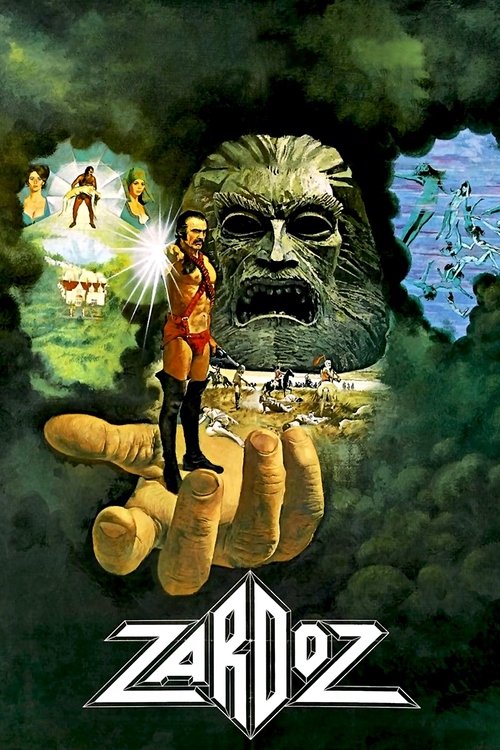
7. Zardoz
John Boorman's psychedelic post-apocalyptic sci-fi epic is a visual and philosophical trip, often derided but endlessly fascinating. Sean Connery, clad in a red diaper-like ensemble, navigates a future world where humanity is divided into immortal elites and savage 'brutals,' all worshipping a giant flying stone head named Zardoz. It's a bizarre, ambitious, and deeply flawed commentary on class, religion, and evolution, a truly singular vision that demands re-evaluation.
8 / 10

8. House
Nobuhiko Obayashi's *House* (or *Hausu*) is an explosion of surreal horror and whimsical absurdity, a psychedelic fever dream unlike any other. Seven schoolgirls visit a remote ancestral home, only to encounter a sentient, voracious house that devours them in increasingly outlandish and visually inventive ways. Its kaleidoscopic visuals, playful tone, and complete disregard for conventional narrative make it a unique, delightful, and genuinely unsettling experience that defies categorization.
9 / 10
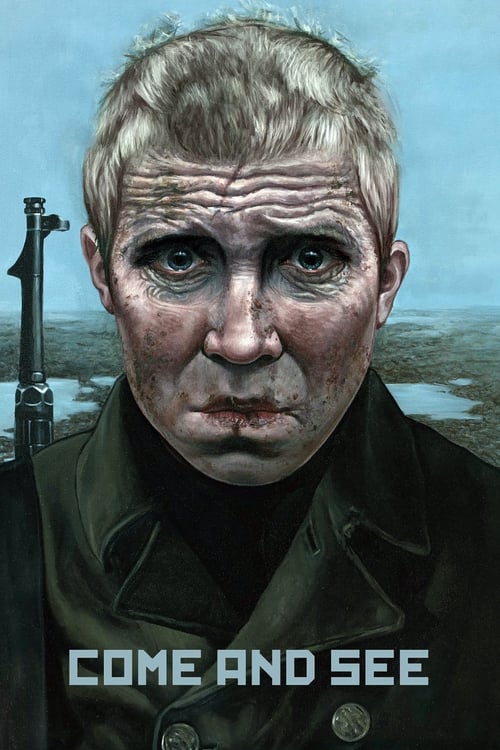
9. Come and See
Elem Klimov's Soviet anti-war film is an unflinching, harrowing descent into the horrors of World War II's Eastern Front, seen through the eyes of a young Belarusian boy. As he joins the partisans, the film transforms him, and the viewer, through a relentless barrage of psychological and physical trauma. Its visceral, dreamlike realism, combined with a haunting soundscape, creates an unforgettable, devastating masterpiece that explores the absolute degradation of humanity.
10 / 10
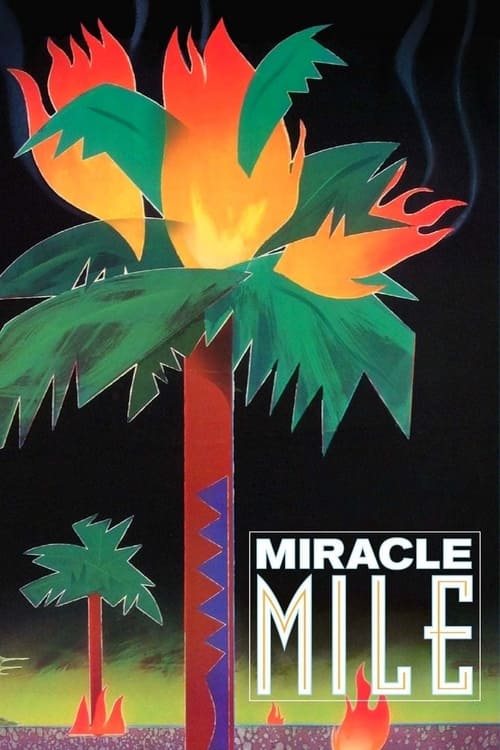
10. Miracle Mile
Steve De Jarnatt's nail-biting, real-time thriller plunges its audience into an immediate nuclear apocalypse scenario. Anthony Edwards' character receives a mistaken phone call warning of an impending missile strike, igniting a frantic, desperate race against time through the streets of Los Angeles. It’s a masterclass in escalating tension, blending elements of noir, romance, and existential dread into a uniquely terrifying and darkly comedic commentary on human nature under extreme duress.