

1. Dark City
This neo-noir mind-bender from '98 still feels fresh. Imagine AI crafting a whole city's reality, shifting memories and identities every night. Its core idea of identity manipulation and constructed worlds is perfect for VR narratives where players could literally reshape their environment. Think about AI generating infinite, evolving cityscapes based on player choices. It’s got that deep, existential vibe, asking what makes us real. This film could inspire truly dynamic, personal stories.

2. Perfect Blue
Satoshi Kon's '98 animated psychological thriller is a masterclass in blurring lines between reality and illusion. It explores celebrity culture, online obsession, and psychological fragmentation in a way that feels super relevant today. For AI storytelling, imagine an engine dynamically creating alternative realities or fan-generated content that blurs with the main narrative, like Mima's breakdown. It’s a blueprint for exploring virtual identities and the intense pressure of digital personas, perfect for interactive, character-driven experiences.

3. Primer
This 2004 indie gem is all about complex time travel, done super smart and low-budget. Its strength lies in its intricate plotting and the quiet, escalating paranoia. AI could really shine here, dynamically generating branching timelines or alternate realities based on tiny decisions made within the story. Imagine an AI narrator keeping track of all those paradoxes! It's a goldmine for exploring cause-and-effect in an infinitely re-playable, subtly shifting narrative, letting players truly feel the weight of every choice.
4. The City of Lost Children
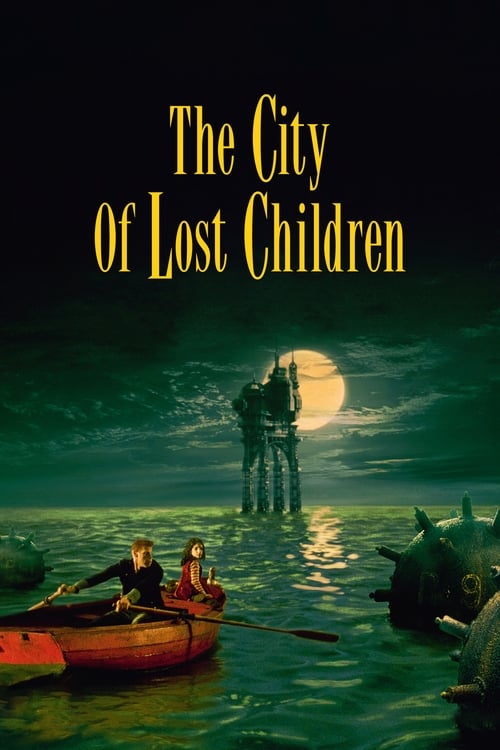
This 1995 French fantasy is visually stunning, full of dark, whimsical wonder. Its premise—an evil scientist stealing dreams—is pure imagination fuel. Think about AI designing entire steampunk worlds, generating bizarre characters and solving puzzles in real-time. It’s got a unique aesthetic that VR could completely immerse you in, creating sensory experiences as rich and strange as its visuals. The emotional core about childhood wonder and loss would resonate deeply in an AI-driven, fantastical adventure.
5. Videodrome
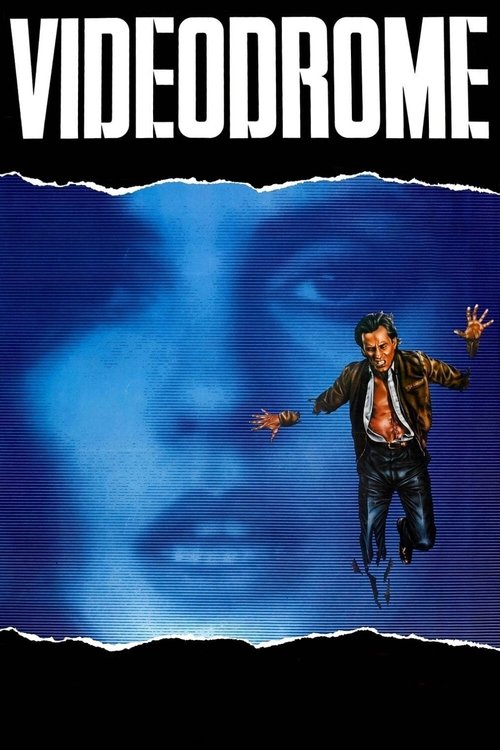
Cronenberg's '83 classic dives into media manipulation and hallucination, predicting so much about our digital age. The idea of a signal that literally changes your perception and reality is incredible for AI. Imagine an AI system altering the game world or narrative based on what your character 'watches' or 'experiences' virtually. It’s a provocative look at how technology can warp our minds, perfect for interactive horror or psychological thrillers where the reality itself is constantly morphing. Long live the new flesh!
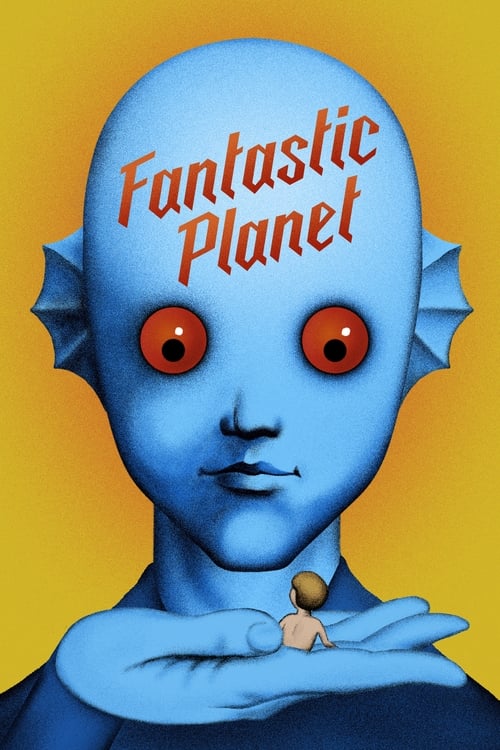
6. Fantastic Planet
This 1973 animated sci-fi film is a visual masterpiece with a truly alien ecosystem and societal structure. Its unique animation style and allegorical story about oppression and coexistence are ripe for new interpretations. AI could generate endless alien flora and fauna, or dynamically evolve societal rules based on player interaction. Imagine exploring this world in VR, with AI characters reacting intelligently to your presence. It’s a blueprint for building truly immersive, thought-provoking alien worlds with deep social commentary.
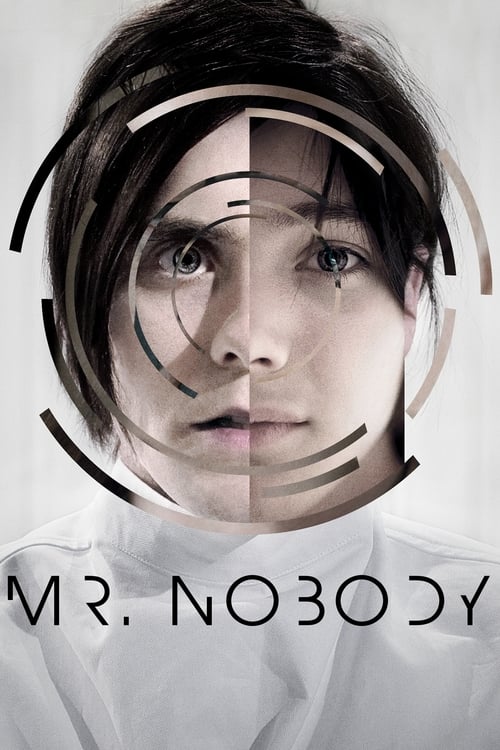
7. Mr. Nobody
This 2009 film explores parallel lives and the butterfly effect with stunning visuals and philosophical depth. It asks big questions about choice and destiny. AI could take this concept to the next level, generating countless life paths for a character based on a single decision, letting players explore all possible outcomes in real-time. Imagine experiencing multiple versions of yourself simultaneously, or seeing how tiny choices cascade into vastly different realities. It’s about infinite possibilities, perfect for truly personalized narratives.

8. The Man Who Fell to Earth
Bowie's iconic 1976 film about an alien trying to save his dying planet is a melancholic, visually striking commentary on humanity. Its themes of isolation, otherness, and environmental decay are timeless. AI could craft dynamic character interactions with an alien protagonist, adapting dialogue and plot to explore cultural misunderstandings. Imagine VR experiences where you are the alien, navigating a strange new world, with AI generating realistic human reactions to your presence. It’s a deeply emotional journey.
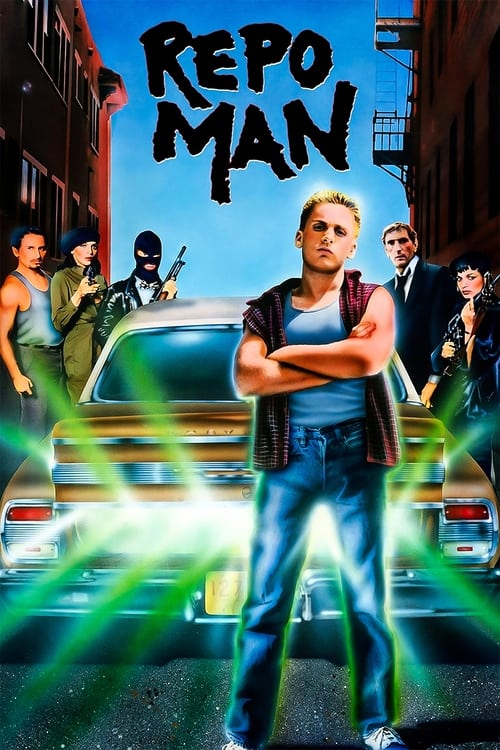
9. Repo Man
This 1984 punk rock sci-fi cult classic is pure chaotic energy, full of weird humor and anti-establishment vibes. Its absurd, conspiracy-laden plot and quirky characters are fantastic. AI could generate endless, bizarre side quests and dialogue for a sandbox-style world, keeping that unpredictable, off-kilter tone alive. Imagine an AI writing new conspiracy theories on the fly, or populating a wasteland with even stranger characters. It’s a masterclass in cool, strange world-building that AI could expand infinitely.

10. Seconds
This 1966 psychological thriller is about a man who fakes his death for a new identity, only to find the new life isn't what he expected. Its themes of identity, existential dread, and societal critique are super powerful. AI could create dynamic identity-shifting narratives, where your persona and past are constantly being rewritten, impacting your interactions. Imagine VR where your appearance and history change, and AI characters react to your new 'self.' It’s a haunting look at second chances gone wrong.