
1 / 10

1. Draugen
Draugen, released in 2019, quietly redefined narrative-driven exploration. It’s a psychological journey through 1920s Norway, where the unsettling atmosphere and the protagonist's unraveling mind take precedence over traditional scares. This game proved that profound emotional impact could stem from intimate character interactions and environmental storytelling, foregoing elaborate mechanics for a deeply personal, melancholic experience that lingers long after the credits roll, subtly influencing how we perceive interactive dramas.
2 / 10
2. Okami
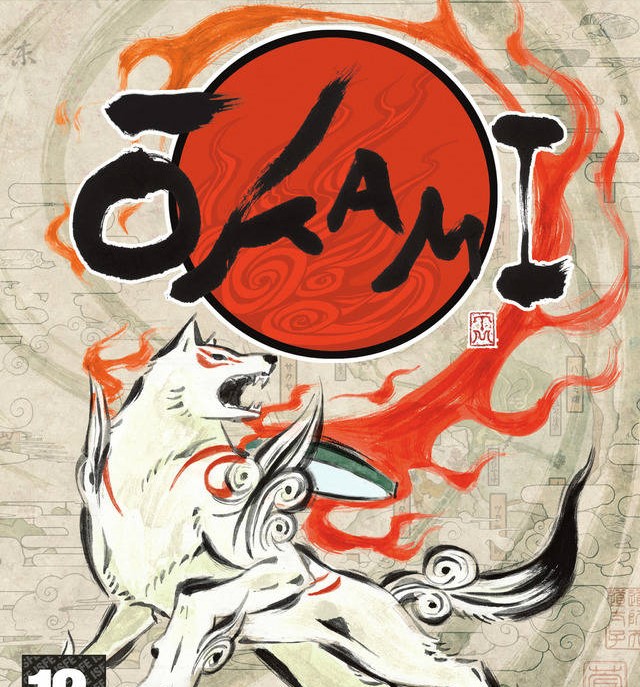
Okami, from 2006, proved that artistic vision could transcend hardware limitations. Its sumi-e art style, mimicking traditional Japanese ink wash painting, wasn’t just a gimmick; it was integral to the Celestial Brush gameplay. This game masterfully blended action, puzzle-solving, and a heartfelt narrative rooted in Japanese mythology, creating a timeless adventure that resonated deeply. It showcased how aesthetic innovation, when perfectly integrated with mechanics, could carve out a unique, enduring legacy in gaming history.
3 / 10
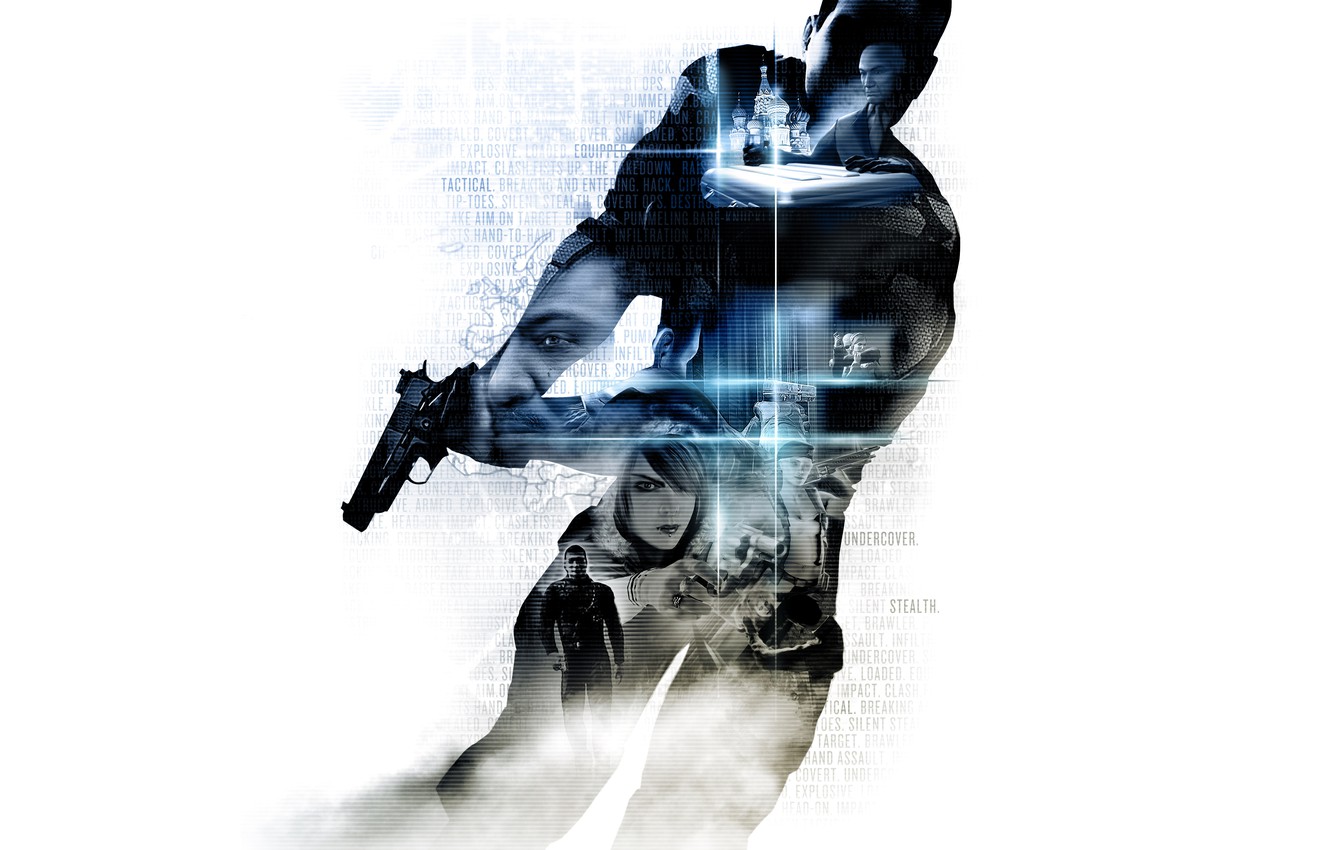
3. Alpha Protocol
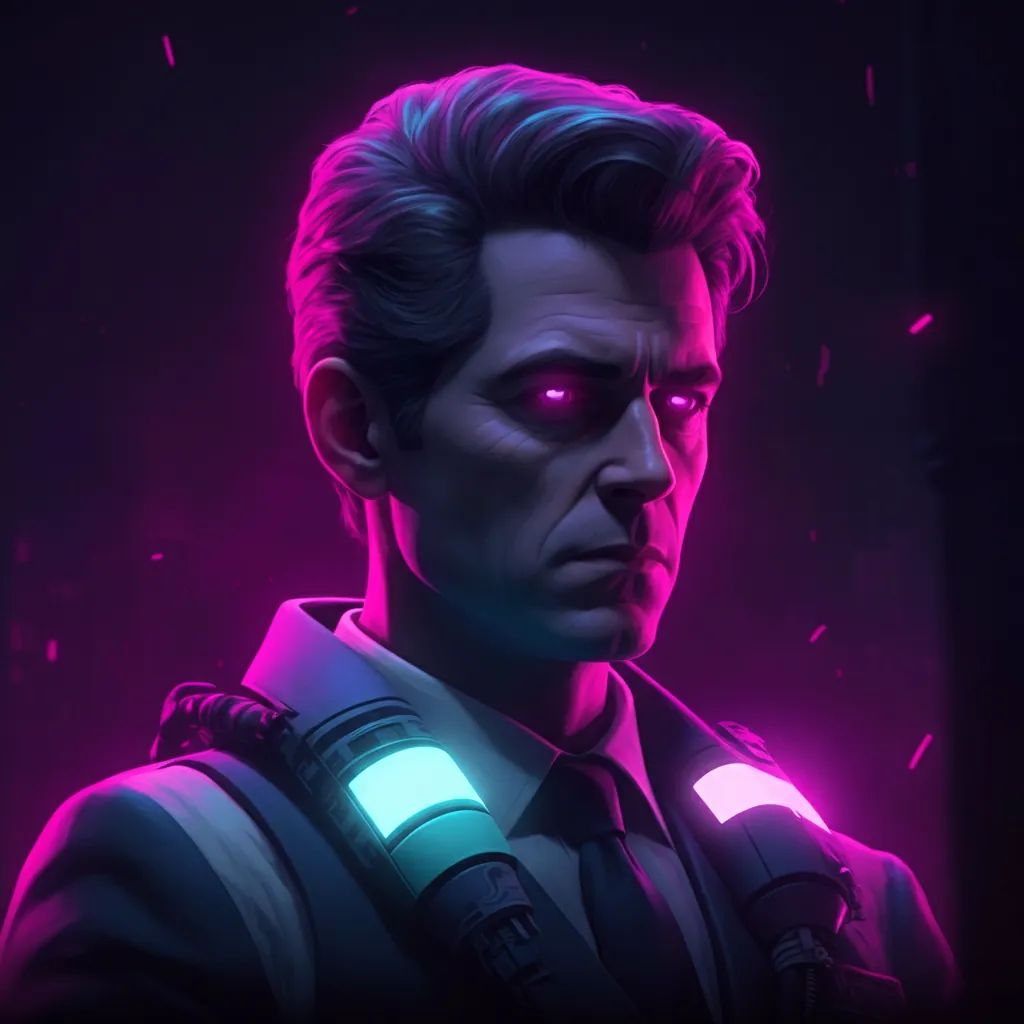
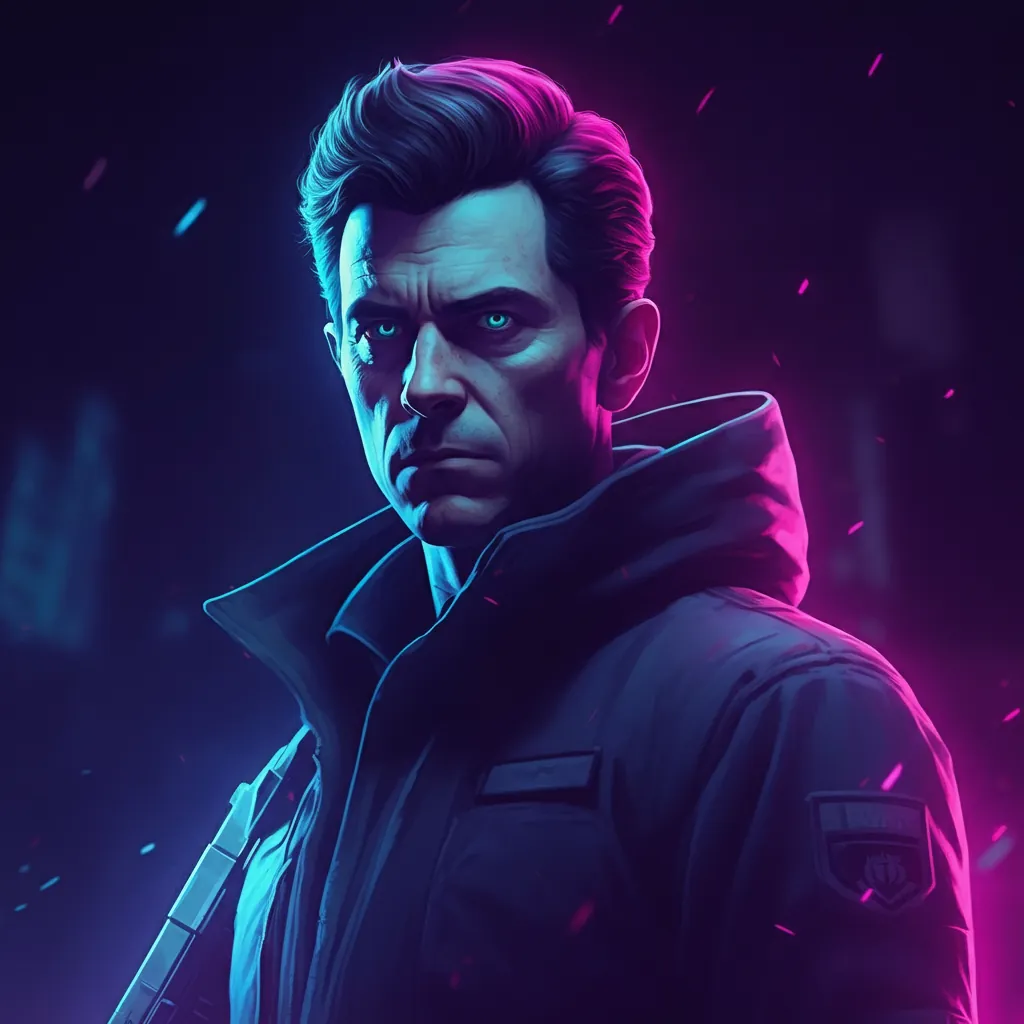
Alpha Protocol, released in 2010, was a flawed gem that bravely tackled the spy RPG genre. Despite its rough edges, it was remarkably ambitious, offering unparalleled player choice and consequence in dialogue and mission structure. Your decisions genuinely mattered, shaping relationships and the narrative's direction in ways few games dared at the time. It proved that deep role-playing, even with clunky combat, could create a compelling, personalized espionage experience far ahead of its contemporaries.
4 / 10
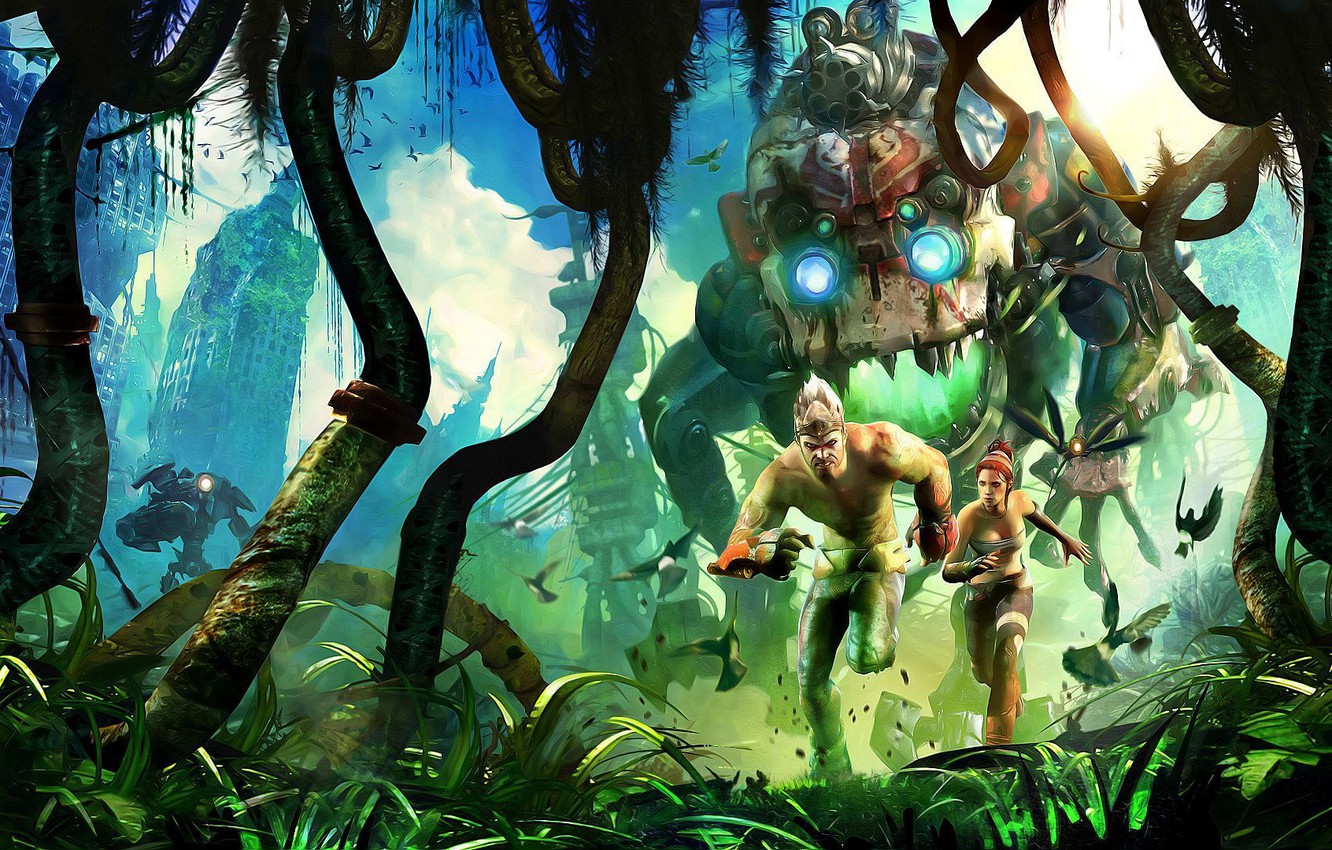
4. Enslaved: Odyssey to the West
Enslaved: Odyssey to the West, from 2010, was a masterclass in character-driven adventure. Set in a gorgeous, overgrown post-apocalyptic America, its strength lay in the evolving relationship between the gruff Monkey and the resourceful Trip. Combat and platforming were solid, but it was the emotional core and powerful narrative that truly elevated it. This game demonstrated how compelling character dynamics could anchor a linear action-adventure, leaving a lasting impression through its storytelling and stunning visual design.
5 / 10
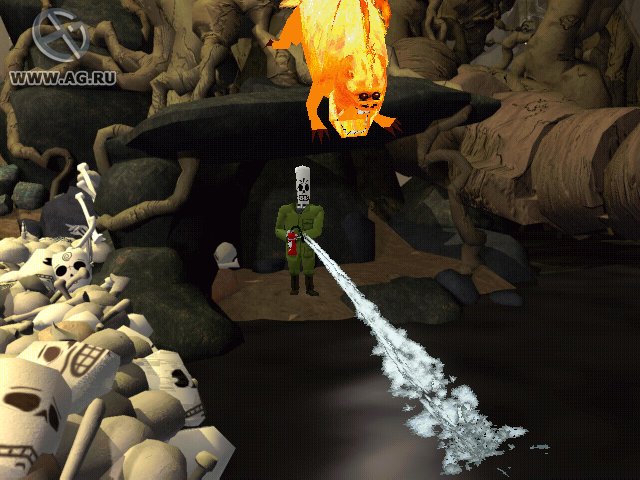
5. Grim Fandango
Grim Fandango, a 1998 LucasArts masterpiece, was a landmark in adventure gaming. Its unique blend of film noir aesthetics and Mexican folklore created an unforgettable world in the Land of the Dead. With sharp writing, memorable characters, and ingenious puzzles, it pushed narrative boundaries, demonstrating the genre's potential for mature, complex storytelling. Despite initial commercial struggles, its artistic brilliance and innovative approach solidified its place as a critically acclaimed, influential classic that still resonates.
6 / 10
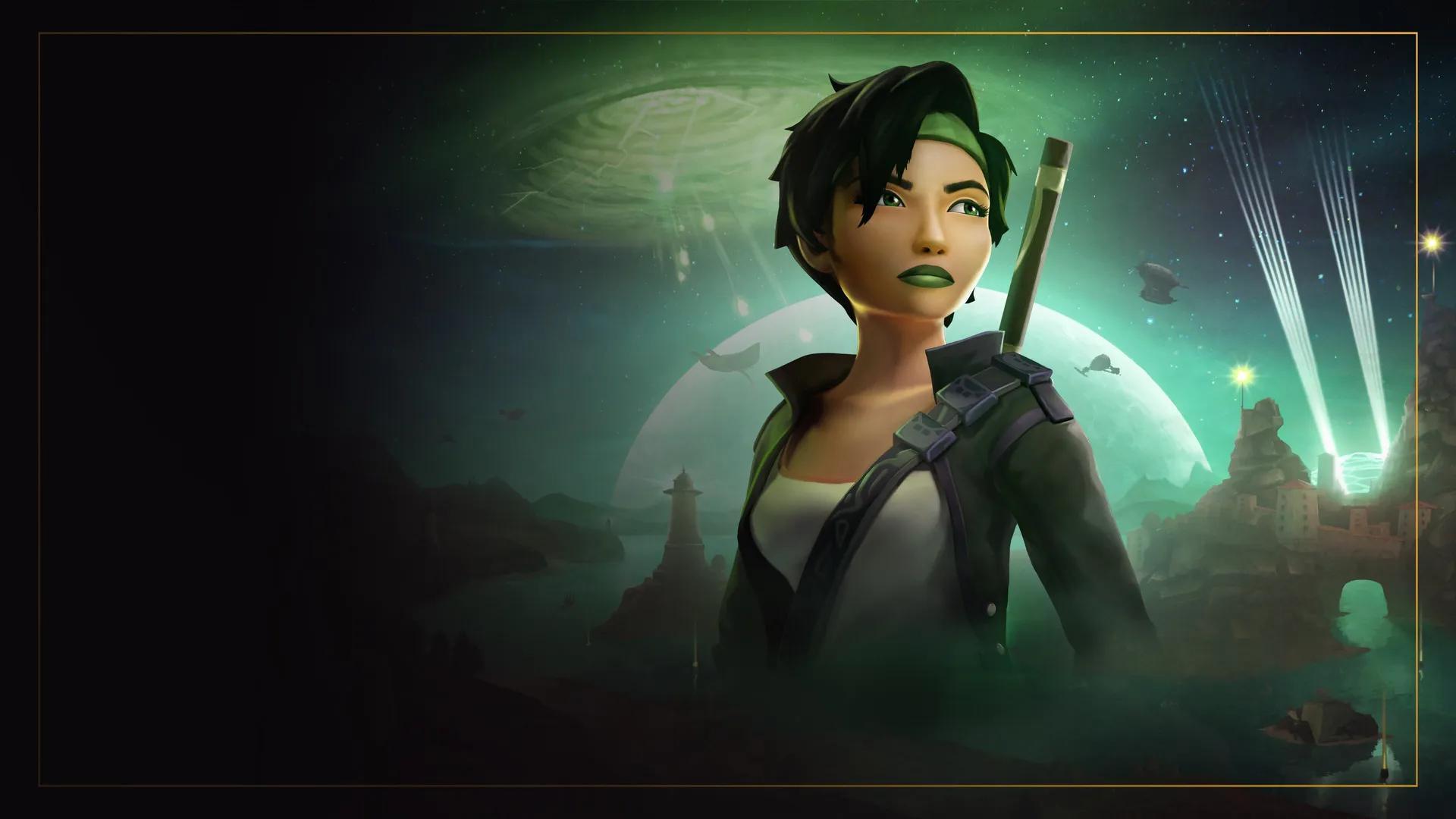
6. Beyond Good & Evil - 20th Anniversary Edition
The 20th Anniversary Edition reminds us why Beyond Good & Evil, originally from 2003, became a cult classic. This remaster highlights its pioneering blend of stealth, combat, puzzle-solving, and photography, all wrapped in a vibrant, unique sci-fi universe. It championed investigative journalism and animal rights long before such themes were common, creating a captivating narrative around its iconic protagonist, Jade. Its enduring appeal shows how bold artistic vision and strong storytelling can transcend initial sales figures.
7 / 10
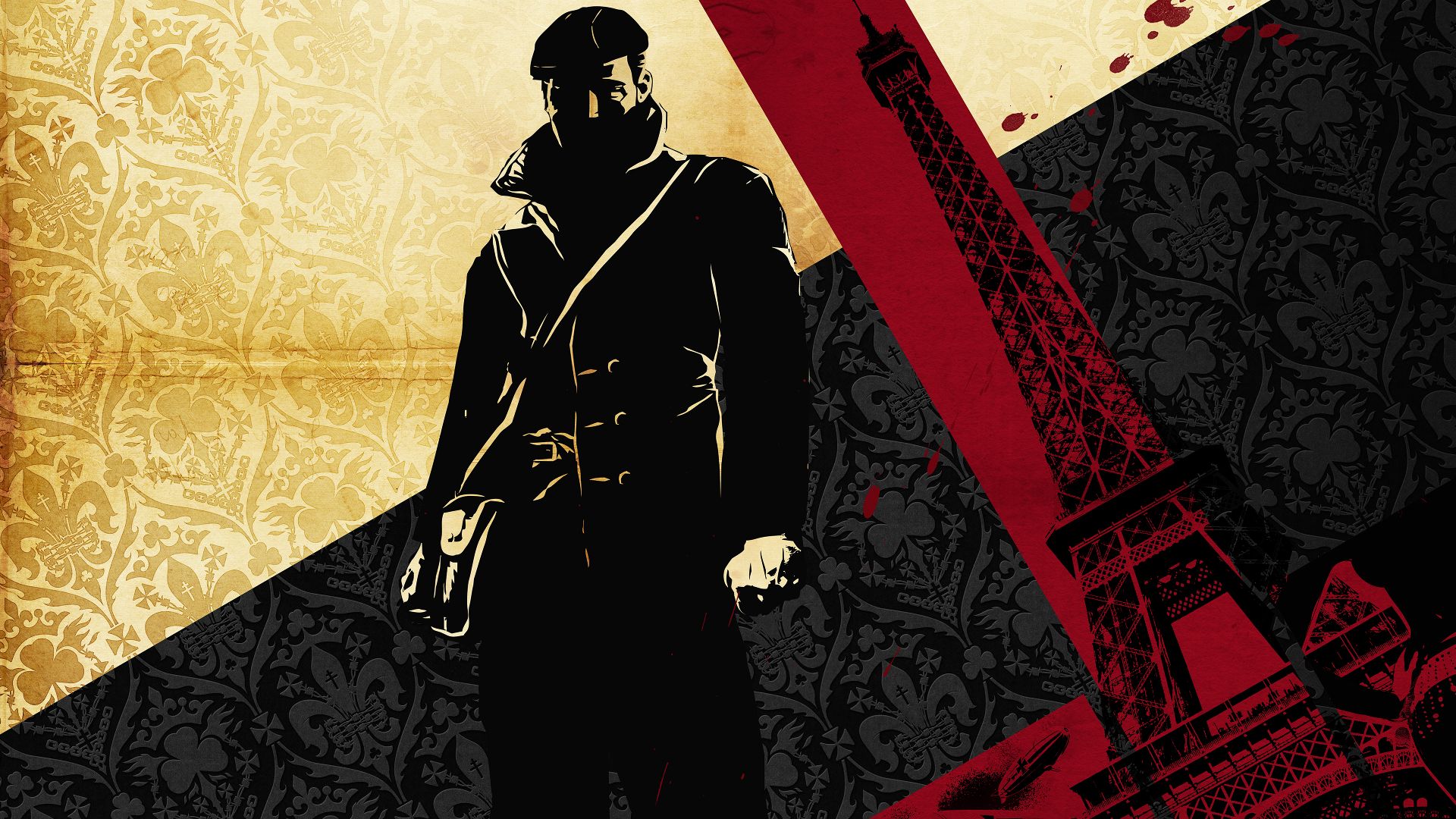
7. The Saboteur
The Saboteur, released in 2009, offered a unique twist on the open-world genre. Set in Nazi-occupied Paris, its ingenious 'Will to Fight' mechanic transformed monochrome oppression into vibrant resistance, visually reflecting player progress. While its mechanics were familiar, the stylistic flair and compelling narrative of an Irish mechanic turned saboteur made it distinctive. It was a stylish, gritty swansong for Pandemic Studios, proving that strong aesthetic choices could profoundly elevate a standard gameplay loop.
8 / 10
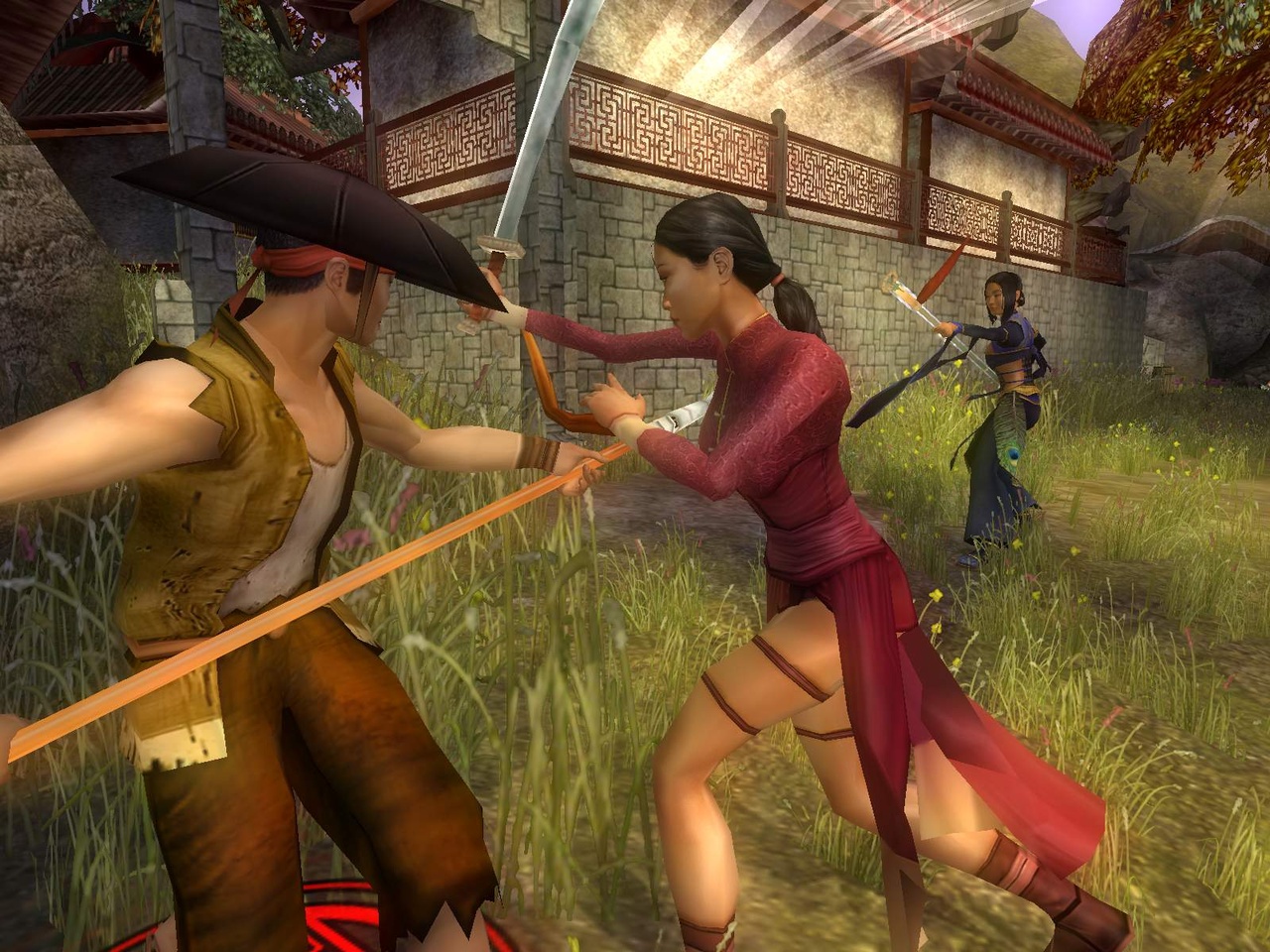
8. Jade Empire
Jade Empire, BioWare’s 2005 action RPG, ventured into a rich, fantastical ancient China, diverging from their typical sci-fi and Western fantasy. Its real-time martial arts combat system felt fresh, complemented by a compelling morality system and deep character customization. This game proved BioWare could craft engaging narratives and worlds beyond their established comfort zones, offering a distinct blend of action and role-playing that broadened the studio's horizons and influenced subsequent action RPG designs.
9 / 10
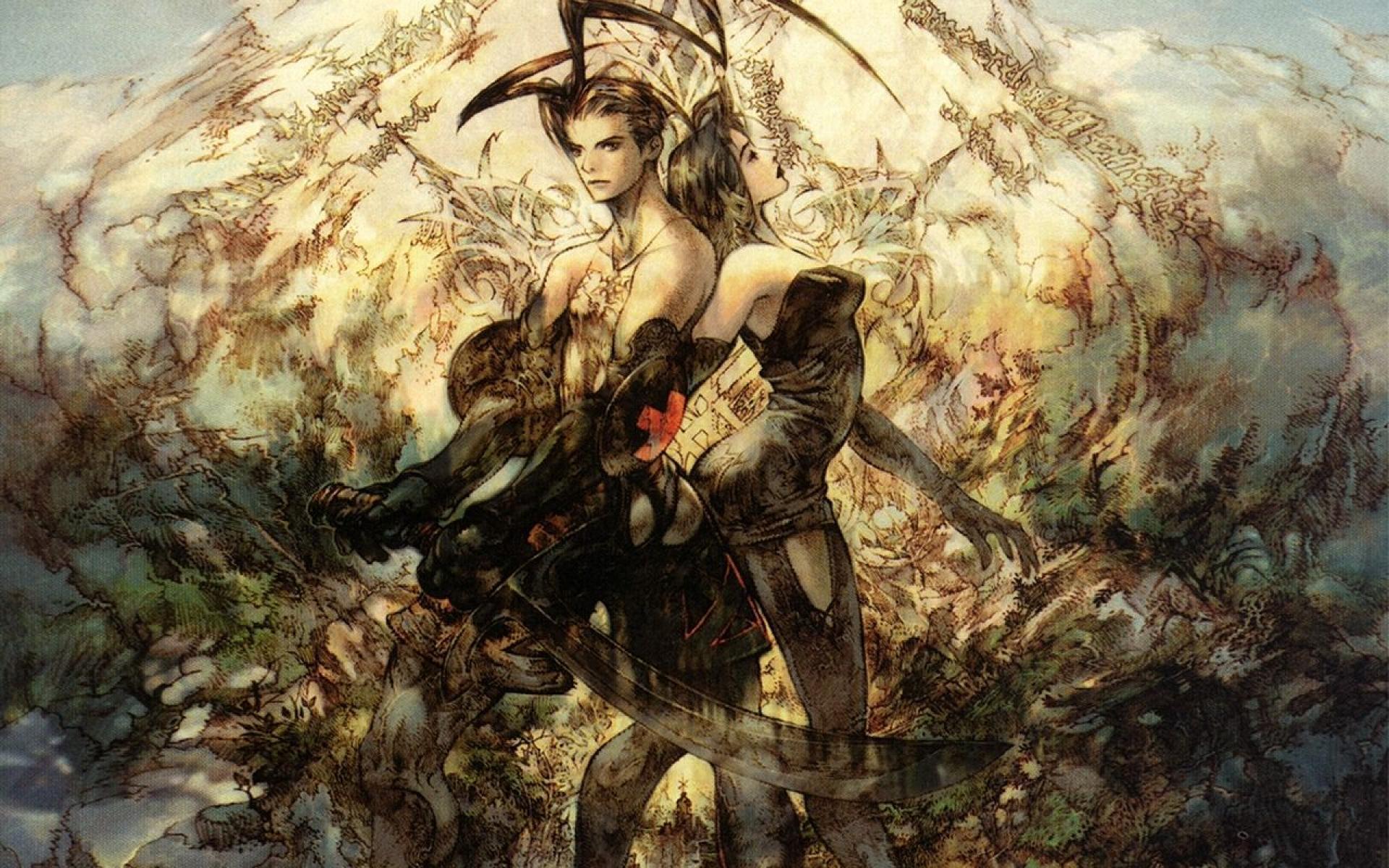
9. Vagrant Story (2000)
Vagrant Story, released in 2000, was an uncompromising Squaresoft masterpiece. It defied genre conventions with its intricate, tactical combat system, deep weapon customization, and a mature, dark fantasy narrative told through stunning pre-rendered backdrops. Its complex mechanics and unique risk-reward system demanded player mastery, setting it apart from its contemporaries. This PlayStation gem pushed technical and narrative boundaries, becoming a cult classic revered for its innovative gameplay and unparalleled atmospheric design.
10 / 10

10. GUN
GUN, from 2005, delivered a brutal, no-holds-barred Western experience years before the genre truly hit its stride. Its open-world frontier, gritty narrative of revenge, and visceral combat were groundbreaking for the time, offering a mature take on the Wild West. While overshadowed by later titles, GUN established many tropes and mechanics that would become staples. It proved the viability of an open-world Western, leaving an indelible mark on the genre's evolution with its raw, impactful presentation.