1. Max Headroom
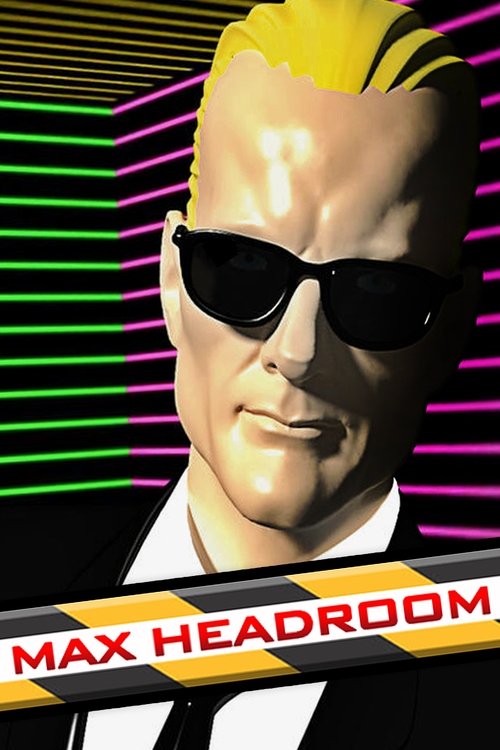
Max Headroom (1987) was a broadcast from a cracked future, man. That stuttering, cynical AI in a digital suit, it embodied the glitched-out media landscape before we knew what hit us. The neon-drenched cyberpunk aesthetic, the primitive but groundbreaking analog effects – it all screamed "anti-establishment" even as it aired on network TV. It didn't just bend reality; it rewrote the code for what sci-fi could be, raw and utterly unique.
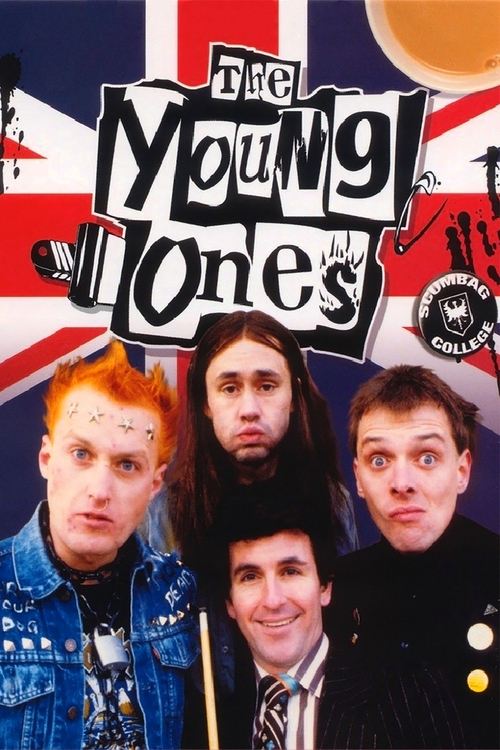
2. The Young Ones
This wasn't just a sitcom; it was a cultural hand grenade. Four utterly dysfunctional students, a perpetually trashed flat, and a complete disregard for the fourth wall or any logical narrative. It was punk rock energy injected directly into your living room, full of surreal cutaways, grotesque puppets, and a general air of glorious, messy chaos. You never knew what insane thing would happen next, and that was the whole point.

3. Blake's 7
Before grimdark was a thing, there was *Blake's 7*. This wasn't your shiny, optimistic space opera. It was bleak, cynical, and full of anti-heroes trying to fight an oppressive federation with a clunky ship and constant betrayal. The low-budget practical effects just added to its gritty charm. It was British sci-fi at its most desperate and morally ambiguous, a real proto-cult classic that dared to be depressing.
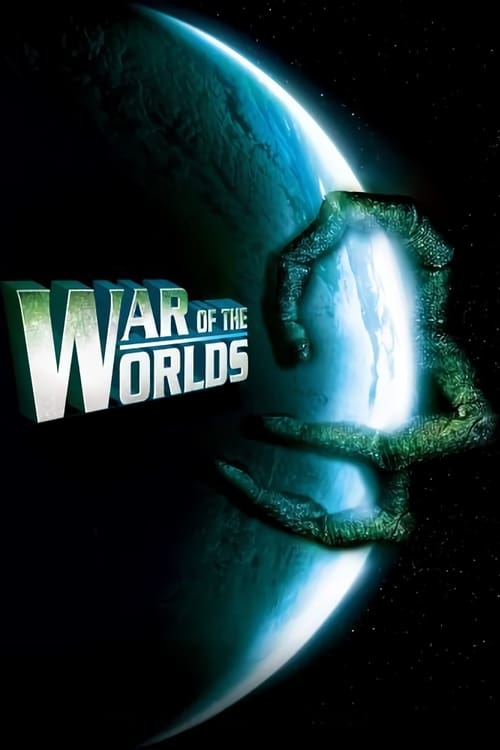
4. War of the Worlds
Picking up right where the 1953 movie left off, this syndicated gem brought back the nasty, green-blooded aliens. It had that gritty, late-80s cable vibe, a sense of constant paranoia and desperate struggle against an unseen enemy. The practical effects were often cheap but effective, lending a real weight to the alien menace. It was a weekly dose of pure, unadulterated alien invasion dread, a true cable monsterpiece.
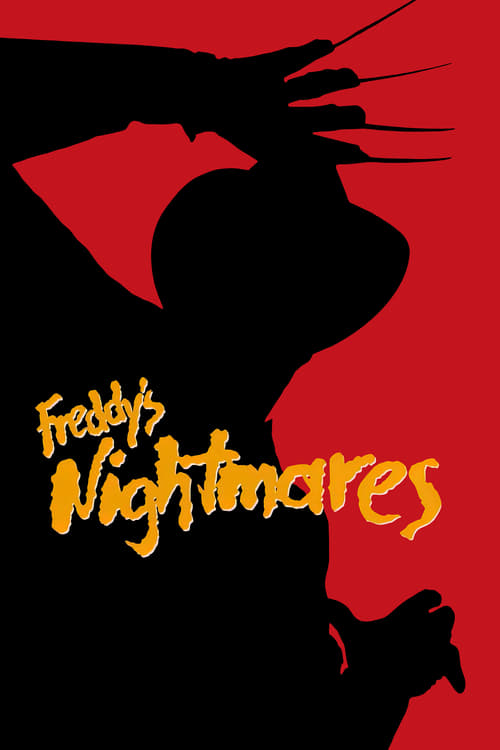
5. Freddy's Nightmares
Oh man, Freddy on the small screen. This syndicated anthology was a twisted trip into Elm Street's darkest corners, often with Freddy himself hosting, dropping one-liners before the terror really kicked in. It was a showcase for practical creature effects and dream-logic horror, a weekly dose of the grotesque that pushed boundaries for broadcast TV. You watched it late, usually with the lights off, and got properly freaked out.
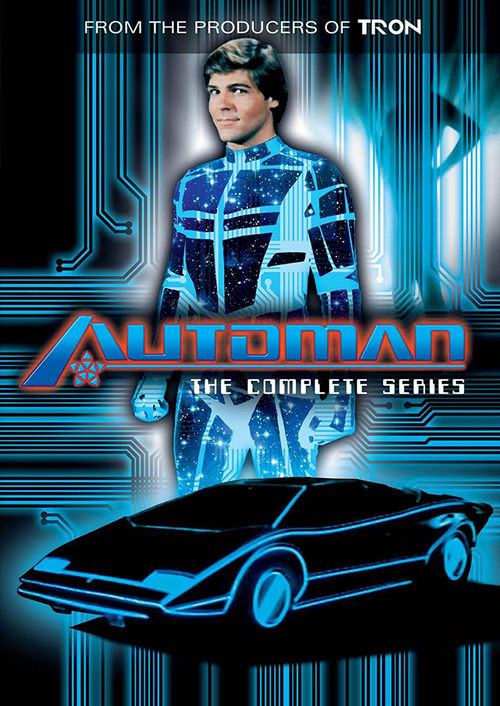
6. Automan
This was peak neon-soaked 80s absurdity. A computer program that could manifest in the real world, driving a glowing Lamborghini that turned at 90-degree angles. The early CGI effects, while primitive by today's standards, were mind-blowing back then, making him look like he stepped out of a vector arcade game. Pure, unadulterated, high-tech cheese, with a slick, almost proto-cyberpunk aesthetic that lit up the screen.
7. Manimal
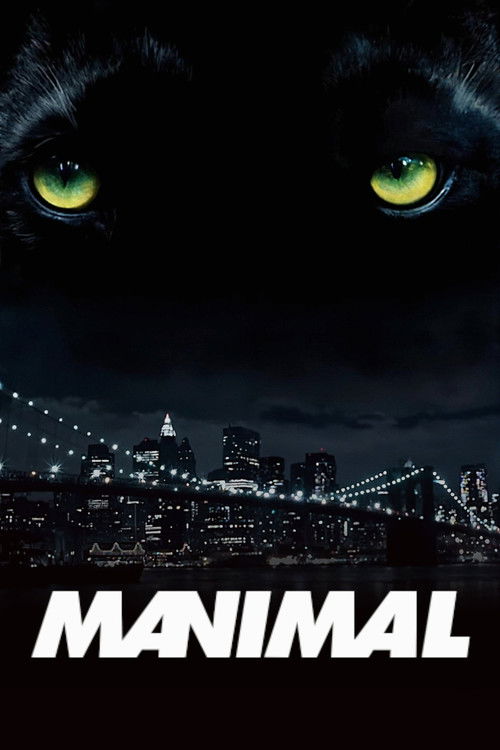
A doctor who could turn into any animal to fight crime? Yeah, that's *Manimal* (1983) in a nutshell. The shapeshifting practical effects were the real draw, often impressively done for the era, even if the plots were thin. It was a wild, absurd concept that burned bright and fast, a testament to network TV throwing everything at the wall to see what stuck. A truly memorable, if brief, cult oddity.
8. Profit
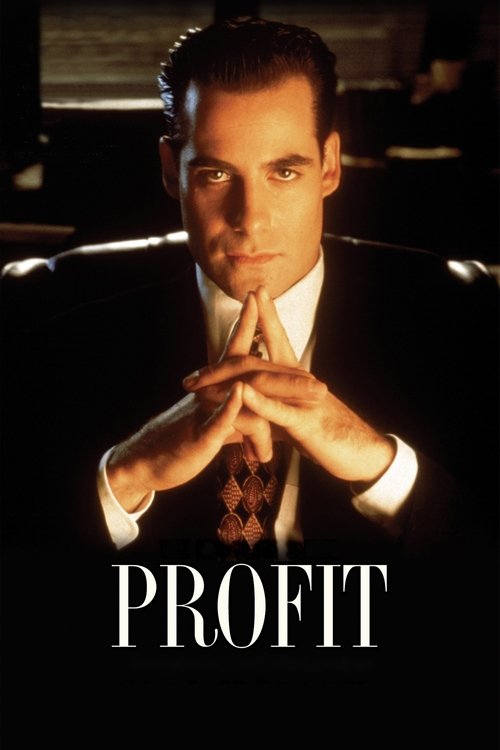
This show was *nasty*. A cynical, amoral corporate climber using every dirty trick in the book, breaking the fourth wall to confide in the audience. It was a proto-antihero masterpiece, a black-hearted satire of corporate greed that was way ahead of its time. The stark, almost industrial aesthetic and Gary Cole's chilling performance made it genuinely uncomfortable viewing. Too smart, too dark for the masses back then, but brilliant.
9. Millennium
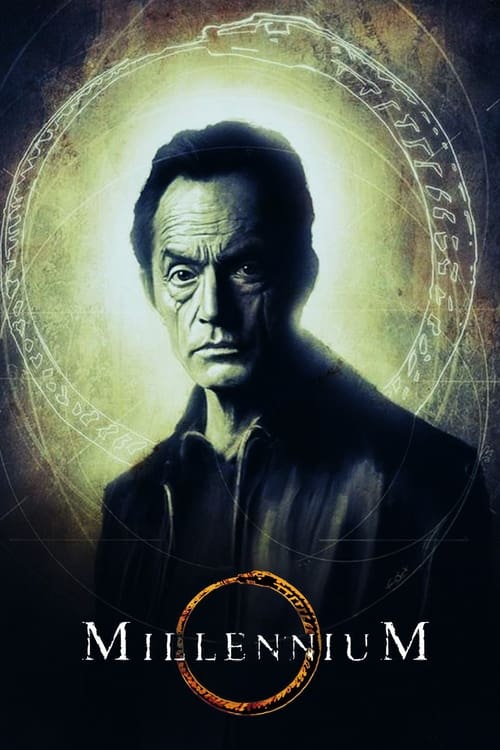
*The X-Files* got a darker, grittier cousin. Frank Black, a former FBI profiler, could see the world through the eyes of killers, solving cases steeped in supernatural dread and apocalyptic visions. It was atmospheric, unsettling, and drenched in a sense of impending doom, exploring the darkest corners of human evil. That end-of-the-millennium paranoia was palpable, making it a truly intense experience that burrowed into your head.
10. Strange Luck
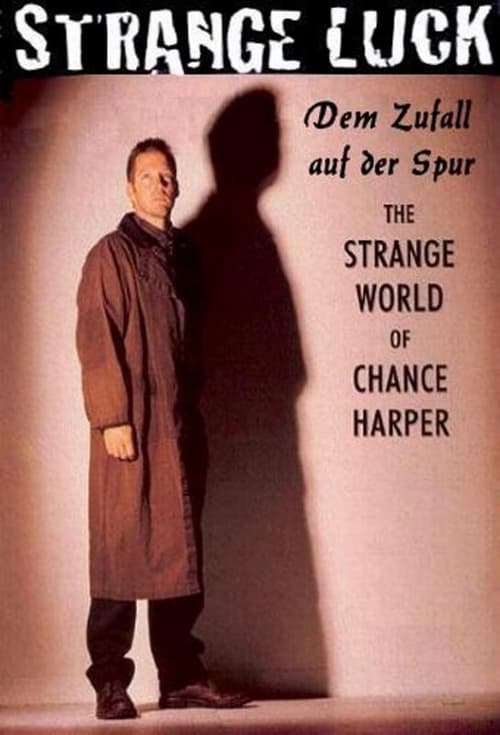
D.B. Sweeney's character in *Strange Luck* (1995) was a magnet for bizarre coincidences, living a life seemingly ruled by chaotic fate. Every episode was a wild, interconnected ride, making you question the unseen strings pulling our lives. It was a philosophical procedural, a cult favorite that played with destiny and chance in a way few shows dared. The whole premise was wonderfully mind-bending, a true syndicated gem that defied easy categorization.
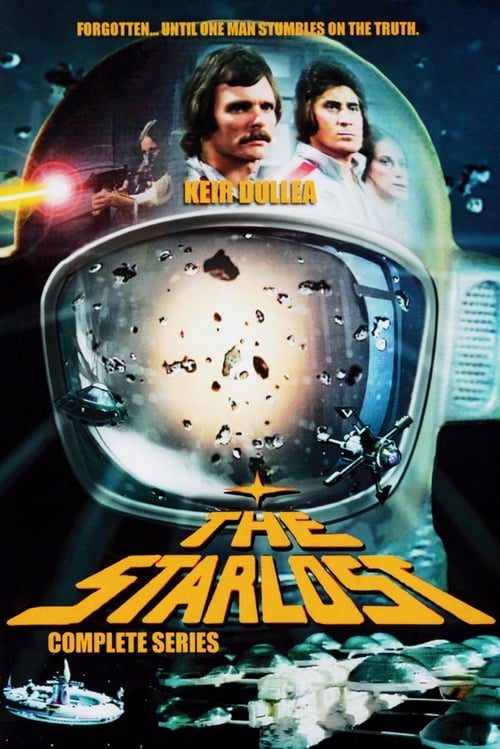
11. The Starlost
This Canadian sci-fi epic had a grand vision: a massive generation ship, humanity lost in space. The execution, though, was often clunky, with wobbly sets and special effects that struggled to keep up. But its ambition was undeniable. It was an early attempt at complex, serialized space opera on a budget, an experimental blend of high concept and practical oddities that left a lasting, if flawed, impression on those who saw it.
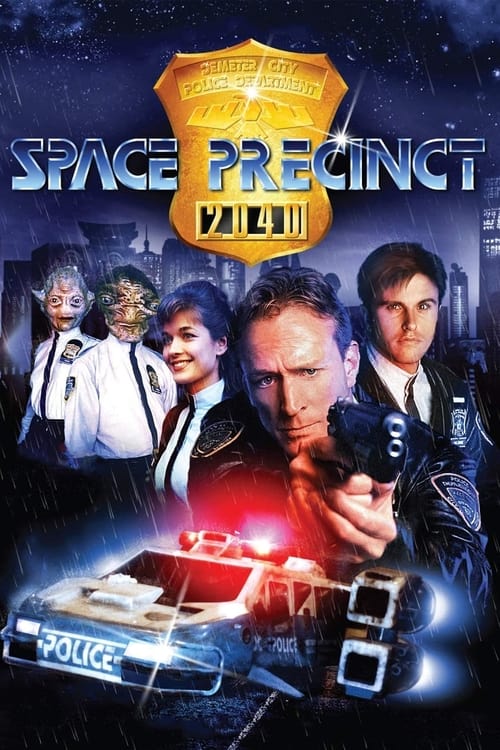
12. Space Precinct
Gerry Anderson, but with a twist. This was live-action humans and his signature Supermarionation puppets (now advanced animatronics) sharing the screen as space cops. It was a wild, proto-hybrid, blending practical effects, model work, and a gritty, almost film noir style. The alien designs were fantastic, and the whole thing felt like a truly unique, neon-soaked vision of a future police procedural that was unlike anything else.