
1 / 10
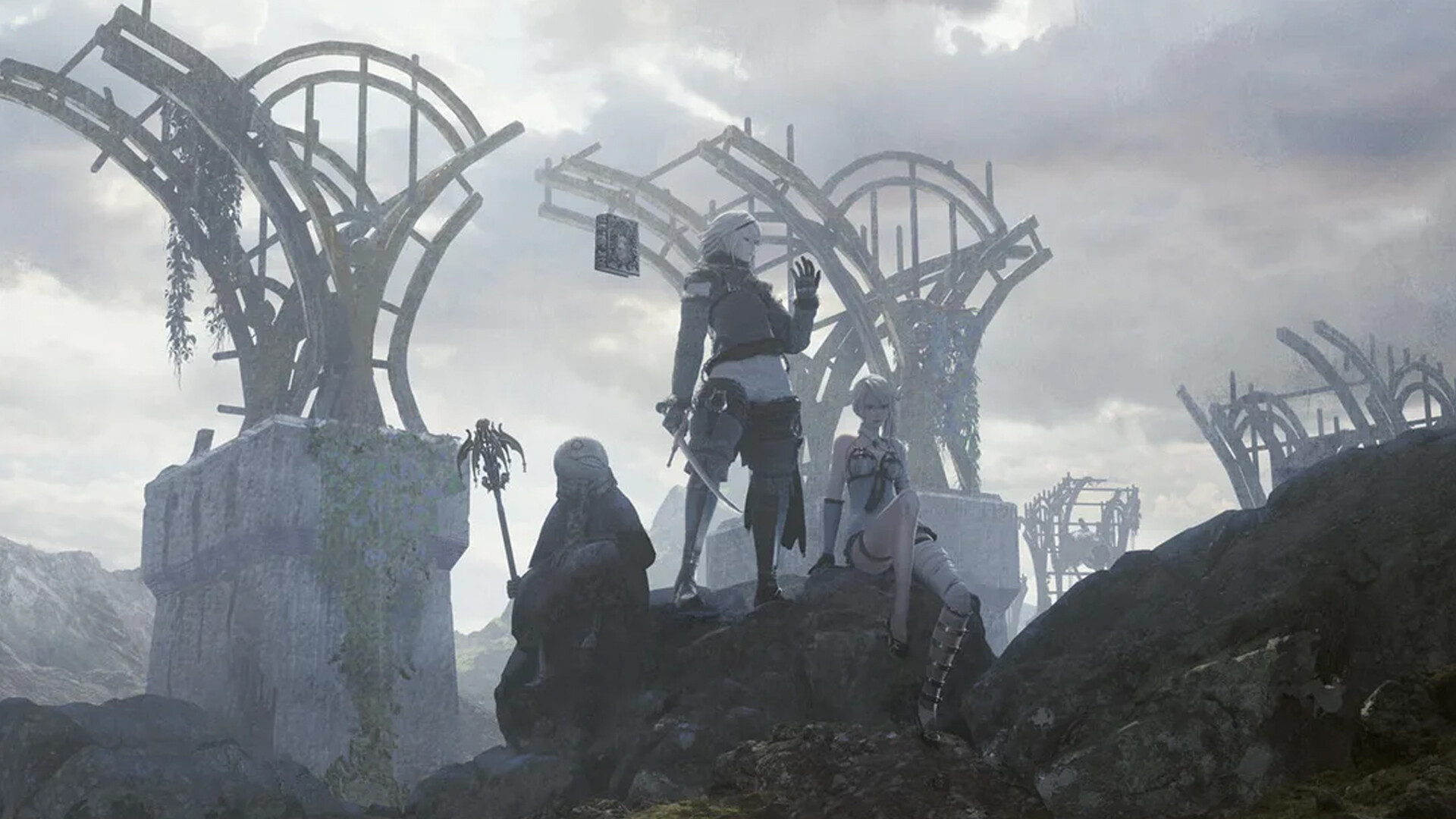
1. NieR Replicant v1.22474487139...
NieR Replicant v1.22... isn't just a remaster; it's a second chance for a game that deserved far more fanfare than it ever got. The original, a diamond in the rough, was famously overlooked, but its haunting narrative, phenomenal soundtrack, and unconventional structure built a loyal following purely through word-of-mouth. This 'version up' finally gave that story the polish it always needed, letting a new generation discover its melancholic brilliance without the original's jank. It's a testament to how genuine artistry, not advertising spend, creates lasting legacies.
2 / 10
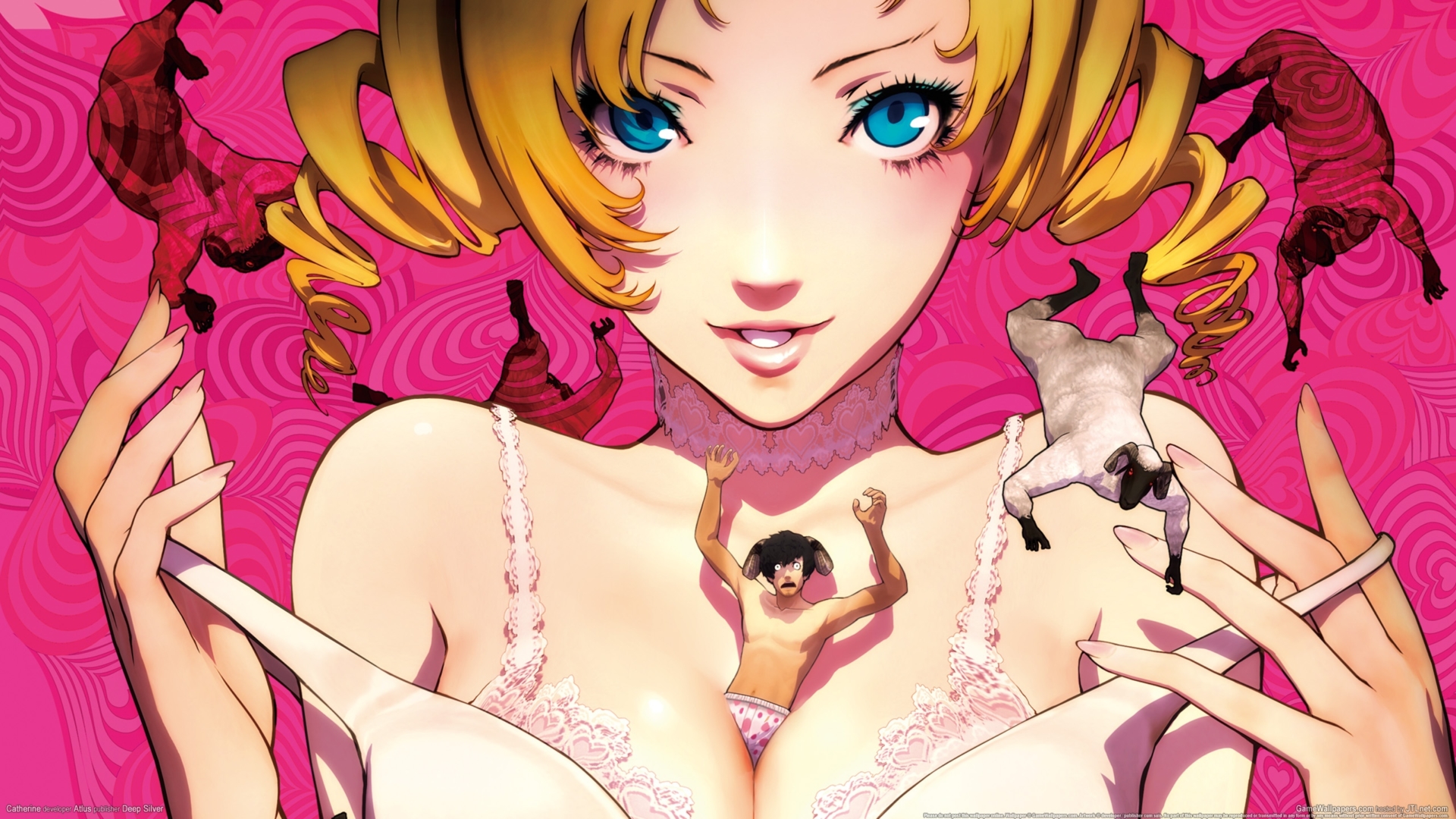
2. Catherine
Catherine hit different. Seriously, who greenlights a game about a guy’s existential crisis over commitment, wrapped in nightmare-inducing puzzle blocks and dating sim elements? Atlus did, and bless them for it. It was never a marketing juggernaut, relying instead on its utterly bizarre premise and genuinely tough, mind-bending puzzles to hook players. The discussions it sparked about relationships and personal freedom transcended typical game chatter, proving that originality and a willingness to be weird can cut through any marketing noise.
3 / 10
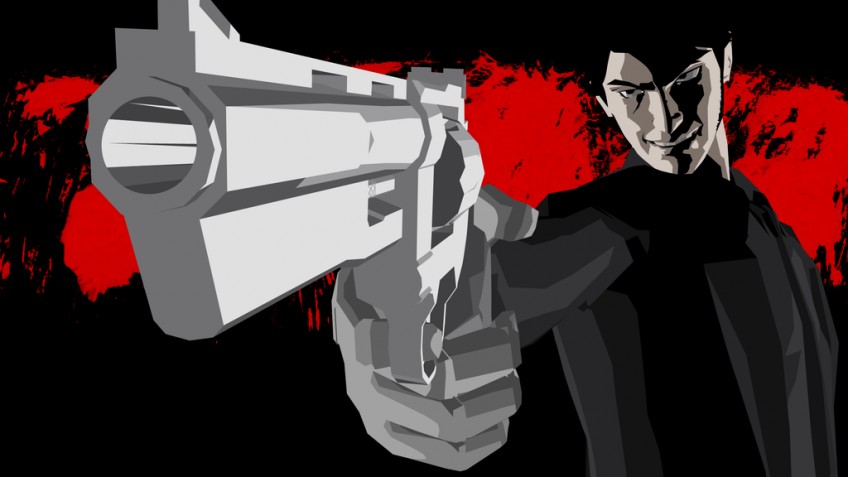
3. killer7
killer7 is pure Suda51 chaos, a game so aggressively stylized and narratively dense it practically repels mainstream audiences. It dropped with minimal fanfare, a weird, on-rails shooter steeped in political paranoia and grotesque imagery. Yet, its uncompromising artistic vision, distinctive cel-shaded aesthetic, and truly bonkers story ensured it burrowed deep into the minds of those who dared to play it. It’s the kind of game that screams 'cult classic' from every frame, a defiant middle finger to marketability that somehow still found its devoted congregation.
4 / 10
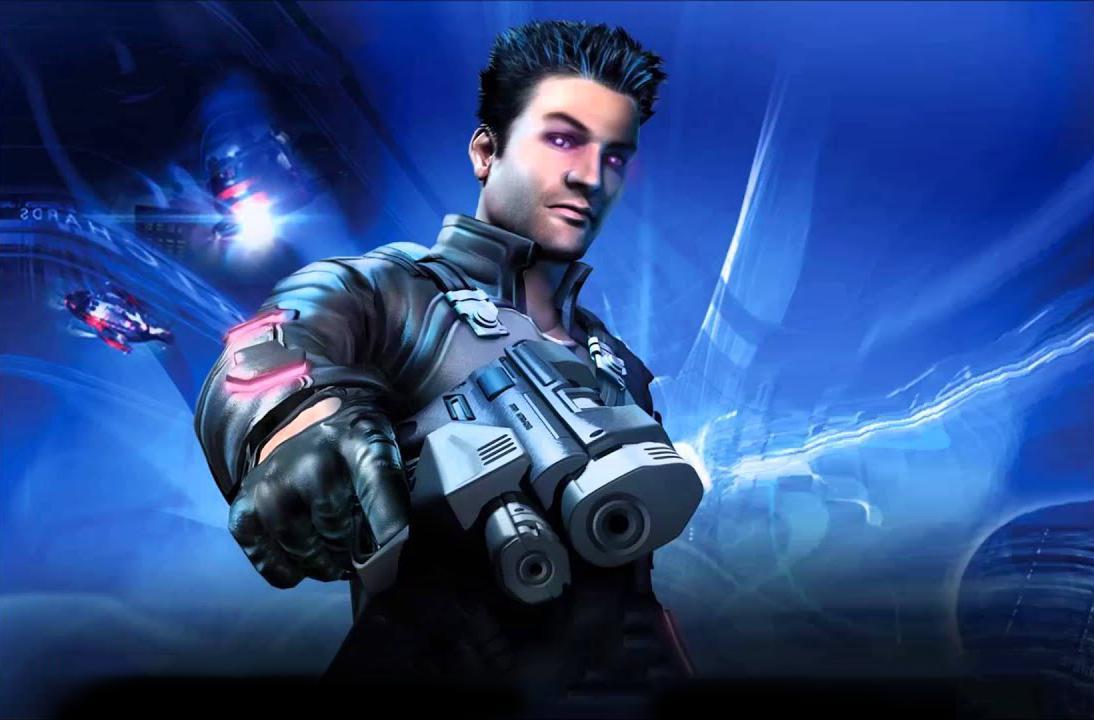
4. Deus Ex 2: Invisible War
Deus Ex 2: Invisible War was a lightning rod, a sequel that dared to diverge from its legendary predecessor, alienating many while still trying to push boundaries. Its bold choices – universal ammo, smaller hubs, console concessions – were famously divisive. Yet, even with its mixed reception, it sparked endless debates about player agency and design evolution, cementing its place in gaming history as a fascinating, if flawed, experiment. It proves that even a controversial title can endure, not through hype, but by igniting passionate community discussion, for better or worse.
5 / 10
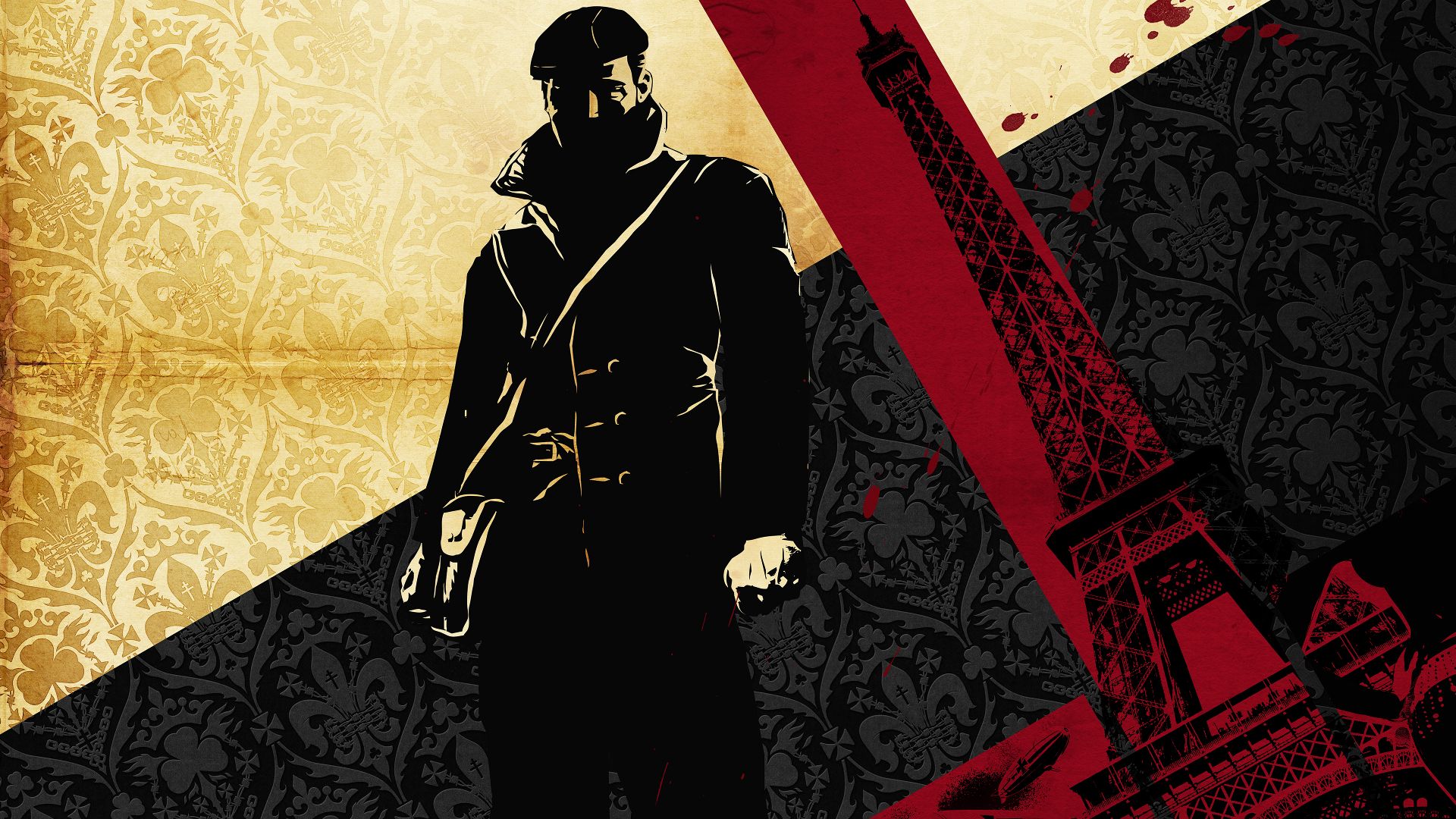
5. The Saboteur
The Saboteur, Pandemic's swansong, is a bittersweet reminder of what we lost. Dropping with little fanfare just before the studio shuttered, this open-world love letter to WWII-era Paris, drenched in noir style and shifting colors, relied almost entirely on word-of-mouth. Its unique 'Will to Fight' mechanic, turning monochrome oppression into vibrant resistance, was a stroke of genius. It’s a testament to a passionate dev team’s vision, creating a genuinely memorable sandbox experience that, despite its quiet release, found its devoted audience long after the lights went out.
6 / 10
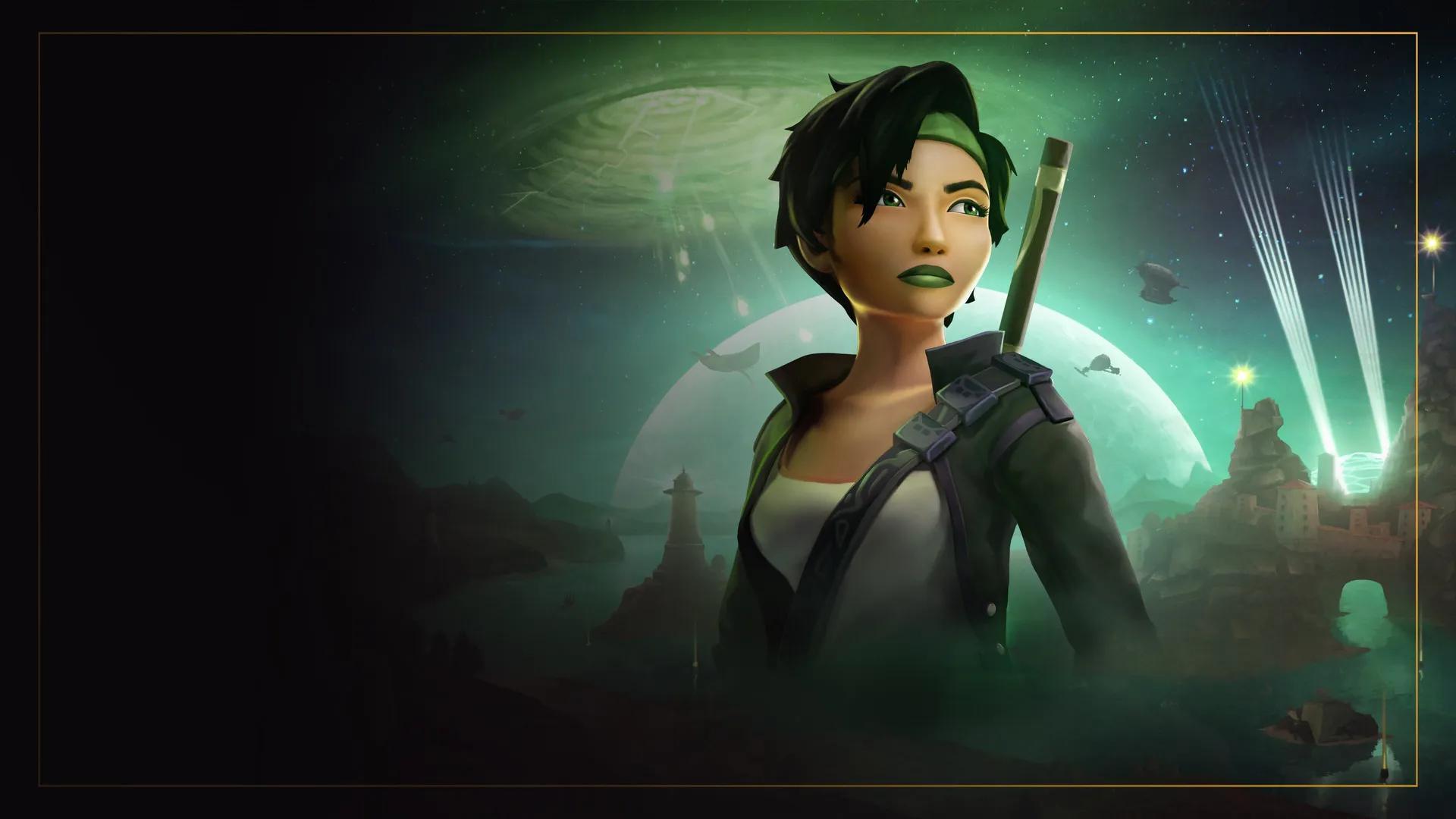
6. Beyond Good & Evil - 20th Anniversary Edition
Beyond Good & Evil - 20th Anniversary Edition reminds us of a true industry injustice. The original was a commercial failure, a critical darling whose genius went largely unappreciated at launch. It was pure word-of-mouth, players sharing stories of Jade's compelling journey and Pey'j's charm, that built its legendary status. This anniversary release simply polishes that gem, allowing its incredible world-building, poignant narrative, and innovative gameplay to shine for a new generation. It’s proof that some games are simply too good to stay obscure, marketing budget be damned.
7 / 10
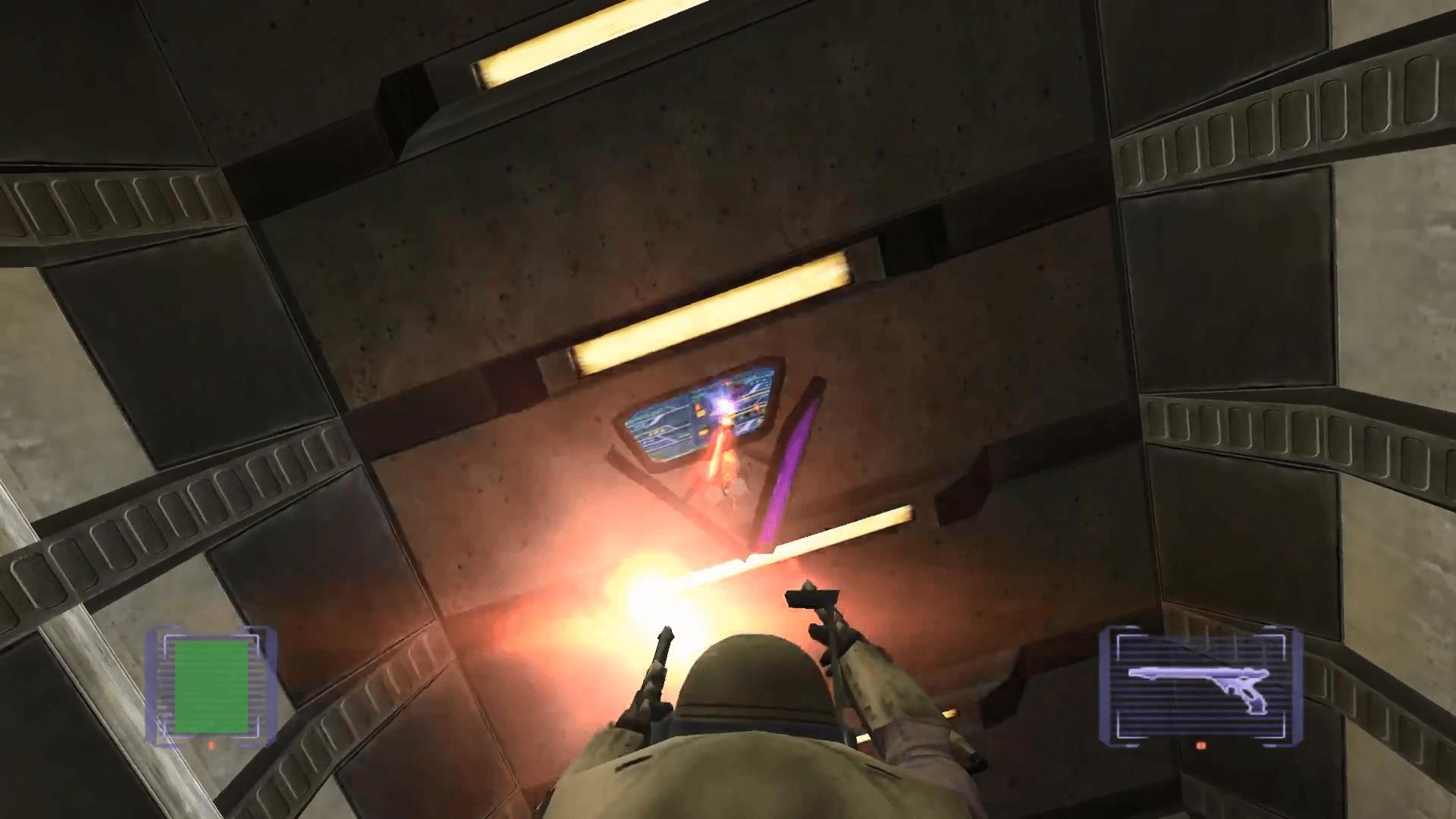
7. Star Wars Bounty Hunter
Star Wars Bounty Hunter was never the flashiest Star Wars game, dropping quietly amidst the prequel era’s hype. Yet, for those who stepped into Jango Fett's boots, it delivered a surprisingly gritty and satisfying experience. It didn't need a galaxy-spanning marketing campaign; its strength lay in its tight gameplay, unique chain-kill mechanics, and a story that actually made Jango feel like a competent, ruthless hunter. It's a prime example of a game that earned its stripes through solid execution and delivering on a specific fantasy, not a colossal ad spend.
8 / 10
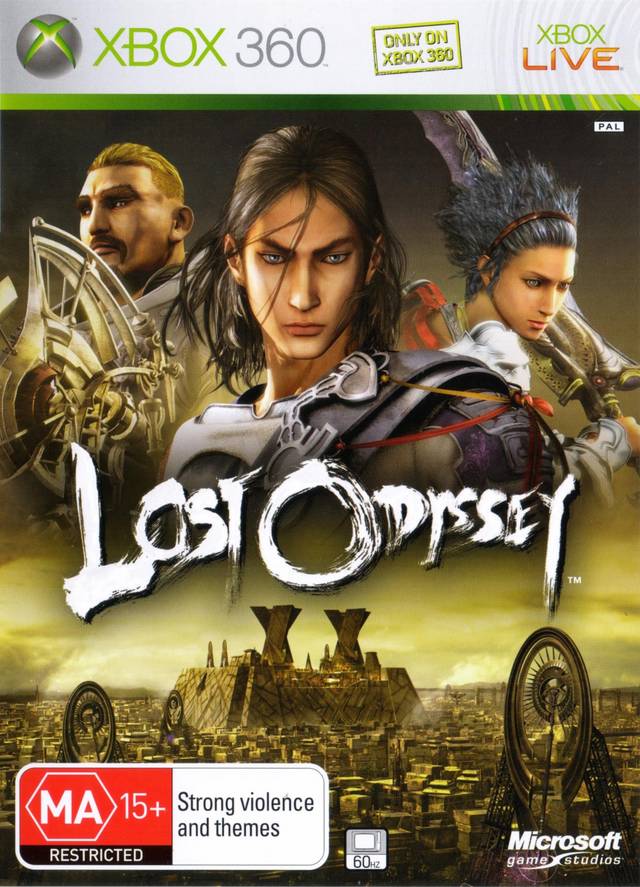
8. Lost Odyssey
Lost Odyssey, a JRPG magnum opus from Final Fantasy creator Hironobu Sakaguchi, landed on the Xbox 360, a platform not exactly known for its JRPG library. Despite its pedigree, it felt like a quiet release, its melancholic '1000 Years of Dreams' and classic turn-based combat largely overshadowed. Yet, its poignant narrative, unforgettable characters, and stunning visuals built a passionate cult following. It’s a testament to the power of pure storytelling and traditional JRPG mechanics, proving that a truly great game can find its audience even on an 'unfriendly' console, sans overwhelming hype.
9 / 10

9. Deadly Premonition
Deadly Premonition is the poster child for 'cult classic.' It dropped like a bizarre, janky fever dream, looking and playing like a PS2 game on the Xbox 360. Its budget was clearly microscopic, and marketing? Forget about it. Yet, its utterly captivating, Twin Peaks-esque narrative, quirky characters, and undeniable charm transcended its technical flaws. It became a phenomenon purely through word-of-mouth, a community marveling at its unique genius. It's definitive proof that artistic vision and a compelling story can conquer any technical or financial limitation.
10 / 10
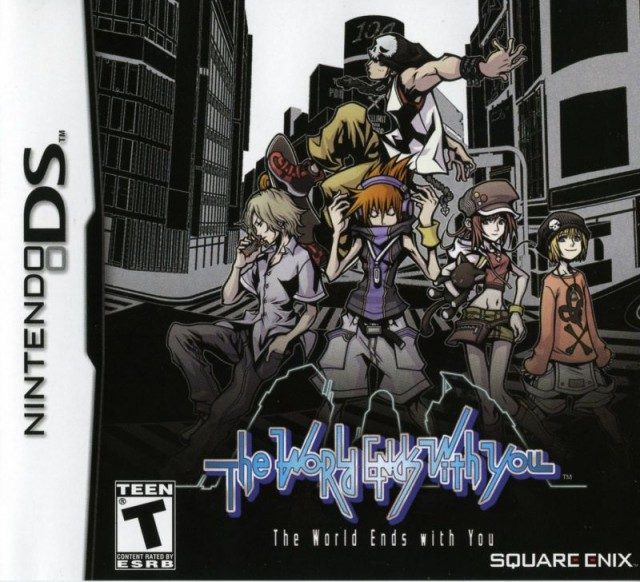
10. The World Ends With You DS
The World Ends With You DS was a bold, stylistic anomaly, a Square Enix title that dared to be different on Nintendo's dual-screen handheld. It didn't ride on established franchises; instead, it carved its own path with an aggressively cool Shibuya aesthetic, a phenomenal soundtrack, and truly innovative touch-screen combat. Its marketing was modest, yet its undeniable originality and compelling narrative ensured it became a beloved classic. It’s a powerful example of how creative risks, when executed with passion and flair, can capture hearts and minds without needing a colossal ad budget.