
1 / 9
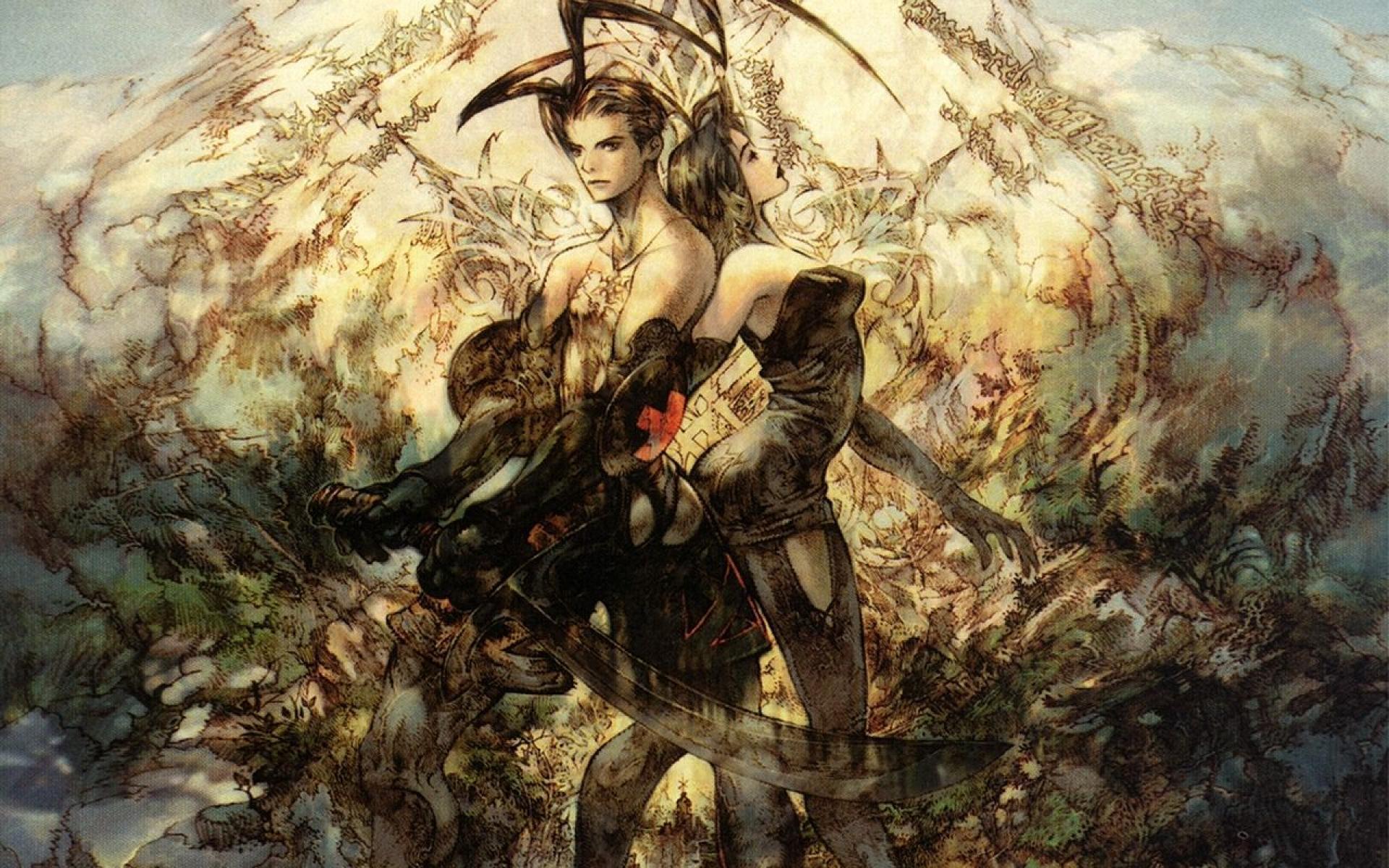
1. Vagrant Story (2000)
Square Enix pushed boundaries on the PlayStation with this. Its intricate combat system, demanding weapon customization, and interwoven risk/reward mechanics were unlike anything else. Then, there was the M-rated narrative, a mature, politically charged dark fantasy tale. It eschewed traditional RPG towns and shops for a singular, bleak dungeon crawl, demonstrating an artistic conviction that truly stood apart in 2000. It wasn't just a game; it was a statement.
2 / 9
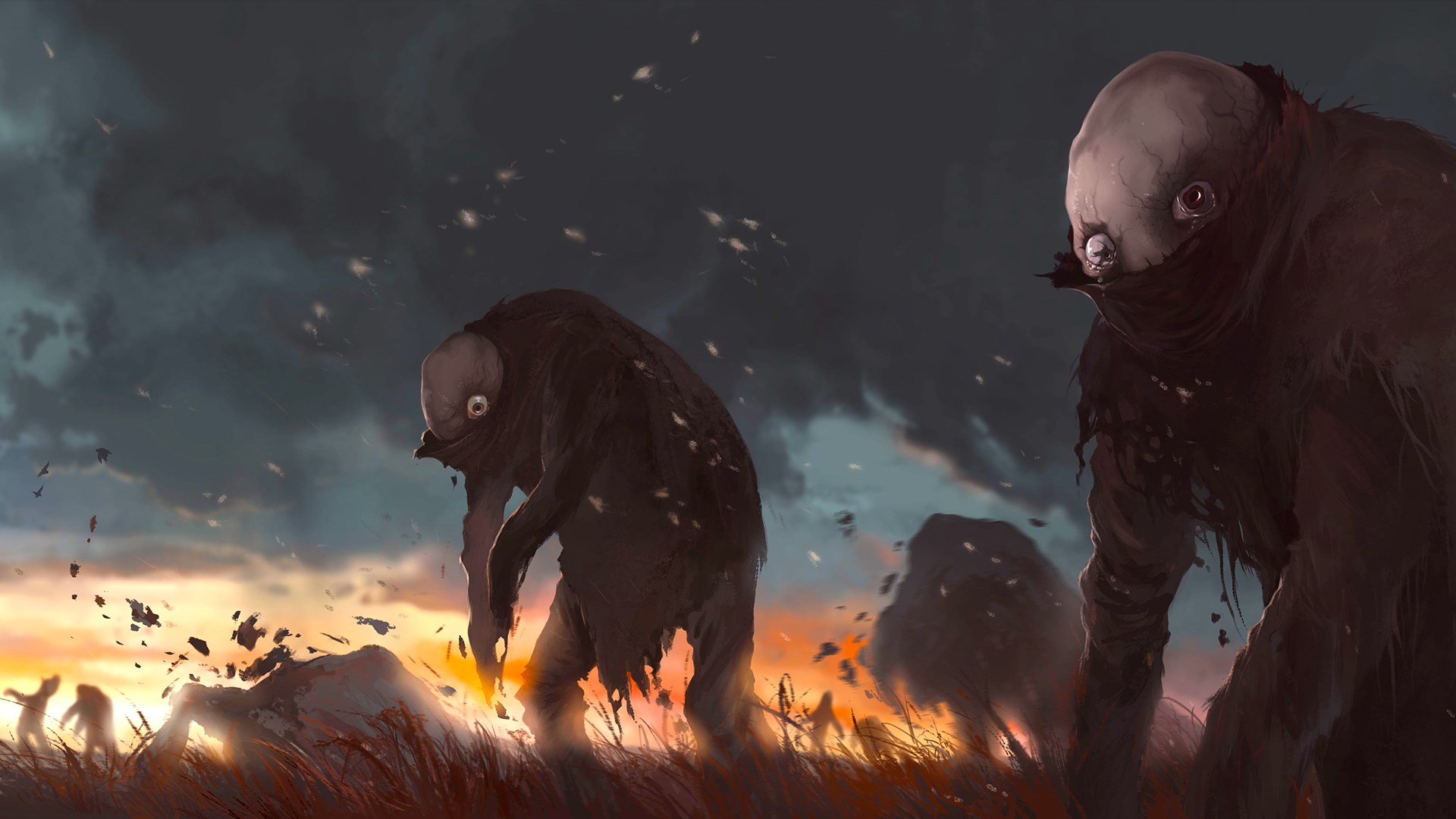
2. Pathologic 2
This 2019 reimagining doubled down on the original's grim, unapologetic vision. It isn't merely difficult; it's deliberately punishing, forcing players into agonizing moral compromises just to survive. The game builds an oppressive, surreal atmosphere where narrative clarity is sacrificed for thematic depth, challenging preconceived notions of what a game "should" be. Consequently, it delivers a profound, unforgettable experience that few contemporary titles dare to attempt.
3 / 9
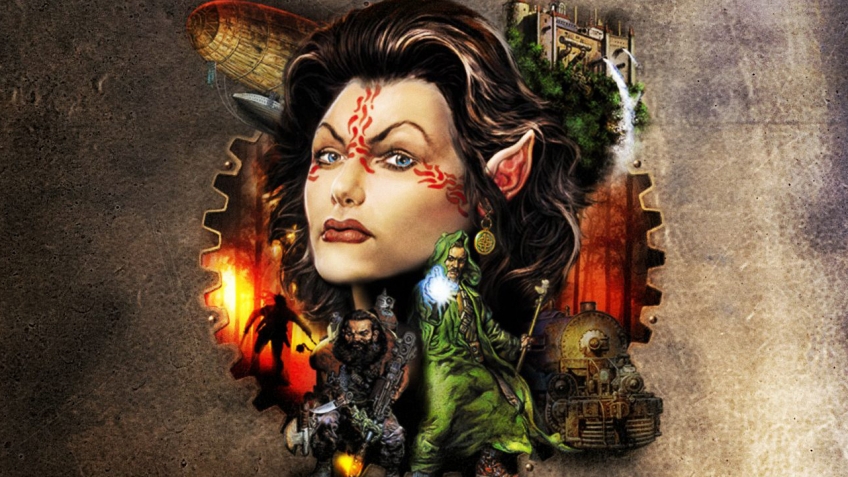
3. Arcanum: Of Steamworks and Magick Obscura
Troika Games, founded by Fallout veterans, crafted a sprawling RPG in 2001 that explored the friction between magic and technology. Arcanum offered unparalleled player choice, allowing character builds that could truly break or enhance the world. Its intricate reactivity and a deep, morally ambiguous narrative set in a distinct steampunk-fantasy realm were ambitious. Many found it clunky, sure, but its sheer scope and freedom of role-playing were a rare feat.
4 / 9
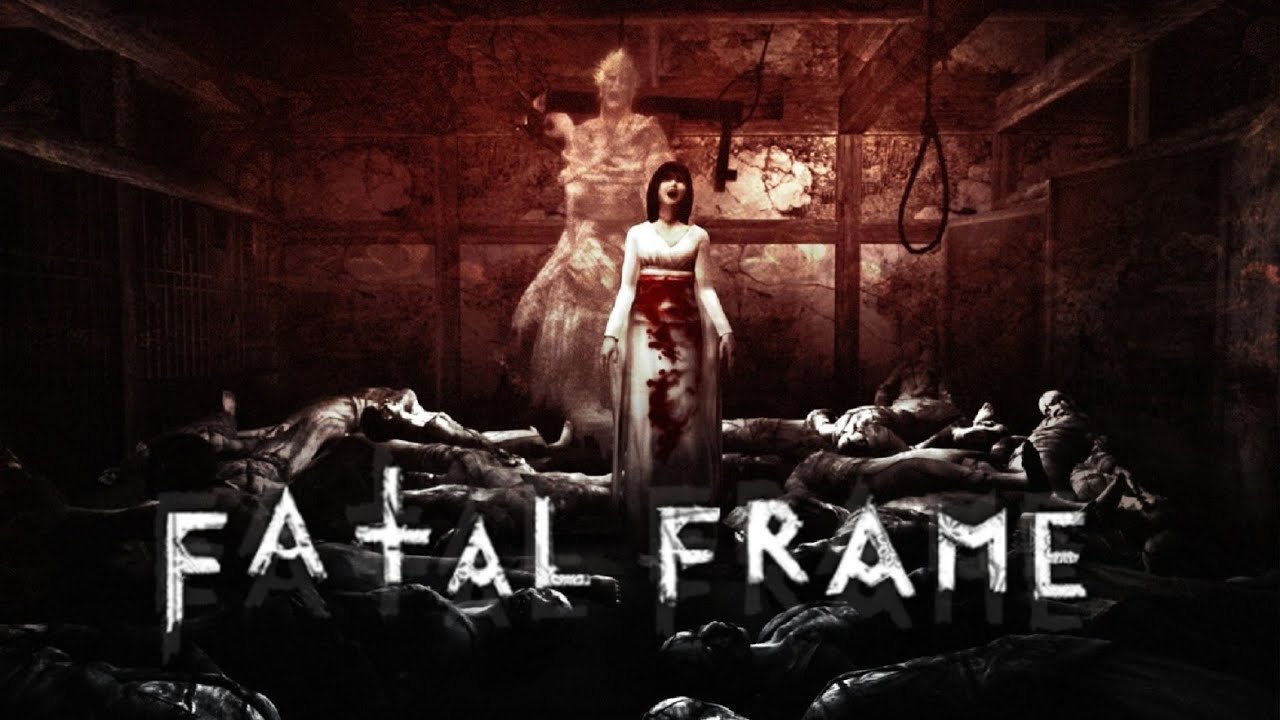
4. Fatal Frame
Released in 2001, Fatal Frame introduced a truly innovative horror mechanic: fighting ghosts with a camera. This wasn't about jump scares; it was about vulnerability and dread. As you aimed your Camera Obscura, the spectral entities became clearer, but also closer, creating palpable tension. Its unsettling atmosphere, rooted in Japanese folklore and a pervasive sense of tragedy, fundamentally shifted how many perceived psychological horror games. It left a lingering chill.
5 / 9
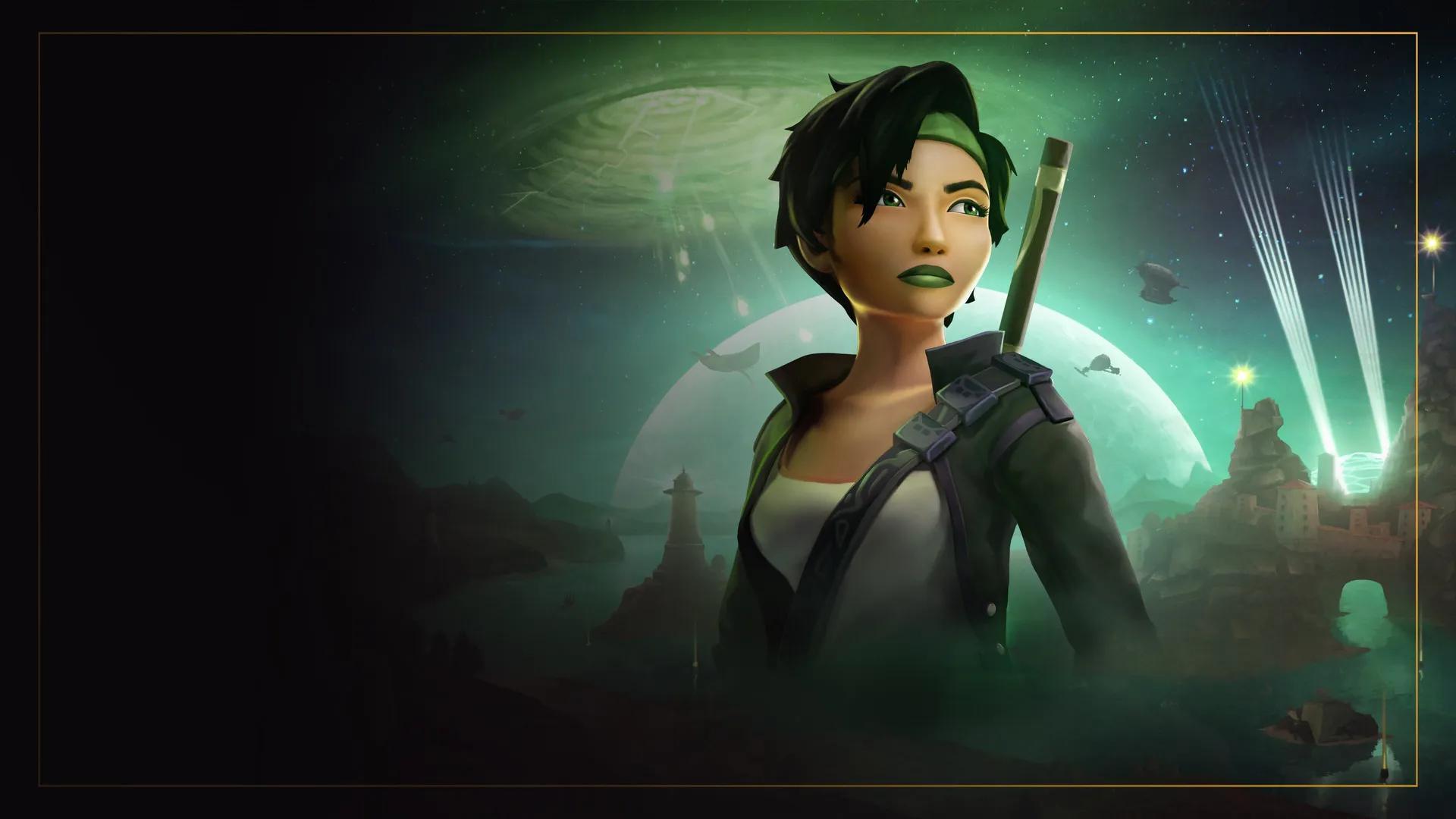
5. Beyond Good & Evil - 20th Anniversary Edition
Ubisoft's 2003 original was a vibrant, heartfelt adventure game, often lauded for its strong female protagonist, Jade, and its poignant anti-establishment narrative. And this Anniversary Edition brings that original vision back to prominence. It blended stealth, action, and photography into a cohesive, memorable experience. Despite its initial commercial underperformance, its unique charm and influential storytelling solidified its status as a cult classic, inspiring many subsequent action-adventure titles.
6 / 9
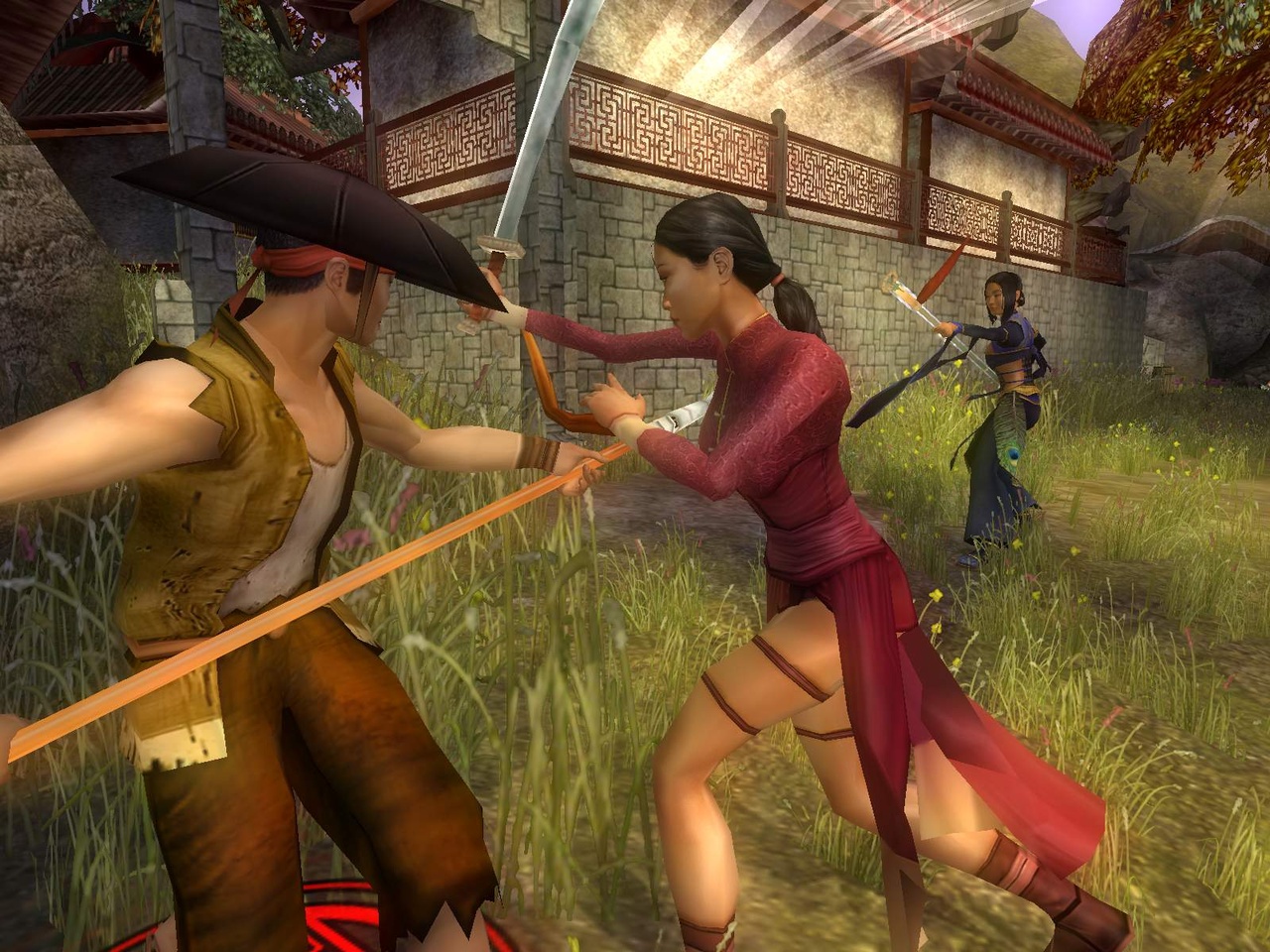
6. Jade Empire
BioWare ventured into an original, fantastical martial arts setting with Jade Empire in 2005, moving beyond D&D licenses. It offered a streamlined combat system married to the studio's signature moral choice mechanics and companion relationships. The game's vibrant aesthetics, inspired by Chinese mythology, and its exploration of philosophical themes through gameplay were distinctive. It proved that BioWare could build compelling worlds from scratch, even if it didn't achieve the same commercial heights as their other epics.
7 / 9
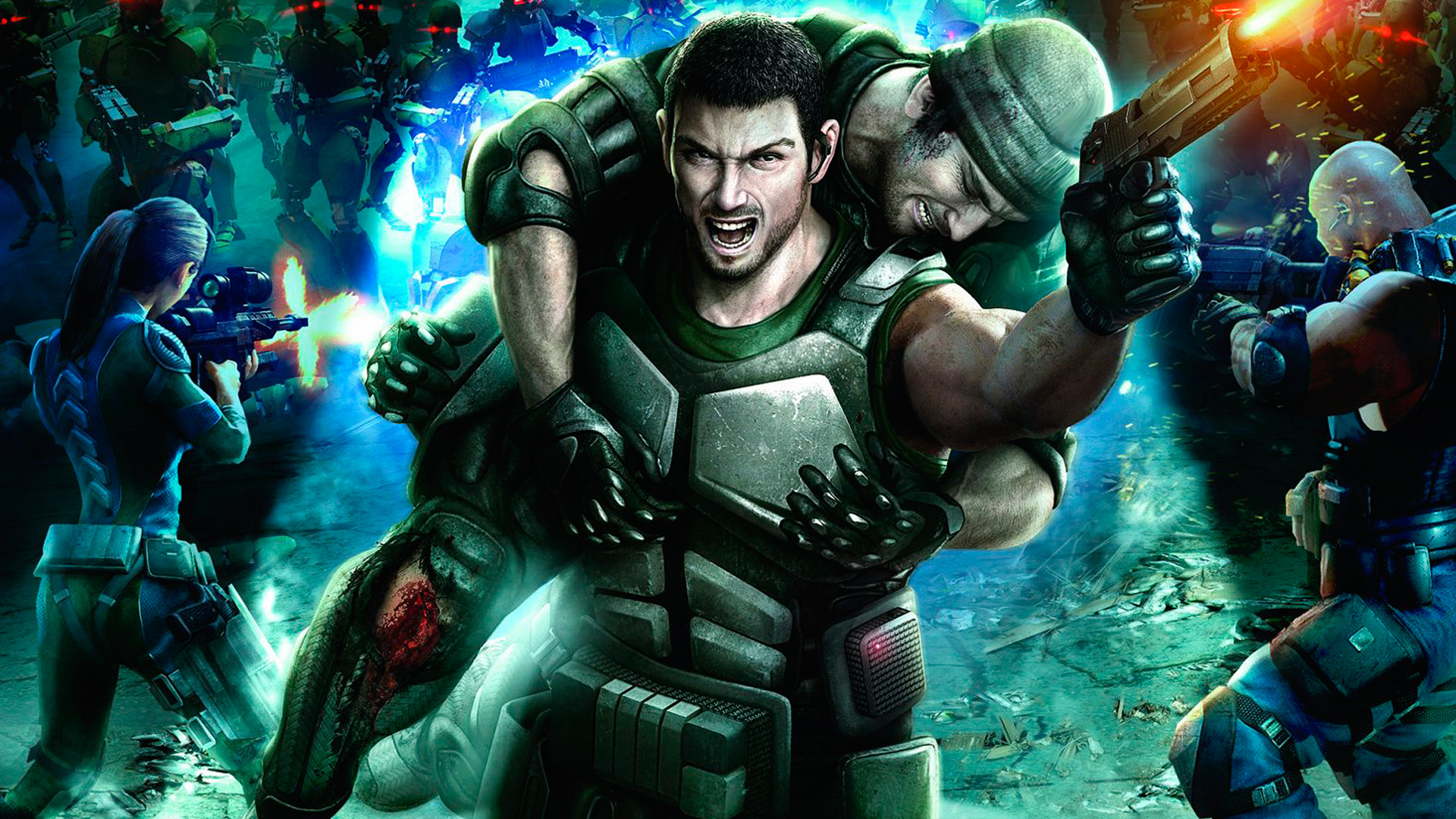
7. Binary Domain
Sega's 2012 third-person shooter from the Yakuza studio was a surprisingly thoughtful experience beneath its robust cover-based action. Its "consequence system," where squad members reacted to player decisions and trust levels, was genuinely innovative. The narrative explored complex themes of artificial intelligence and humanity with more depth than many contemporaries, all wrapped in a visually striking, futuristic Tokyo. It's an overlooked gem that pushed shooter mechanics in subtle, meaningful ways.
8 / 9
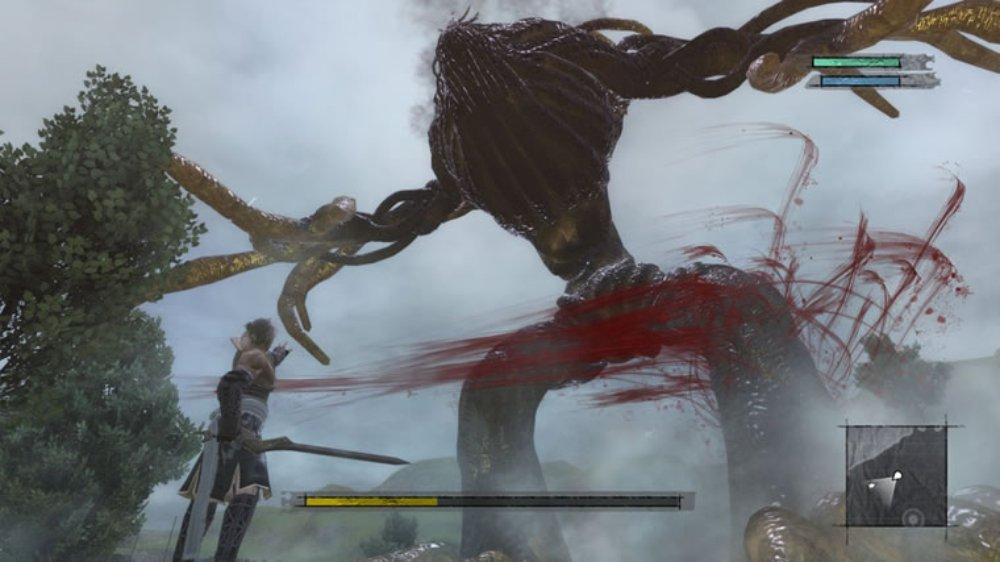
8. NIER
Before Automata, there was NIER in 2010. This game was a deeply flawed yet profoundly affecting experience. Its unconventional structure, blending various gameplay genres, supported a melancholic narrative of sacrifice and unconditional love that genuinely moved players. Coupled with an absolutely transcendent soundtrack, it offered an emotional resonance rarely found in games. It cultivated a dedicated following, slowly but surely influencing how games could tell emotionally complex stories.
9 / 9

9. Catherine
Atlus delivered a truly unique experience with Catherine in 2011, blending challenging puzzle-platforming with a dating sim and visual novel narrative. It tackled adult themes of commitment, infidelity, and personal responsibility with an unflinching, mature perspective. The surreal, dream-like sequences and distinct anime art style made it instantly recognizable. It pushed boundaries, proving that games could explore complex psychological and relational drama with depth, all while being intensely fun.