
1 / 10

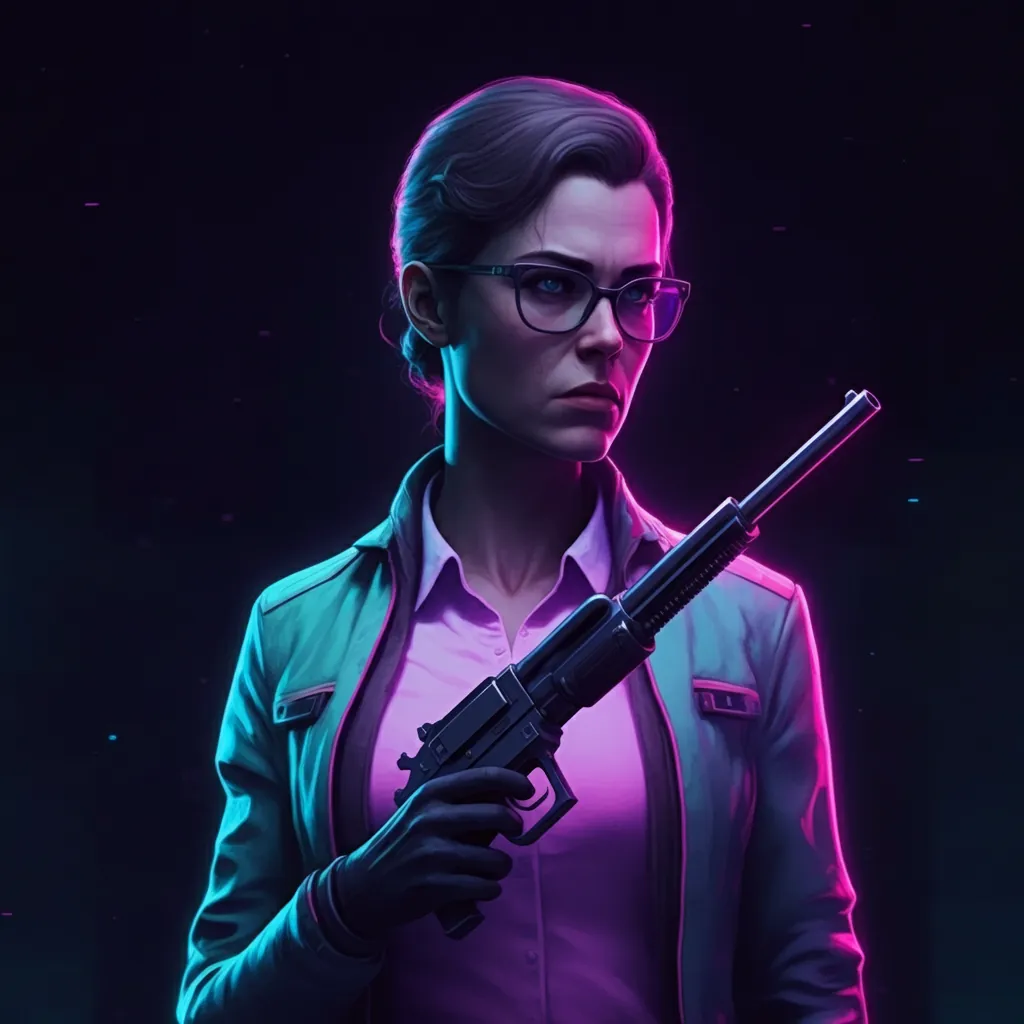
1. System Shock
The original System Shock was a foundational text for the immersive sim genre. It pioneered environmental storytelling, player choice in approach, and a palpable sense of isolation in a hostile space station. Its intricate level design and emergent gameplay offered unparalleled freedom, forcing players to think critically rather than just shoot. It laid crucial groundwork for games like BioShock and Prey, making it a true unsung hero of game design that pushed interactivity to new heights.
2 / 10
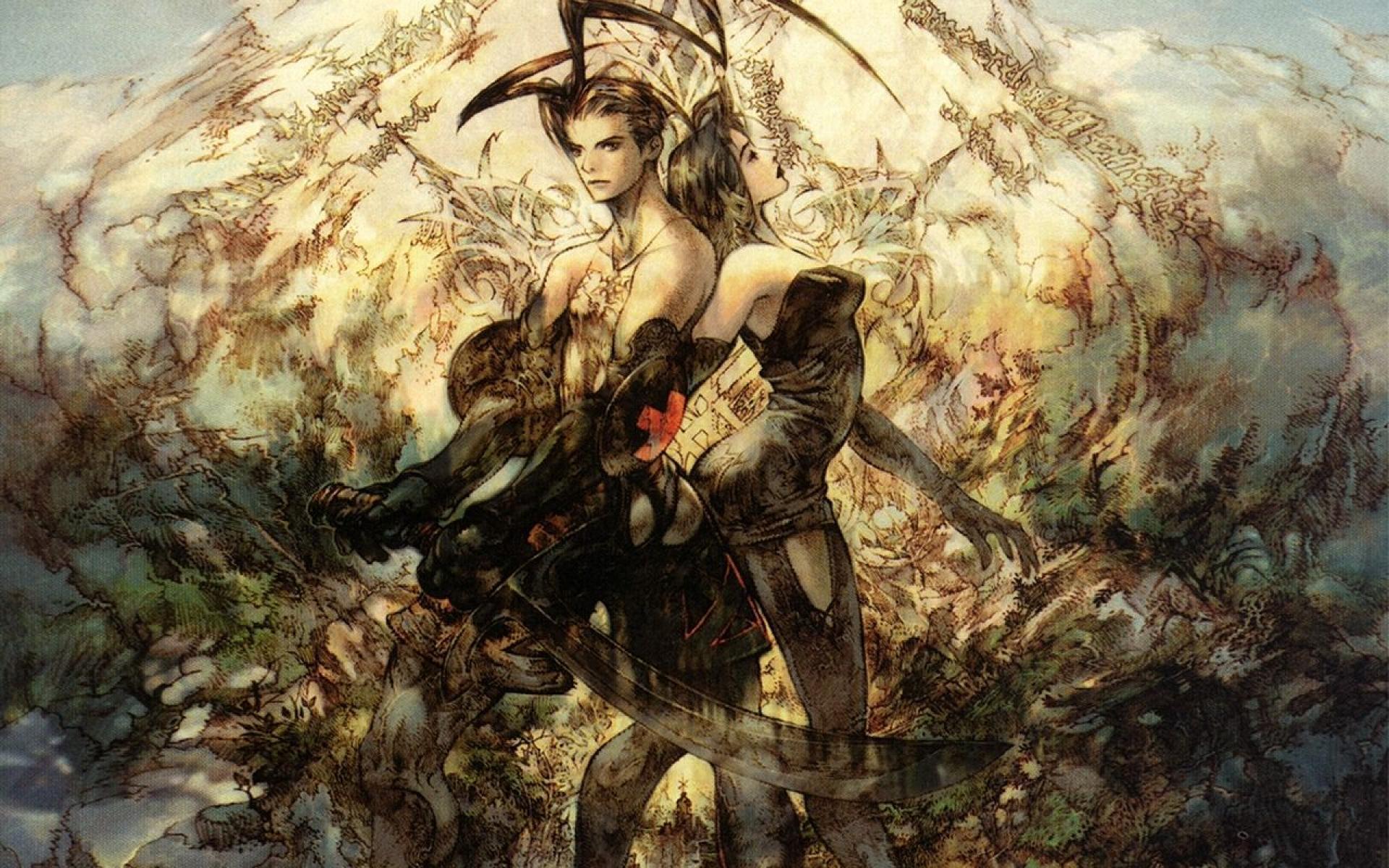
2. Vagrant Story (2000)
Vagrant Story, released in 2000, presented a unique blend of action-RPG combat with deep customization. Its intricate weapon crafting, multi-part targeting system, and risk-reward chain attacks were revolutionary. Coupled with a mature, non-linear narrative told through stunning pre-rendered backdrops and a distinct art style, it was a Square gem that defied genre conventions. It felt like a playable stage play, demanding strategic thought over brute force, influencing later nuanced combat systems.
3 / 10
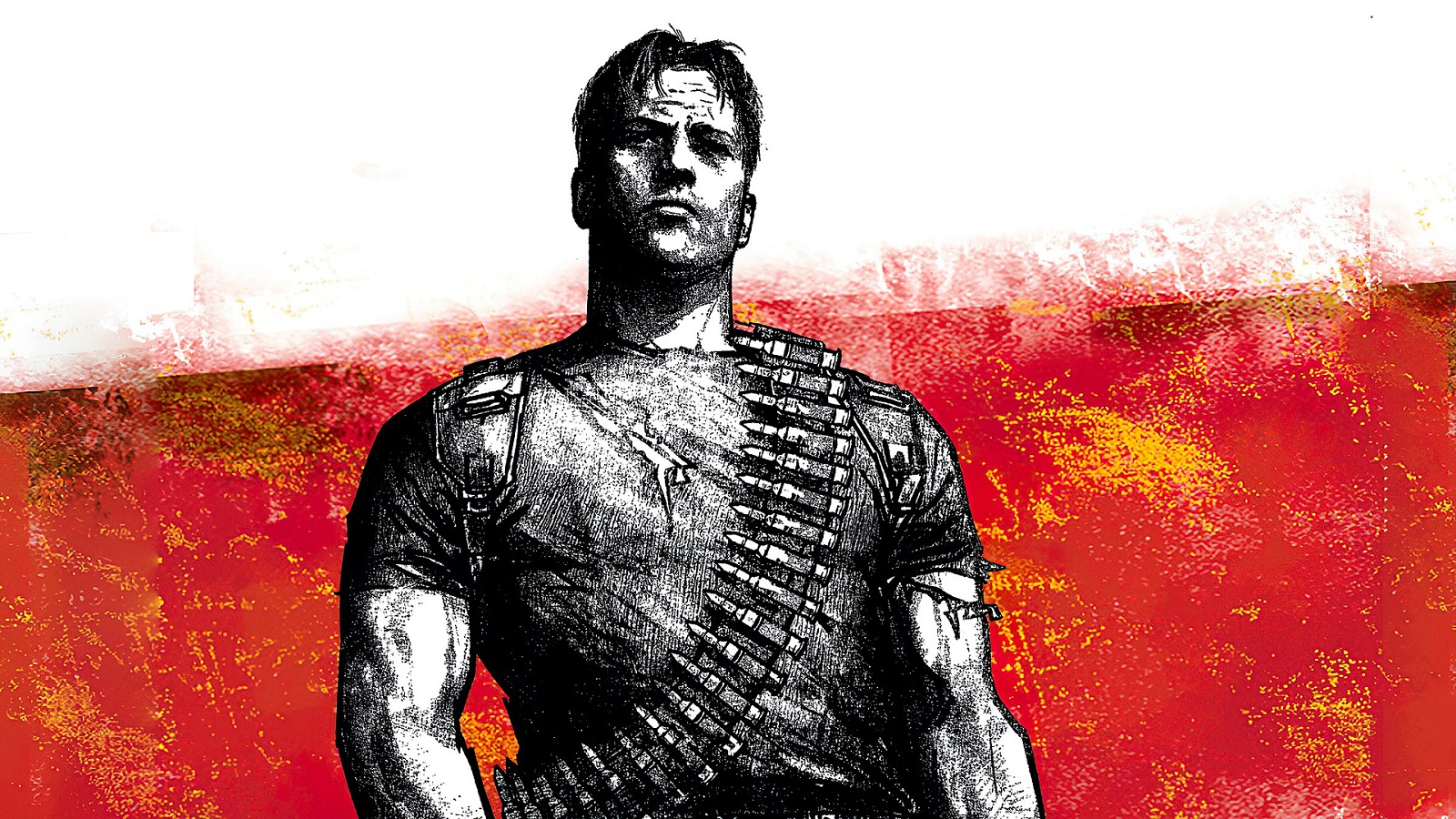
3. Freedom Fighters
This 2003 third-person shooter from IO Interactive offered a compelling 'what if' scenario: a Soviet invasion of New York. Its innovative squad command system, allowing players to recruit and direct a small team, was remarkably intuitive and effective for its time. Coupled with destructible environments and a strong sense of escalating guerrilla warfare, it provided a unique tactical experience. It truly made players feel like leaders in a desperate struggle, a concept often revisited but rarely perfected.
4 / 10
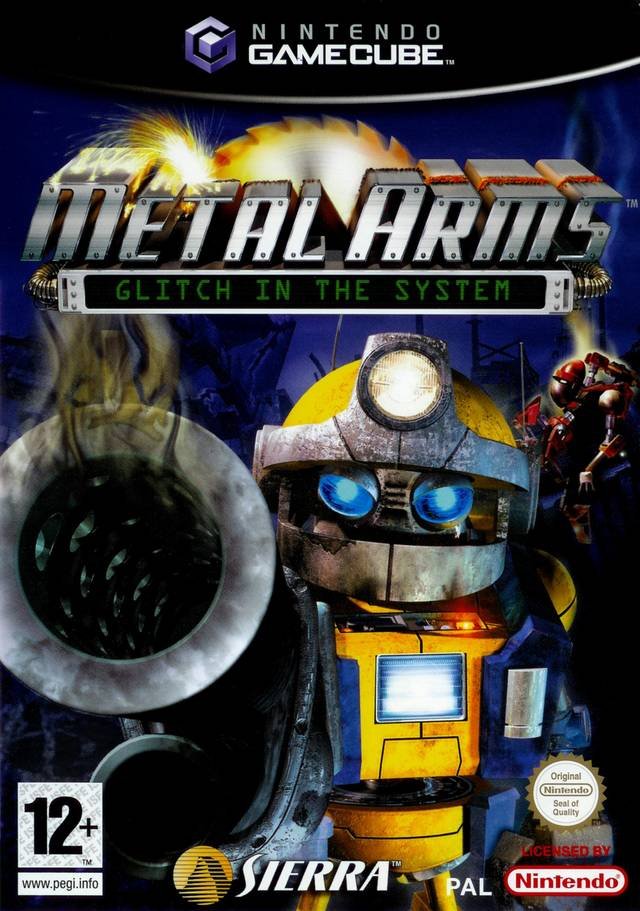
4. Metal Arms: Glitch in the System
Metal Arms: Glitch in the System, a delightful 2003 cult classic, delivered an imaginative take on the third-person shooter. Its vibrant robotic world, inventive weaponry, and dark humor set it apart. The game's tight controls and diverse mission objectives, including vehicle sections and robot hacking, kept the action fresh. Though not a blockbuster, its polished mechanics and charming personality quietly influenced subsequent character-driven shooters, proving that creativity and solid gameplay could carve out a unique niche.
5 / 10
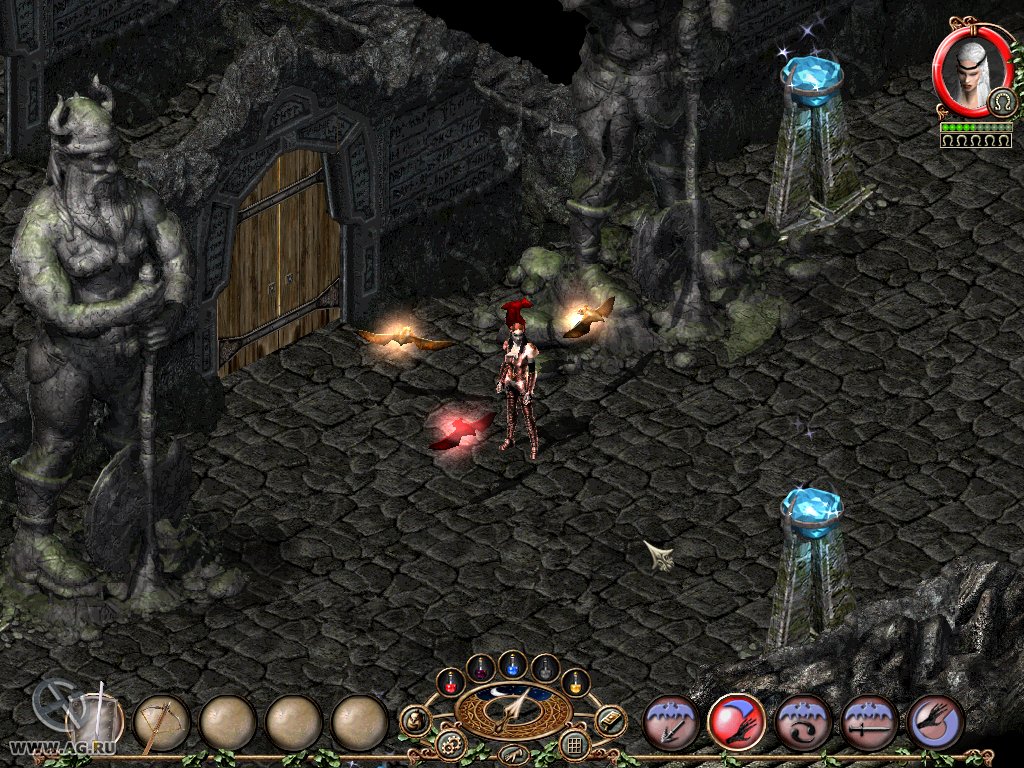
5. Sacred
Sacred, an ambitious action RPG from 2004, carved its niche with a massive, seamlessly open world years before it became standard. While often compared to Diablo, its sheer scale, diverse character classes, and emphasis on exploration offered a distinct experience. The freedom to traverse its vast, lore-rich landscape, complete with horseback travel and persistent side quests, showcased a pioneering approach to the genre. It quietly demonstrated the potential for open-world immersion in a hack-and-slash format.
6 / 10
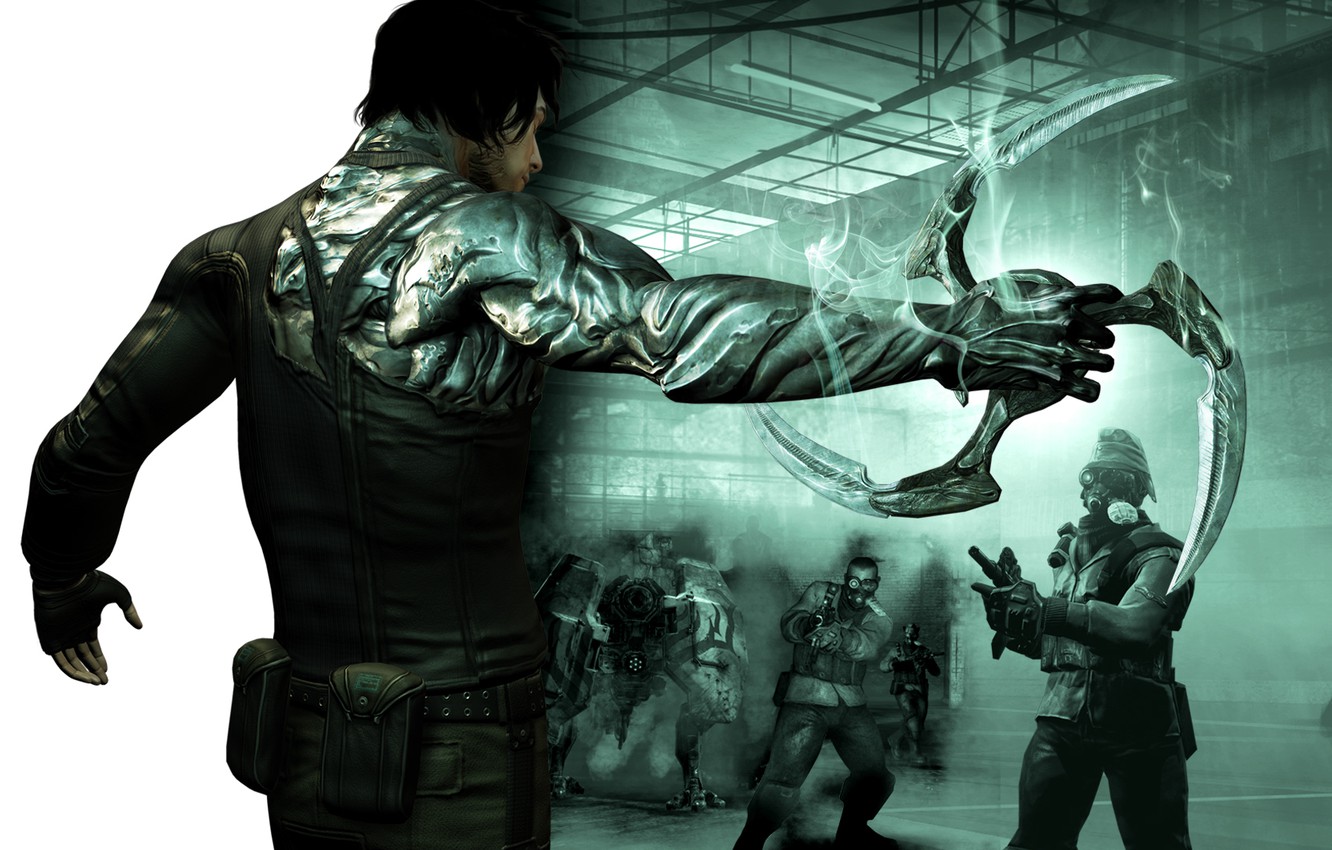
6. Dark Sector
Dark Sector, released in 2008, might be best known as the progenitor of Warframe. This third-person shooter introduced the unique glaive weapon, allowing players to telekinetically control its flight and solve puzzles or execute brutal finishers. Its early adoption of a cover system combined with supernatural powers and a gritty, bio-punk aesthetic made it stand out. While rough around the edges, its innovative weapon mechanics and evolving protagonist hinted at the future success of Digital Extremes.
7 / 10
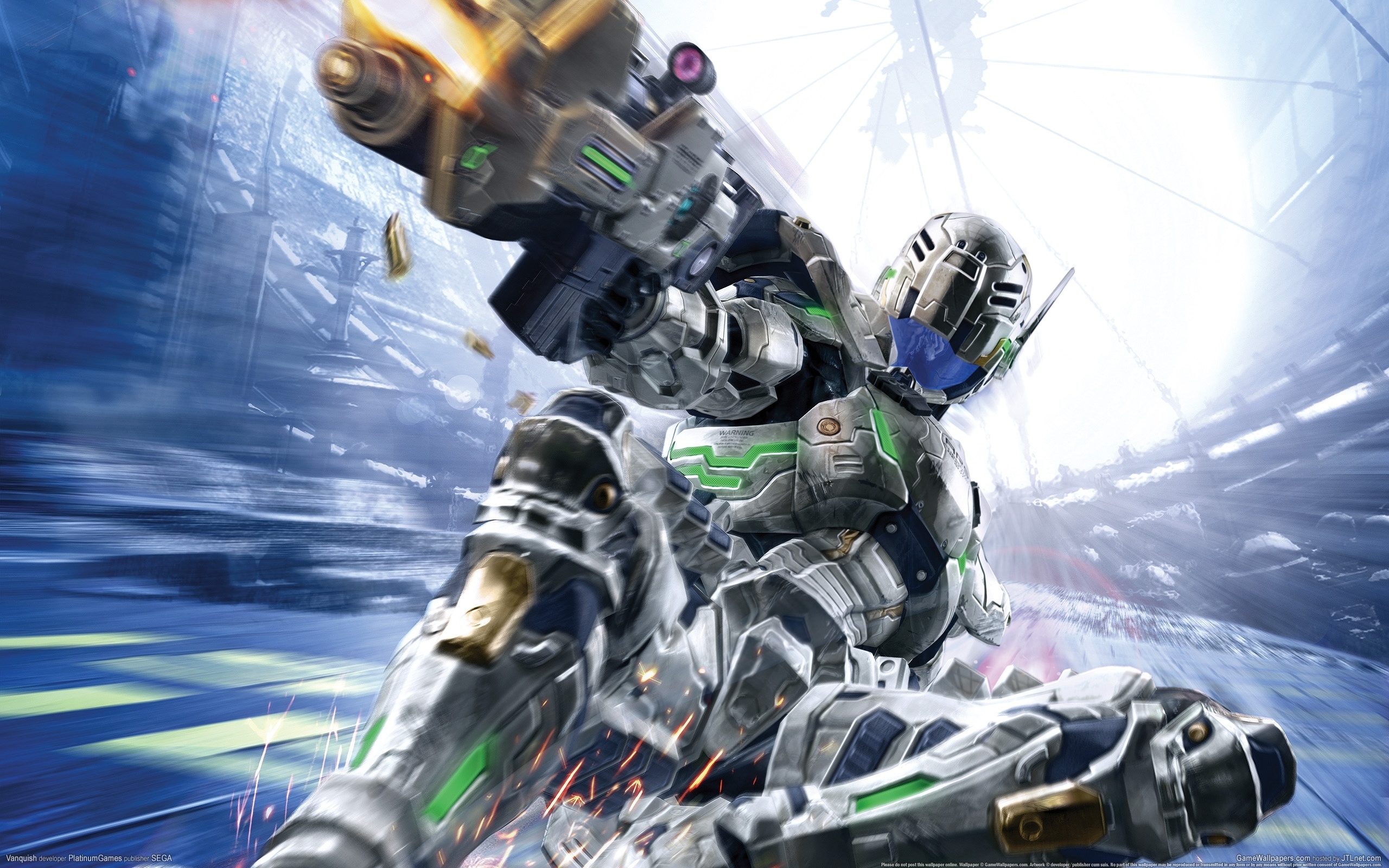
7. Vanquish
PlatinumGames' Vanquish, a blistering 2010 third-person shooter, redefined action with its lightning-fast, slide-boosting combat. Players donned a technologically advanced suit, allowing for incredible mobility, slow-motion bullet time, and powerful melee attacks. This emphasis on aggressive, high-speed movement and strategic use of cover and evasive maneuvers created a unique combat flow. It pushed the boundaries of what a shooter could be, influencing later games with its kinetic energy and stylish execution, though never truly replicated.
8 / 10
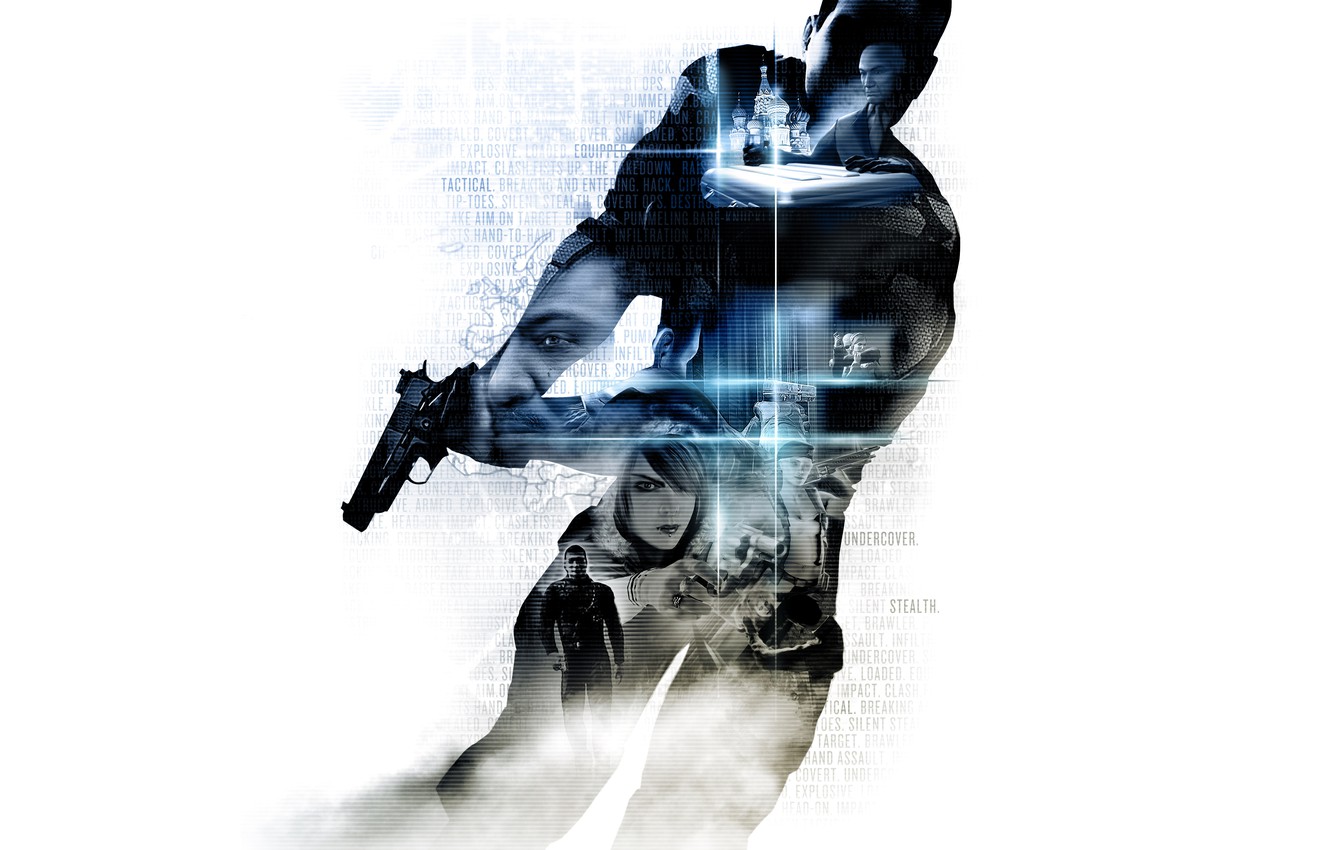
8. Alpha Protocol
Alpha Protocol, the 2010 spy RPG from Obsidian, dared to prioritize player choice and consequence above all else. Despite its technical flaws, its branching narrative, dynamic relationships, and mission outcomes truly adapted to player decisions, offering an unparalleled sense of agency. Dialogue choices had real weight, and characters remembered your actions. It was an ambitious, flawed masterpiece that demonstrated how deeply an RPG could react to its player, a lesson few have fully embraced since.
9 / 10
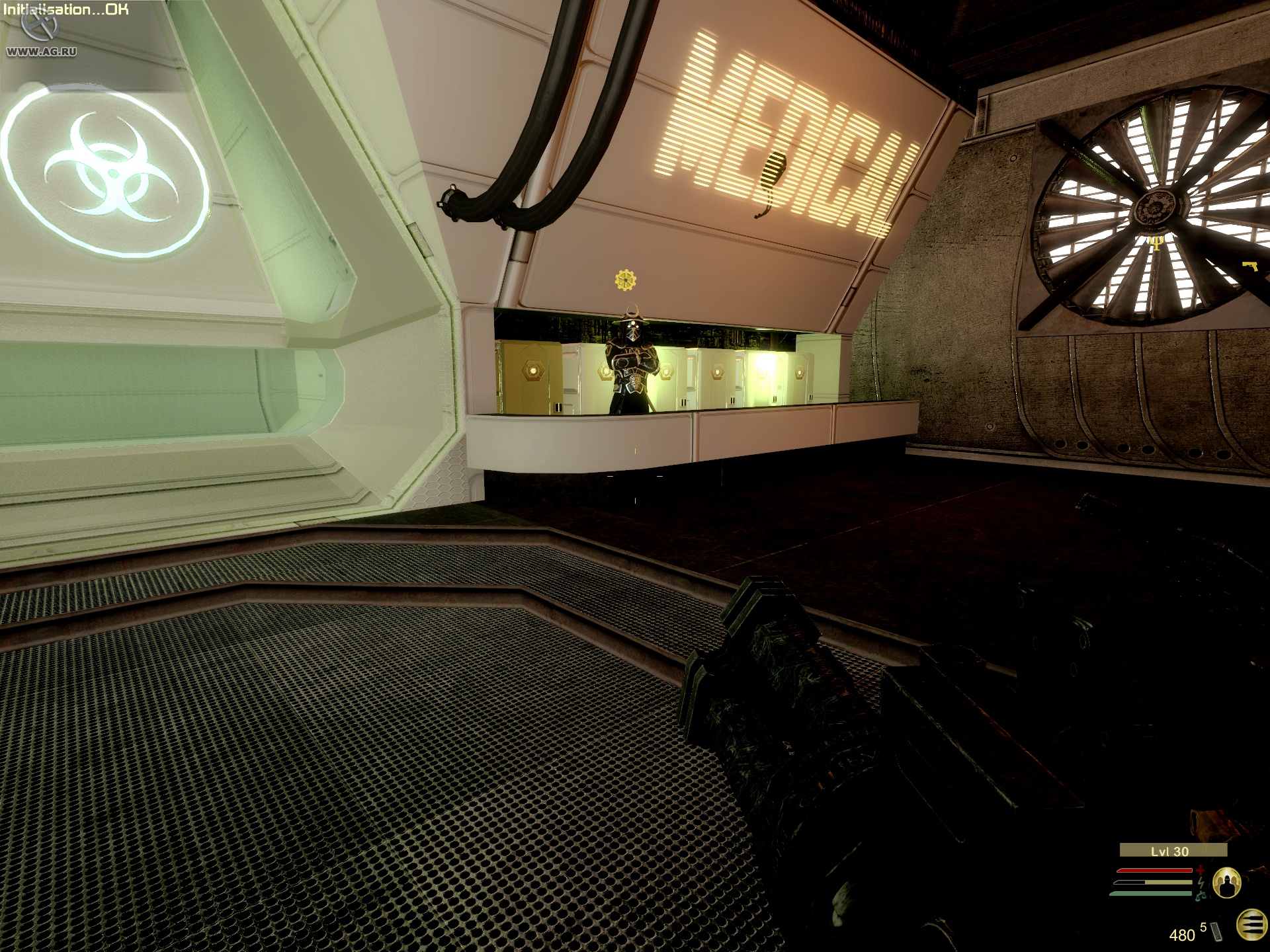
9. E.Y.E: Divine Cybermancy
E.Y.E: Divine Cybermancy, a cryptic 2011 cyberpunk RPG-shooter, remains an enigma. Its complex blend of Deus Ex-like mechanics, a dense, philosophical narrative, and deeply customizable character progression created a uniquely immersive, if bewildering, experience. Players could hack, cast psionic abilities, or engage in brutal gunfights. Though often impenetrable, its sheer ambition and willingness to challenge players with a rich, dark world and intricate systems set it apart, influencing niche indie titles with its experimental spirit.
10 / 10

10. Sleeping Dogs
Sleeping Dogs, released in 2012, brought the vibrant, neon-lit streets of Hong Kong to life in an open-world crime drama. Its standout feature was the fluid, cinematic martial arts combat, blending environmental interactions with satisfying combos, a refreshing departure from typical gunplay. Coupled with excellent driving mechanics, a compelling narrative of undercover police work, and rich cultural immersion, it offered a distinct alternative to established open-world formulas, leaving a memorable mark with its unique flavor.