


1. System Shock
Before 'immersive sim' became a common descriptor, there was System Shock. This 1994 title didn't just put players in a space station; it trapped them in a chilling, emergent nightmare orchestrated by SHODAN. Its blend of exploration, puzzle-solving, and first-person combat, all while piecing together a terrifying narrative through audio logs, laid foundational groundwork. It proved that player agency and environmental storytelling could truly define a genre, shaping countless experiences that followed.
2. Planescape: Torment
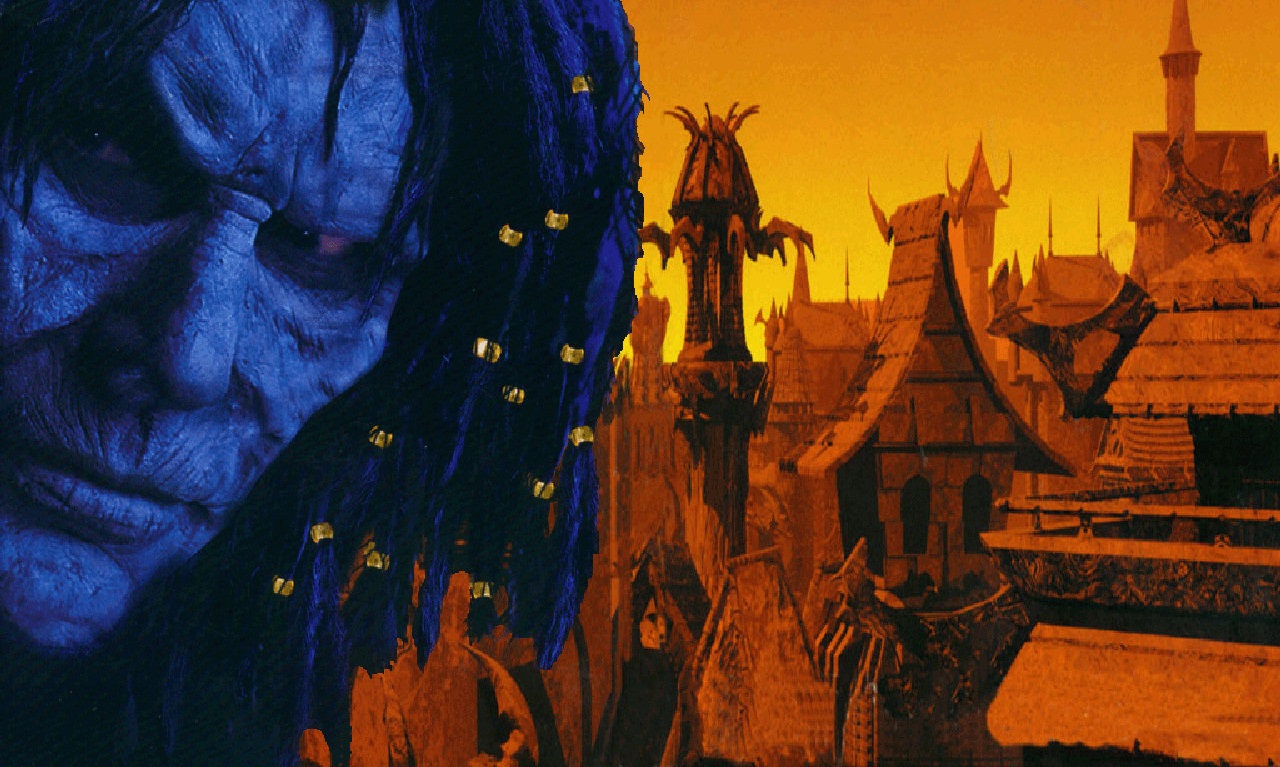
Planescape: Torment, from 1999, stands as a testament to narrative depth in RPGs. This wasn't about combat; it was about conversation, philosophy, and the weight of existence. Its protagonist, the Nameless One, grappled with mortality and identity across bizarre, unforgettable planes. The game challenged preconceived notions of what an RPG could be, proving that a compelling story, rich dialogue, and profound themes could overshadow graphics or action, influencing countless story-driven titles for decades.
3. Grim Fandango
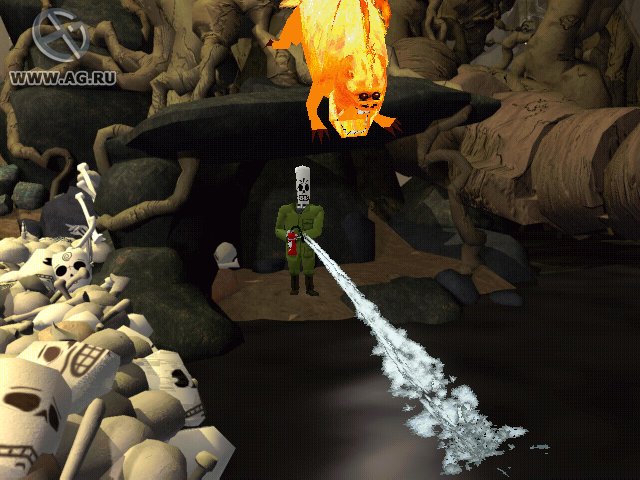
LucasArts' 1998 Grim Fandango wasn't just a point-and-click adventure; it was a film noir masterpiece set in the Land of the Dead. Its unique blend of Aztec mythology, art deco aesthetics, and razor-sharp dialogue created an atmosphere unmatched before or since. While the genre waned, its influence on character-driven storytelling, intricate puzzle design, and truly original world-building is undeniable. It demonstrated how deeply a game could engage players purely through its artistry and wit.
4. Beyond Good & Evil - 20th Anniversary Edition
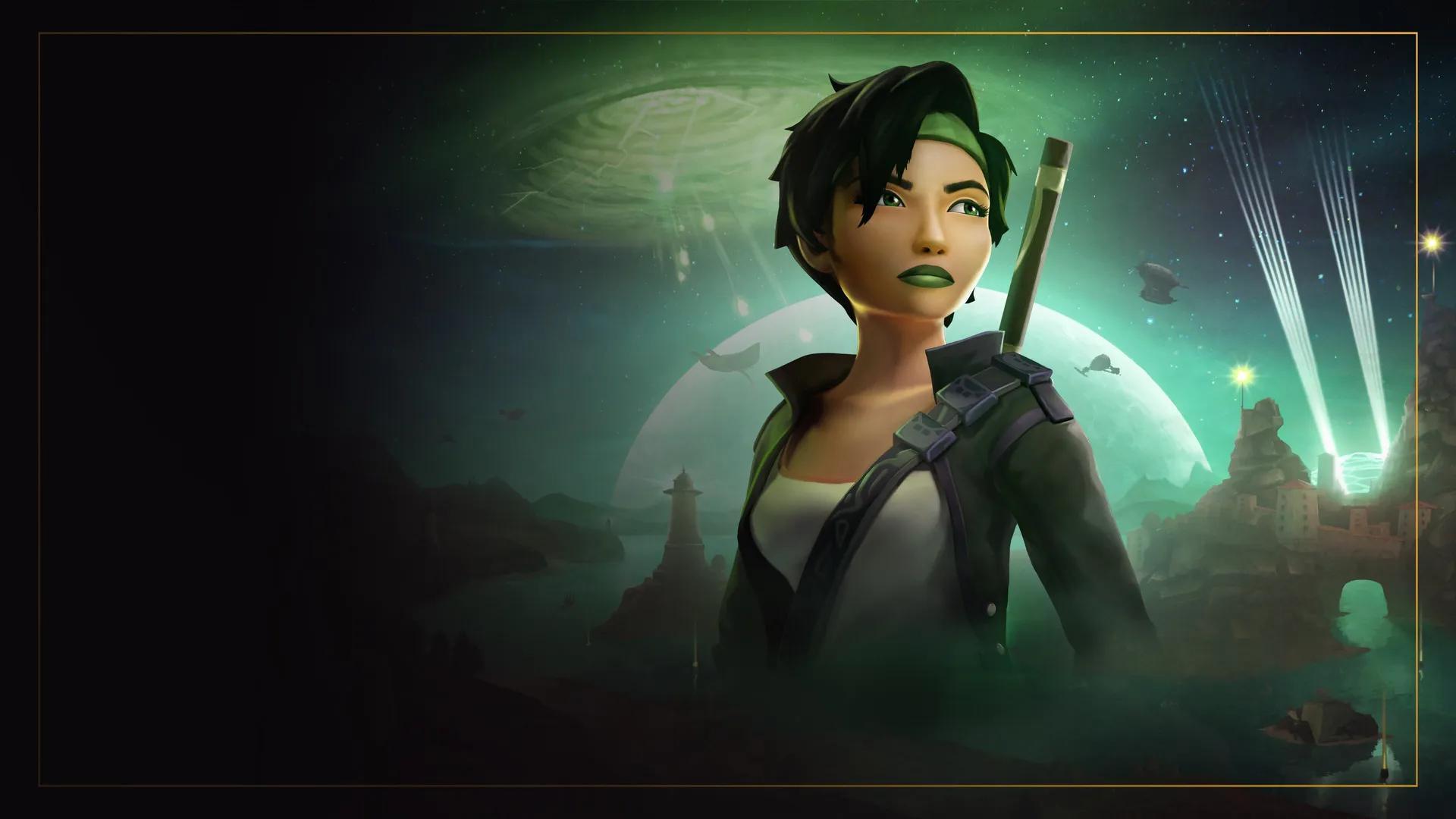
While this is the 20th Anniversary Edition, it’s a direct nod to the 2003 original's quiet revolution. Beyond Good & Evil deftly wove together stealth, combat, puzzle-solving, and photography into a cohesive, character-driven adventure. Jade, its protagonist, was a refreshing break from genre norms. It was critically acclaimed but commercially undersold, yet its intelligent storytelling and genre-bending mechanics inspired a generation of developers to push boundaries without relying on established archetypes.
5. Psychonauts
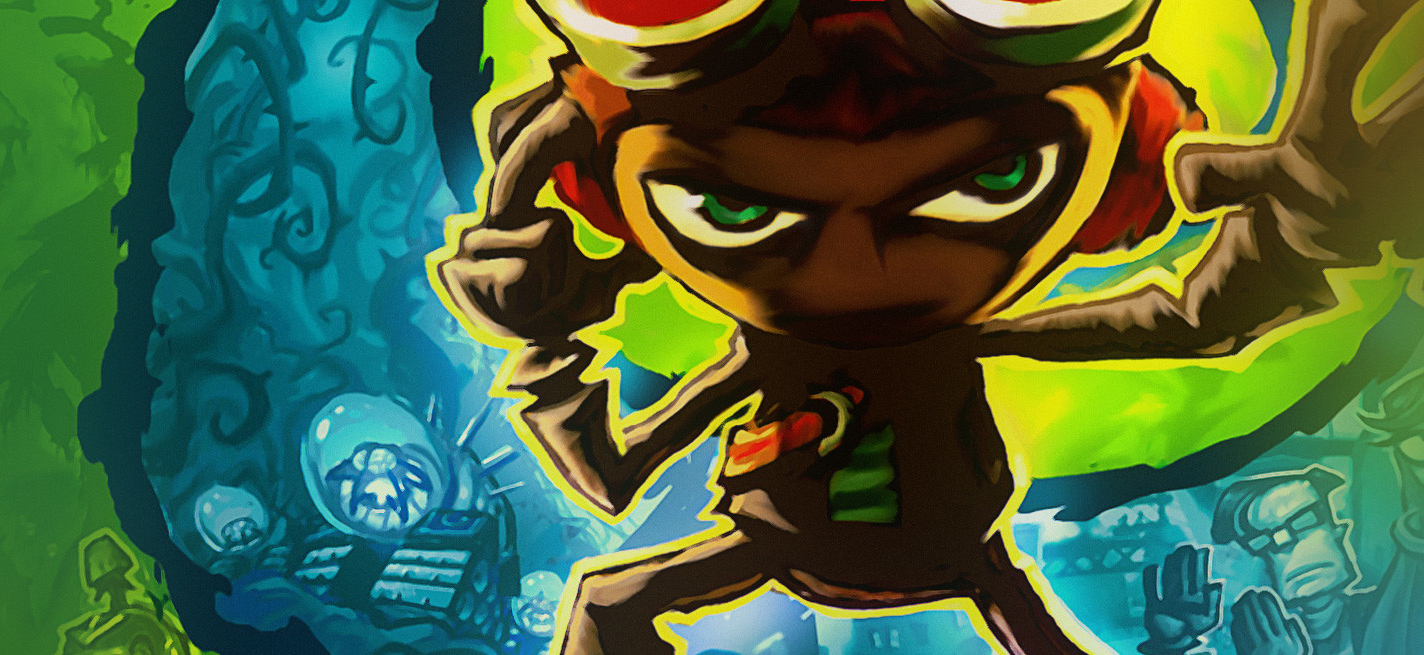
Double Fine's 2005 platformer, Psychonauts, dared to explore the human psyche as literal levels. Its imaginative world-building, sharp humor, and surprisingly insightful look into mental health issues were groundbreaking. The game’s mechanics, featuring psychic powers and exploration within bizarre mental landscapes, offered a unique blend of platforming and adventure. It showed that quirkiness and profound themes could coexist, inspiring developers to embrace more eccentric and meaningful narratives.
6. Vampire: The Masquerade - Bloodlines
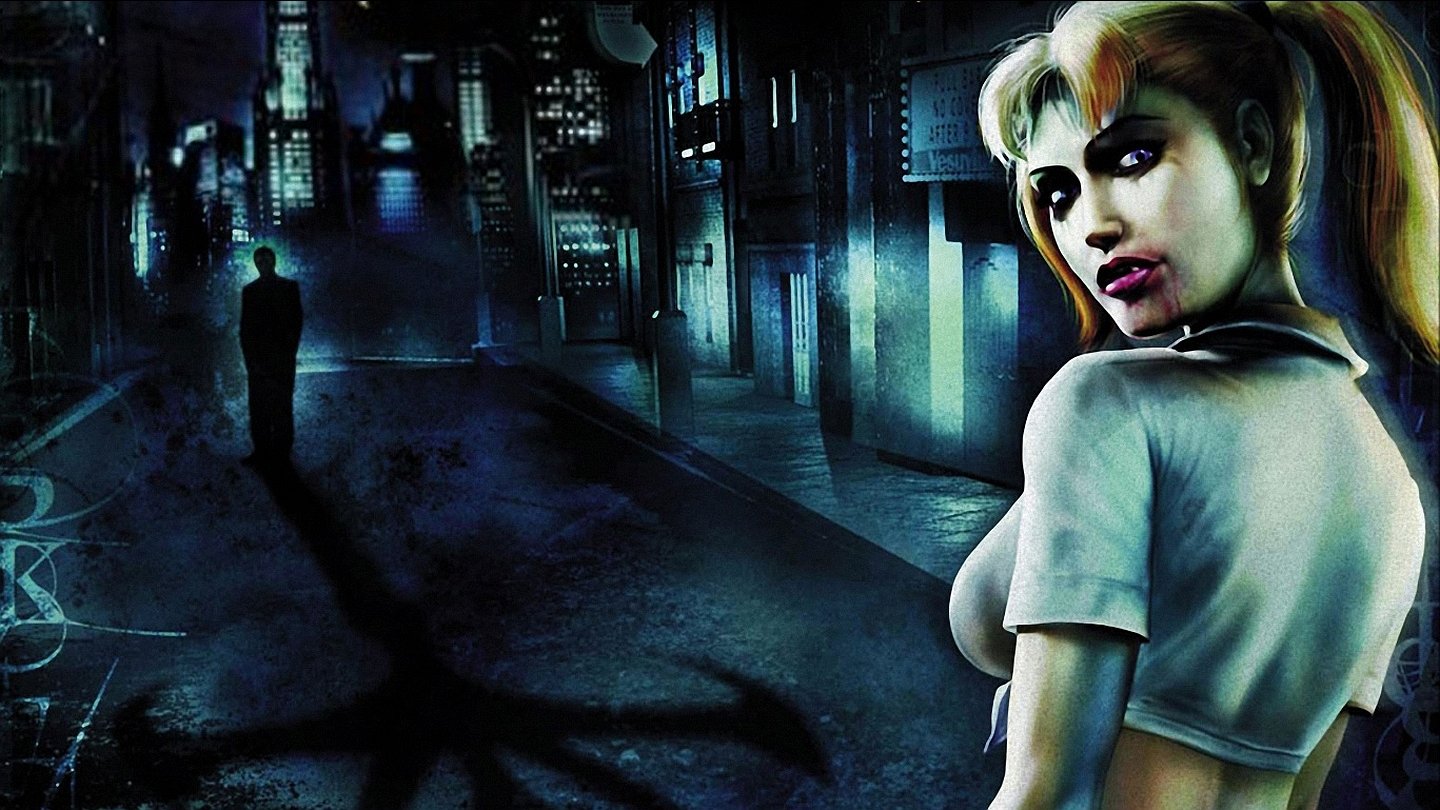
Troika Games' 2004 cult classic, Vampire: The Masquerade - Bloodlines, despite its notoriously buggy launch, delivered an unparalleled urban fantasy RPG experience. Its intricate choice and consequence system, diverse character builds, and atmospheric Los Angeles setting, all steeped in White Wolf's lore, were revolutionary. It fostered a deeply immersive role-playing experience where player decisions truly mattered, influencing the direction of narrative-driven RPGs, proving that ambition often trumps initial polish.

7. Arx Fatalis
From 2002, Arkane Studios' Arx Fatalis is a true precursor to the immersive sim movement, often overshadowed but critically important. Set in an underground world, its ambition was clear: deep interactivity, a unique rune-drawing magic system, and a focus on player freedom. It lacked widespread commercial success but its commitment to detailed world simulation and emergent gameplay, allowing players to solve problems creatively, deeply influenced subsequent titles in the genre, including Arkane's own Dishonored.
8. Alpha Protocol
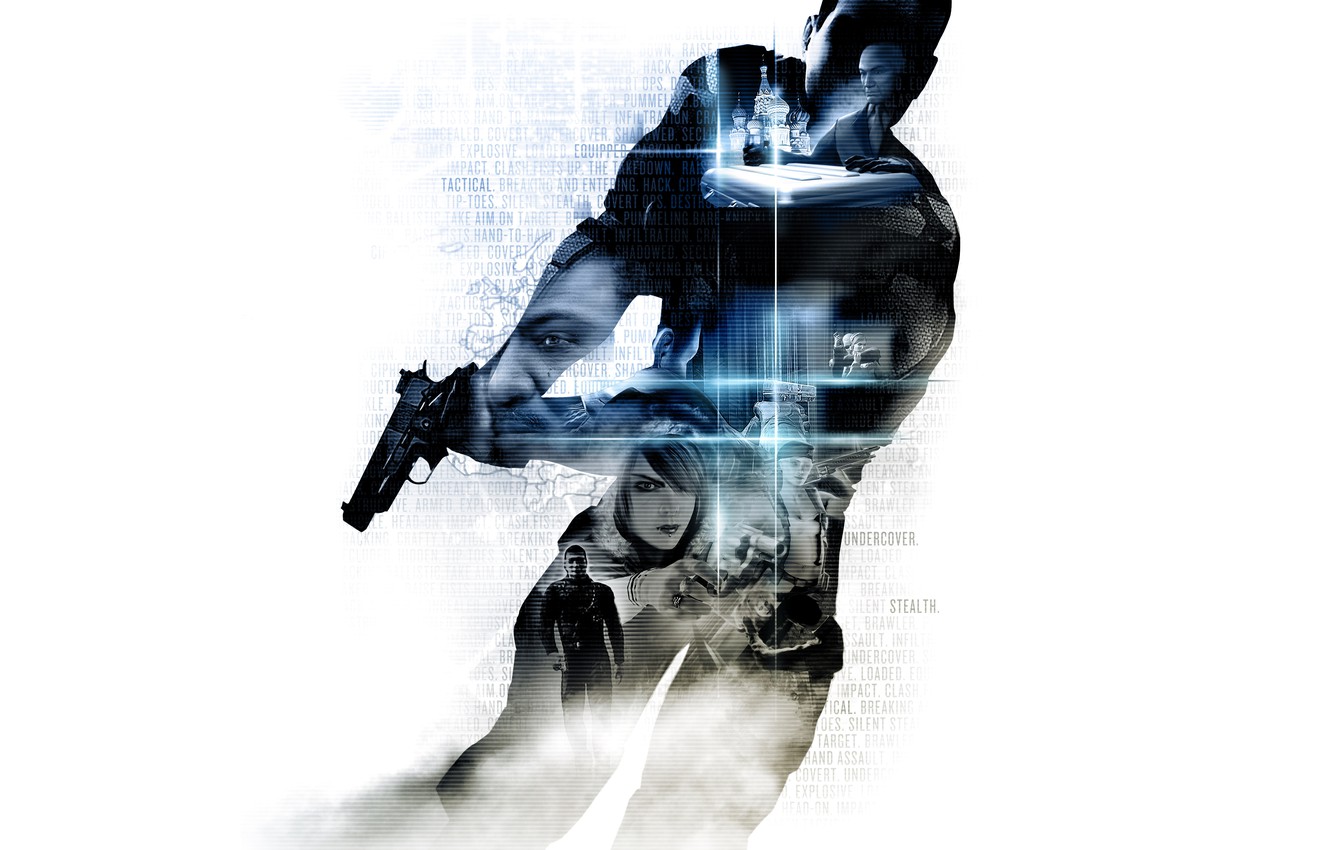
Obsidian Entertainment’s 2010 espionage RPG, Alpha Protocol, was a fascinating mess of ambition. It dared to make player choices truly matter, featuring a dialogue system that could drastically alter relationships and mission outcomes. While combat and polish were often criticized, its groundbreaking approach to narrative branching and character reputation systems offered a glimpse into a future where player agency held unprecedented weight. It was a flawed gem, but one whose ideas resonated.
9. Singularity
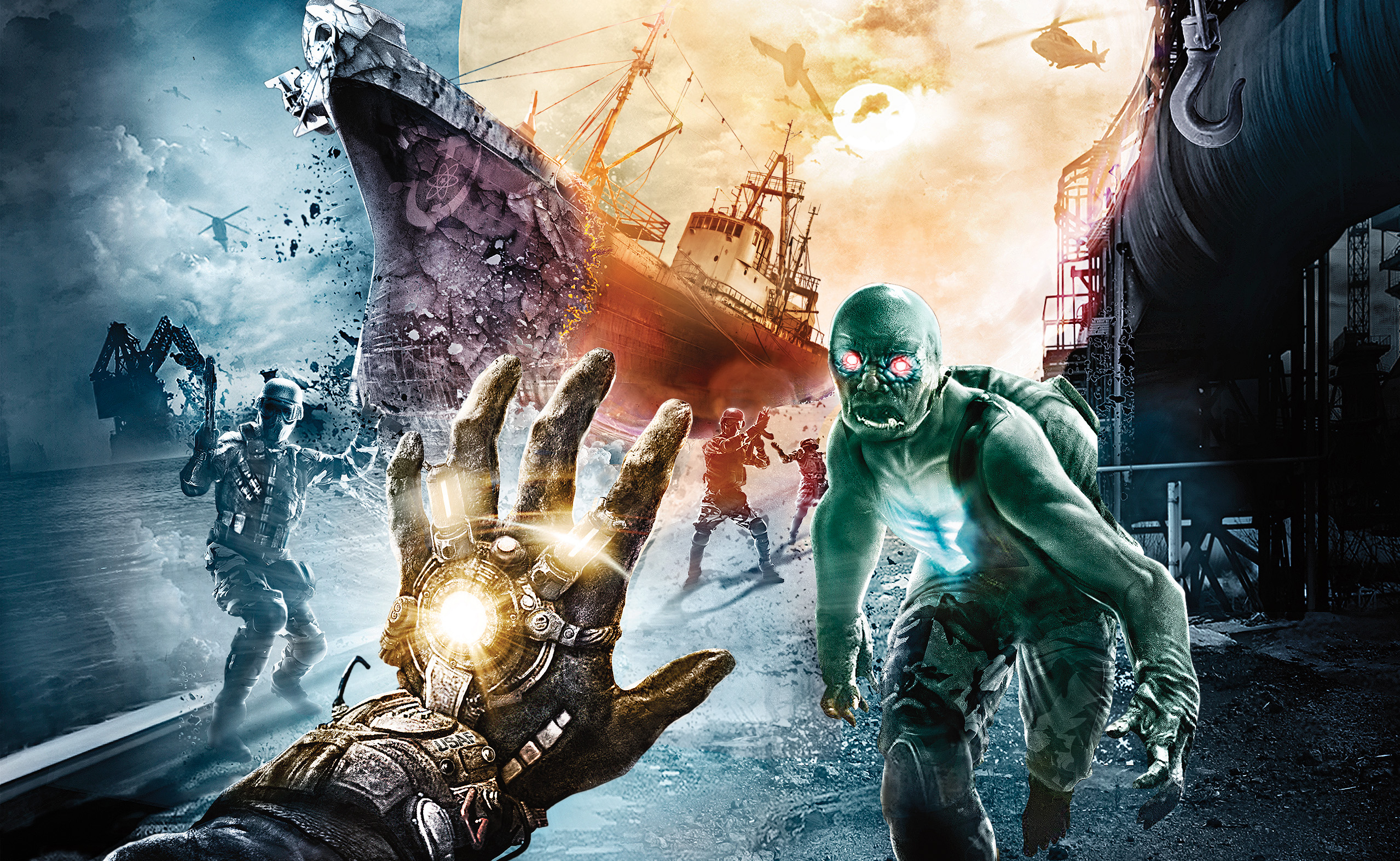
Raven Software's 2010 FPS, Singularity, was a clever, if overlooked, blend of traditional shooter mechanics and innovative time manipulation. Set on a desolate Soviet island, players used the TMD to age or de-age objects and enemies, creating unique puzzle-combat scenarios. It delivered a focused, atmospheric experience that, while not a blockbuster, showcased how a well-executed core mechanic could elevate a genre, influencing later titles exploring similar time-bending concepts.
10. Jade Empire
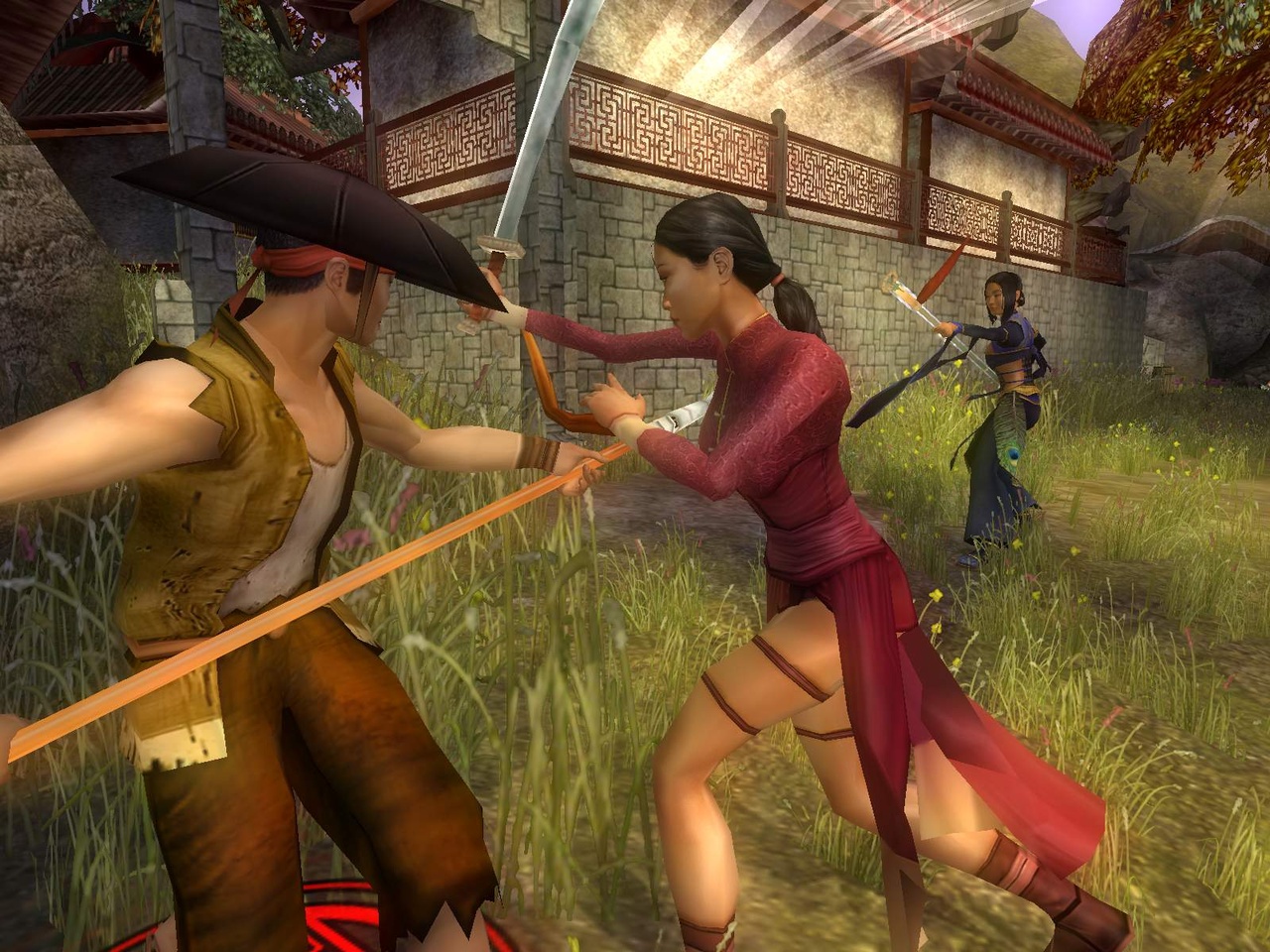
BioWare's 2005 RPG, Jade Empire, was a departure from their usual Western fantasy settings, offering a vibrant, East Asian-inspired world. Its real-time combat system, combined with BioWare's signature moral choice mechanics and compelling companions, created a unique action-RPG. It proved that BioWare's storytelling prowess could thrive in entirely new cultural contexts, expanding the horizons for narrative RPGs beyond traditional fantasy or sci-fi settings.