

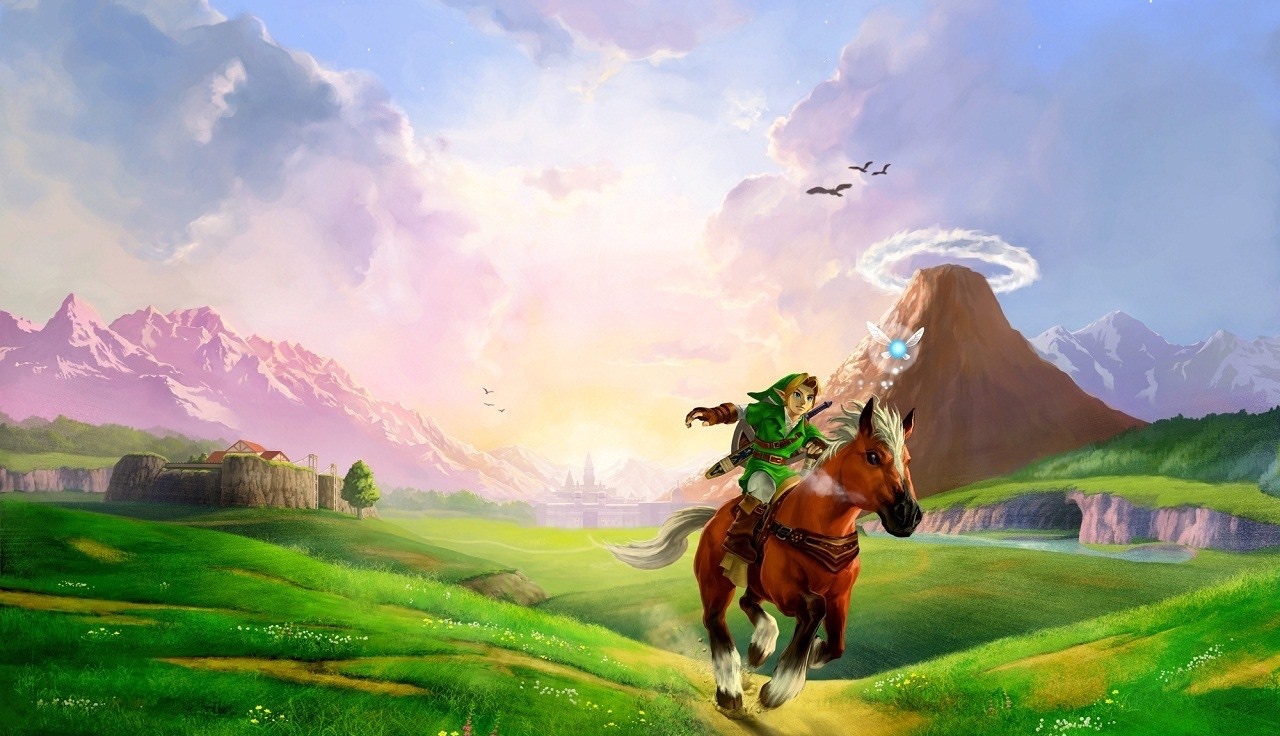
1. The Legend of Zelda: Ocarina of Time
This N64 classic didn't just tell a story; it wrote the playbook for 3D adventure games. Its lock-on targeting, contextual actions, and cinematic camera work became industry standards, influencing countless titles for decades. Even now, returning to Hyrule feels like stepping into a perfectly preserved piece of gaming history, its puzzles and progression still engaging. It’s a foundational text in the medium, a testament to thoughtful design over raw graphical power.

2. Grand Theft Auto V
More than a decade on, *Grand Theft Auto V* remains a cultural behemoth, its Los Santos a living, breathing satire of modern America. Its single-player campaign offered a compelling, if cynical, narrative, but it's *Grand Theft Auto Online* that truly defied expectations, evolving into a persistent world for millions. The game’s longevity proves that a meticulously crafted, dynamic sandbox world, continually updated, can sustain relevance far beyond typical release cycles, shaping player communities for years.
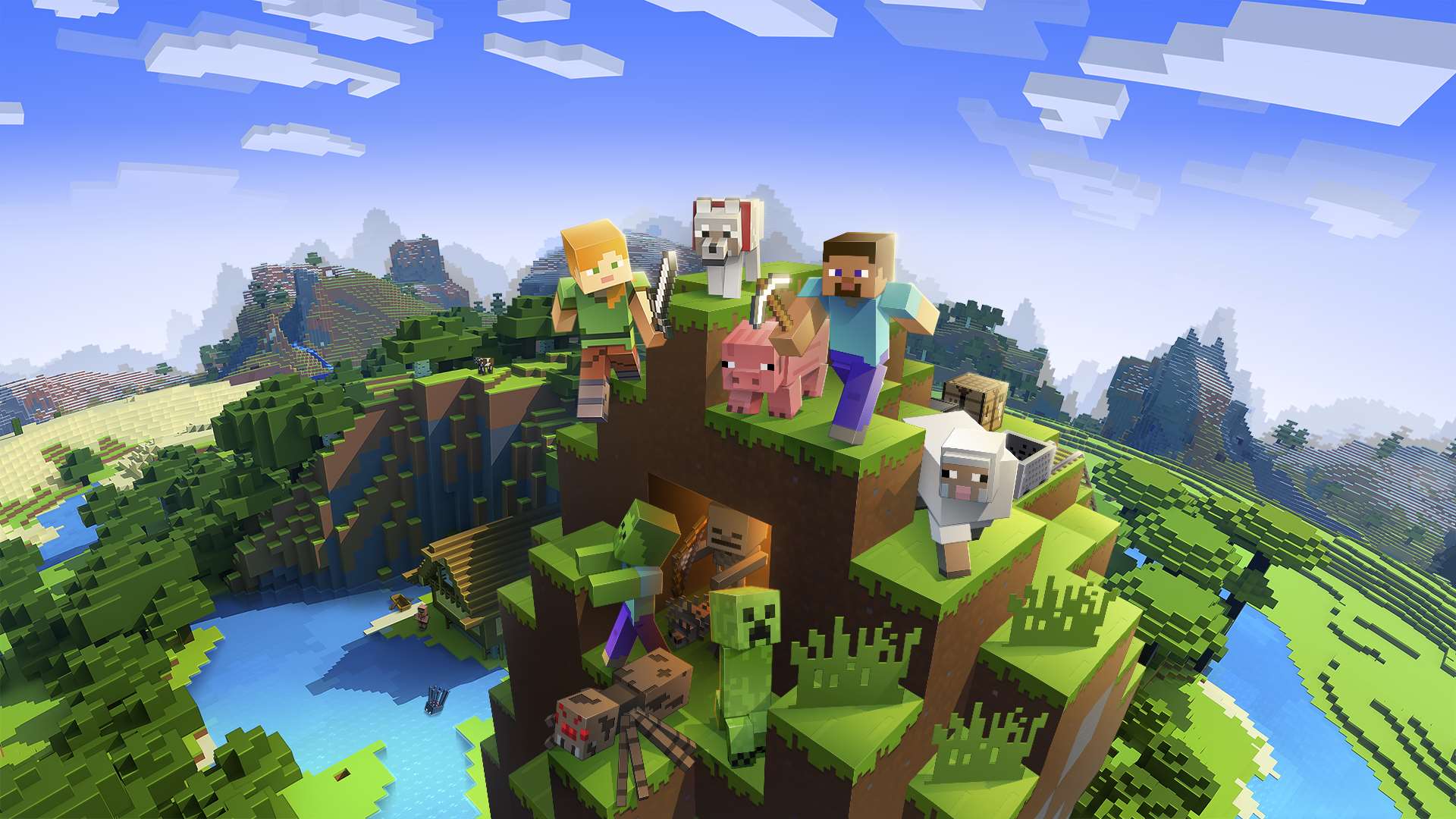
3. Minecraft
When *Minecraft* arrived, it wasn't just a game; it was a digital canvas, a virtual LEGO set on an infinite scale. Its blocky aesthetic belied a profound depth, fostering creativity and problem-solving across generations. From intricate redstone contraptions to sprawling architectural marvels, players continue to reshape its landscapes, proving that an open-ended framework, devoid of explicit goals, can generate endless engagement. It’s less a game and more a fundamental digital playground, constantly reinvented by its community.
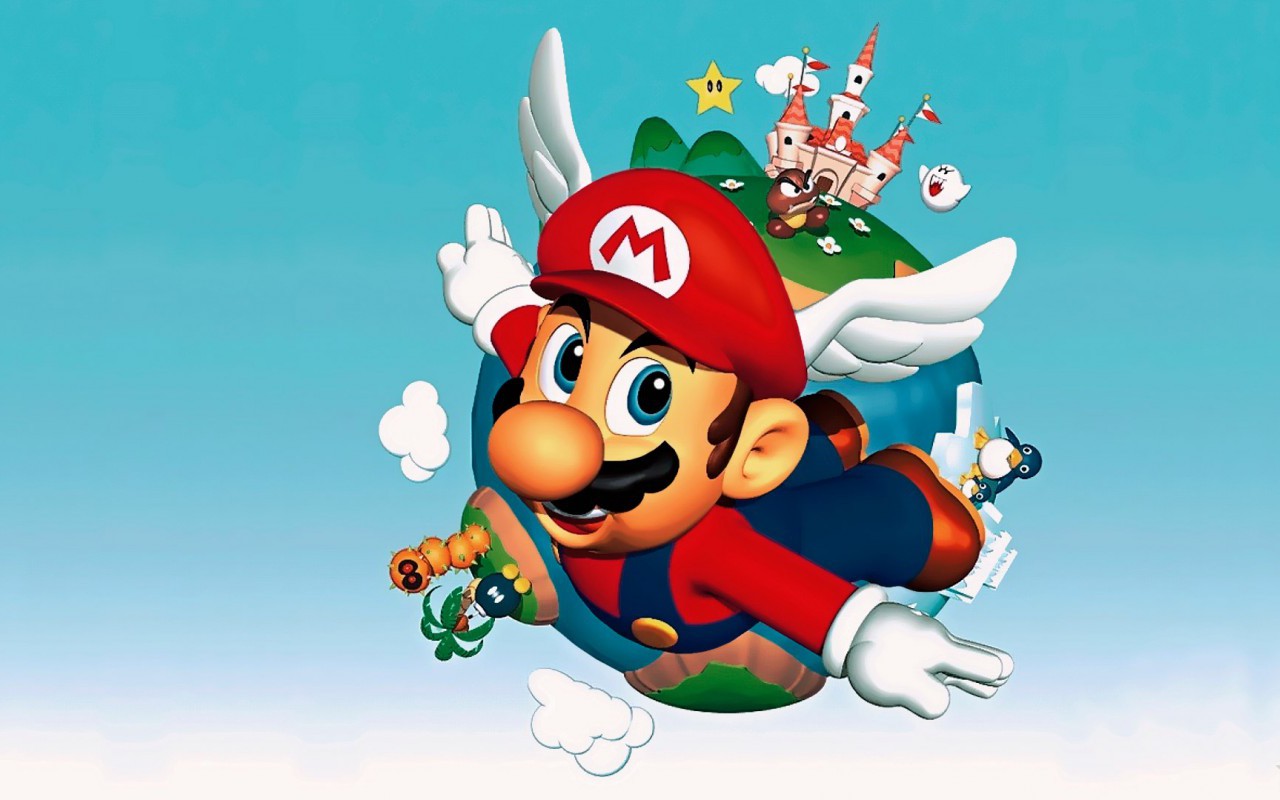
4. Super Mario 64
Before *Super Mario 64*, 3D platforming was largely theoretical; afterward, it was a genre defined. Shigeru Miyamoto's team didn't just port Mario to three dimensions; they reinvented interaction, camera control, and level design. The sheer joy of movement, the tactile satisfaction of triple jumps and ground pounds, remains unparalleled. It taught players a new grammar of gaming, and its influence on how we navigate virtual spaces is still felt today. A masterclass in intuitive, playful engineering.

5. Tetris (1984)
Alexey Pajitnov’s creation is a pure distillation of game design: simple rules, endless complexity, universal appeal. *Tetris* transcends platforms, generations, and languages, its falling blocks a meditative, yet intensely challenging, experience. It’s a testament to the power of abstract mechanics, proving that a game doesn't need narrative or cutting-edge graphics to be eternally compelling. Its influence is so pervasive it's become part of the collective unconscious, a timeless benchmark for elegant puzzle design.

6. Portal 2
*Portal 2* proved that intelligent writing and innovative mechanics could elevate a puzzle game to cinematic heights. Its witty dialogue, delivered by an iconic voice cast, woven into increasingly clever environmental puzzles, created an experience both hilarious and intellectually stimulating. The game’s ability to constantly surprise players with new concepts, while maintaining a consistent tone, cemented its place as a benchmark for narrative-driven puzzle design, a genuinely unique entry in gaming’s pantheon.
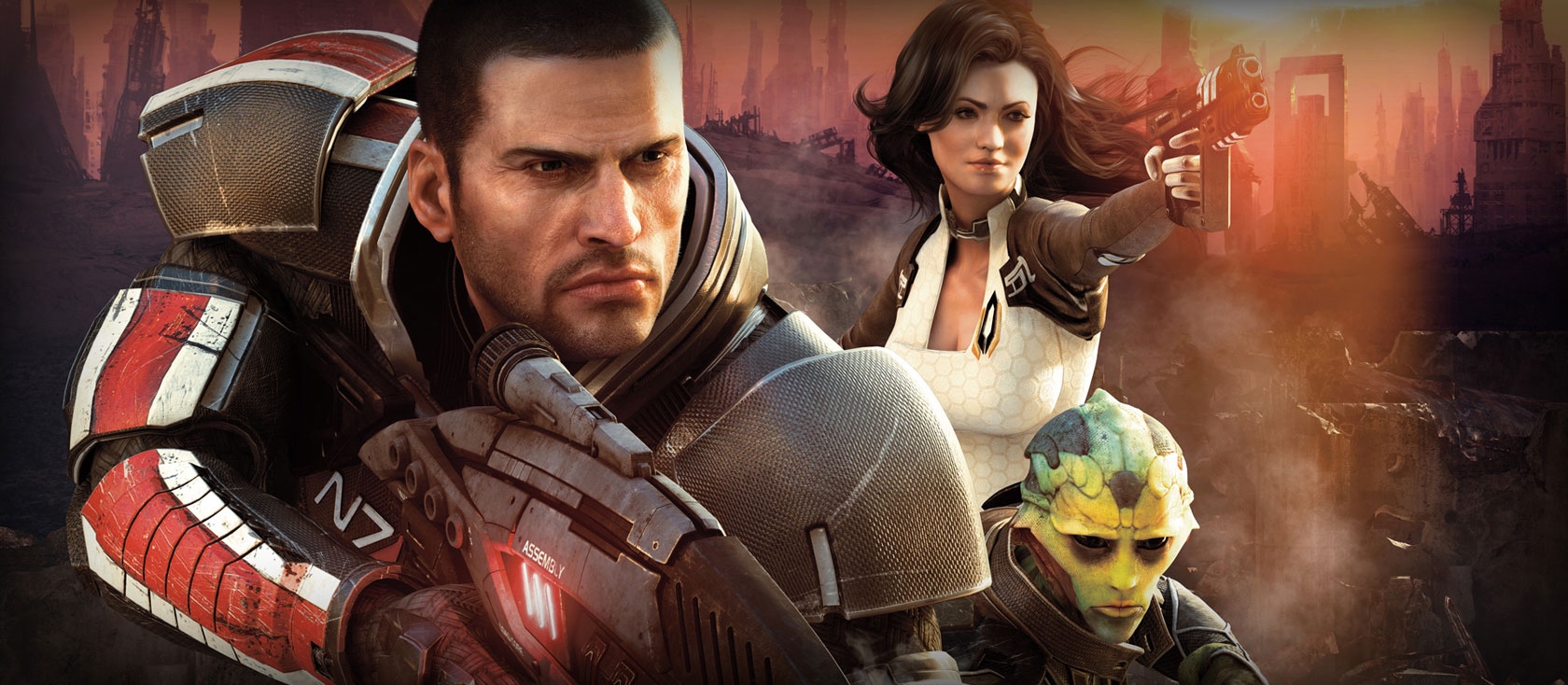
7. Mass Effect 2
BioWare’s second chapter in the *Mass Effect* saga perfected the art of character-driven storytelling within an RPG framework. The 'suicide mission' structure, where every crew member’s fate hinged on player choices and preparation, created an unparalleled sense of consequence. It demonstrated how deeply players could connect with digital companions, shaping a personal narrative against a grand sci-fi backdrop. The game’s blend of action, role-playing, and emotional weight set a new bar for interactive narratives.

8. Red Dead Redemption 2
*Red Dead Redemption 2* isn't just a game; it’s an epic piece of interactive fiction, a meticulously crafted historical drama. Its attention to detail, from animal tracking to character animations, creates an unparalleled sense of immersion in its late 19th-century American West. The slow, deliberate pacing allows for deep character exploration and environmental appreciation, proving that a sprawling, narrative-rich experience can captivate players willing to live within its world. A benchmark for open-world storytelling.

9. The Witcher 3: Wild Hunt
CD Projekt Red set a new standard for open-world RPGs with *The Witcher 3*. Its sprawling, grim fantasy world, populated by complex characters and morally ambiguous quests, offered a depth rarely seen. Every side mission felt meaningful, each choice carrying weight, contributing to a cohesive, mature narrative. It demonstrated that player freedom could coexist with compelling storytelling, proving that a richly imagined world, grounded in lore and character, can resonate for years.
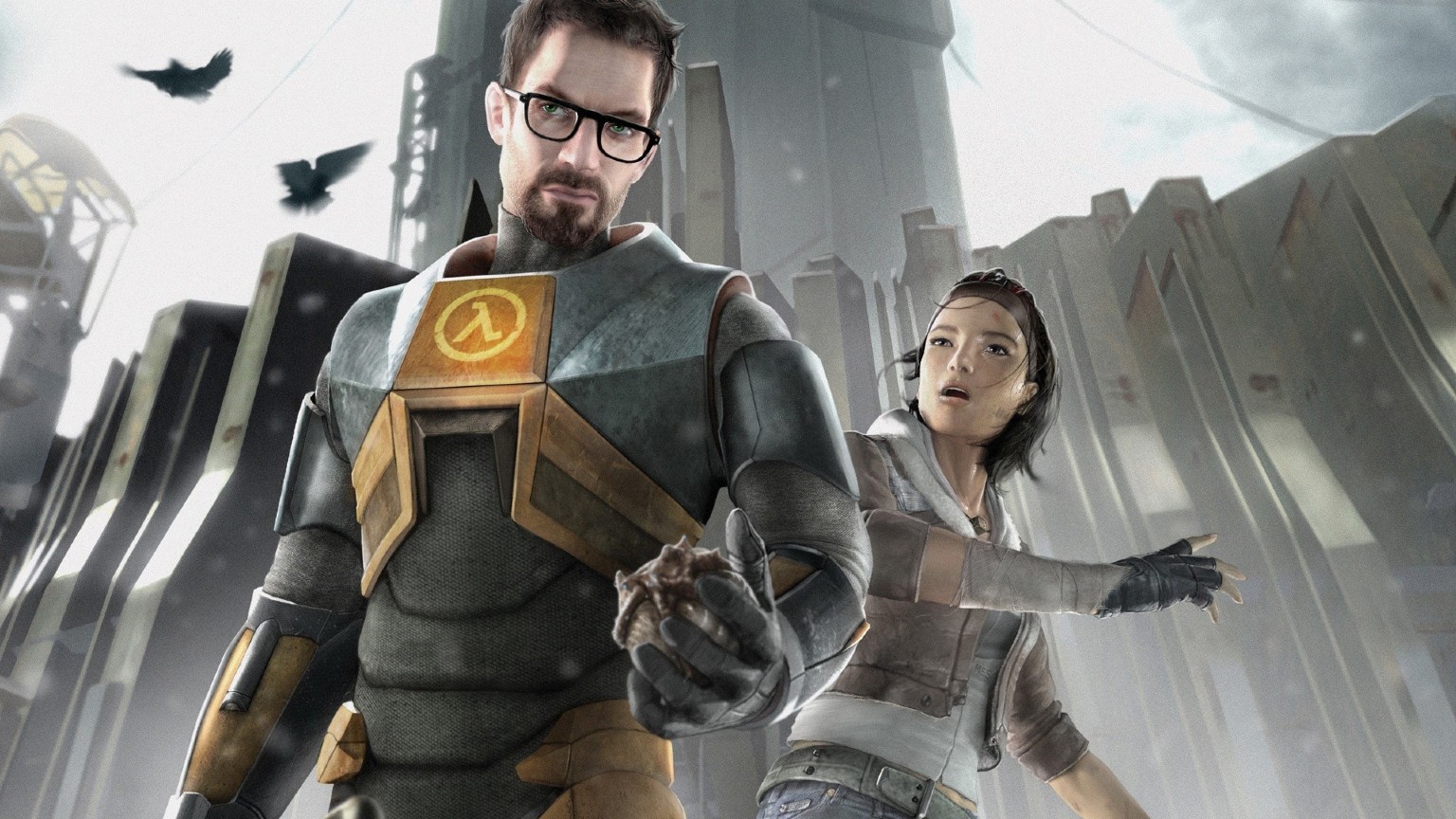
10. Half-Life 2
*Half-Life 2* didn't just deliver a compelling sci-fi narrative; it pushed the boundaries of interactive physics and environmental storytelling. The Gravity Gun, a revolutionary tool, transformed environmental manipulation into a core gameplay mechanic, influencing countless subsequent titles. Its silent protagonist, Gordon Freeman, navigates a dystopian world conveyed through subtle cues and emergent gameplay, demonstrating how atmosphere and player agency can drive a powerful, enduring experience without relying on traditional cutscenes.