
1. Valkyria Chronicles
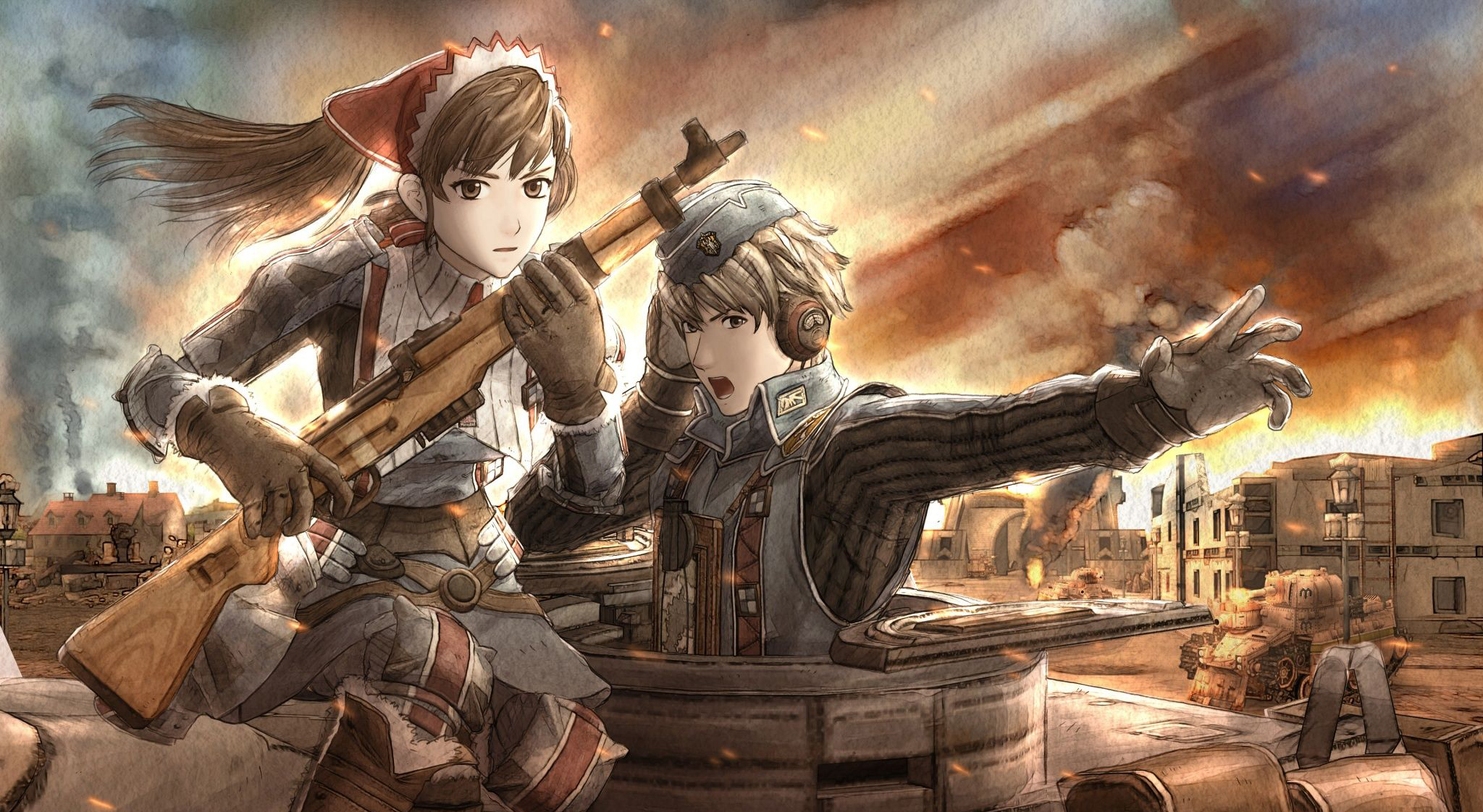
Man, the original *Valkyria Chronicles* on PS3 was something special. Its CANVAS engine made every frame look like a moving watercolor painting, and the BLiTZ combat system was a fresh take on tactical RPGs. It had heart, too, telling a surprisingly mature anti-war story with characters you actually cared about. This wasn't some soulless live-service cash grab; it was a complete, lovingly crafted experience that proved a game could be beautiful and strategically deep without relying on hype cycles.
2. Singularity
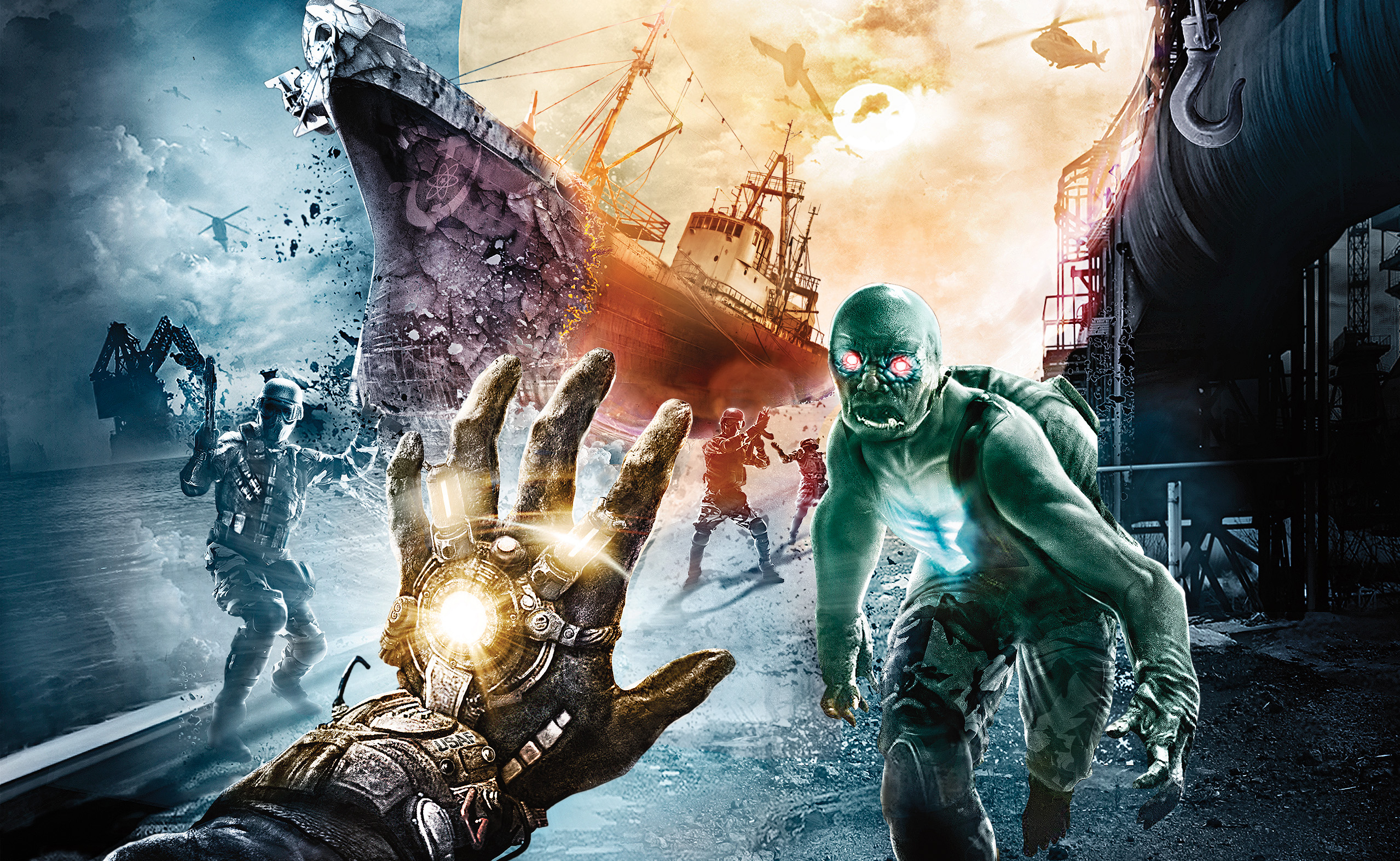
Raven Software's *Singularity* is a prime example of a game that just flew under the radar, especially on its original 360/PS3 release. Here was a solid, engaging first-person shooter with genuinely cool time-manipulation mechanics, blending sci-fi horror with satisfying gunplay. It had atmosphere for days and a story that, while not groundbreaking, was a fun ride. It's a shame it didn't get the recognition it deserved, probably because it wasn't a Call of Duty or some other yearly iteration.
3. GHOST TRICK: Phantom Detective
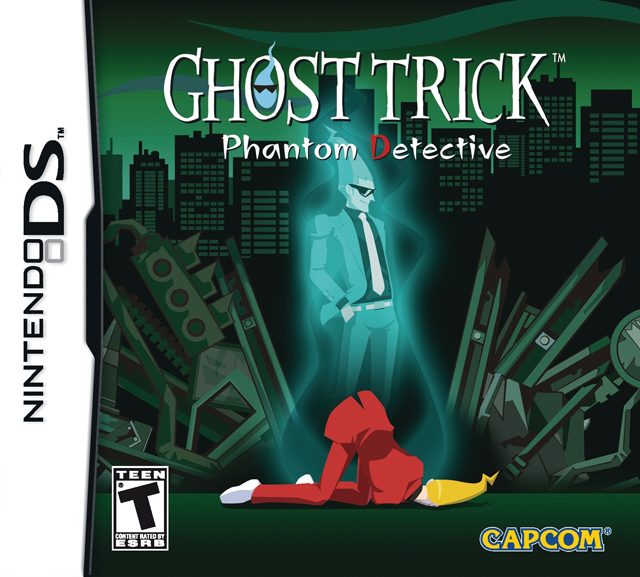
If you played *GHOST TRICK* on the DS, you know it's pure genius. Shu Takumi, the brains behind Ace Attorney, crafted this incredibly clever puzzle adventure where you're a ghost solving your own murder by possessing objects and manipulating time. The character designs are iconic, the story is a rollercoaster of twists and turns, and every puzzle feels earned. It's a masterclass in unique game design that proves innovation doesn't need a massive budget or a battle pass.
4. Prey
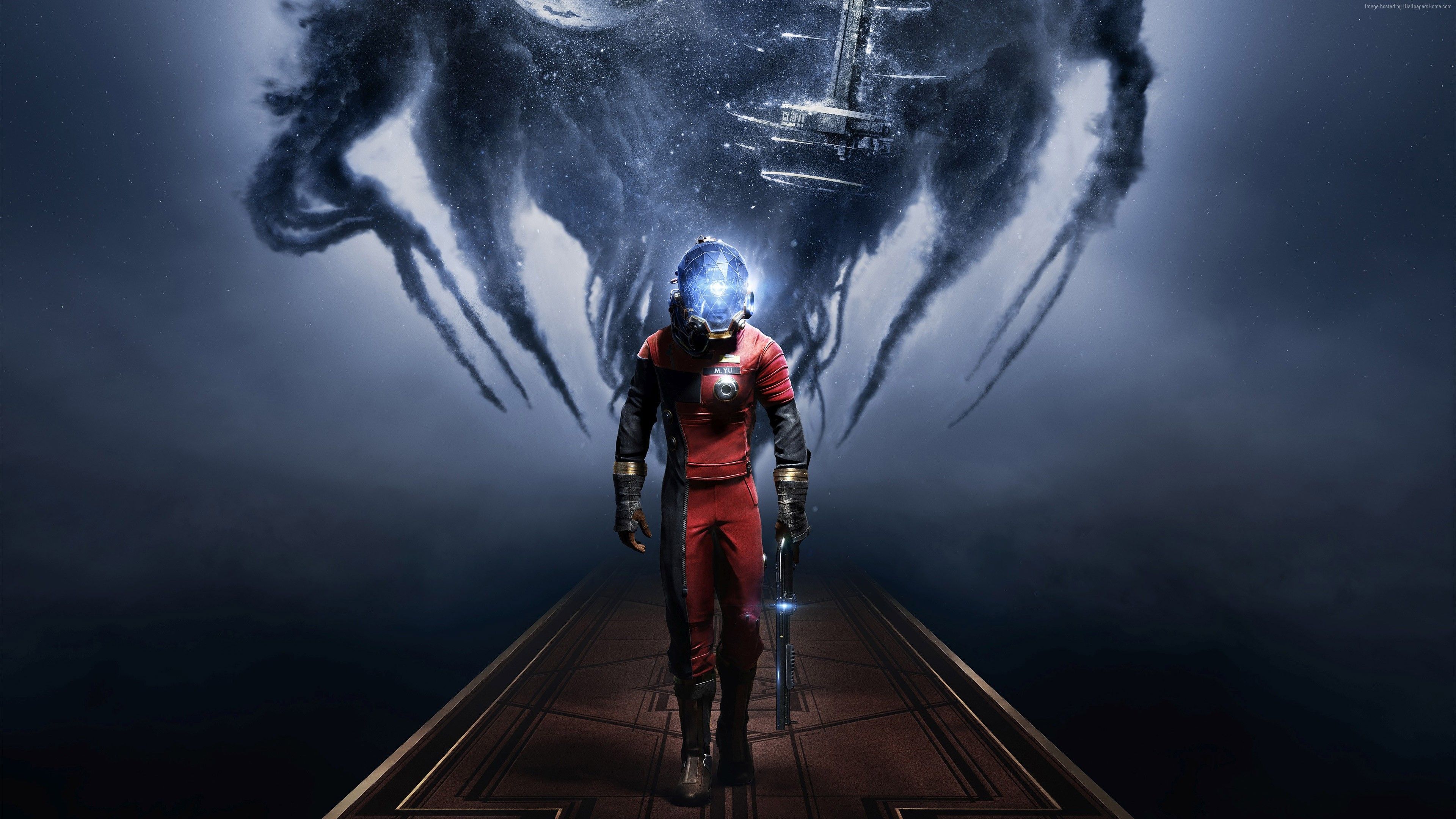
Arkane's 2017 *Prey* is an absolute triumph of the immersive sim genre, and honestly, it still feels underrated. Talos I is one of the best-realized environments in gaming, and the sheer freedom to approach problems with various powers, weapons, or just sheer ingenuity is unparalleled. It respects player intelligence, doesn't hold your hand, and delivers a chilling sci-fi atmosphere that most AAA titles could only dream of achieving. A true sleeper hit for discerning players.
5. Lost Odyssey
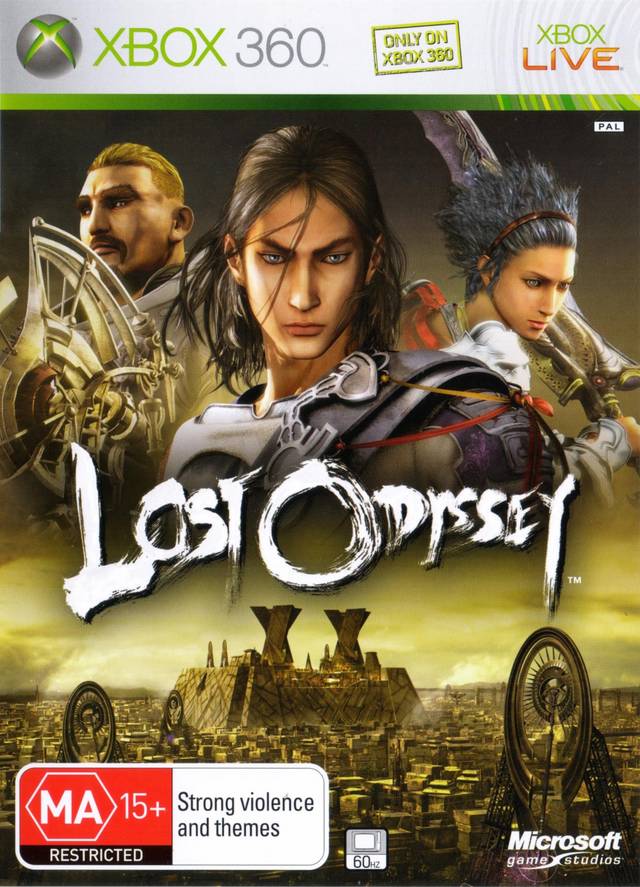
For anyone who missed the classic JRPG vibe, *Lost Odyssey* on Xbox 360 was a godsend. Hironobu Sakaguchi, the father of Final Fantasy, delivered a deeply emotional story about an immortal protagonist, complemented by fantastic turn-based combat and Yasuhiro Kawakami's incredible 'dream sequences.' It felt like a return to form for the genre, focusing on narrative depth and traditional mechanics rather than trying to chase every passing trend. A truly heartfelt journey.

6. Catherine
Atlus really went out on a limb with the original *Catherine* on PS3/360, and it paid off. This isn't just some block-pushing puzzle game; it's a bizarre, thought-provoking narrative about commitment, infidelity, and nightmare-induced climbing. The adult themes and stylish presentation were a breath of fresh air, proving that games could tackle complex emotional subjects while still being incredibly fun and challenging. It’s definitely not your typical Triple-A fare.
7. Binary Domain
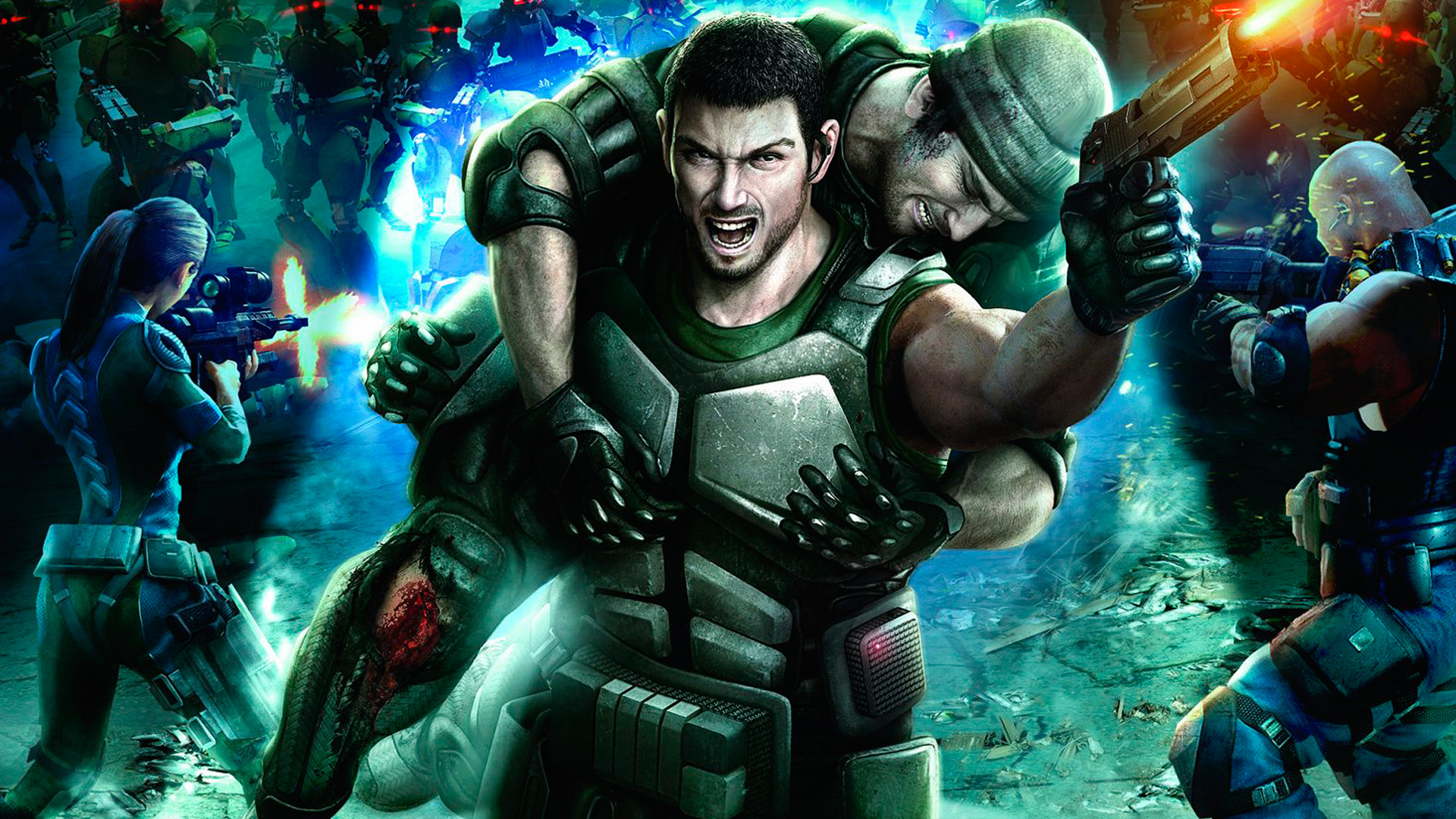
*Binary Domain* on PS3/360 was way better than it had any right to be. A third-person shooter from the Yakuza studio, it had surprisingly robust squad mechanics where your AI teammates actually listened – or didn't, based on your trust. The robot designs were excellent, the gunplay was chunky and satisfying, and it told a decent sci-fi story about what it means to be human. It's a shame it never quite caught on, overshadowed by bigger, blander shooters.

8. Mirror's Edge
The original *Mirror's Edge* was a bold statement. DICE dared to make a first-person game where the gun was almost an afterthought, focusing instead on fluid parkour and environmental puzzle-solving. Its minimalist, vibrant aesthetic was instantly recognizable, and the sense of flow when you nailed a perfect run was intoxicating. It was a refreshing departure from the grim-and-gritty shooters dominating the market, proving that innovation could still thrive without massive explosions every five minutes.
9. Alpha Protocol
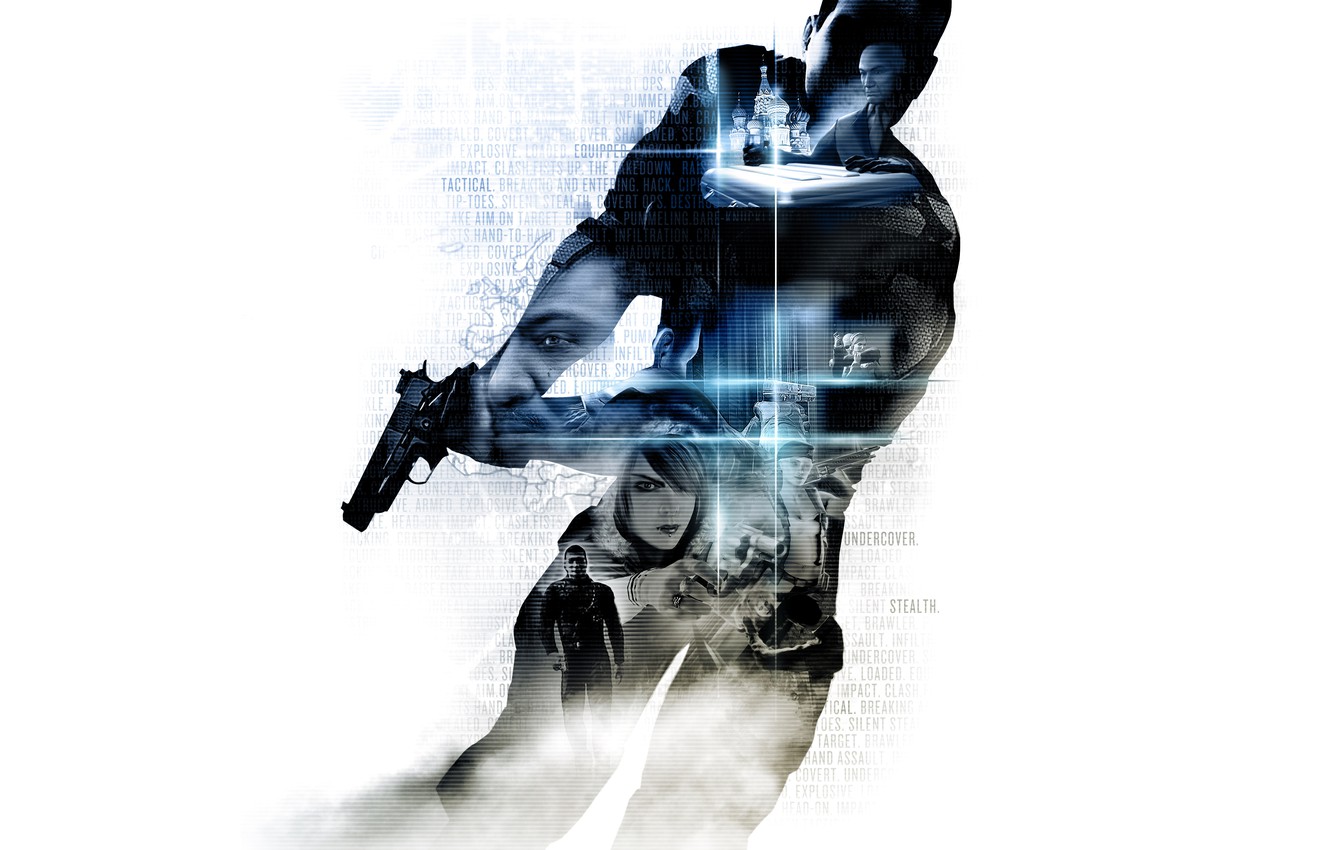
Obsidian's *Alpha Protocol* is a janky masterpiece from the 360/PS3 era. Yes, it was rough around the edges, but its commitment to player choice and consequence was unparalleled. Every dialogue option, every mission decision, genuinely impacted the story and characters in meaningful ways. It was a spy RPG that let you craft *your* spy, reflecting your choices back at you. It's a cult classic for a reason, showing what happens when ambition outweighs polish, in the best way.
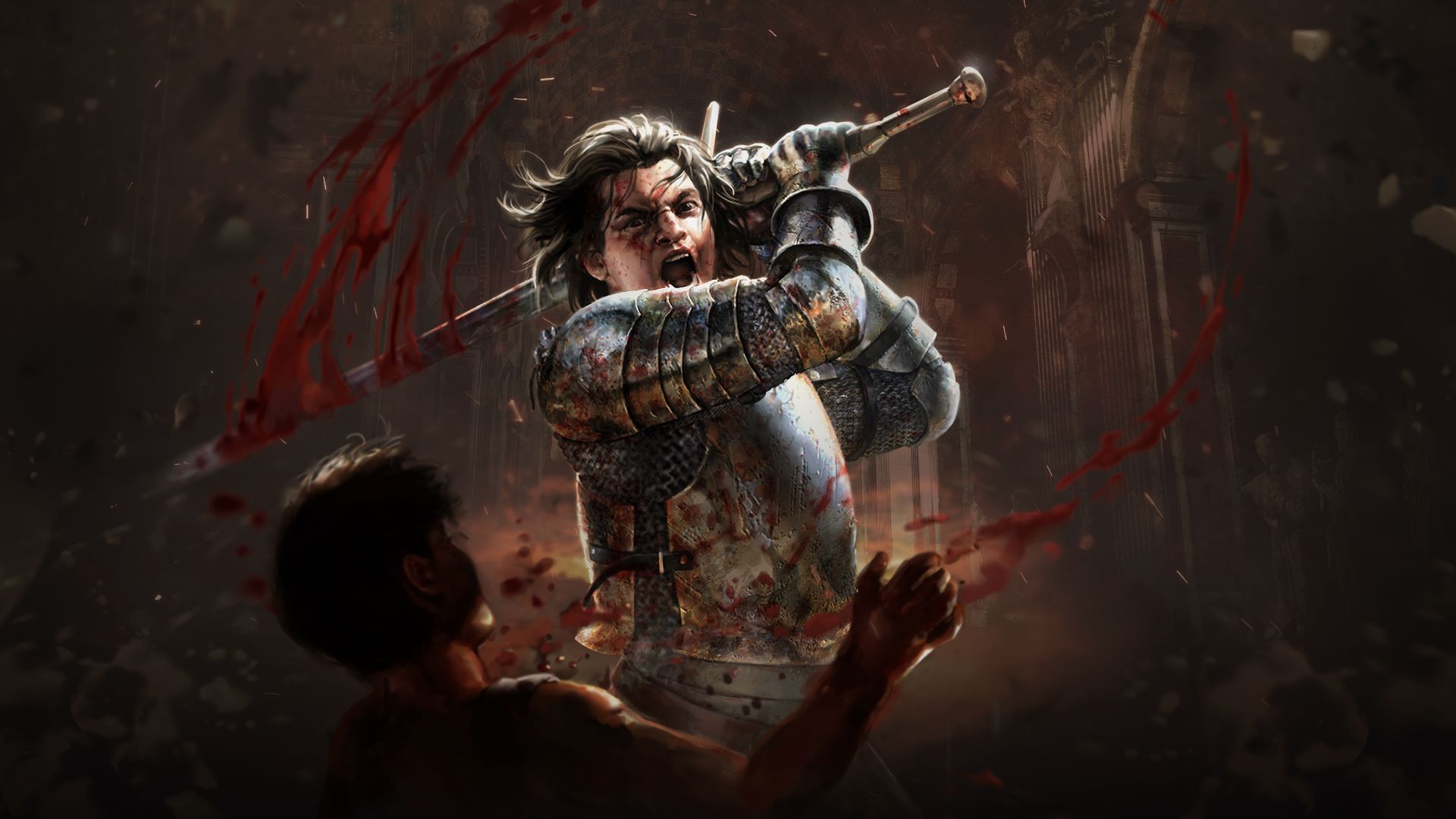
10. Path of Exile
*Path of Exile* on PC redefined what a free-to-play ARPG could be. No pay-to-win, just an absurdly deep skill tree, complex itemization, and a dark, gritty aesthetic that felt like a spiritual successor to Diablo 2. Grinding Gear Games built a game driven by passion and respect for its players, constantly evolving and adding content without resorting to predatory monetization. It's proof that a dedicated team can build an epic, engaging experience without needing a multi-million dollar marketing blitz.