
1 / 10
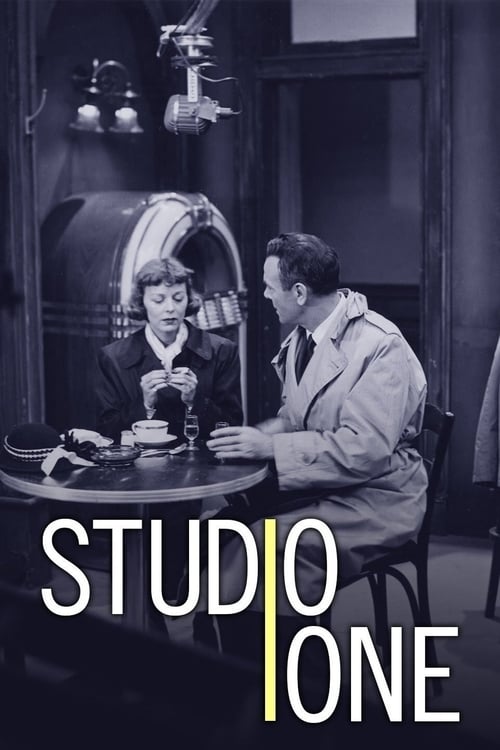
1. Studio One
Ah, *Studio One*. This was television's proving ground, wasn't it? Live, often from New York, with actors sweating under the lights and no second chances. It was raw, immediate, and sometimes utterly captivating. You saw the genesis of dramatic storytelling right there on the tube, before film took over. And the way they used those stark black-and-white visuals? Pure early television magic, crafting atmosphere out of necessity. It truly felt like an event every week.
2 / 10
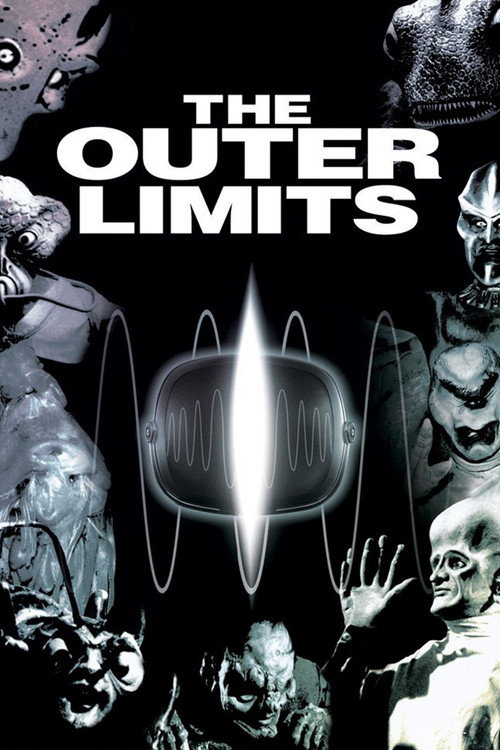
2. The Outer Limits
Now, *The Outer Limits* had a way of getting under your skin. Its creatures and concepts were often more unsettling than *Twilight Zone*, with that deep, resonant voice telling you "there is nothing wrong with your television set." The B&W cinematography was moody, even artful, giving those alien designs a stark, unforgettable presence. You felt the chill of the unknown, week after week. And it wasn't just monsters; it was ideas that made you think, too.
3 / 10
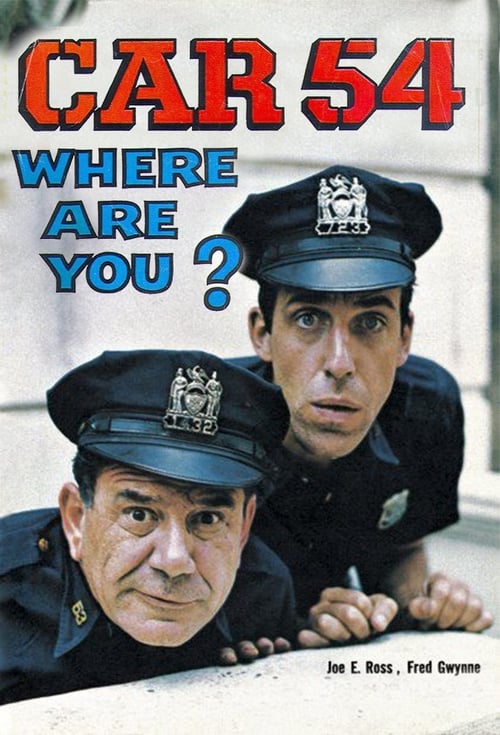
3. Car 54, Where Are You?
Oh, *Car 54*! What a delightful, goofy little show. It was a classic sitcom, pure and simple, relying on the mismatched personalities of Toody and Muldoon to drive the laughs. No fancy effects, just two New York cops bumbling through their beat, often right into some absurd situation. The physical comedy and the rapid-fire dialogue were key. It was warm, unpretentious, and a perfect example of early television comedy finding its rhythm in a small, contained world.
4 / 10

4. Naked City
*Naked City* wasn't just a crime show; it was a character study of New York itself. That famous closing line, "There are eight million stories in the naked city," set the tone for a gritty, often melancholic look at urban life. Filmed largely on location, which was quite something back then, it brought a raw authenticity you didn't often see. The B&W photography emphasized the shadows and corners of the city, making it feel real, lived-in, and sometimes dangerous.
5 / 10
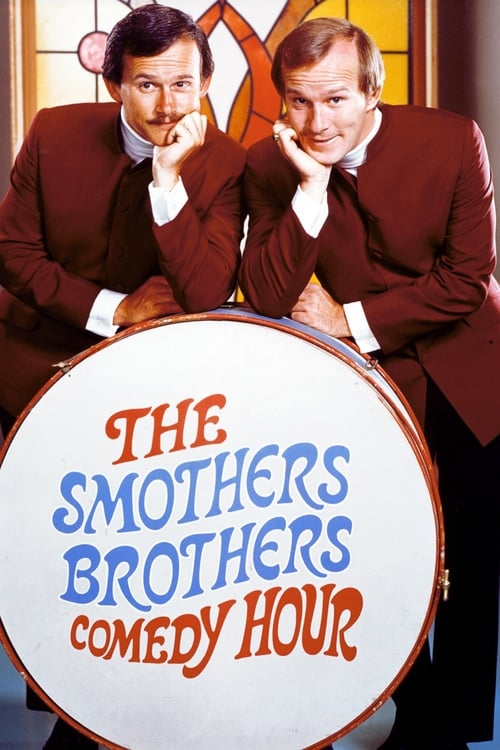
5. The Smothers Brothers Comedy Hour
*The Smothers Brothers* were, well, they were something else entirely. This wasn't just a variety show; it was a Trojan horse for satire and social commentary. They brought on acts you wouldn't see anywhere else, pushing boundaries with music and comedy. And the network censors? They hated it, but the brothers kept at it. It was a live wire, tapping into the changing mood of the late '60s, a genuine moment of television pushing back against the establishment.
6 / 10
6. The Avengers
The early *Avengers* from '61 was quite different from what many remember. It started with Dr. David Keel, a more serious affair, before Steed became the undisputed star. It was still stylish, though, with that distinct British flair for espionage and danger. The black-and-white photography gave it a sophisticated, almost noirish feel. You could see the foundations of its unique charm being laid, even if it hadn't fully embraced its later, more whimsical identity yet.
7 / 10
7. Mannix
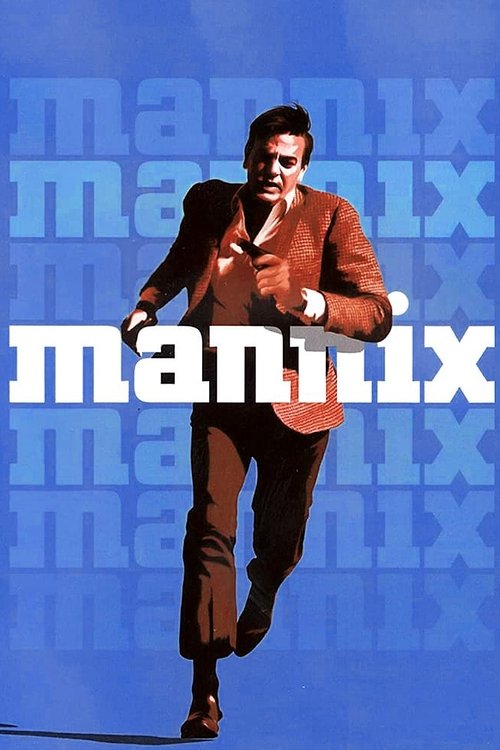
*Mannix* was a different breed of private eye. Joe Mannix was a tough guy, but he often took a beating, which made him feel a bit more human. The action was pretty good for its time, and the cases often twisted and turned in satisfying ways. You could see television getting better at telling longer, more involved stories over an hour. Plus, that opening title sequence, with the split screens? Very modern for '67, and always got you ready for the chase.
8 / 10
8. East Side/West Side
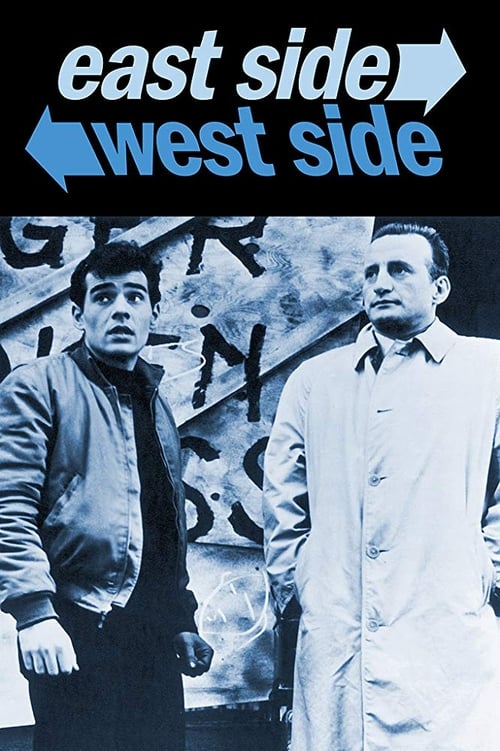
*East Side/West Side* was a brave show, tackling tough social issues head-on, which was rare for 1963. George C. Scott was phenomenal as the social worker, dealing with poverty, racial tensions, and bureaucratic struggles. It was shot in a stark, almost documentary-like black-and-white, adding to its raw realism. The show didn't shy away from uncomfortable truths, and maybe that's why it didn't last long. But it left an impact, showing what television could truly achieve.
9 / 10
9. The Name of the Game
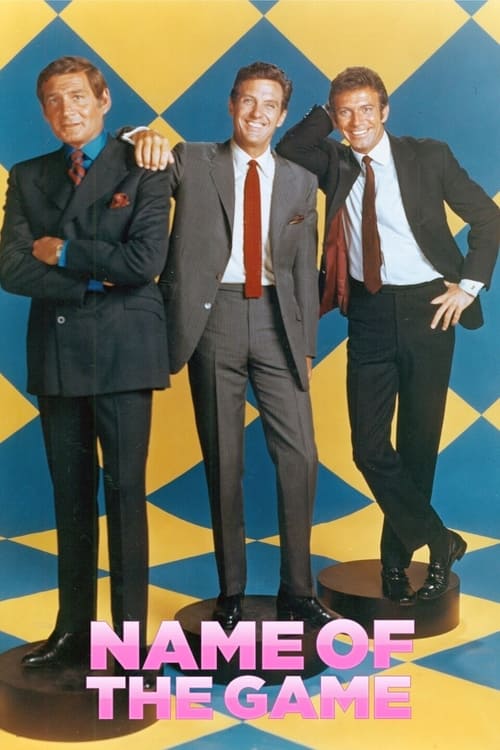
*The Name of the Game* was an ambitious beast, a ninety-minute drama that rotated between three lead stars, each with their own distinct segment. It felt like three mini-movies in one, exploring the world of publishing and investigative journalism. This was early television trying to go big, with a larger scope and production values that were quite impressive. It experimented with long-form storytelling, pushing the boundaries of what a weekly series could be.
10 / 10
10. Playhouse 90
*Playhouse 90* was the grand dame of anthology dramas. Ninety minutes of live, original television, often with big-name stars tackling serious, thought-provoking material. This was before the networks became so risk-averse. It was high drama, sometimes a bit theatrical, but always compelling. You saw early experiments with long-form storytelling, showcasing the potential of the medium to deliver impactful, self-contained narratives that truly resonated. A golden age, indeed.