1 / 10
1. The Prisoner
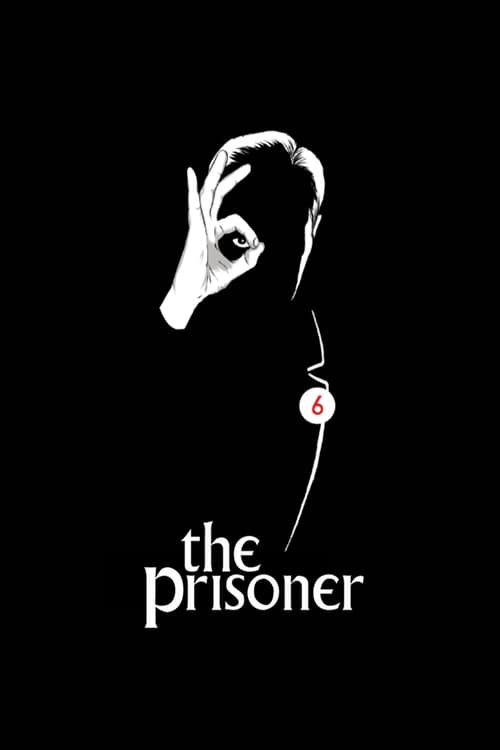
Oh, this one was a real head-scratcher. A British import, mind you, and quite unlike anything on our dials. Patrick McGoohan, after Danger Man, trapped in a Village where everyone was Number Six. It had that dreamlike quality, a constant battle against unseen forces. The continuity was unlike anything we'd seen, pushing what a weekly series could do. People argued for weeks about what it all meant. Certainly not your typical sitcom fare. A real experiment, that.
2 / 10

2. The Fugitive
David Janssen as Dr. Richard Kimble, always on the run, week after week. This was one of the first that really kept you hooked, knowing he had to find that one-armed man. Black and white, of course, which only added to the starkness of his desperate journey across America. Every episode, a new town, new faces, but the core story kept building. It proved viewers would stick around for a long, unfolding narrative, not just standalone tales. A real nail-biter, that.
3 / 10
3. Route 66
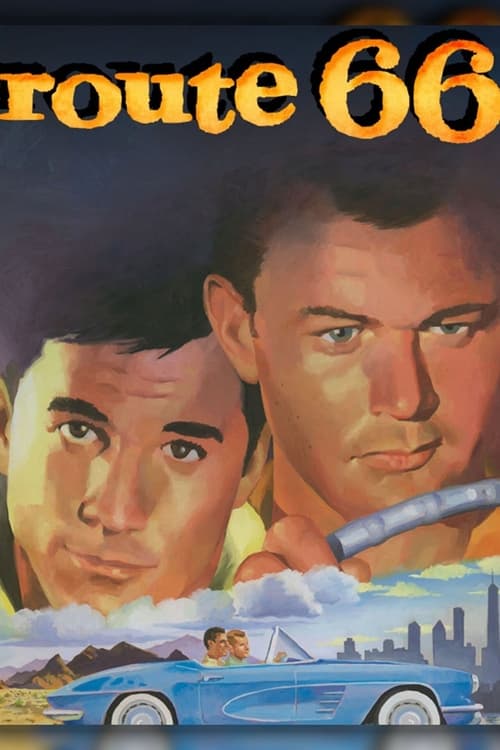
Two young fellas, Tod and Buz, driving a Corvette across America, seeking adventure and finding troubles. This wasn't just a travelogue; it was about the changing landscape of the country and the people in it. They tackled some pretty hefty subjects for the time, all while looking like a postcard from the road. The on-location shooting was a novelty, giving it an authenticity you couldn't get on a soundstage. A true slice of early '60s Americana, with a thoughtful streak.
4 / 10
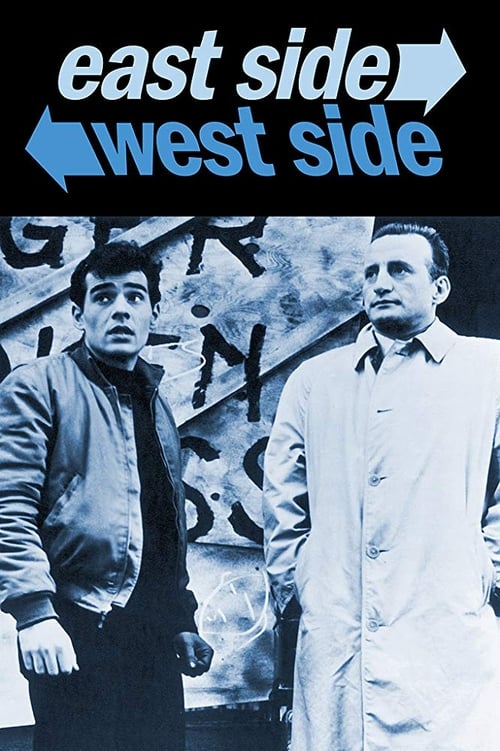
4. East Side/West Side
Now, this was a tough watch, but an important one. George C. Scott as a social worker in New York City. It wasn't about glamour; it was about the harsh realities of urban life, poverty, prejudice, and bureaucracy. Shot in stark black and white, it felt like a documentary at times, unflinching in its portrayal. Critics loved it, but it was perhaps too raw for general audiences back then. It didn't last long, but its impact on serious drama was undeniable.
5 / 10
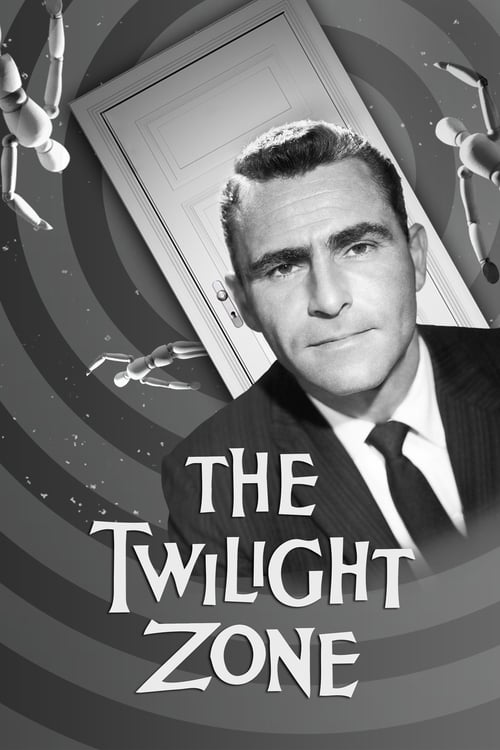
5. The Twilight Zone
Rod Serling's brainchild. Every week, a new story, a new moral, often with a chilling twist. It wasn't just monsters or spaceships; it delved into the human condition, our fears, and our follies. Black and white cinematography often enhanced the eerie, dreamlike quality. You never knew what you'd get, but you knew it would make you think, and sometimes, give you a good fright. A masterclass in anthology storytelling, and it holds up, even now.
6 / 10
6. Playhouse 90
This was big-time television, folks. Live, 90 minutes, weekly. Imagine the pressure! It was essentially a weekly Broadway play in your living room, often in glorious black and white. Top writers, directors, and actors cut their teeth here. It pushed the boundaries of what TV drama could be, showing sophisticated, complex stories. Many of its productions are lost to time, only surviving on kinescope, but its influence on dramatic television was immense. A true golden age gem.
7 / 10
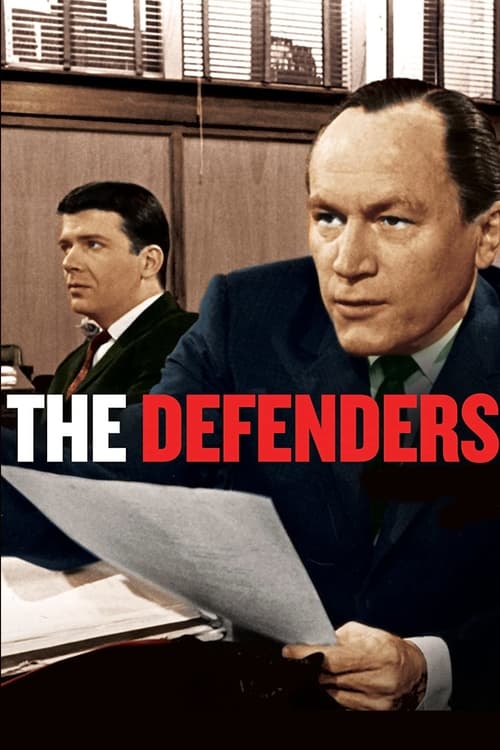
7. The Defenders
This courtroom drama, starring E.G. Marshall and Robert Reed as father-and-son lawyers, was groundbreaking. They didn't shy away from controversial issues—abortion, euthanasia, civil rights—things most shows wouldn't touch. It treated viewers like adults, presenting complex moral dilemmas without easy answers. The black and white format gave it a serious, almost journalistic feel. It proved that television could tackle tough subjects and still maintain a loyal audience. Ahead of its time, really.
8 / 10
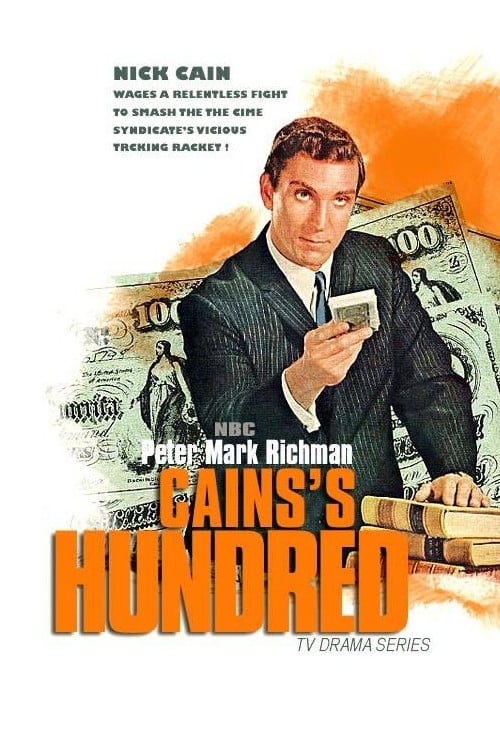
8. Cain's Hundred
An interesting premise, this one. Mark Richman played Nick Cain, a former mob lawyer now working for the feds, trying to bring down the hundred most powerful criminals. Each week was a new target, but there was an overarching goal, a rare thing for a crime show back then. It had a certain gritty realism, showing the darker side of things in stark black and white. It wasn't a huge hit, but it foreshadowed the serialized crime dramas that would come later.
9 / 10
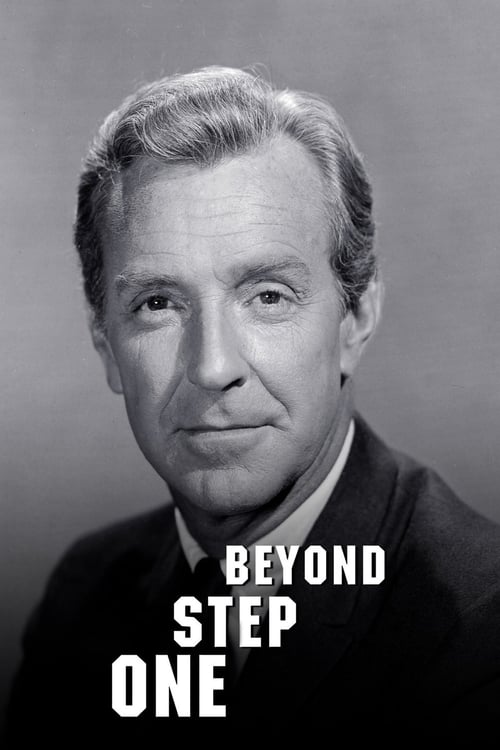
9. One Step Beyond
Before The Twilight Zone really hit its stride, there was One Step Beyond. John Newland, the host, told tales of the supernatural and unexplained, always claiming they were based on real accounts. It was less fantasy, more eerie possibility, presented with a sober, documentary-like tone in black and white. Many of its stories were genuinely unsettling, exploring premonitions, ghosts, and psychic phenomena. It tapped into a primal fear of the unknown, quite effectively, too.
10 / 10
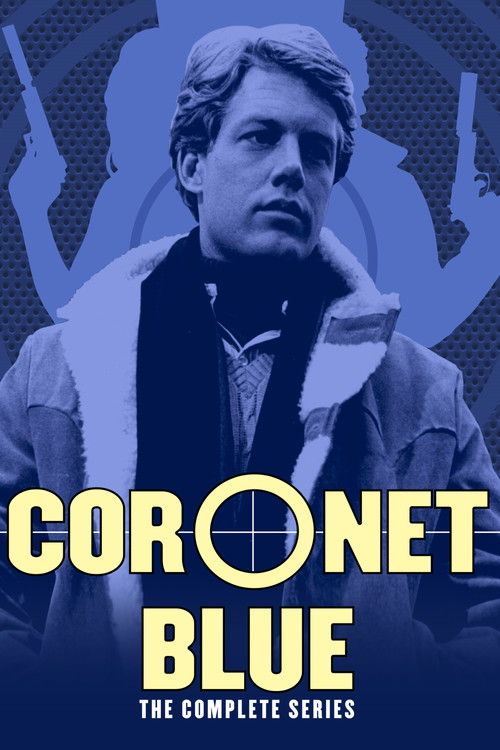
10. Coronet Blue
Talk about a cliffhanger! This one had a man, stripped of his memory, searching for his identity, with the only clue being the phrase "Coronet Blue." It was a serialized mystery, a really bold move for the time, where every episode built on the last. But then, it was cancelled mid-run, leaving everyone hanging. A prime example of early network interference, leaving a generation of viewers without answers. It was a bold experiment in long-form storytelling, cut tragically short.