
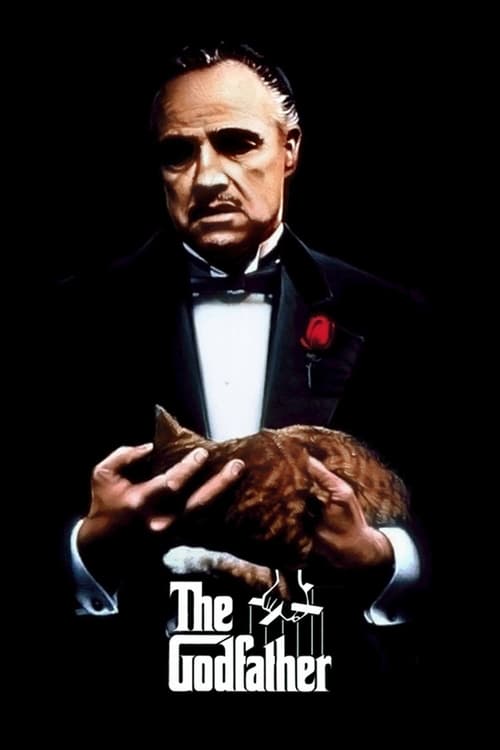
1. The Godfather
Francis Ford Coppola's masterpiece fundamentally redefined the gangster genre, elevating it to Shakespearean tragedy. Its meticulous character development, profound exploration of family, power, and American capitalism, alongside Gordon Willis's revolutionary cinematography, established a new benchmark for cinematic storytelling. The film's influence on narrative structure and character depth is undeniable, reflecting a complex, morally ambiguous society. It cemented the auteur's vision as paramount.
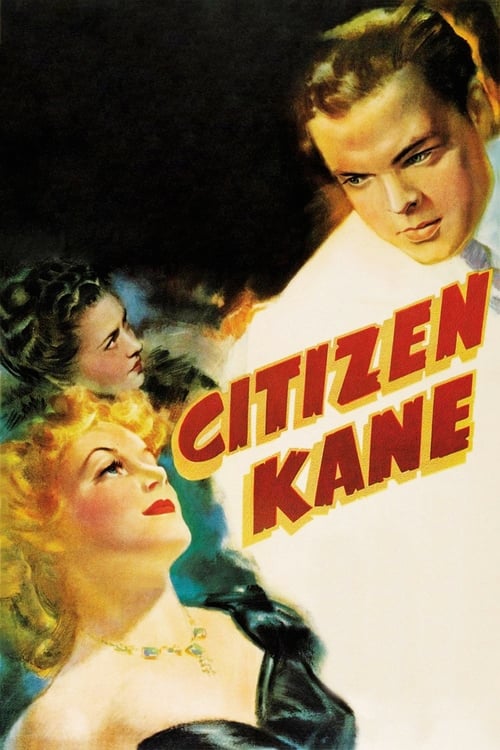
2. Citizen Kane
Orson Welles's debut remains a foundational text in film studies, not merely for its non-linear narrative and deep-focus cinematography, but for its audacious formal experimentation. It challenged conventional storytelling, using innovative techniques like overlapping dialogue and ceiling sets to craft a sprawling, enigmatic portrait of ambition and solitude. This film demonstrated cinema's capacity for psychological depth and structural complexity, forever altering how filmmakers approached narrative and visual design.

3. Seven Samurai
Akira Kurosawa's epic stands as a global testament to cinematic craft and influence. Its sprawling narrative about villagers hiring ronin for protection codified the "gathering the team" trope, inspiring countless action and adventure films across cultures. Beyond its thrilling action and compelling characters, Kurosawa's dynamic camerawork and emphasis on human resilience amidst chaos shaped narrative pacing and visual storytelling for generations, proving cinema's universal appeal.
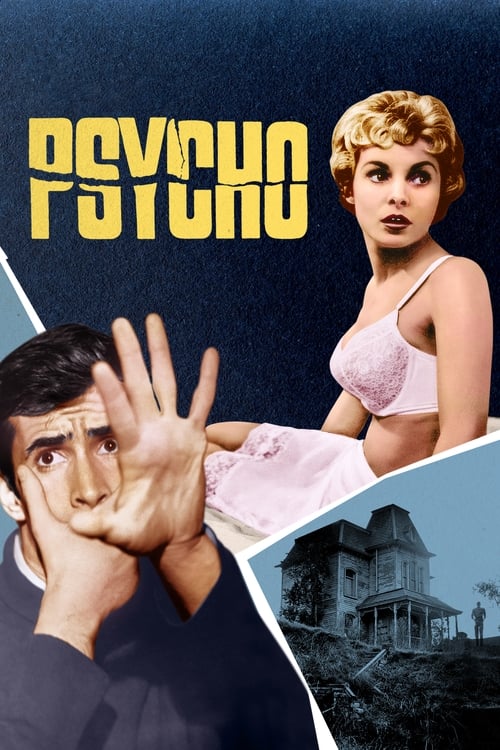
4. Psycho
Alfred Hitchcock, the master of suspense, shattered narrative conventions and audience expectations with this film. Its infamous shower scene, a brutal, shocking act occurring early in the story, redefined character agency and narrative structure. Hitchcock's audacious manipulation of audience identification and his pioneering use of Bernard Herrmann's dissonant score created a visceral, psychological horror experience that permanently etched itself into the cinematic lexicon, proving the power of suggestion and subversion.
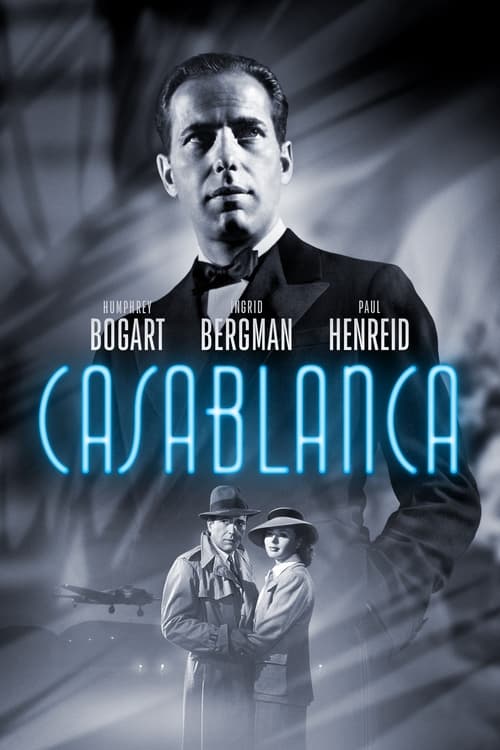
5. Casablanca
More than just a wartime romance, Casablanca is a masterclass in screenwriting and character archetypes, a timeless piece of Hollywood's Golden Age. Its sharp dialogue, morally complex characters, and the palpable tension of wartime choices resonate profoundly. The film’s ability to weave together romance, sacrifice, and political intrigue against a backdrop of global conflict reflects societal anxieties, while its enduring popularity underscores the potency of classic storytelling and charismatic performances.
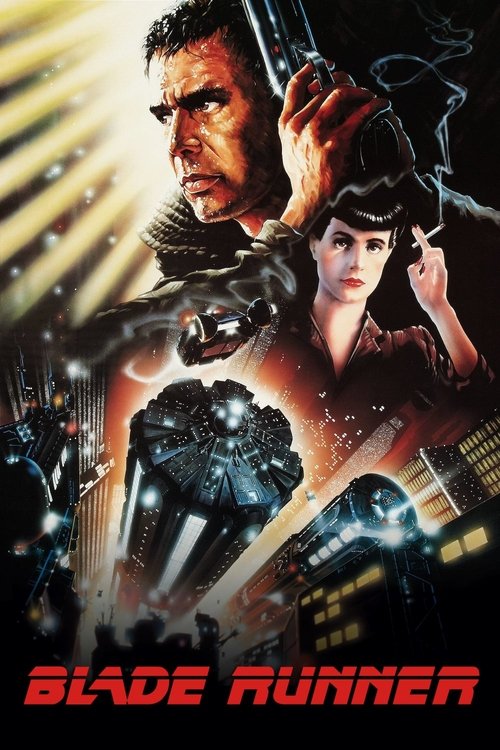
6. Blade Runner
Ridley Scott's dystopian vision transcended mere science fiction, crafting a meditation on humanity, identity, and artificial intelligence. Its neo-noir aesthetic, Vangelis's haunting score, and dense, rain-soaked urban landscapes created an immersive, influential world. The film posed existential questions about what it means to be human in a technologically advanced society, inspiring countless subsequent works in its genre and solidifying the potential for sci-fi to explore profound philosophical themes.
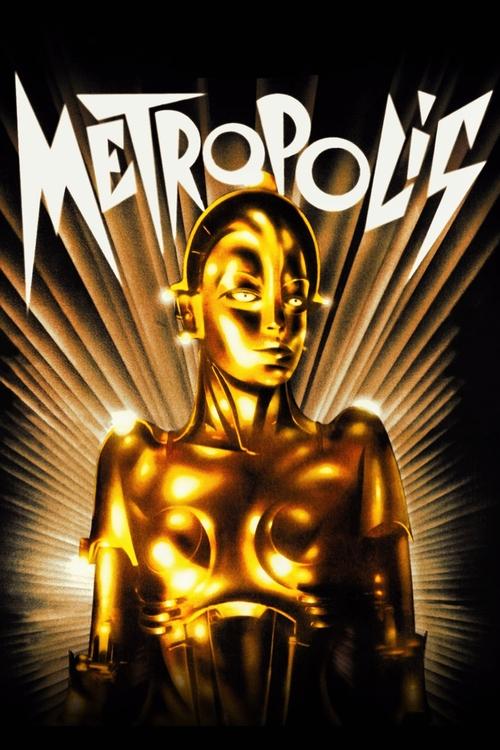
7. Metropolis
Fritz Lang's monumental silent film is a foundational work of science fiction and expressionist cinema. Its visionary depiction of a stratified future city, with its stark class divides and iconic robotic antagonist, set the blueprint for dystopian narratives. The film’s breathtaking architectural designs and allegorical social commentary demonstrated cinema’s power to construct elaborate worlds and reflect societal anxieties, proving that visual spectacle could carry profound meaning.
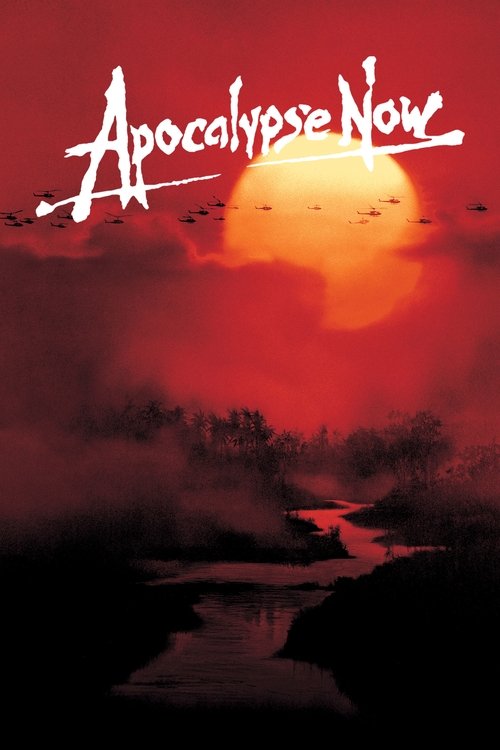
8. Apocalypse Now
Francis Ford Coppola’s hallucinatory journey into the heart of darkness pushed the boundaries of war cinema. Its surreal, psychologically intense portrayal of the Vietnam War, coupled with its operatic scale and ambiguous morality, redefined the genre. Coppola’s relentless pursuit of an immersive, visceral experience, often at immense personal cost, showcased the auteur's struggle and triumph, leaving an indelible mark on how conflict and madness are depicted onscreen.
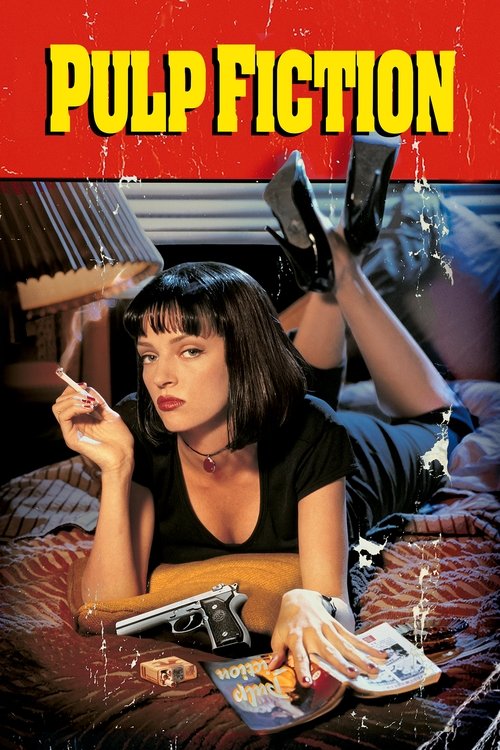
9. Pulp Fiction
Quentin Tarantino's non-linear, hyper-stylized narrative blew apart conventional storytelling structures. Its audacious dialogue, eclectic soundtrack, and interwoven crime stories created a cultural phenomenon. Tarantino’s postmodern approach, replete with pop culture references and self-aware irony, revitalized independent cinema and demonstrated that narrative can be fractured, playful, and deeply engaging while still exploring complex themes of redemption and consequence, cementing his unique directorial voice.
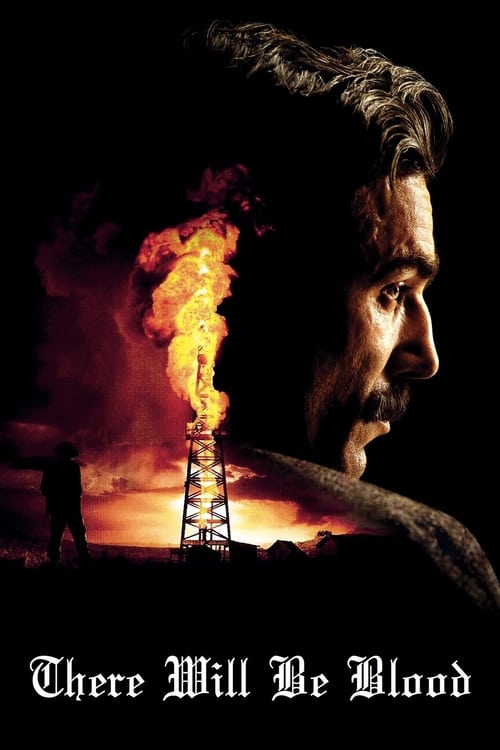
10. There Will Be Blood
Paul Thomas Anderson's epic, a stark portrait of greed and American ambition, is a triumph of character study and atmospheric filmmaking. Daniel Day-Lewis's transformative performance, combined with Jonny Greenwood's unsettling score and Robert Elswit's magnificent cinematography, created a deeply unsettling, yet captivating, cinematic experience. It solidified Anderson’s reputation as a modern auteur capable of crafting grand, morally complex narratives with profound historical and social resonance.