

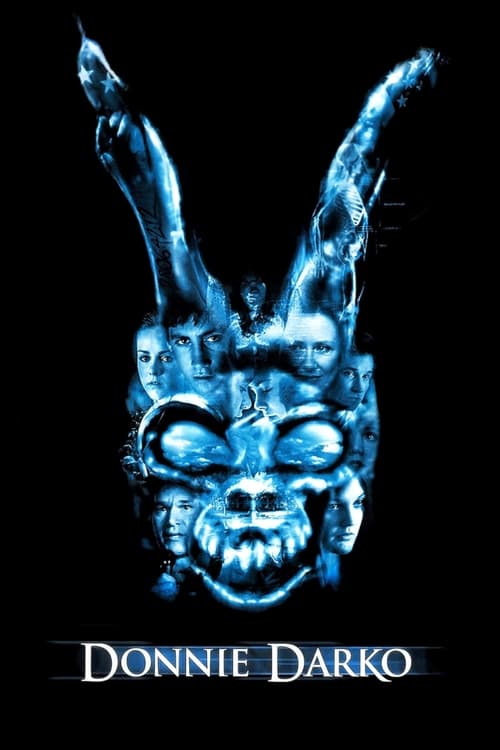
1. Donnie Darko
The Coen Brothers, true auteurs, distilled a slacker philosophy into cinematic gold with *The Big Lebowski*. Initially met with a mixed reception, its intricate, absurdist plot and unforgettable characters – particularly Jeff Bridges' "The Dude" – have cultivated a devoted following. It's a testament to how idiosyncratic storytelling, unafraid to challenge conventional narrative structures, can transcend initial commercial performance to become a cultural touchstone, a reflection of a certain counter-cultural spirit.
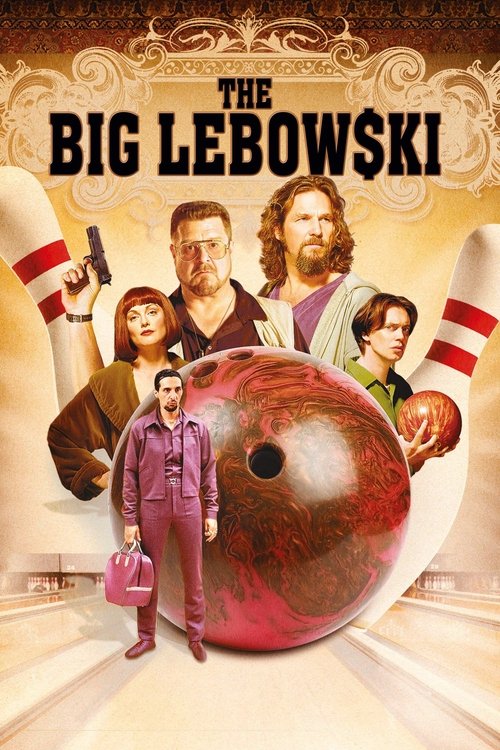
2. The Big Lebowski
David Fincher’s *Fight Club*, an adaptation of Chuck Palahniuk’s novel, arrived in 1999 as a visceral commentary on consumerism and masculinity in crisis. Its audacious narrative twists and provocative themes initially polarized critics and audiences. Yet, its enduring power lies in its unflinching examination of societal malaise and identity, demonstrating how a film can spark intense debate and foster a dedicated cult following by daring to be subversive and intellectually challenging.

3. Fight Club
Ridley Scott’s *Blade Runner* wasn't an immediate box office success in 1982, yet its prescient vision of a dystopian, neon-soaked future redefined science fiction cinema. Its influence on visual aesthetics and thematic explorations of humanity, artificial intelligence, and memory is immeasurable. The film’s slow-burn narrative and philosophical depth, initially bewildering to some, gradually established it as a cornerstone of the genre, proving that a film's true impact often unfolds over decades.
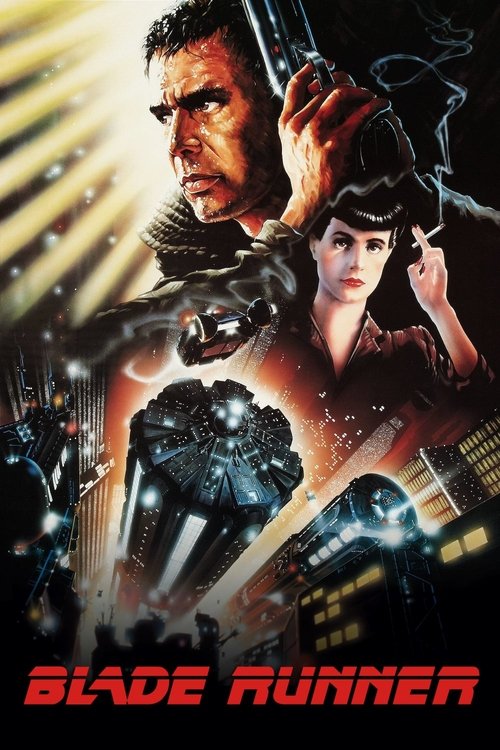
4. Blade Runner
Mike Judge's *Office Space* initially struggled at the box office, yet its satirical portrayal of soul-crushing corporate life struck a chord that deepened over time. Through sharp comedic timing and relatable characters trapped in mundane drudgery, the film meticulously dissects the absurdity of cubicle culture. It’s a brilliant example of how a film, largely ignored upon release, can achieve cult status by perfectly capturing a specific societal frustration, becoming a beloved touchstone for the disillusioned workforce.

5. Office Space
Quentin Tarantino’s *Pulp Fiction* exploded onto the scene in 1994, not just winning the Palme d'Or but fundamentally altering independent cinema. Its non-linear narrative, sharp dialogue, and stylish violence were groundbreaking, showcasing a director with an unparalleled command of cinematic language and genre deconstruction. This film proved that a bold, idiosyncratic vision, executed with meticulous craft, could achieve both critical acclaim and massive cultural impact, redefining what mainstream success could look like.
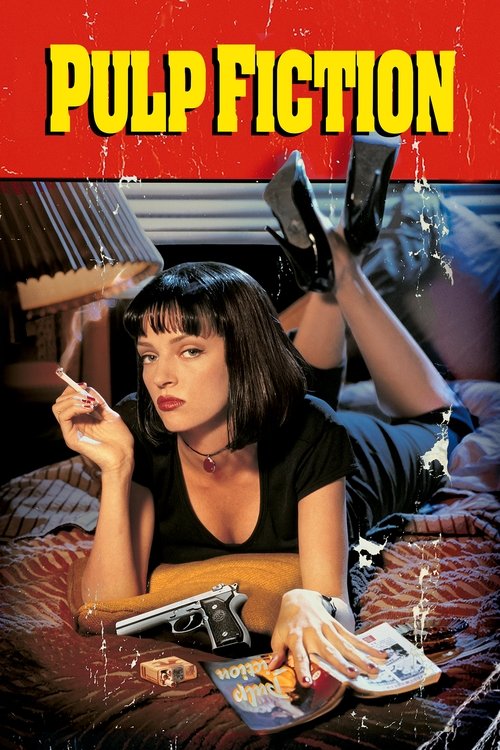
6. Pulp Fiction
Michel Gondry and Charlie Kaufman crafted *Eternal Sunshine of the Spotless Mind*, a profound exploration of memory, love, and heartbreak, which transcended its initial indie status to become a modern classic. Its innovative visual storytelling and intricate narrative structure delve into the human psyche with remarkable sensitivity and surreal beauty. The film's unique approach to a universal experience demonstrated that emotional depth and intellectual ambition can coalesce into a deeply resonant and unforgettable cinematic journey.

7. Eternal Sunshine of the Spotless Mind
Frank Darabont’s *The Shawshank Redemption*, despite its current revered status, was not a box office hit upon its 1994 release. Its slow-burn narrative, focusing on hope and perseverance within the confines of prison, gradually captivated audiences through home video and television airings. The film's profound emotional core, coupled with powerful performances, solidified its place as a timeless tale of human resilience, proving that true cinematic greatness can be a gradual, organic discovery, not an instant sensation.
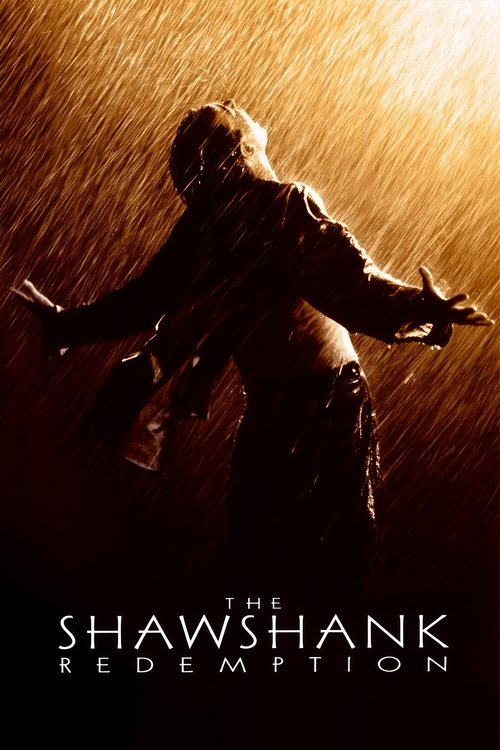
8. The Shawshank Redemption
Rob Reiner’s *The Princess Bride* arrived in 1987 as a delightful, self-aware fairy tale, initially performing modestly at the box office. Yet, its ingenious blend of romance, adventure, and witty dialogue, coupled with unforgettable characters, quickly garnered a passionate cult following. It masterfully deconstructed and celebrated genre tropes simultaneously, proving that a film can achieve enduring popularity and cultural adoration not through massive budgets, but through sheer charm, cleverness, and quotable brilliance.
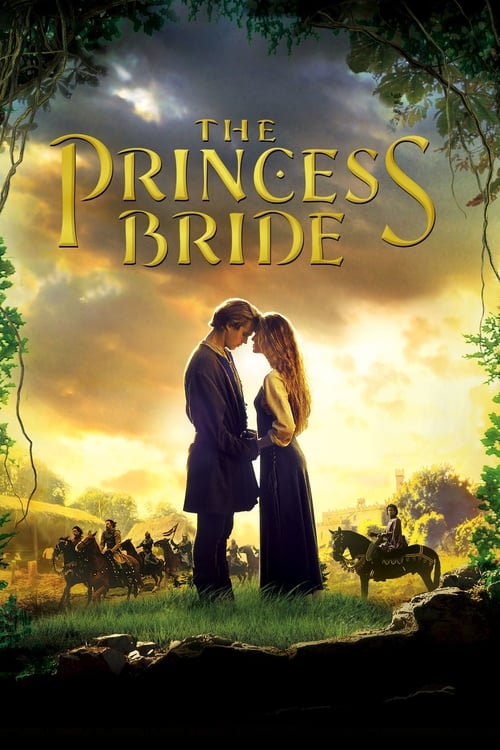
9. The Princess Bride
Wes Anderson's distinctive aesthetic and auteurial voice first truly crystallized in *Rushmore*. This quirky coming-of-age story, with its meticulously framed shots and deadpan humor, initially found a niche audience but quickly established Anderson as a singular talent. It showcased how a director’s unique vision, even when departing from conventional Hollywood storytelling, can cultivate a dedicated following and influence an entire generation of filmmakers, cementing a legacy built on originality and precise craftsmanship.