

1. Possession
Żuławski’s feverish exploration of marital disintegration, set against the backdrop of Cold War Berlin, remains an unparalleled exercise in cinematic extremity. It is a visceral, almost unbearable descent into psychological and physical horror, where the external chaos mirrors an internal, monstrous unraveling. Isabelle Adjani’s legendary performance transcends mere acting, embodying a raw, primal scream against a world gone utterly mad. This film doesn't just challenge perception; it shatters it.
2. Come and See
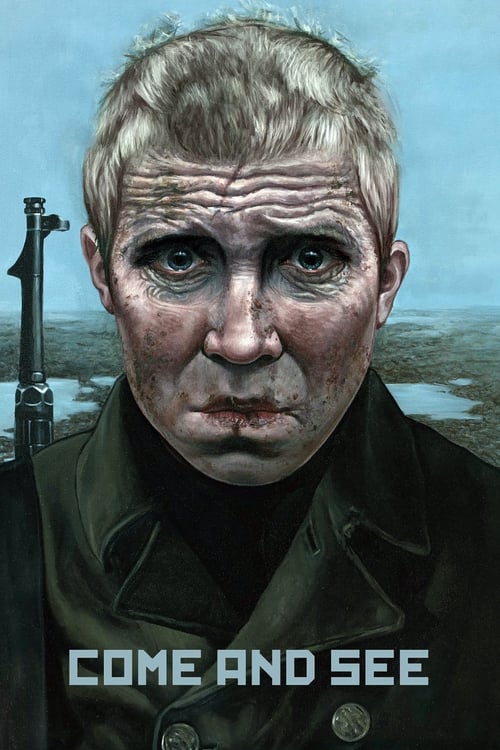
Elem Klimov’s unflinching portrayal of WWII’s Eastern Front is less a war film and more a devastating psychological journey. Seen through the eyes of a young boy, Flyora, it strips away any romanticism of conflict, presenting humanity’s capacity for cruelty with brutal, documentary-like realism. The film's lasting power comes from its relentless immersion, leaving the viewer irrevocably altered by its harrowing vision of historical trauma.

3. Valerie and Her Week of Wonders
This Czech New Wave gem is a dreamlike, erotic fairy tale, an impressionistic journey into a young girl's burgeoning sexuality and the phantasmagoria of adolescence. Jaromil Jireš crafts a world steeped in surreal beauty and subtle menace, where vampires and priests intertwine with nascent desire. Its narrative logic is purely associative, inviting viewers to surrender to its hypnotic, symbolic tapestry.
4. Threads
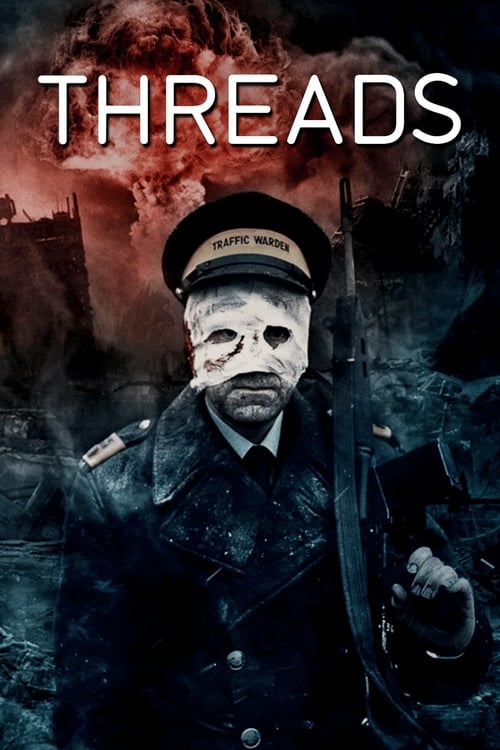
Few films convey the sheer, unremitting horror of nuclear war with the chilling verisimilitude of *Threads*. This BBC docudrama posits a nuclear strike on Sheffield, then unflinchingly depicts the catastrophic societal breakdown, the slow, agonizing death of civilization, and the subsequent desolation. It’s a stark, almost clinically detached vision of apocalypse, designed not to entertain, but to profoundly disturb and warn.
5. Koyaanisqatsi
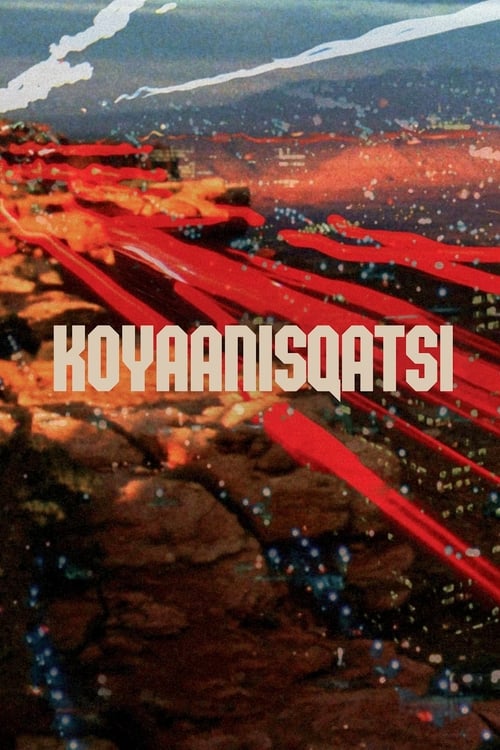
Godfrey Reggio’s non-narrative masterpiece, paired with Philip Glass’s iconic score, is a hypnotic meditation on technology, nature, and humanity’s impact on the planet. Through stunning time-lapse and slow-motion cinematography, it presents a wordless, symphonic critique of modern life, urging viewers to perceive the world's rhythms and imbalances anew. It’s an experience that bypasses conventional storytelling, speaking directly to the subconscious.
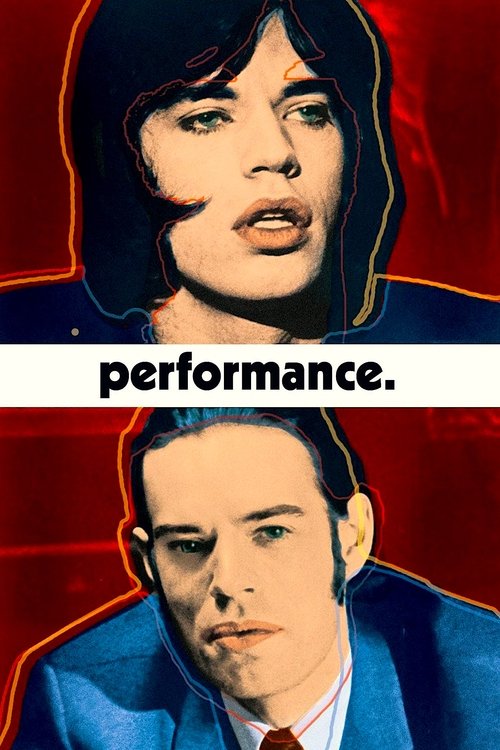
6. Performance
Nicolas Roeg and Donald Cammell’s dizzying plunge into London’s counter-culture underworld is a kaleidoscopic examination of identity and dissolution. As a gangster hides out with a reclusive rock star, their realities begin to merge in a psychedelic haze of gender fluidity, violence, and self-discovery. This film is less a linear narrative and more a fragmented, avant-garde exploration of performance, perception, and persona.

7. Wake in Fright
Ted Kotcheff’s sun-baked, suffocating descent into the Australian outback is a visceral masterclass in psychological horror. A disillusioned schoolteacher's brief stopover in a remote mining town devolves into a nightmarish ordeal of toxic masculinity, excessive drinking, and brutal kangaroo hunts. The film peels back the veneer of civility, revealing a primal, often horrifying, underbelly of Australian identity and isolation.
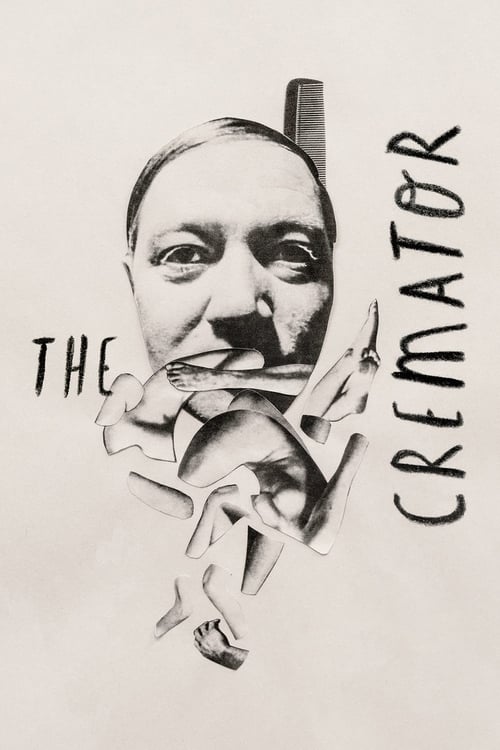
8. The Cremator
Juraj Herz’s chilling black comedy from the Czech New Wave explores the insidious nature of evil through the escalating megalomania of a crematorium manager. As World War II looms, his fascination with death and cremation morphs into a horrifying embrace of totalitarian ideology. Its macabre humor and expressionistic visuals create a uniquely unsettling atmosphere, a dark allegory for humanity’s darkest chapters.
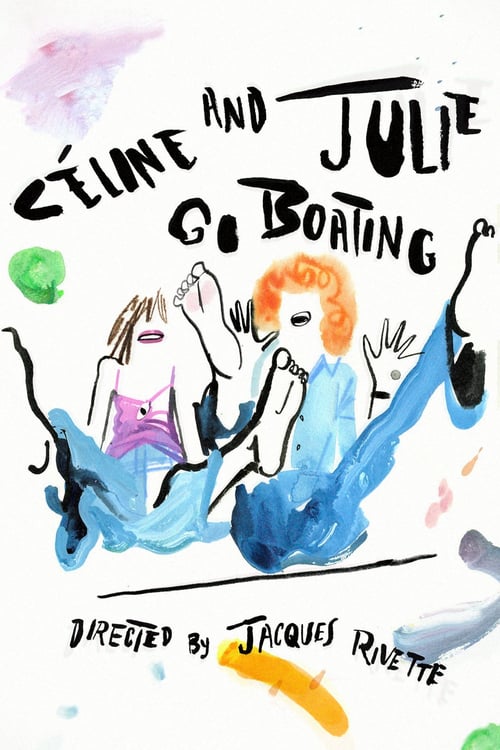
9. Céline and Julie Go Boating
Jacques Rivette's playful, meandering epic is a celebration of storytelling, female friendship, and the blurring lines between reality and fiction. Two women, one a magician, the other a librarian, stumble into a mysterious, recurring domestic drama, becoming active participants in its unraveling. It’s a meta-cinematic delight, inviting the audience to surrender to its imaginative, improvisational spirit.

10. Tetsuo: The Iron Man
Shinya Tsukamoto’s industrial fever dream is a relentless, visceral assault of body horror and cyberpunk aesthetics. A salaryman’s transformation into a grotesque metal-human hybrid is depicted with raw, black-and-white intensity, pushing the boundaries of independent filmmaking. This cult classic is a primal scream against urban alienation and technological obsession, an unforgettable, metallic nightmare.