


1. Cross Road Blues
Johnson's 1936 recording, a raw, almost spiritual howl, laid bare the very bones of the delta blues. You hear the singular guitar, the plaintive vocal, and it's not just a song; it's a primal scream from the heart of the American South. This track, steeped in myth and a touch of the infernal, became the blueprint for rock and roll's earliest impulses, a direct conduit from the crossroads to the juke joint, still vibrating with that initial shock.
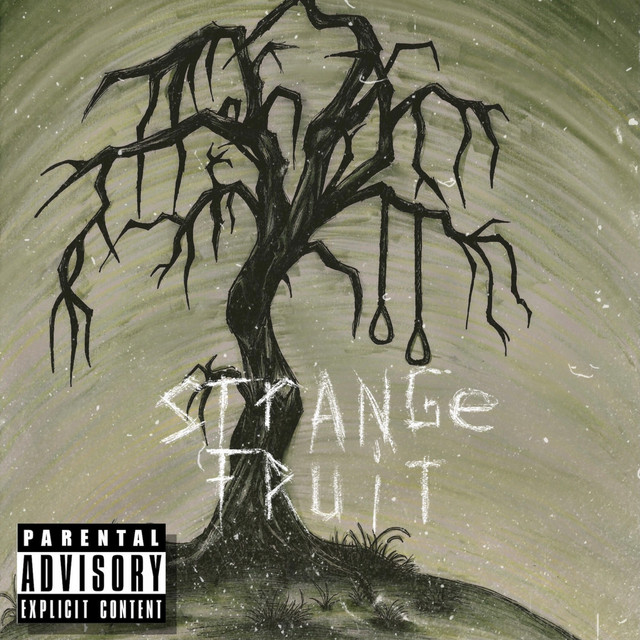
2. Strange Fruit
Billie's 1939 rendition wasn't just a song; it was a devastating cinematic punch to the gut, a stark, unflinching portrait of American barbarity. Her voice, thin and fragile yet imbued with an almost unbearable weight, turned Abel Meeropol's poem into an incandescent moment of protest. This track, built on a sparse, haunting arrangement, stands as a foundational piece of social commentary, a jazz-borne lament that still echoes with chilling resonance, refusing to be forgotten.
3. Rocket 88
Now, this 1951 slab of R&B, often cited as a contender for the first rock and roll record, just screams raw energy. You've got Ike Turner's distorted guitar – accidental or intentional, who cares? – and that driving rhythm, a boogie-woogie gone electric. It’s got that greasy, honking sax, too. This wasn't polished; it was a juke joint busting open, a clear shot across the bow for what was coming down the pike, a true progenitor.

4. Rumble (Music from the Motion Picture)
Link Wray's '58 instrumental, a defiant snarl of distorted guitar, wasn't just music; it was a warning. Banned in some places for fear it'd incite juvenile delinquency, its raw, menacing tone practically invented the power chord. No vocals needed, just that guttural, feedback-laden growl that spoke volumes. It's the sound of switchblades and leather jackets, a blueprint for every garage band and punk rocker who ever dared to make noise, pure attitude.
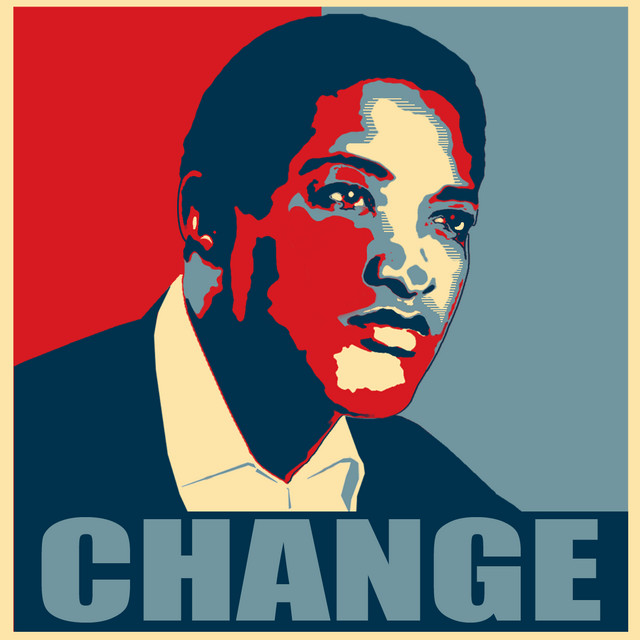
5. A Change Is Gonna Come
Cooke’s 1964 masterpiece, born from personal struggle and the civil rights movement, is gospel conviction filtered through a soul singer's ache. His voice, a velvet-lined instrument of profound emotion, delivers a message of weary hope and steadfast belief. The orchestral swell, the somber horns – it all builds into an anthem that still resonates, a cry for justice wrapped in an undeniable, timeless beauty. It's the sound of a promised land, just out of reach.
6. White Light / White Heat
Lou Reed and the gang's 1968 title track is a glorious, abrasive racket. It’s industrial grind before industrial was a thing, a primitive, driving drone of guitar feedback and propulsive rhythm that just pounds relentlessly. The lyrics, a stark glimpse into amphetamine-fueled nights, are delivered with a detached cool that only amplifies the track’s unsettling power. This wasn't rock and roll; it was a declaration of war on good taste, a blueprint for noise.

7. Anarchy in the U.K. (Acoustic)
Even stripped bare, the '76 sneer of "Anarchy in the U.K." remains a potent Molotov cocktail. You can take away the electric guitars and the drums, but you can't excise the venom, the pure, unadulterated disdain for the establishment. It's a primal scream of disenfranchisement, raw and urgent. That voice, that message – it’s the sound of a generation kicking against the pricks, a blueprint for every band that ever just wanted to smash things, unyielding.
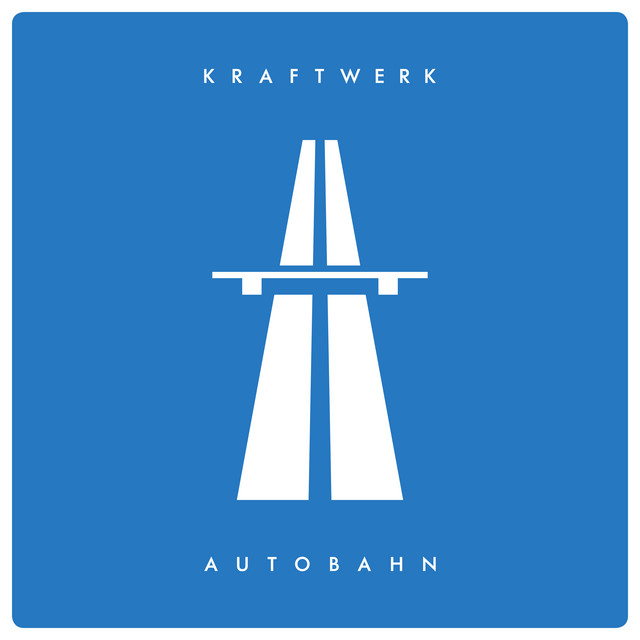
8. Autobahn (2009 Remaster)
Kraftwerk's 1974 epic, here in its remastered clarity, is the sound of the future arriving on chrome wheels. It's minimalist, repetitive, and utterly hypnotic, transforming the mundane act of driving into a transcendental journey. Those synthetic rhythms, those gliding melodies – they laid the groundwork for everything from techno to ambient. This wasn't just music; it was a sonic landscape, a meditation on modernity, built with circuits and a keen ear for atmosphere.

9. She Lost Control
Joy Division's '79 track is a stark, skeletal masterpiece of post-punk anxiety. Ian Curtis's baritone, cold and detached, narrates a descent into isolation, while the thrumming bass and stark, almost industrial percussion create an oppressive atmosphere. It’s not just mood; it’s a fully realized, suffocating world. The angular guitar lines and that relentless, almost mechanical beat cemented their unique, bleak vision, a sound that would echo through the darker corners of the 80s.

10. Blue Monday (Slowed)
New Order’s 1983 behemoth, even at a "slowed" tempo, still vibrates with the blueprint of club culture. The original track's programmed drums, the iconic synth arpeggios, and that deep, insistent bassline were revolutionary, merging post-punk sensibility with nascent electronic dance music. It was a bridge from the gloom of the past to the ecstatic future of the Hacienda, a track so powerful its core groove remains undeniable, regardless of pace.