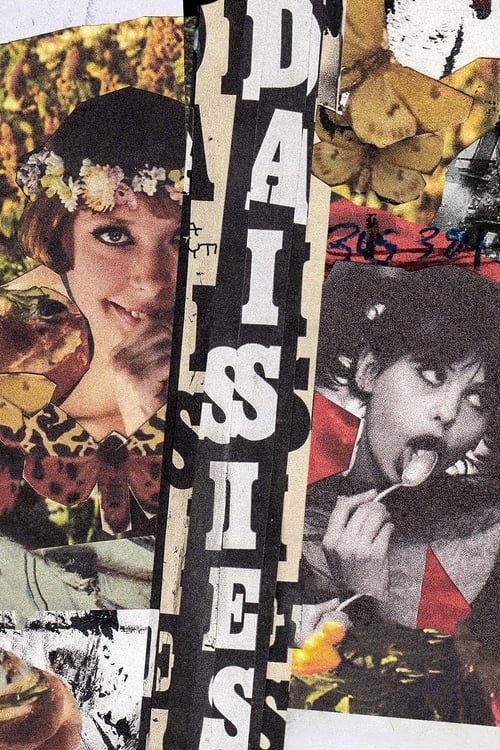
1. Daisies
Věra Chytilová's anarchic Czech New Wave masterpiece, "Daisies," remains a defiant, joyous explosion of anti-establishment sentiment. Two young women, Marie I and Marie II, decide the world is spoiled, so they might as well be too, indulging in a riot of consumption and destruction. This vibrant, visually experimental film, banned upon release, is a potent, playful, and fiercely feminist critique of consumerism and patriarchy, years ahead of its time in its formal audacity and thematic irreverence.
2. The Ascent
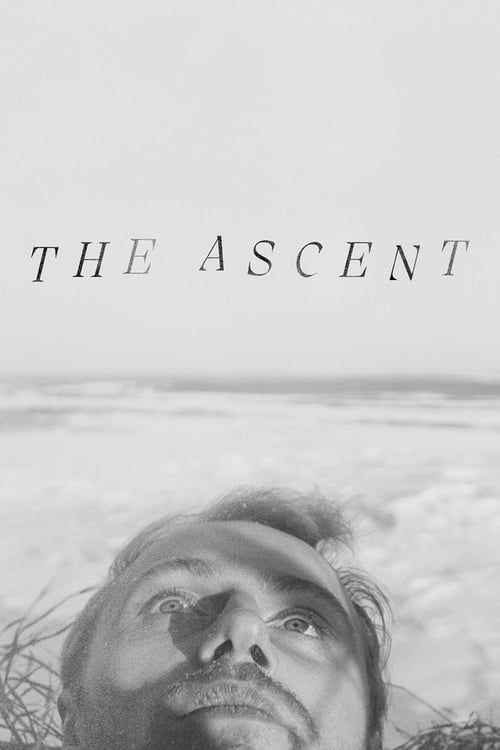
Larisa Shepitko's final film, "The Ascent," is a harrowing, profoundly spiritual journey through the frozen Belarusian landscape of WWII. Following two Soviet partisans captured by the Nazis, it transcends typical war narratives, delving into themes of betrayal, sacrifice, and the ultimate test of human spirit. Shepitko crafts a visually stark and emotionally resonant masterpiece, a testament to moral fortitude in the face of unimaginable suffering, earning its place among cinema's most powerful ethical parables.
3. Wavelength
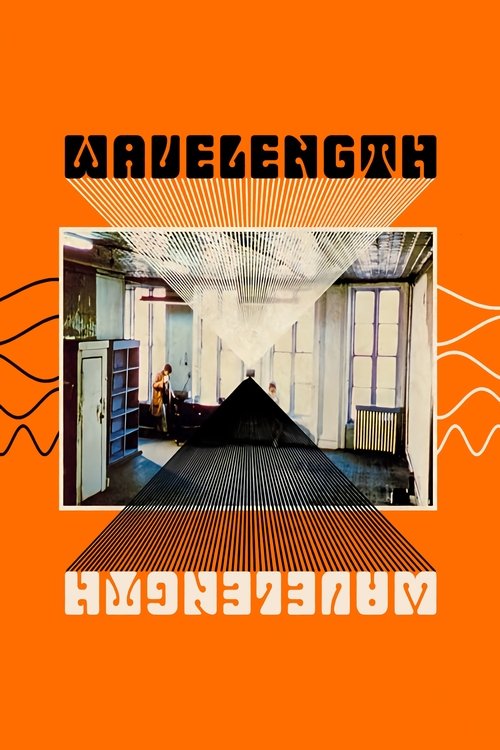
Michael Snow's seminal structuralist film, "Wavelength," is a rigorous and meditative exercise in cinematic form. Over 45 minutes, a single, continuous zoom slowly traverses a New York loft apartment, from a wide shot to a photograph taped on the opposite wall. This avant-garde piece challenges conventional narrative, forcing viewers to confront the act of seeing and the passage of time itself, becoming a profound statement on perception, space, and the very nature of film as a medium.
4. Hour of the Wolf
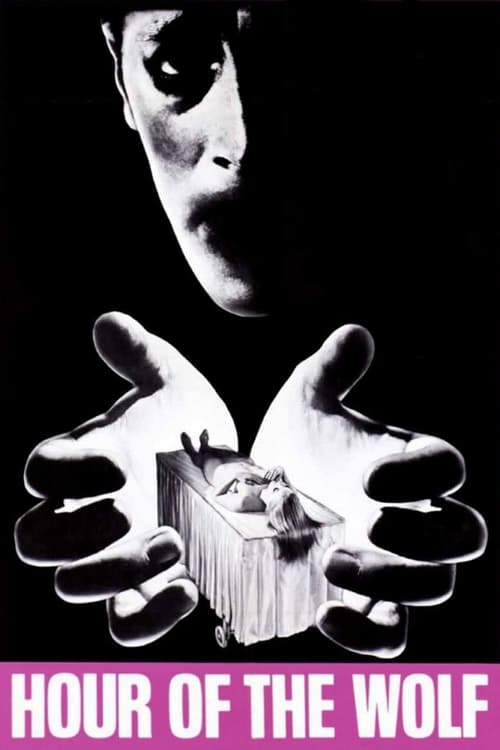
Ingmar Bergman plunges into the abyss of artistic despair and psychological torment with "Hour of the Wolf." This unsettling, dreamlike horror film follows a painter, Johan, as he retreats to a remote island with his pregnant wife, Alma, only to be plagued by nightmarish visions and supernatural encounters. Bergman masterfully blurrs the line between reality and hallucination, exploring the fragility of the artist's mind, marital breakdown, and the suffocating grip of personal demons.
5. A Zed & Two Noughts
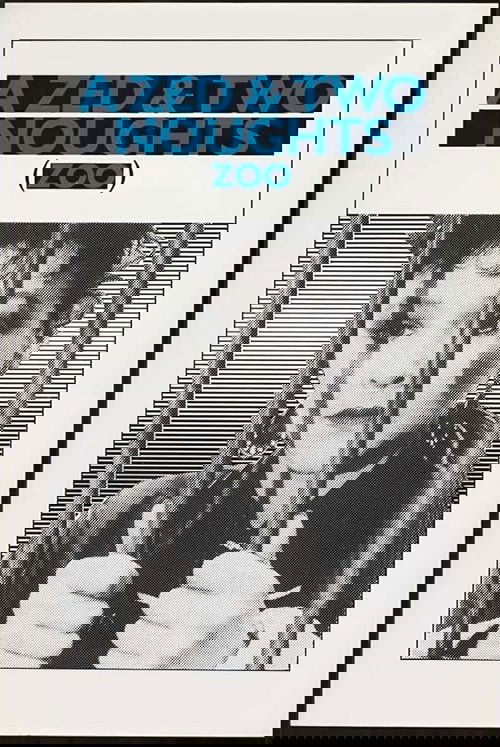
Peter Greenaway's "A Zed & Two Noughts" is a meticulously crafted, darkly baroque exploration of death, decay, and symmetry. Following twin zoologists whose wives die in a bizarre car crash, they become obsessed with documenting decomposition and the nature of life itself. Greenaway's signature visual artistry, filled with elegant compositions and recurring motifs, creates a surreal, intellectual puzzle that is both morbidly fascinating and aesthetically stunning, a true art-house curio.
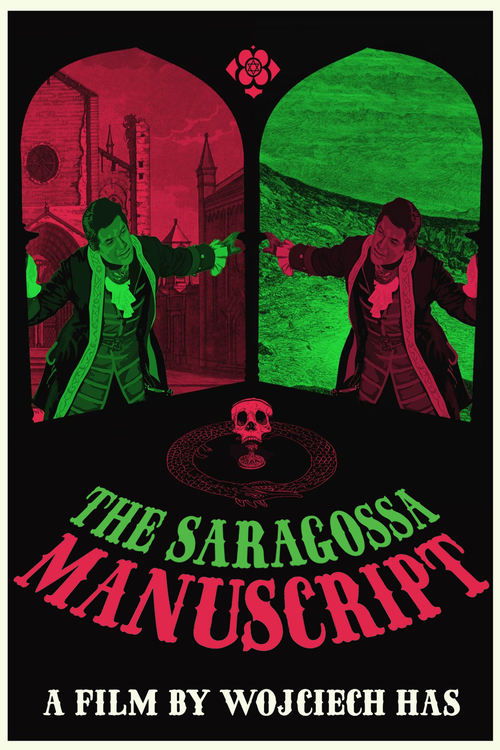
6. The Saragossa Manuscript
Wojciech Has's monumental "The Saragossa Manuscript" is an intoxicating, labyrinthine journey into 18th-century Spanish folklore and philosophy. A young Walloon officer discovers a mysterious manuscript recounting his ancestors' fantastical adventures, leading him through a series of nested stories, supernatural encounters, and philosophical debates. This visually extravagant, endlessly inventive film, a favorite of filmmakers like Buñuel and Lynch, is a rich, dreamlike tapestry that defies easy categorization and rewards multiple viewings.
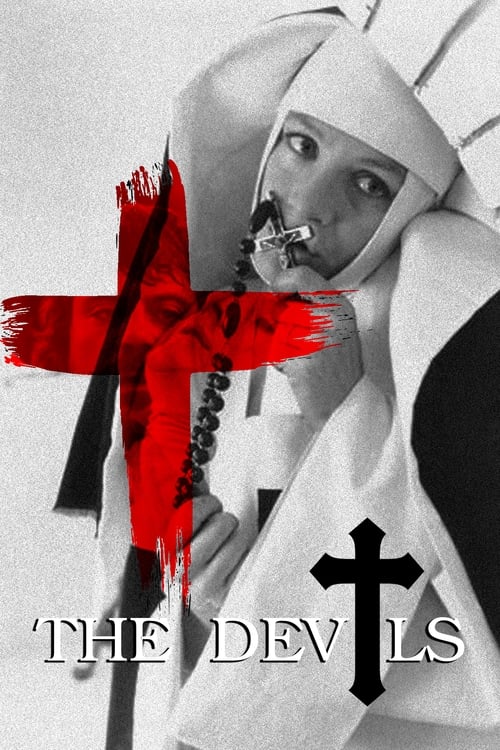
7. The Devils
Ken Russell's "The Devils" is a visceral, incendiary historical drama depicting the infamous 17th-century Loudun possessions. Vanessa Redgrave as a sexually repressed nun and Oliver Reed as a charismatic priest clash amidst religious fanaticism, political intrigue, and mass hysteria. Russell's audacious, often shocking direction, combined with its unflinching portrayal of torture and sexual repression, resulted in significant censorship, yet solidified its status as a powerful, provocative critique of institutional power and human depravity.
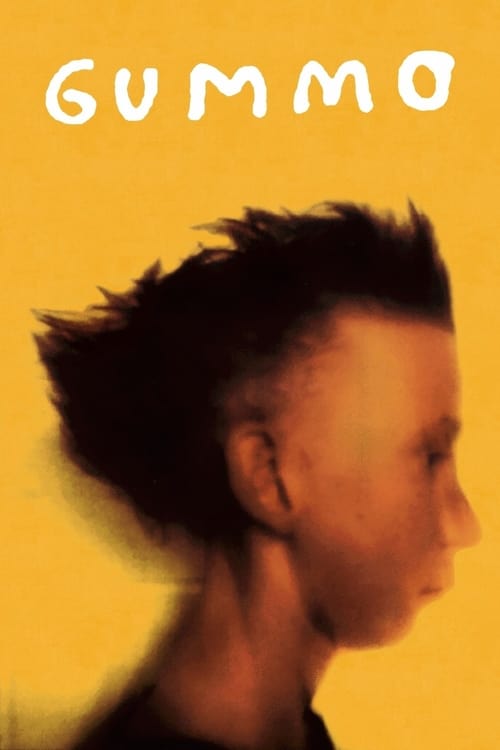
8. Gummo
Harmony Korine's "Gummo" is a raw, unsettling, and poetic portrait of impoverished youth in a small, tornado-ravaged Ohio town. Eschewing traditional narrative, Korine presents a series of vignettes featuring bizarre characters engaged in aimless, often disturbing activities. This controversial, highly experimental film captures a sense of profound alienation and ennui, reflecting a marginalized America rarely seen on screen, challenging viewers with its unflinching, almost ethnographic gaze into societal decay.

9. Belladonna of Sadness
Eiichi Yamamoto's "Belladonna of Sadness" is an astonishing, psychedelic anime masterpiece, a visually audacious feminist fable. When Jeanne is brutally violated on her wedding night, she makes a pact with the devil, gaining immense power and becoming a symbol of rebellion against patriarchal oppression. Its watercolor-infused, art nouveau-inspired animation style, combined with its explicit eroticism and dark themes, makes it a haunting, beautiful, and profoundly unique work, echoing ancient folklore and modern liberation.
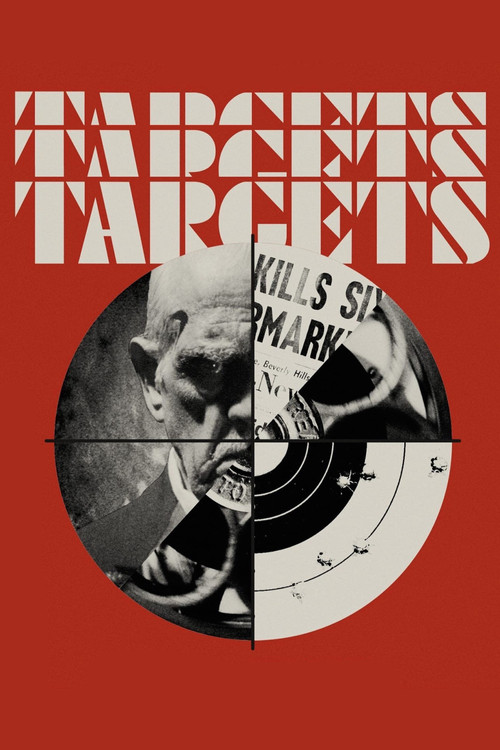
10. Targets
Peter Bogdanovich's directorial debut, "Targets," is a remarkably prescient thriller that bridges classic Hollywood horror with modern violence. Boris Karloff, in his final significant role, plays an aging horror star contemplating retirement, while a seemingly ordinary young man embarks on a random shooting spree. Bogdanovich masterfully juxtaposes these two narratives, crafting a chilling commentary on the shifting landscape of fear in America, where the monsters of fiction are replaced by the horrors of reality.