

1. Sympathy for Mr. Vengeance
Park Chan-wook’s stark introduction to his 'Vengeance Trilogy' dissects the futility of retaliatory cycles. This isn't just a crime thriller; it’s a grim meditation on class disparity, personal loss, and the devastating ripple effects of violence. Park orchestrates a ballet of tragic inevitability, where every desperate act only tightens the noose around its perpetrators, questioning the very concept of justice in a broken world. Its unflinching gaze defined a new era of Korean cinema.
2. Perfect Blue
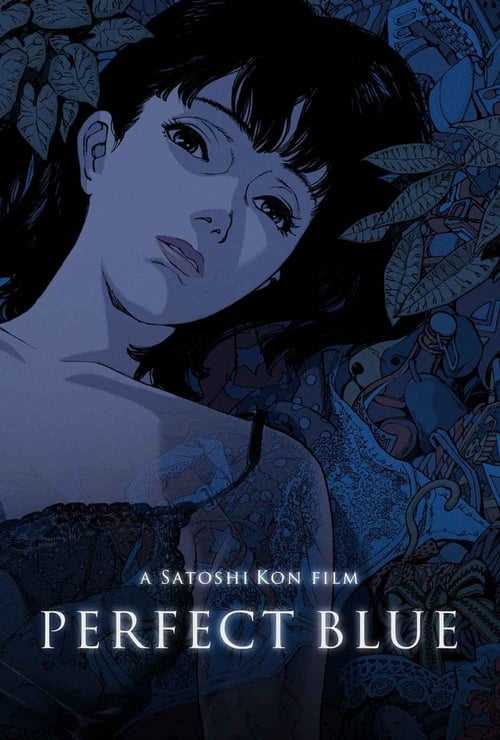
Satoshi Kon's animated masterpiece remains disturbingly prescient, a profound exploration of identity in the digital age. As pop idol Mima grapples with her new acting career, the film blurs lines between reality, performance, and delusion, anticipating internet stalking and celebrity culture's corrosive effects long before their mainstream emergence. Kon's masterful editing and psychological layering make it a seminal work on fragmented selfhood and media consumption.
3. The Vanishing
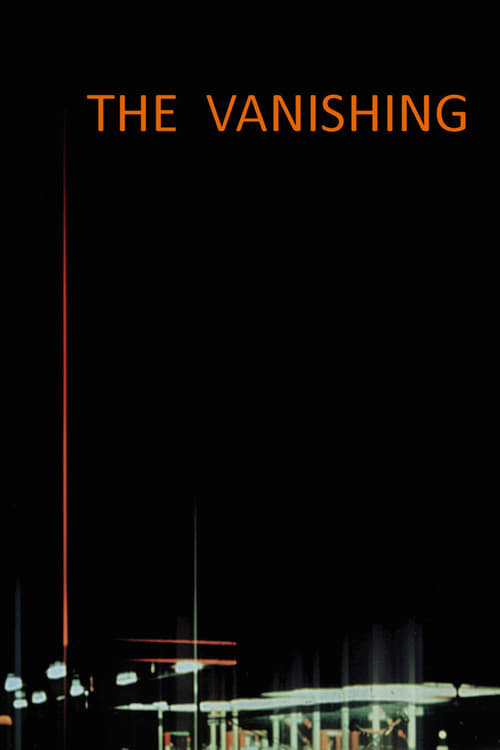
George Sluizer's original Dutch chiller is a masterclass in psychological dread, devoid of cheap thrills. It meticulously builds an unnerving portrait of obsession, as Rex’s relentless search for his disappeared girlfriend leads him into a chilling pact with evil itself. The film’s power lies in its unflinching focus on the human capacity for darkness and the existential horror of confronting the unknown, delivering perhaps one of cinema’s most disturbing conclusions.

4. Possession
Andrzej Żuławski’s fever dream of a film defies easy categorization, a visceral allegory for divorce and societal collapse. Starring Isabelle Adjani in a tour-de-force performance, it plunges into a maelstrom of paranoia, body horror, and Cold War anxieties. The film’s raw emotional intensity, coupled with its grotesque imagery, creates an experience that is both repulsive and captivating, cementing its status as a truly unhinged, auteurist vision.
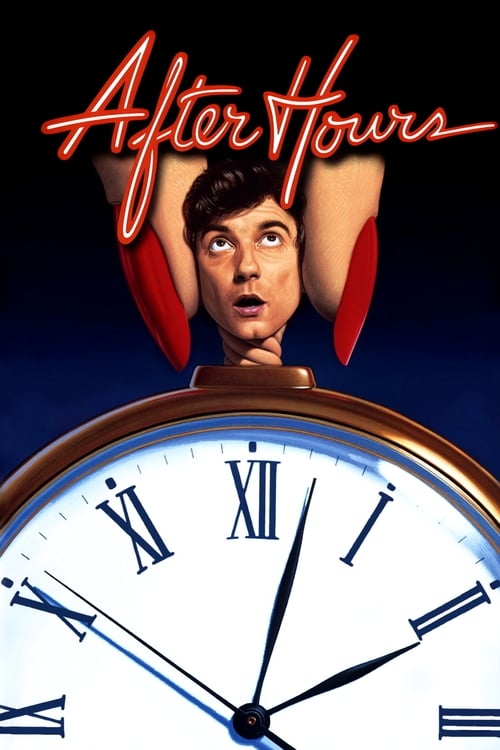
5. After Hours
Martin Scorsese’s foray into surreal, Kafkaesque comedy-thriller territory showcases his versatility beyond epic crime sagas. Paul Hackett’s nightmarish odyssey through downtown Manhattan becomes a darkly comedic, yet deeply unsettling, exploration of urban alienation and systemic absurdity. It's a claustrophobic, escalating descent into a world where logic dissolves, and every encounter pushes our protagonist further into a comedic hellscape of his own making.
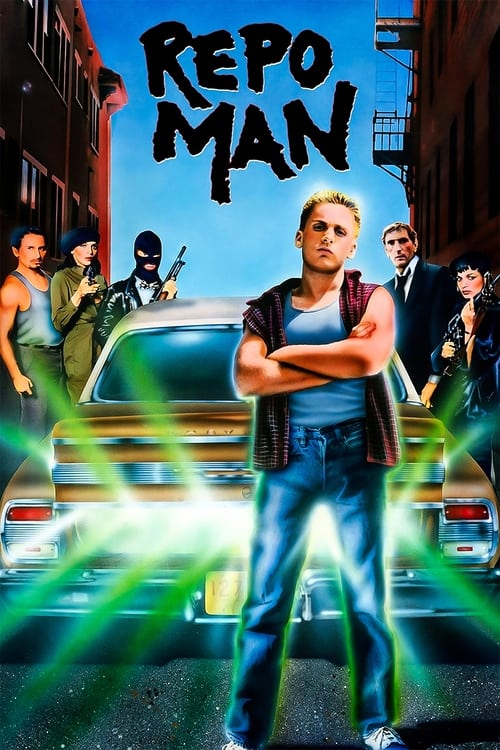
6. Repo Man
Alex Cox's cult classic is a punk rock manifesto disguised as a sci-fi comedy. It’s a blistering, absurdist satire of Reagan-era consumerism, government conspiracy, and the American dream, all wrapped in a wonderfully grimy aesthetic. Otto's initiation into the bizarre world of car repossession, culminating in a mysterious Chevy Malibu, offers a unique blend of nihilism, philosophical ramblings, and sheer, unadulterated cinematic anarchy.
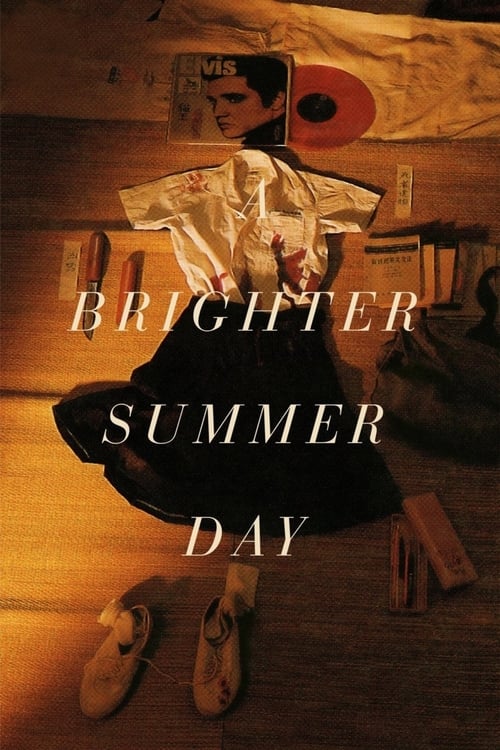
7. A Brighter Summer Day
Edward Yang's monumental Taiwanese epic captures a pivotal moment in history through the eyes of a troubled teenager. Set in 1960s Taipei, amidst the political anxieties and cultural shifts following the Chinese Civil War, it’s a nuanced coming-of-age story interwoven with gang rivalries, family drama, and national identity. Yang masterfully crafts an intimate yet expansive reflection on memory, innocence lost, and societal disillusionment.
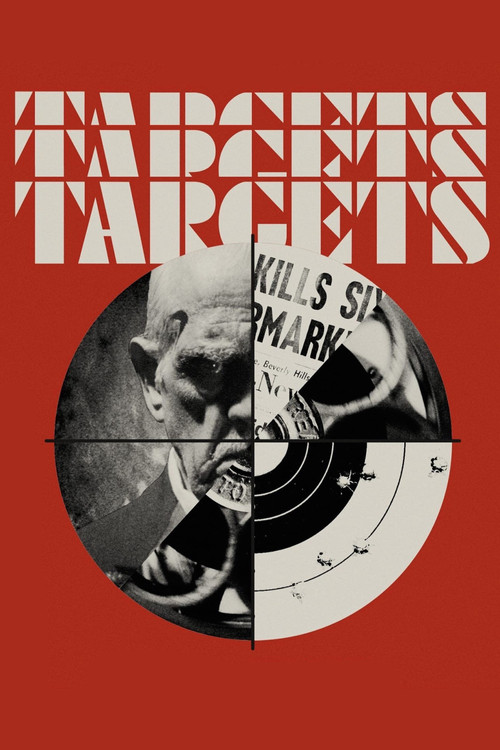
8. Targets
Peter Bogdanovich’s directorial debut is a chilling, prescient examination of violence in America. It deftly juxtaposes an aging horror star, Boris Karloff in his final significant role, with a seemingly ordinary young man who becomes a mass shooter. The film explores the shift from cinematic, theatrical evil to the banal, terrifying reality of modern violence, serving as a profound commentary on societal unease and the nature of fear.
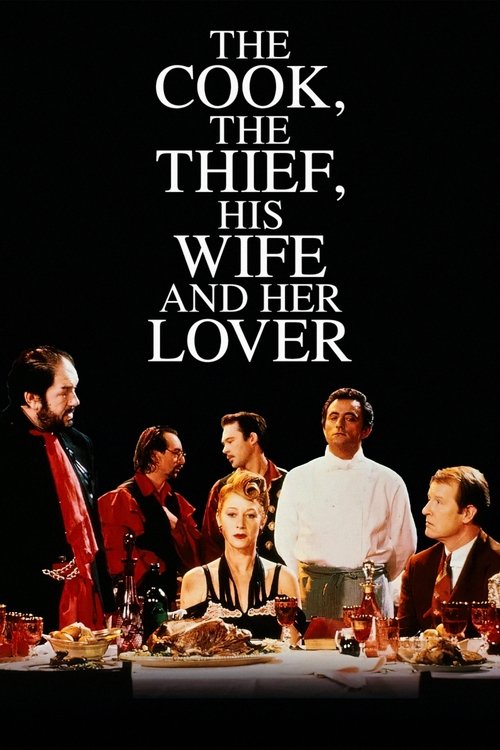
9. The Cook, the Thief, His Wife & Her Lover
Peter Greenaway’s baroque, grotesque spectacle is a visually stunning, stomach-churning allegory for Thatcherite excess and societal decay. Set entirely within a lavish restaurant, it’s a brutal examination of power, consumption, and revenge, painted with exquisite art direction and deliberate, theatrical pacing. The film’s shocking violence and opulent aesthetic create an unforgettable, provocative cinematic experience.
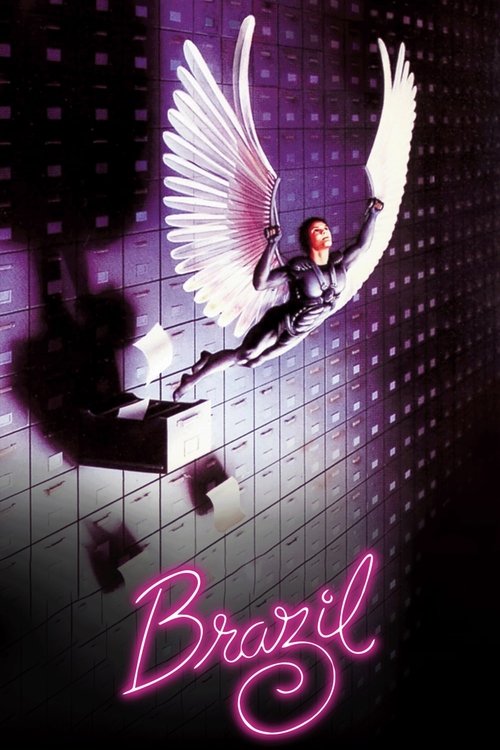
10. Brazil
Terry Gilliam’s dystopian masterpiece is a darkly comedic, visually inventive indictment of bureaucratic inefficiency and authoritarian control. Sam Lowry's escapist fantasies clash with the suffocating reality of a retro-futuristic world, leading to a tragicomic struggle against the system. Gilliam’s singular vision, a blend of Monty Python absurdity and Orwellian dread, offers a timeless, poignant critique of individuality crushed by faceless power.