
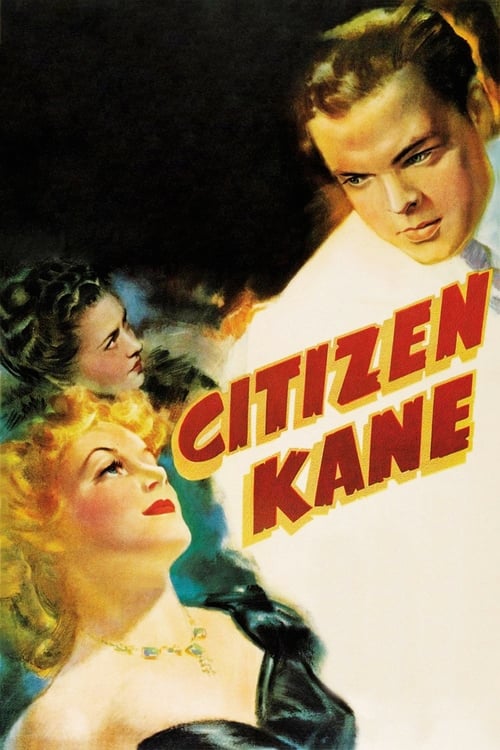
1. Citizen Kane
Welles’ audacious debut redefined cinematic language, fracturing linear narrative and employing deep-focus cinematography to mirror the fractured psyche of its protagonist. His collaborative genius with Toland established visual storytelling benchmarks. And yet, beyond its formal innovations, it remains a poignant meditation on power, isolation, and the elusive nature of memory, reflecting the American dream's often hollow core.
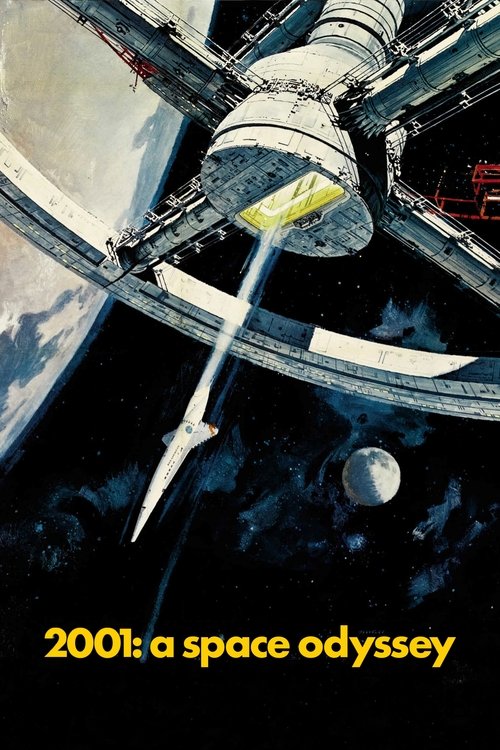
2. 2001: A Space Odyssey
Kubrick, ever the meticulous architect, crafted an odyssey that transcends genre, a philosophical inquiry into evolution, artificial intelligence, and humanity's place in the cosmos. Its breathtaking visual effects, revolutionary sound design, and deliberate pacing invite contemplation rather than passive consumption. And so, it stands as a testament to cinema's capacity for profound, wordless inquiry, forever shaping sci-fi's intellectual ambitions.
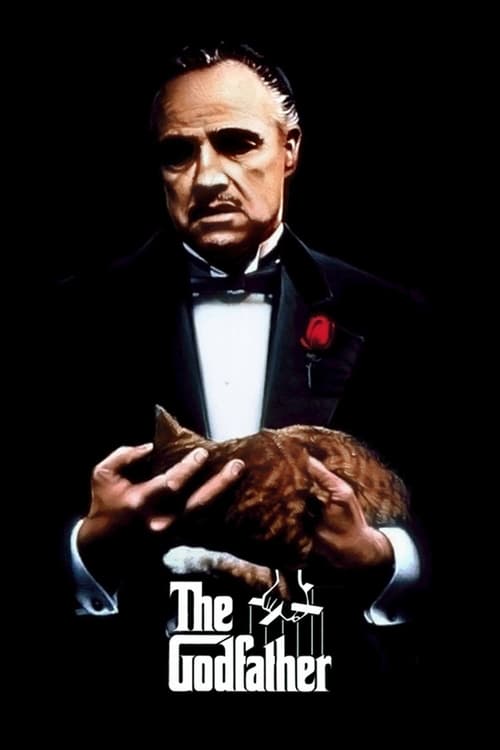
3. The Godfather
Coppola’s sprawling crime epic transmuted the gangster film into Shakespearean tragedy, examining the corrosive nature of power and family loyalty against the backdrop of American capitalism. Brando's iconic performance, Gordon Willis's chiaroscuro cinematography, and Nino Rota's melancholic score coalesce into a work of unparalleled emotional depth. Indeed, it’s a masterclass in character study and world-building, offering a chilling reflection on moral compromise.
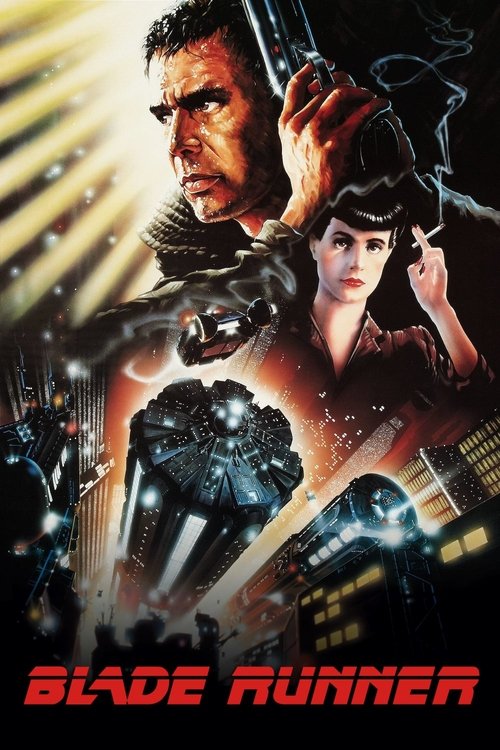
4. Blade Runner
Ridley Scott's neo-noir vision of a dystopian future, with its perpetually rainy, multi-layered Los Angeles, became an aesthetic blueprint for countless subsequent films. Its exploration of identity, artificial life, and what it means to be human—often through Rutger Hauer's poignant performance—resonates deeply. And so, the film's philosophical underpinnings, combined with its groundbreaking visual artistry, ensure its enduring relevance as both a sci-fi landmark and a profound meditation on existence.
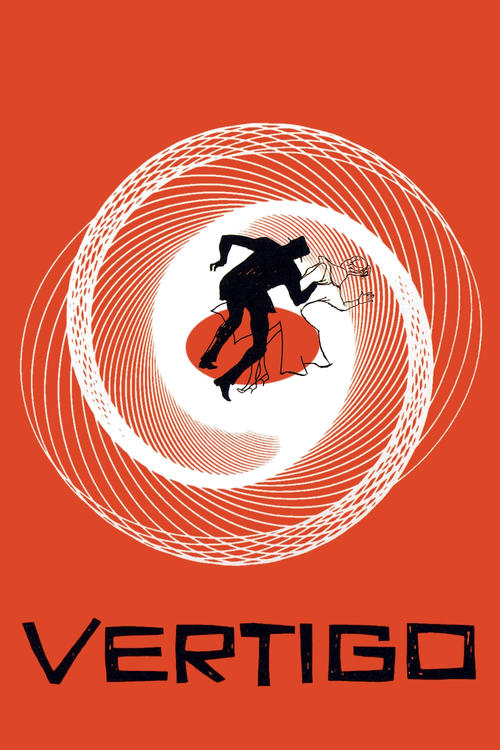
5. Vertigo
Hitchcock's deeply personal and unsettling psychological thriller deconstructs obsession and male gaze, using San Francisco's iconic landscapes as a canvas for Scottie's spiraling delusion. Its innovative use of the dolly zoom and Bernard Herrmann's haunting score amplify the sense of disorienting unreality. Consequently, it’s a masterclass in subjective storytelling, inviting audiences into a protagonist's fractured mind, long considered one of cinema's most complex and enduring statements on desire and artifice.
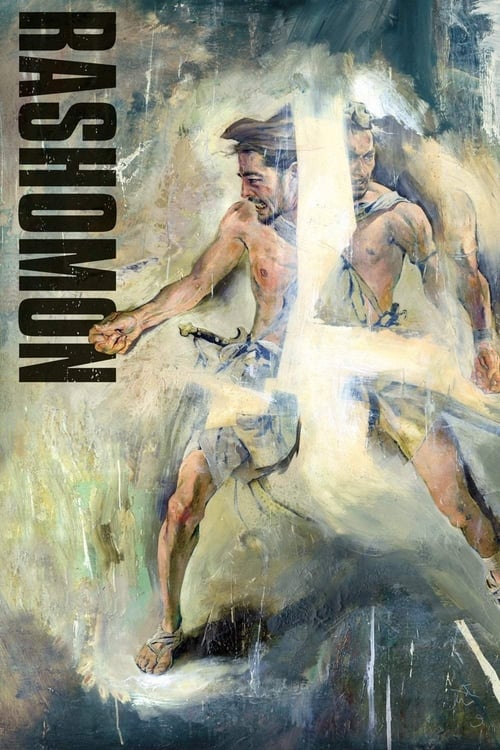
6. Rashomon
Kurosawa’s groundbreaking narrative structure shattered conventional storytelling, presenting a single event through multiple, contradictory perspectives. This film introduced the world to an early form of non-linear narrative, questioning the very nature of truth and subjective experience. And so, its profound philosophical implications, coupled with its dynamic cinematography and compelling performances, ensured its global impact, forever influencing how stories could be told, both in film and beyond.

7. Seven Samurai
Kurosawa's epic masterpiece established the blueprint for countless ensemble action films, yet its power lies in its meticulous character development and profound humanism. The director’s keen eye for social dynamics and the plight of the common person elevates a simple premise into a gripping saga of sacrifice and resilience. Indeed, its influence on global cinema is immeasurable, showcasing how a grand spectacle can also offer intimate, timeless reflections on community and survival.

8. Pulp Fiction
Tarantino’s audacious, non-linear crime mosaic exploded onto the scene, revitalizing independent cinema with its razor-sharp dialogue, pop culture references, and stylish violence. His idiosyncratic narrative structure and genre-bending audacity redefined what was possible for a mainstream film. Consequently, it's not merely a film; it’s a cultural touchstone, a postmodern tapestry that continues to influence filmmakers and conversations about cinematic cool and narrative innovation.
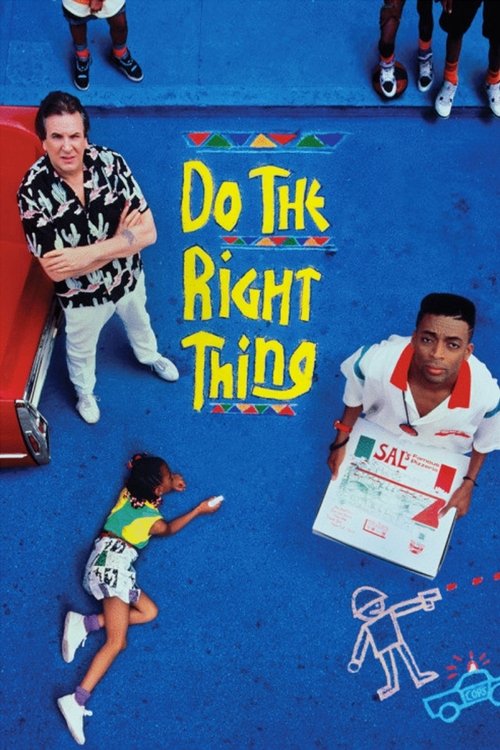
9. Do the Right Thing
Spike Lee's vibrant, incendiary portrait of racial tension on a sweltering Brooklyn day remains as potent and relevant as ever. His masterful use of color, music, and distinct character voices creates an immersive, claustrophobic atmosphere that explodes in a cathartic, yet unresolved, climax. And so, this film is a crucial societal reflection, forcing uncomfortable conversations about prejudice, justice, and the complexities of urban life that resonate across generations.
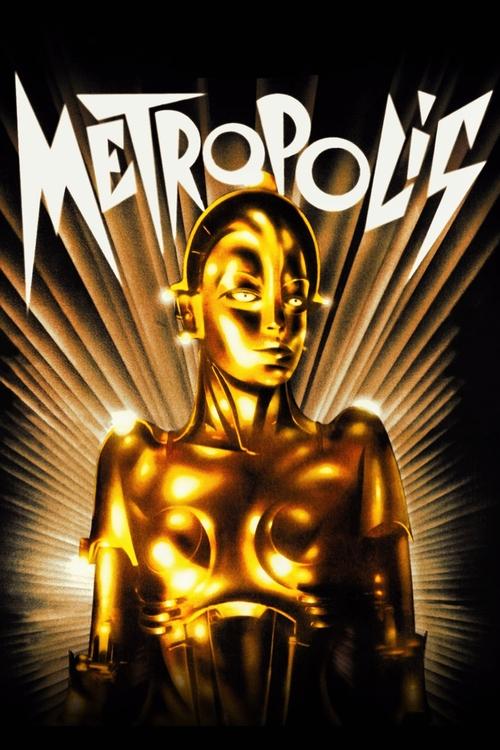
10. Metropolis
Lang's silent science fiction epic is a monumental achievement, a visionary dystopia that set the stage for virtually all subsequent futuristic cinema. Its breathtaking Art Deco design, innovative special effects, and allegorical narrative exploring class struggle and industrial dehumanization were decades ahead of their time. Indeed, it’s not just a film; it's a foundational text, a powerful and enduring visual prophecy that still resonates with contemporary societal anxieties.