

1 / 10
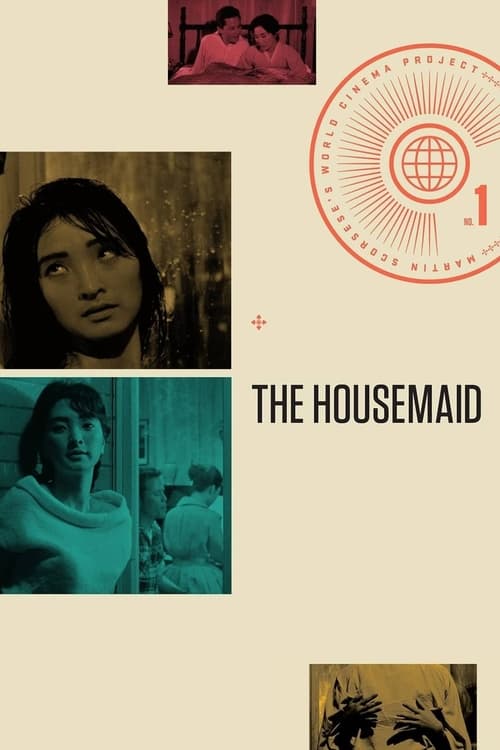
1. The Housemaid
Kim Ki-young's 1960 film remains a chilling, audacious exploration of class struggle and destructive desire within the confines of a claustrophobic household. Its audacious visual language and relentless psychological tension, where a new housemaid systematically unravels a middle-class family, established a unique cinematic voice. This isn't just melodrama; it's a profound, disturbing reflection on societal pressures and personal failings, delivered with an almost operatic intensity. A seminal work of Korean cinema.
2 / 10

2. Mikey and Nicky
Elaine May’s 1976 work stands as a raw, unflinching portrait of a toxic friendship teetering on the brink of betrayal. Its vérité style, often mistaken for improvisation, captures the desperate, circuitous conversations between two small-time mobsters with painful authenticity. May, an auteur of rare insight, crafts a nocturnal odyssey through loyalty and paranoia, revealing the petty cruelties and deep-seated insecurities that bind and break men. A masterclass in character study.
3 / 10
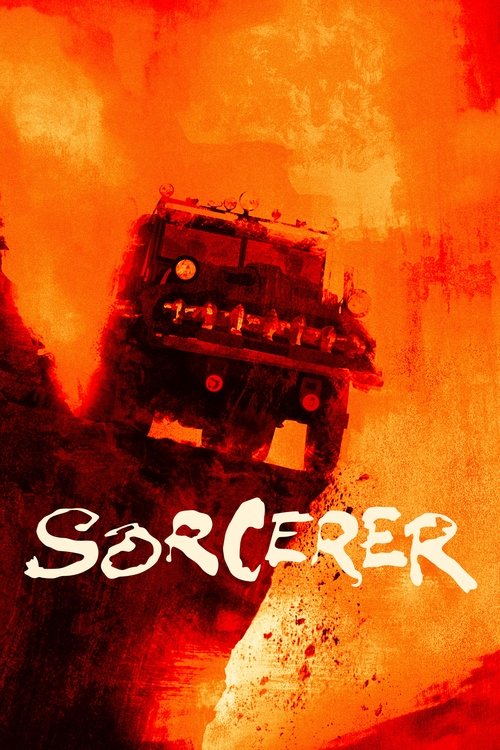
3. Sorcerer
William Friedkin's 1977 existential thriller, often overshadowed, is a visceral, unrelenting journey into the heart of darkness. Four desperate men, exiles from their pasts, attempt to transport volatile nitroglycerin across unforgiving South American terrain. Friedkin orchestrates a symphony of tension and despair, foregrounding man's futile struggle against an indifferent, hostile world. It's a testament to gritty realism and the sheer will to survive, a film that physically demands engagement.
4 / 10

4. Three Outlaw Samurai
Hideo Gosha's 1964 debut is a dynamic, morally complex chambara that injects gritty realism and anti-heroic sensibilities into the samurai genre. Three ronin, each with their own code, find themselves drawn into a peasant revolt against a corrupt magistrate. Gosha masterfully stages intense, brutal sword fights, but it's the film's nuanced exploration of justice, loyalty, and the blurred lines between right and wrong that truly elevates it beyond mere action. A vital precursor to later jidaigeki.
5 / 10
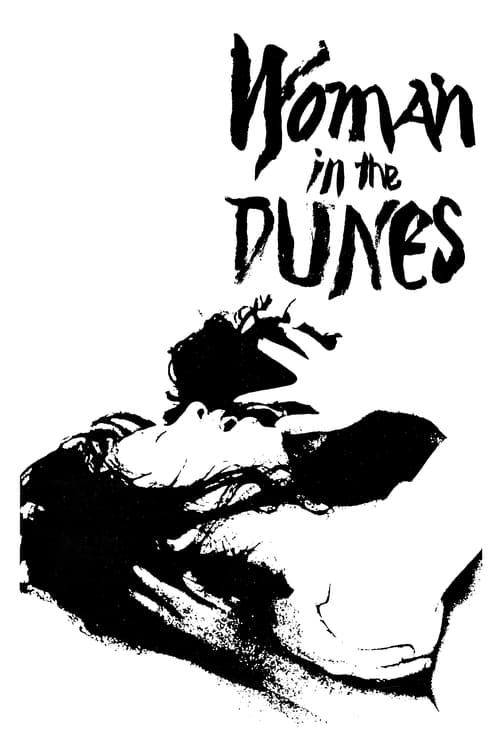
5. Woman in the Dunes
Hiroshi Teshigahara’s 1964 surrealist masterpiece is a profound, unsettling meditation on freedom, identity, and the absurdity of existence. A man, trapped in a sand pit with a mysterious woman, becomes entangled in a bizarre, unending struggle against the shifting dunes. Its hypnotic visuals and Kafkaesque narrative create an oppressive atmosphere, forcing viewers to confront questions of purpose and the nature of confinement, both physical and psychological. A truly unique and unforgettable cinematic experience.
6 / 10

6. Scarecrow
Jerry Schatzberg's 1973 road movie is a poignant, understated examination of male friendship and the elusive American dream. Al Pacino and Gene Hackman deliver career-defining performances as two drifters, Max and Lion, whose contrasting personalities forge an unlikely bond as they journey towards an uncertain future. It's a film steeped in melancholic realism, portraying the quiet desperation and fleeting moments of hope that define lives on the margins. A forgotten gem of 70s cinema.
7 / 10
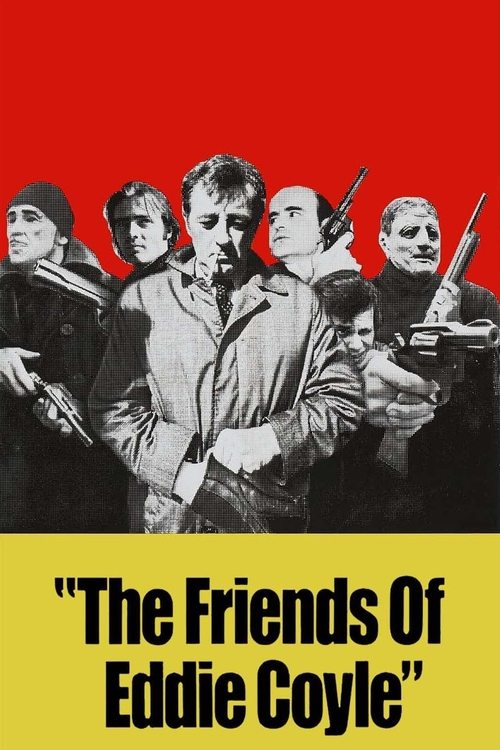
7. The Friends of Eddie Coyle
Peter Yates’ 1973 crime drama stands as a bleak, unsentimental portrait of the small-time criminal underworld. Robert Mitchum delivers a career-best performance as Eddie Coyle, an aging gunrunner caught in a web of double-crosses and betrayals. The film eschews glamor for a stark, almost documentary-like realism, showcasing the grinding banality and inevitable tragedy of a life lived on the wrong side of the law. Its quiet despair resonates long after the credits roll.
8 / 10
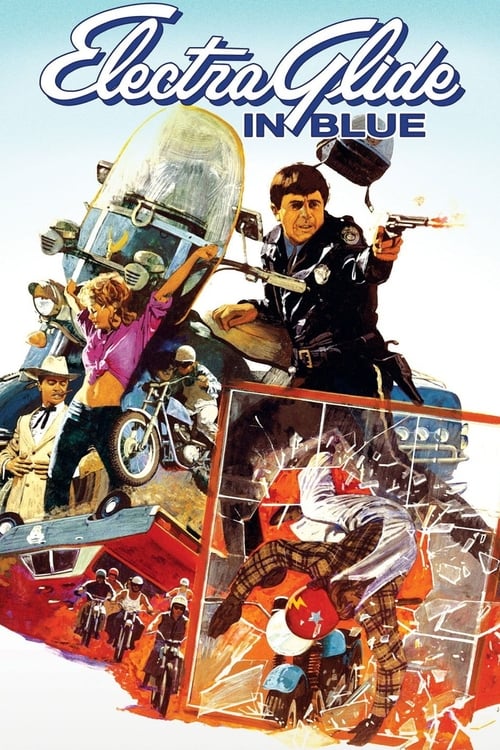
8. Electra Glide in Blue
James William Guercio’s 1973 neo-western is a strikingly idiosyncratic film, blending the aesthetics of a counterculture road movie with the disillusionment of the police procedural. Robert Blake plays a small-town Arizona motorcycle cop, John Wintergreen, whose ambition to become a detective clashes with the cynical realities of law enforcement and the emerging counterculture. Its stunning cinematography, melancholic tone, and anti-establishment undertones mark it as a unique, overlooked artifact of its era.
9 / 10
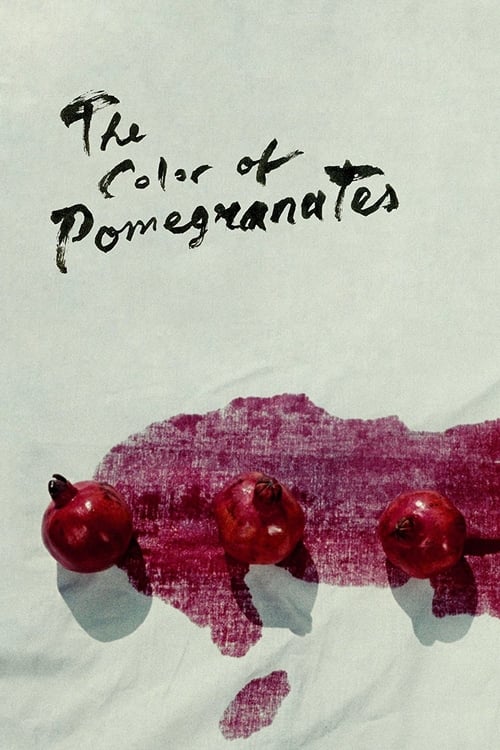
9. The Color of Pomegranates
Sergei Parajanov’s 1969 masterpiece is less a conventional narrative and more a mesmerizing, avant-garde tapestry of poetic imagery, depicting the life of Armenian troubadour Sayat-Nova. Through a series of static, tableau-like scenes, rich in symbolism and folkloric detail, Parajanov crafts a deeply spiritual and visually breathtaking experience. It challenges traditional cinematic language, inviting viewers to engage with cinema as pure art, a testament to its director's singular, uncompromising vision.
10 / 10
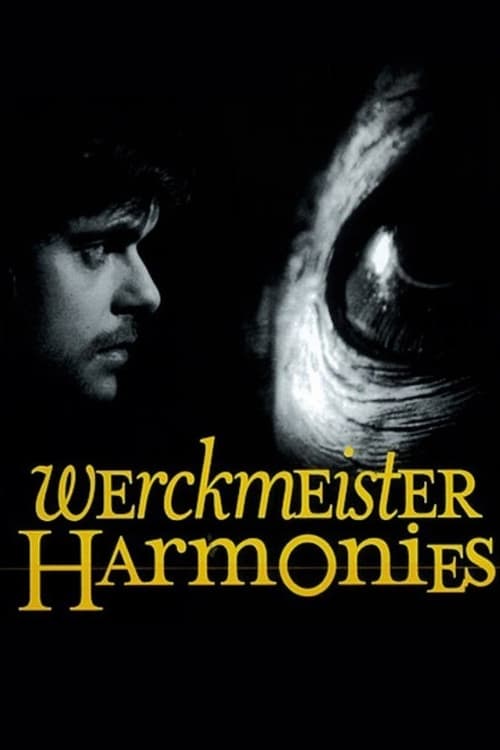
10. Werckmeister Harmonies
Béla Tarr’s 2001 epic is a monumental work of slow cinema, an immersive, haunting meditation on societal collapse and the fragility of order. Through its signature long takes and stark black-and-white cinematography, Tarr creates a palpable sense of unease as a mysterious circus attraction triggers chaos in a desolate Hungarian town. It’s a profound, challenging experience that demands patience but rewards with an unparalleled atmospheric density and a devastating reflection on humanity’s darker impulses.