


1. Possession
Andrzej Żuławski's audacious, raw exploration of a disintegrating marriage, set against a divided Berlin, transcends conventional horror. Isabelle Adjani's visceral performance is a tour de force, depicting a woman's descent into a primal, almost Lovecraftian madness. It's an intensely personal, often baffling, yet utterly compelling film that dares to portray emotional trauma as a monstrous, physical entity, challenging viewers to confront the grotesque beauty of despair.
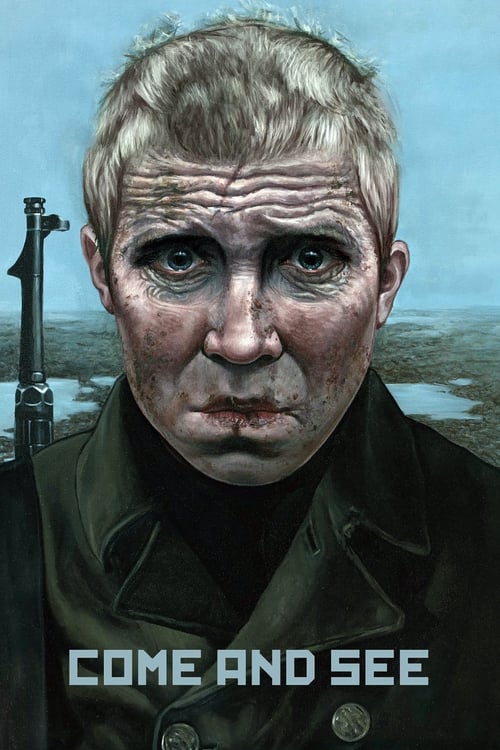
2. Come and See
Elem Klimov's harrowing Soviet anti-war masterpiece offers an unflinching, almost hallucinatory, perspective on the Eastern Front. Through the eyes of young Florya, we witness the systematic dehumanization and psychological scarring inflicted by Nazi atrocities in Belarus. It’s a film that doesn't just depict war; it immerses you in its terrifying, absurd reality, leaving an indelible mark with its stark realism and profound moral weight.
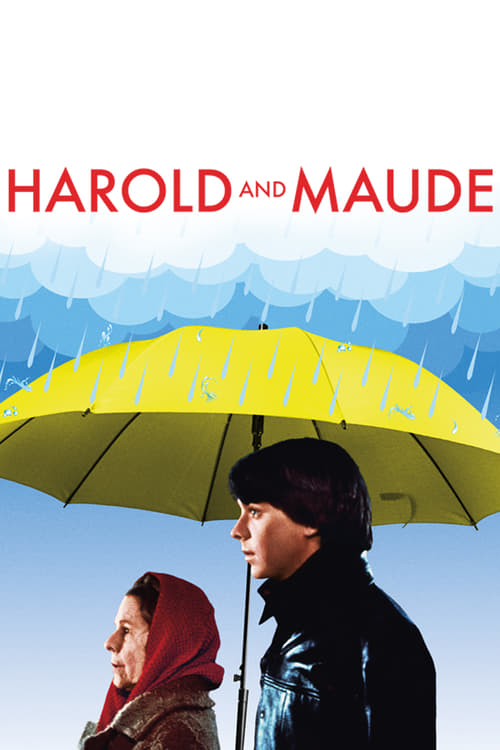
3. Harold and Maude
Hal Ashby's darkly comedic, yet profoundly life-affirming, cult classic challenges societal norms with its unconventional romance between a death-obsessed young man and an octogenarian free spirit. It's a testament to finding joy and connection in the most unexpected places, celebrating individuality and the rejection of morbid conformity. The film’s quirky charm and philosophical undertones have solidified its place as a timeless ode to living authentically.
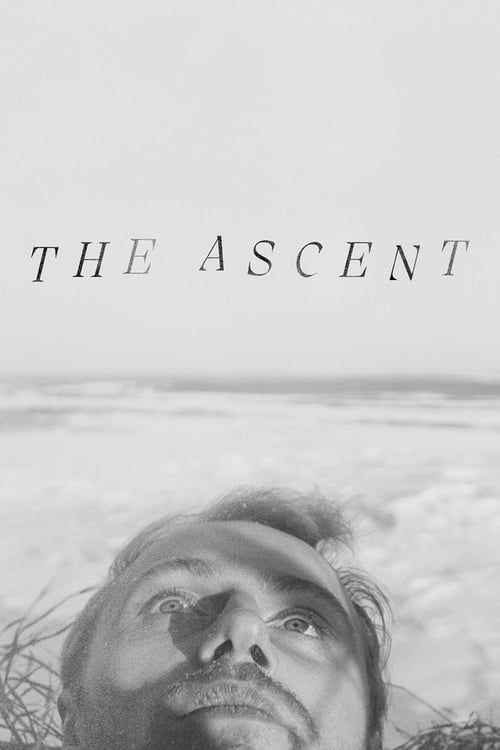
4. The Ascent
Larisa Shepitko's final, devastating film is a spiritual odyssey set during World War II, following two Soviet partisans captured by the Nazis. It transforms a grim survival narrative into a profound examination of faith, betrayal, and human dignity under extreme duress. Shepitko's stark, almost biblical imagery and deep psychological insight create a haunting, morally complex work that solidifies her as one of cinema's great, tragically underappreciated auteurs.
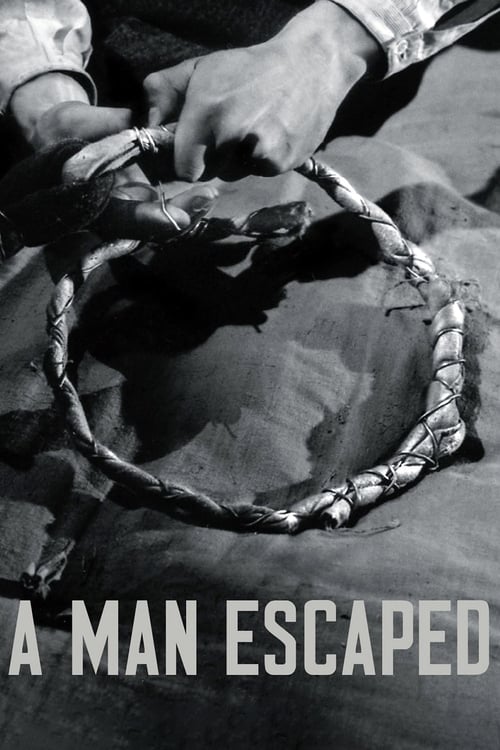
5. A Man Escaped
Robert Bresson's minimalist masterpiece details the meticulous, arduous prison break of a French Resistance fighter during WWII. Stripping away sensationalism, Bresson focuses on the precise mechanics of escape, emphasizing sound design and the protagonist's inner resolve. It's a masterclass in suspense derived from patience and detail, transforming a simple premise into a profound meditation on human will, freedom, and the spiritual dimensions of perseverance.
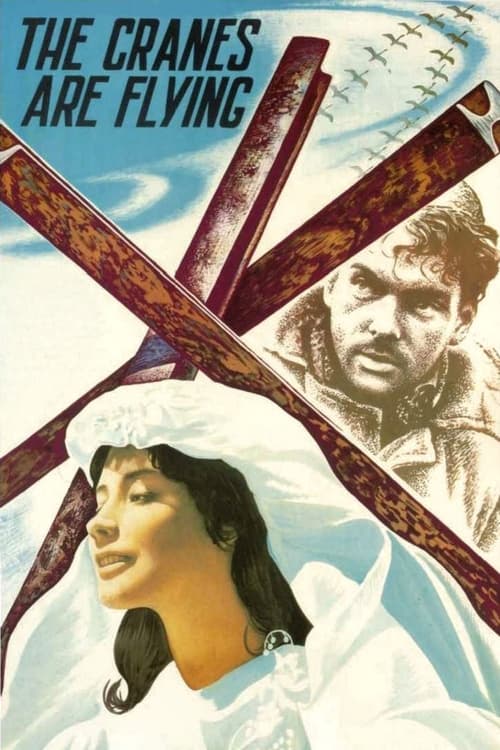
6. The Cranes Are Flying
Mikhail Kalatozov's poignant Soviet war drama captures the tragic love story of Veronika and Boris amidst the upheaval of World War II. Its innovative cinematography, particularly Sergei Urusevsky's dynamic camera work, elevates the emotional intensity, conveying the personal cost of conflict with breathtaking artistry. A powerful, lyrical film that masterfully intertwines individual heartache with the broader canvas of national suffering, earning it the Palme d'Or.

7. Vampyr
Carl Theodor Dreyer's early sound film is a dreamlike, atmospheric horror piece that eschews conventional jump scares for an unsettling, pervasive dread. Its avant-garde visuals, ghostly shadows, and minimal dialogue craft a unique, almost surreal experience of the supernatural. Dreyer's meticulous control over mood and imagery creates a chilling, hypnotic exploration of ancient evil, cementing its legacy as a landmark in cinematic horror.
8. The Vanishing
George Sluizer’s original Dutch-French thriller is a chilling, meticulously constructed psychological nightmare. It tracks a man's obsessive search for his vanished girlfriend, leading him down a path of increasing desperation and a terrifying confrontation with the abductor. This film masterfully builds tension through intellectual curiosity rather than explicit violence, culminating in one of cinema's most disturbing and unforgettable endings, a true study in existential dread.

9. Wake in Fright
Ted Kotcheff's brutal, sun-baked Australian New Wave classic thrusts a refined English teacher into a hellish outback town. What begins as a temporary stop devolves into a nightmarish descent into primal masculinity, booze-fueled depravity, and existential despair. Its unflinching portrayal of culture shock and toxic masculinity, combined with stunning, disorienting visuals, creates a visceral and profoundly unsettling experience that resonates long after viewing.
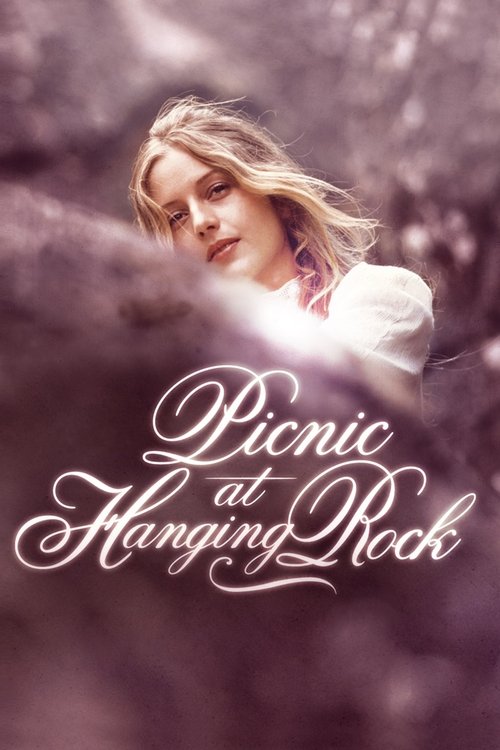
10. Picnic at Hanging Rock
Peter Weir's enigmatic Australian masterpiece weaves a haunting tale of schoolgirls vanishing at a mysterious rock formation. The film eschews conventional narrative resolution for an ethereal, dreamlike atmosphere, exploring themes of repressed sexuality, colonial anxieties, and the unknowable power of nature. Its lingering sense of unease and exquisite visual poetry have cemented its status as a seminal work of atmospheric mystery, defying easy categorization.