


1. Parasite
Bong Joon-ho’s Palme d'Or and Oscar-winning film masterfully dissects class struggle through a darkly comedic thriller. Its intricate narrative design and brilliant ensemble cast expose the brutal absurdities of modern capitalism, resonating globally. The film’s precise visual language and allegorical depth solidify Bong’s auteur status, demonstrating how genre filmmaking can be profoundly incisive social commentary. It’s a testament to cinema’s power to provoke thought and conversation across cultures.
2. Spirited Away
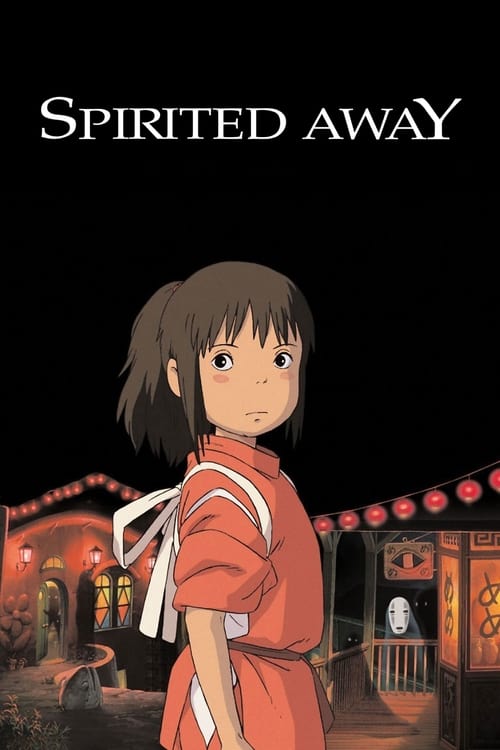
Hayao Miyazaki's animated epic transcends cultural boundaries with its dazzling visual imagination and profound thematic depth. This journey into the spirit world, seen through the eyes of young Chihiro, explores themes of identity, environmentalism, and the loss of tradition. Miyazaki’s distinct animation style, brimming with intricate detail and emotional nuance, establishes a universal narrative of growth and resilience. It's a foundational work in animated cinema, cementing Studio Ghibli's place in the pantheon.

3. Amélie
Jean-Pierre Jeunet's whimsical Parisian fable captured hearts worldwide with its vibrant aesthetic and enchanting narrative. Audrey Tautou’s portrayal of the titular character, a waitress orchestrating small acts of kindness, paints a picture of quirky urban romance and existential charm. The film's distinct visual style, a hyper-realized, sepia-toned Paris, became instantly recognizable. It celebrated the beauty in the mundane and the power of individual agency in a way that felt universally uplifting, a true cinematic confection.

4. Crouching Tiger, Hidden Dragon
Ang Lee's wuxia masterpiece redefined martial arts cinema for a global audience, blending breathtaking action sequences with a poignant narrative of love, duty, and freedom. Its Oscar-winning cinematography and elegantly choreographed fights became instantly iconic, showcasing the genre's artistic potential beyond mere spectacle. Lee’s masterful direction weaves a story that is both culturally specific and universally resonant, elevating the genre to art-house prestige and broadening its appeal immeasurably.

5. Life Is Beautiful
Roberto Benigni’s tragicomic Holocaust narrative, though controversial for its approach, undeniably resonated globally, earning multiple Oscars. It tells the story of a father shielding his son from the horrors of a concentration camp through an elaborate game, a testament to the human spirit’s capacity for hope amidst unimaginable suffering. Benigni’s performance anchors the film, balancing humor and profound pathos, creating a uniquely Italian perspective on a universal tragedy that sparked much debate about representation.
6. Slumdog Millionaire
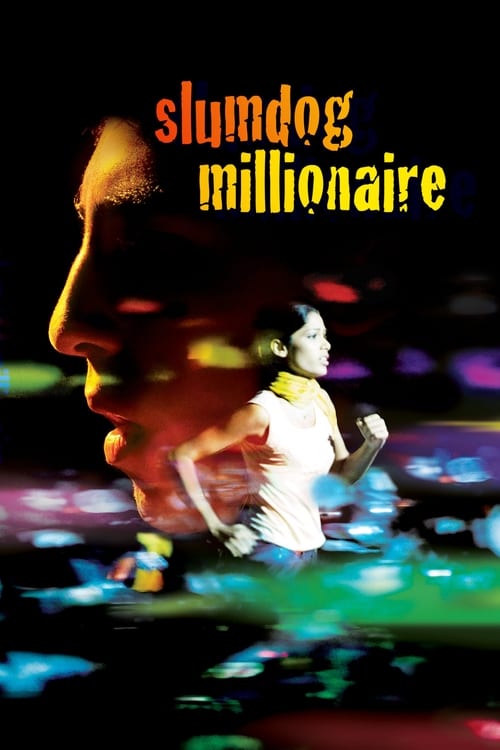
Danny Boyle and Loveleen Tandan’s kinetic film about a young man from the Mumbai slums winning big on a game show became an unlikely global phenomenon. Its vibrant cinematography, pulsing soundtrack, and non-linear narrative structure propelled audiences through a tale of fate and resilience. The film’s raw energy and optimistic spirit, despite its dark undertones of poverty and corruption, resonated widely, offering a compelling, albeit stylized, glimpse into modern India and the enduring power of hope.
7. Pan's Labyrinth
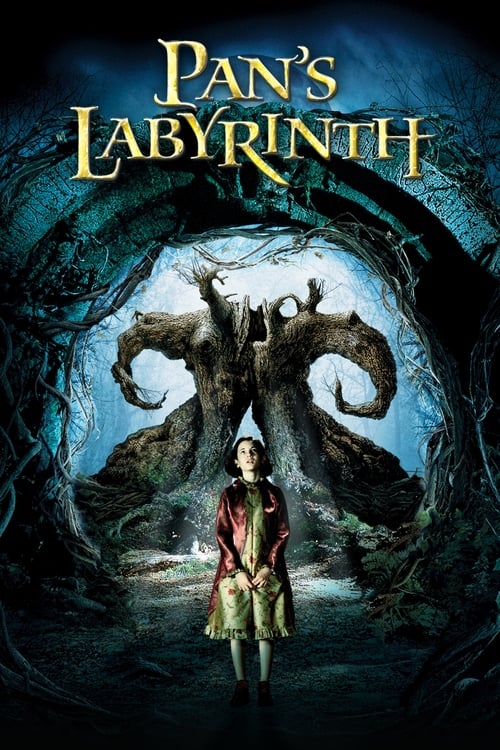
Guillermo del Toro's dark fairy tale, set against the backdrop of post-Civil War Spain, is a masterful blend of historical drama and rich fantasy. Ofelia's escape into a mythical world offers both a refuge and a reflection of the brutal reality she faces. Del Toro’s meticulous creature design and atmospheric direction create a haunting, beautiful, and profoundly disturbing allegory for innocence confronting fascism. It’s a powerful statement on imagination’s role in survival.

8. A Separation
Asghar Farhadi's intricate Iranian drama offers a nuanced look at a dissolving marriage and its societal repercussions. The film's brilliance lies in its moral ambiguity; there are no clear villains, only individuals navigating complex ethical dilemmas within a rigid social structure. Farhadi’s naturalistic direction and meticulous screenplay craft a universally relatable conflict, showing how personal choices intersect with cultural expectations and legal systems, proving compelling drama needs no grand spectacle.
9. Cinema Paradiso
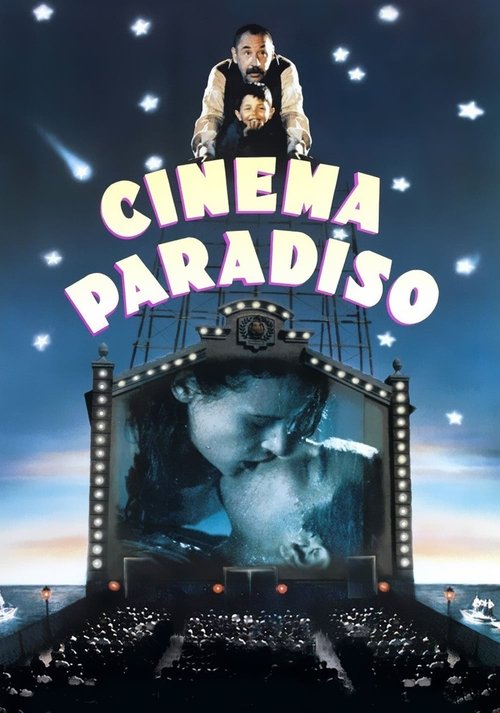
Giuseppe Tornatore's nostalgic ode to the magic of filmmaking and childhood friendship captivated audiences worldwide. Set in a Sicilian village, it follows a successful director reminiscing about his youth and the projectionist who became his surrogate father. The film is a tender, melancholic reflection on memory, love, and the enduring power of cinema itself. Its iconic ending, a montage of forbidden kisses, is a beautiful celebration of the art form's ability to connect us.

10. Pulp Fiction
Quentin Tarantino's groundbreaking non-linear crime epic redefined independent cinema and influenced a generation of filmmakers. With its sharp, idiosyncratic dialogue, memorable characters, and stylish violence, it became an instant cultural touchstone. Tarantino's postmodern approach to narrative and genre pastiche solidified his auteur signature, demonstrating how cinematic fluency could create a wholly original, self-referential world. It was a jolt to the system, proving that unconventional storytelling could achieve massive mainstream appeal.